Limerick Churches: Three Landmarks Compared
Limerick churches compared: Saint Mary's Cathedral, St John's Cathedral and deconsecrated St Munchin's differ in era, denomination and visitor access.
On this page
Limerick's most interesting church buildings are not interchangeable stops on a checklist, because each one holds a different position in the city's religious and civic life. Saint Mary's Cathedral is a living Church of Ireland cathedral with published visitor hours; St John's Cathedral is the present-day Roman Catholic cathedral and an active parish; St Munchin's is a deconsecrated building in the care of a heritage charity. Knowing which is which saves you a wasted walk and shapes what you should expect to see.
This comparison concentrates on those three named buildings, two of them central and one on King's Island, rather than attempting a survey of every church in the city. The approach is straightforward: establish the denomination and era of each, note the architectural features worth looking for, and separate buildings you can enter on published terms from one that is a heritage site in transition. That distinction matters most for St Munchin's, where the published record describes a restoration project rather than an open museum.
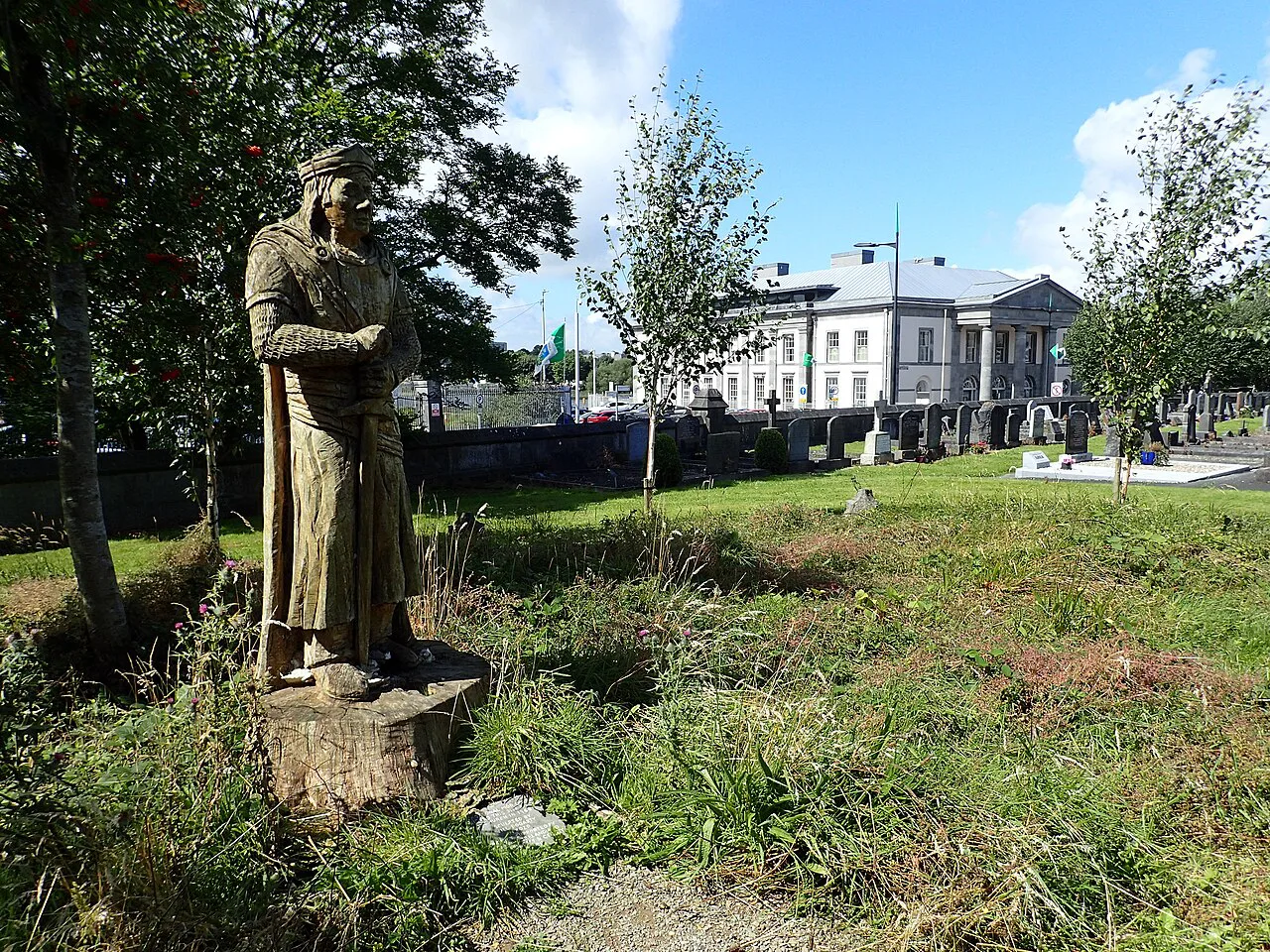
Saint Mary's Cathedral: The Medieval Survivor
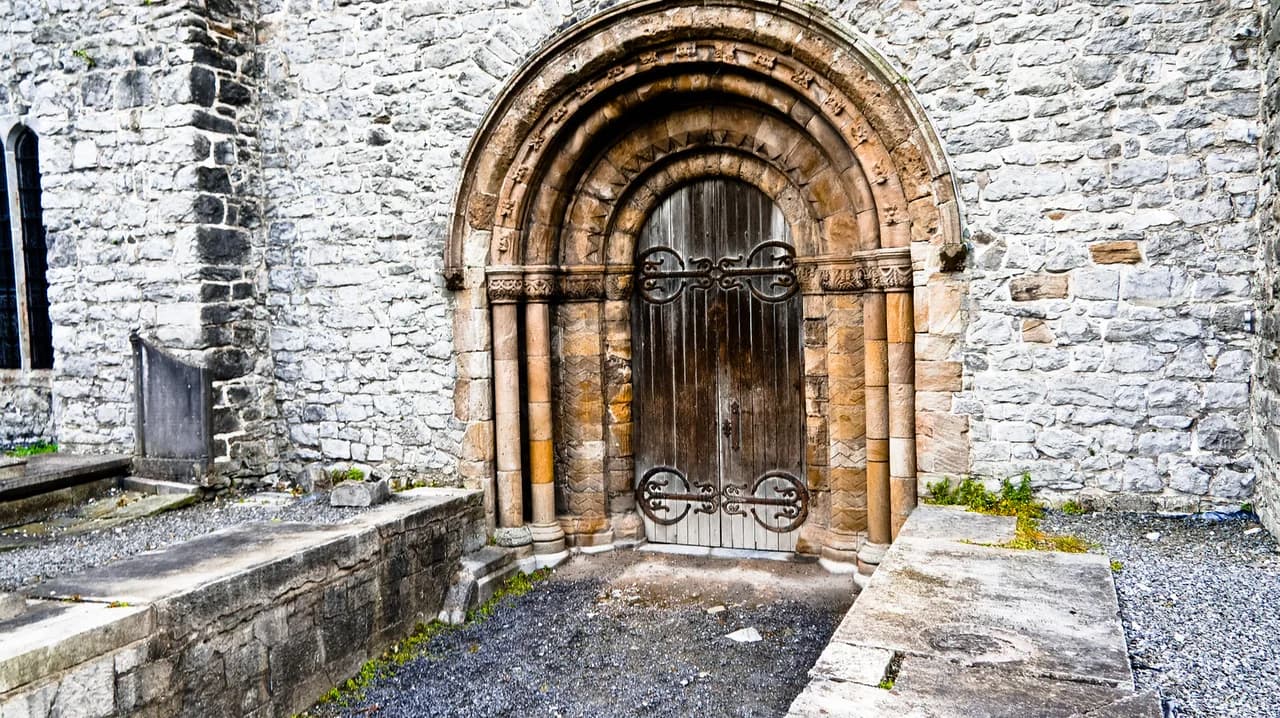
Saint Mary's Cathedral describes itself as dating to 1168 and as the oldest cathedral on the Wild Atlantic Way, claims the cathedral makes on its own site and that are worth treating as its framing rather than as an independently verified record. It stands in the medieval heart of Limerick above the River Shannon, and the cathedral presents its long history as one that includes invasions, sieges and famines alongside quieter periods. For a visitor, that age is the main draw: the fabric is the point, not a single exhibit.
The building is Church of Ireland and remains a working place of worship for its own congregation and for Christians generally, which shapes how it should be visited. The cathedral also describes itself as a venue for music, choral concerts and the arts, so a visit can coincide with a recital or a service rather than a silent museum walk-through. If you want the building to yourself, check what is scheduled before you set out.
Saint Mary's: Published Visitor Hours and Entry
The cathedral publishes visitor opening Monday to Saturday from 11.00 to 16.00, with last admission at 15.30, and on bank holidays from 11.00 to 15.00 with last admission at 14.30. Sunday is given over to service and worship rather than general visiting, and the cathedral's site provides a way to book a visit in advance. Treat these as the cathedral's published arrangements, and confirm them for your date, since worship and event schedules can alter access.
Services follow a published pattern: a service of worship at 11.15, described as Holy Communion on the first and third Sundays and morning prayer on the second and fourth, plus weekday morning prayer at 10.30 and Thursday Holy Communion at 10.30, with Sunday evensong as advertised. Concert and event listings also appear on the cathedral's own site. If you are visiting for the building, arriving well before the last-admission cut-off leaves time to look properly rather than being hurried out.
St John's Cathedral: The Catholic Cathedral
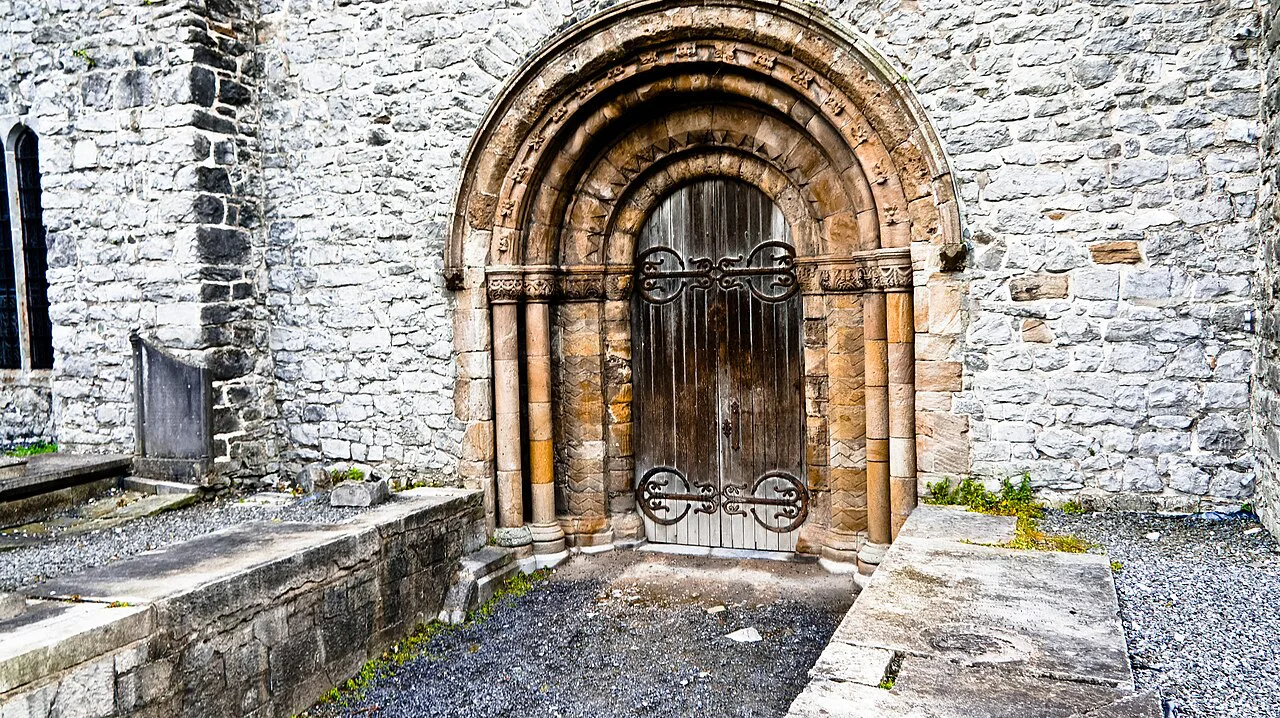
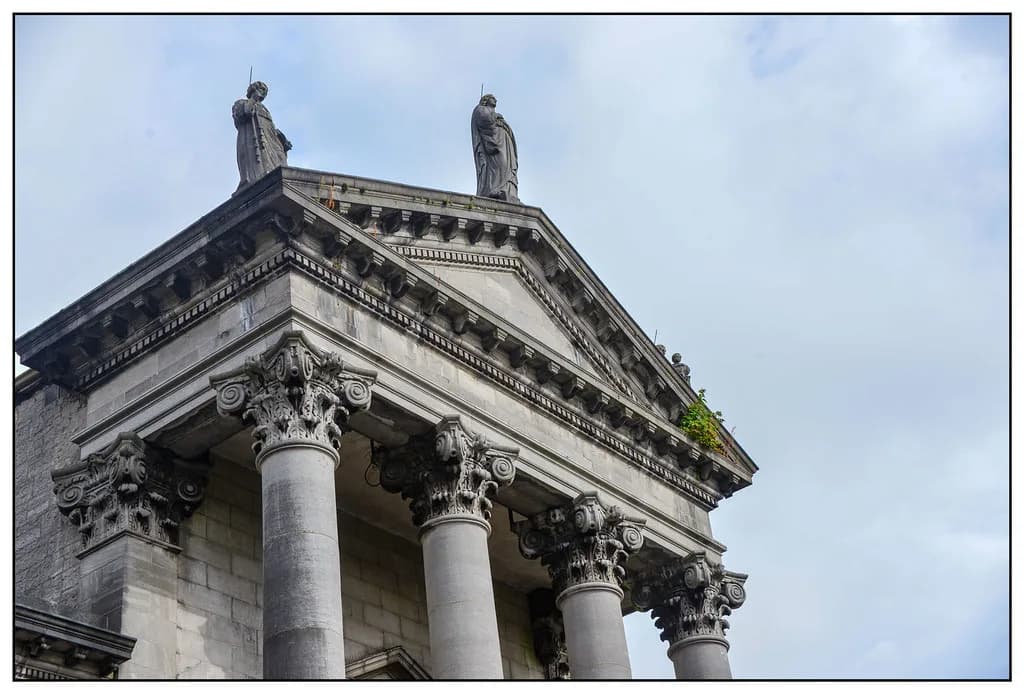
St John's Cathedral is the present-day Roman Catholic cathedral of Limerick, standing at Cathedral Place, which distinguishes it from other churches of the same name elsewhere in the city. According to the Diocese of Limerick, it was designed by the English architect Thomas Hardwick, and its foundation stone was laid in May 1856. The building was roofed by March 1859, when the first Mass was celebrated there, so its story belongs to the nineteenth century rather than the medieval city.
The Limerick firm of Messrs. Hennessey was commissioned to design the tower, which was completed in 1882, and the cathedral was formally consecrated in June 1894. The diocese gives the spire as 265 feet 9 inches from the base of the tower to the top of the cross, making it one of the tallest in Ireland; the same page separately records an earlier tower design figure, so the two numbers should not be merged. From the approaches into Limerick, the spire is the feature that announces the cathedral before you reach it.
Inside St John's: What the Diocese Records
The diocese describes an altar of Limerick marble with a substructure of alabaster and coloured marble, centred on a white alabaster carving depicting the sacrifice of Abraham. The bishop's chair and the cathedral chapter stalls were carved in Munich in 1894, and the cathedral's carved back and canopy now sit in the north transept, housing the oils blessed at the chrism Mass. These are the details to look for rather than simply scanning the nave from the door.
Six bishops are buried in the cathedral, distributed between the main aisle, the area near the south door and the north transept, which gives an interior walk a definite sequence. The tower's limestone was quarried at Rosbrien, and the building has been through several campaigns of reconstruction, in the 1950s, from 1977 and in a restoration completed in 2003. Floodlighting installed in 1986 and replaced during the 2003 work means the spire is also a feature of the city after dark.
St John's as a Working Parish
St John's is an active parish rather than a visitor attraction with a ticket desk, and its own website publishes Mass times, a live stream and an on-site self-guided tour for those who want to read about the building's history as they walk. Beyond that, the parish does not publish separate visitor admission arrangements, so do not assume a paid entry or a formal guided tour. Checking the parish site before you go is the sensible step, particularly around Mass times.
The practical consequence is that a visit here is shaped by worship rather than opening hours, and quiet, respectful timing matters more than at a ticketed heritage site. If the cathedral is busy with a congregation, the honest option is to return later rather than treat the interior as a museum gallery. The spire, by contrast, can be appreciated from the street at any reasonable hour.
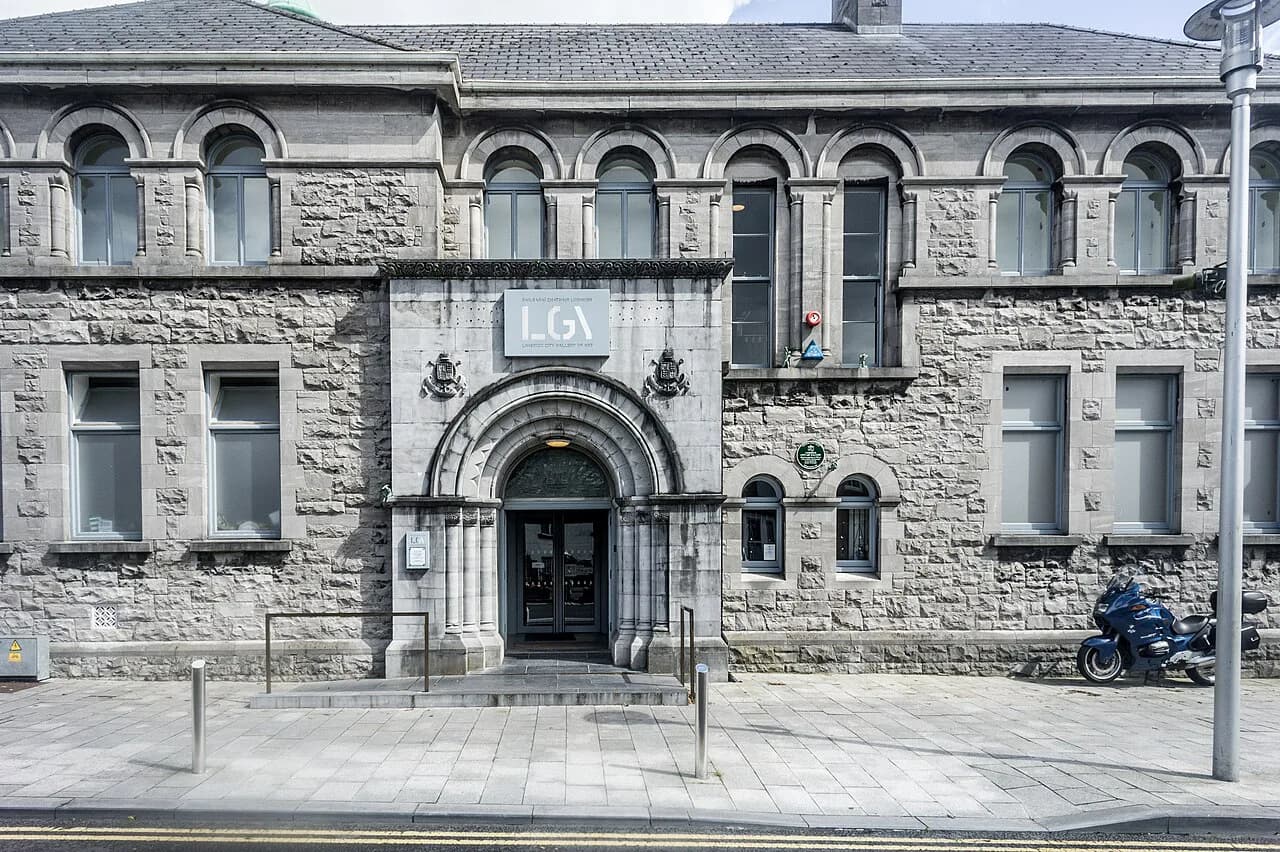
St Munchin's Church: A Building in Transition
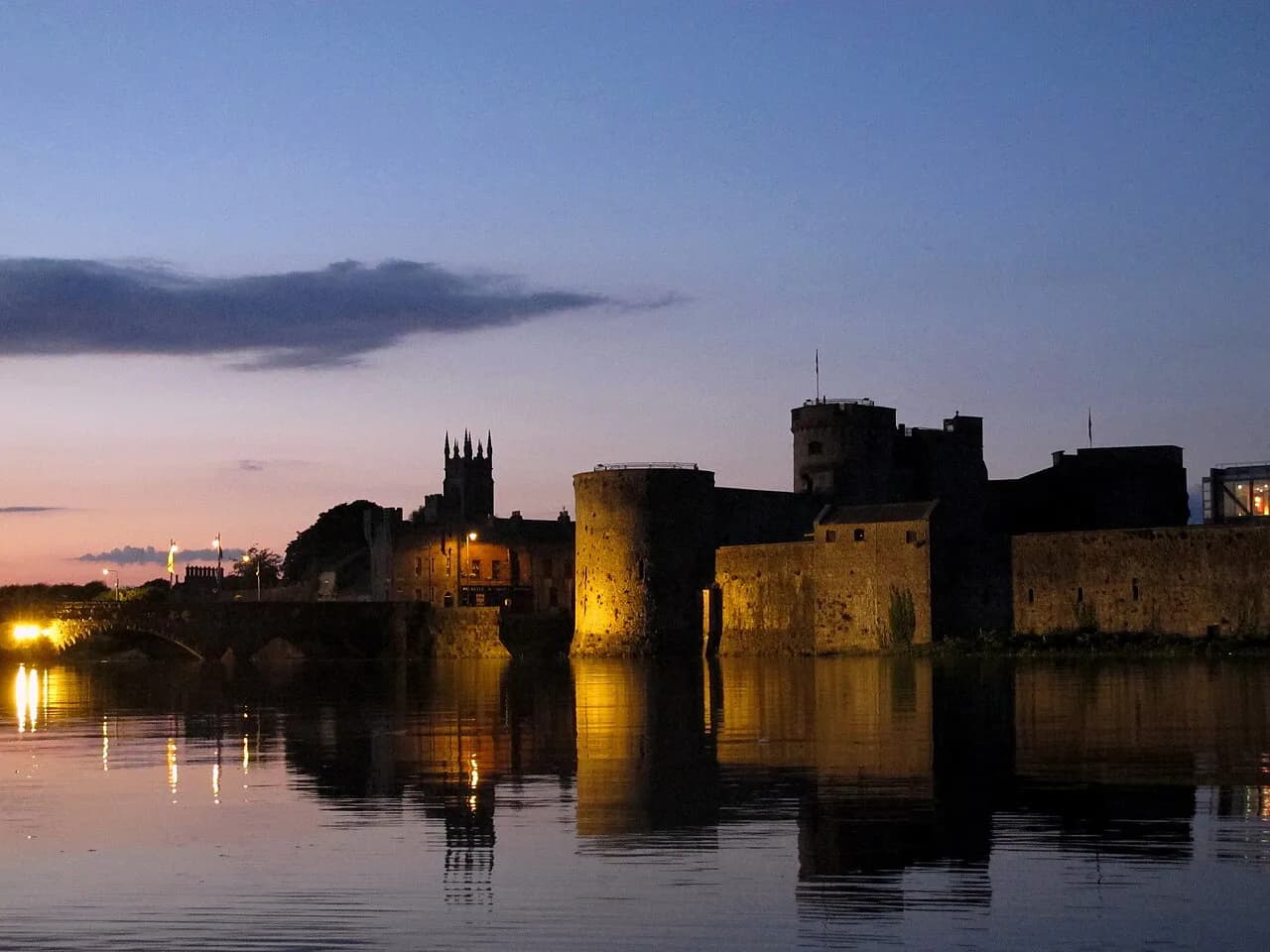
St Munchin's Church on King's Island is a deconsecrated building, and Limerick Civic Trust has been entrusted with its care and graveyard since the early 1990s. The Trust records that a newer church replaced a crumbling oratory in 1827, designed by the Pain Brothers, and that the site was once home to a sixth-century monk contemporary with St Patrick. That earlier association is context for the site, not a description of the standing building you see.
The Trust has documented a restoration project intended to convert the church into a local military museum covering Limerick's regiments from the siege of 1691 onward, with the Armstrong and Carrol collections named as planned holdings. That page set a target of opening by 2019, a historical plan rather than a current opening date, and it does not establish that the interior is publicly accessible now. Until the Trust publishes otherwise, treat St Munchin's as a heritage building in transition, best approached for its exterior and the surrounding medieval-quarter context.
The Three Side by Side
Set against each other, the differences are clear. Saint Mary's is Church of Ireland, medieval in origin on its own account, and the one the cathedral presents with published visitor hours and advance booking of visits. St John's is Roman Catholic, Victorian, and visitor access is governed by parish worship rather than a ticket. St Munchin's is neither open for worship nor an open museum: it is a deconsecrated 1827 building under restoration in a charity's care.
For the wider context around these buildings, the city's castle and museum landscape sits close to the medieval core and rewards pairing with a church visit. The museums in limerick are the natural place to extend that context indoors, while limerick castles cover the military and defensive side of the same story.
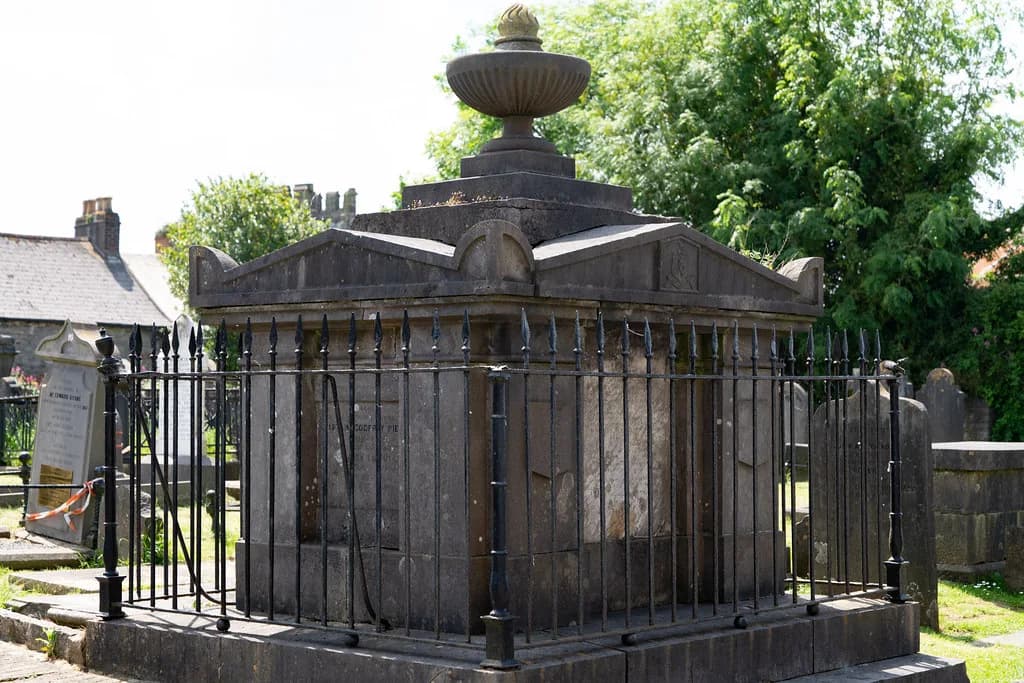
If your interests run toward burial grounds and memorials, Limerick's churchyards will add another layer, and the same medieval quarter is easy to read as a sequence of buildings rather than isolated stops. A self-guided walk, whether or not you follow a led route, keeps the two cathedrals and the riverfront in a single sensible loop.
Choosing Which Church to Visit
If you want the oldest fabric and a formal visitor experience, choose Saint Mary's and plan around the published hours, arriving early enough to use the last-admission window well. If you want the city's Catholic cathedral and the most dramatic spire, choose St John's but check Mass times first and be ready to step quietly around worshippers. If you are drawn to a building's uncertain future, walk past St Munchin's on King's Island for the exterior and the sense of a site awaiting its next chapter.
Combining two of the three in one outing is realistic because both cathedrals sit within the central city, while St Munchin's adds a short extension across to King's Island. A walking route that links the medieval quarter, the riverfront and the cathedral spire covers a coherent slice of Limerick's history without needing public transport.
Etiquette in an Active Church
Two of these buildings are living places of worship, and the practical rules are simple: keep voices low, avoid walking through a service, and check whether photography is welcome before raising a camera. At Saint Mary's, Sunday is reserved for worship, so general visiting belongs on another day. At St John's, a congregation in prayer takes precedence over a visitor's itinerary.
Dress and demeanour need only be modest, but timing is everything; arriving ten minutes before a service at either cathedral usually means being politely in the way. If you want to study the interior in detail, build in half an hour and go when the building is not filling for worship.
Plan Your Visit
Limerick's churches reward a little preparation. Check Saint Mary's published hours and visit-booking arrangements for your date, check St John's Mass times before treating it as a sight, and treat St Munchin's as a heritage site in transition rather than a museum you can enter. Those three checks cover almost every uncertainty a church-focused day in Limerick can throw up.
If you want to widen the day beyond churches, the city's museum and castle offerings sit close by and share the same medieval and military themes. Limerick's area guides help you see how the medieval quarter, the riverfront and King's Island fit together on foot. Allow the churches to set the pace rather than racing between them, since the two cathedrals in particular each deserve unhurried attention. For another heritage guide, read about Dublin Churches.
Explore more Limerick guides
Frequently Asked Questions
What is the difference between Saint Mary's Cathedral and St John's Cathedral in Limerick?
Saint Mary's is the Church of Ireland cathedral, which describes itself as dating to 1168 and standing in the medieval city above the River Shannon. St John's is the present-day Roman Catholic cathedral at Cathedral Place, designed by Thomas Hardwick with a foundation stone laid in May 1856 and consecrated in 1894. They differ in denomination, era and how visitors gain access: Saint Mary's publishes visitor hours and advance booking of visits, while St John's is an active parish whose site publishes Mass times, a live stream and a self-guided tour.
Can you visit St Munchin's Church in Limerick?
St Munchin's is a deconsecrated church on King's Island that Limerick Civic Trust has cared for since the early 1990s. The Trust has documented a project to convert it into a local military museum, with the Armstrong and Carrol collections named as planned holdings, but that published plan is not evidence that the interior is open to the public. Approach it for its exterior and heritage context, and check with Limerick Civic Trust before assuming any access.
How old is Saint Mary's Cathedral?
The cathedral's own website states that it dates to 1168, a claim worth attributing to the cathedral rather than treating as an independently settled date. It also describes itself as the oldest cathedral on the Wild Atlantic Way. For a visitor, the practical point is that the building is medieval in origin and has been altered across many centuries, so the fabric reflects more than one period of construction.
Do you need to book to visit Saint Mary's Cathedral?
The cathedral operates ticketed admission and its site lets you book a visit in advance, with opening published as Monday to Saturday 11.00 to 16.00 and last admission at 15.30, and shorter hours on bank holidays. The pages describing opening arrangements do not quote a ticket price, so check the cathedral's own site or ask at the door for current charges and any concessions before you go. Sunday is reserved for service and worship.
How tall is St John's Cathedral spire?
The Diocese of Limerick gives the spire as 265 feet 9 inches from the base of the tower to the top of the cross, making it one of the tallest in Ireland. The same diocesan page separately mentions an earlier tower design figure, so the two measurements should not be combined. The tower itself was designed by the Limerick firm of Messrs. Hennessey and completed in 1882, using limestone quarried at Rosbrien.
Sources
You might also like
Continue reading
More guides you'll find useful