Castles in Kilkenny: A Practical Guide to Kilkenny Castle
Kilkenny Castle is the county's anchor castle, with access rules, hours and ticket categories published by the Office of Public Works.
On this page
Kilkenny Castle is the county's anchor castle for visitors: the Office of Public Works runs it through Heritage Ireland and publishes the access rules, seasonal hours, ticket categories and facilities you need to plan a visit. Other castle names appear around County Kilkenny, but most are recorded only as private property or ruins, so this guide does not assume you can walk into them.
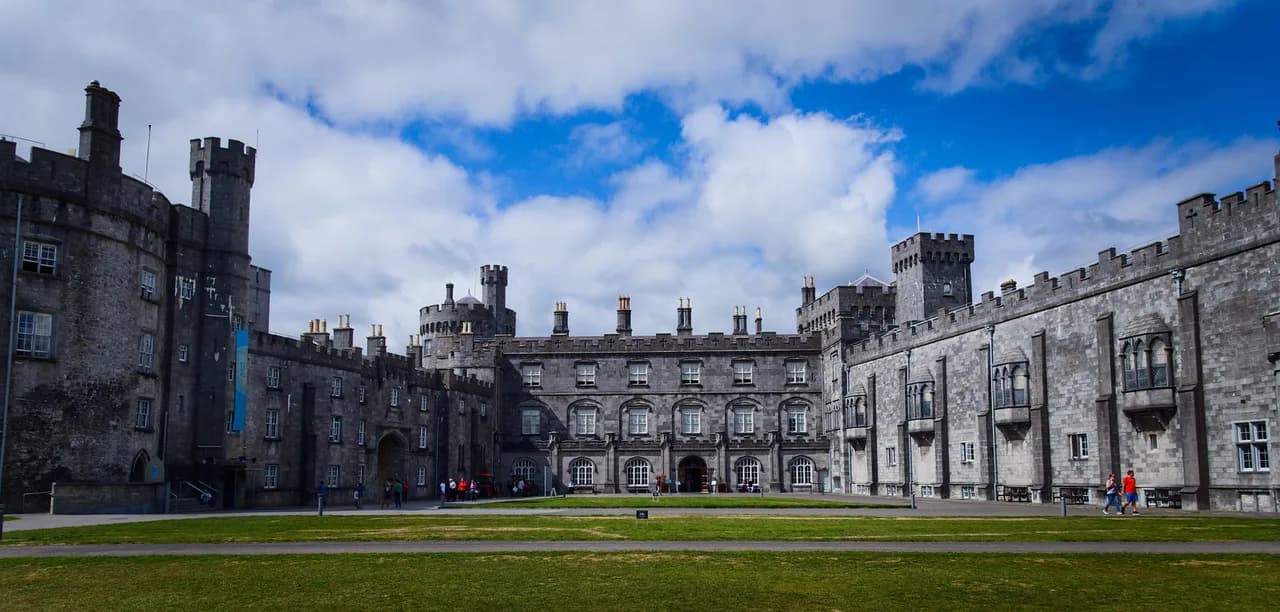
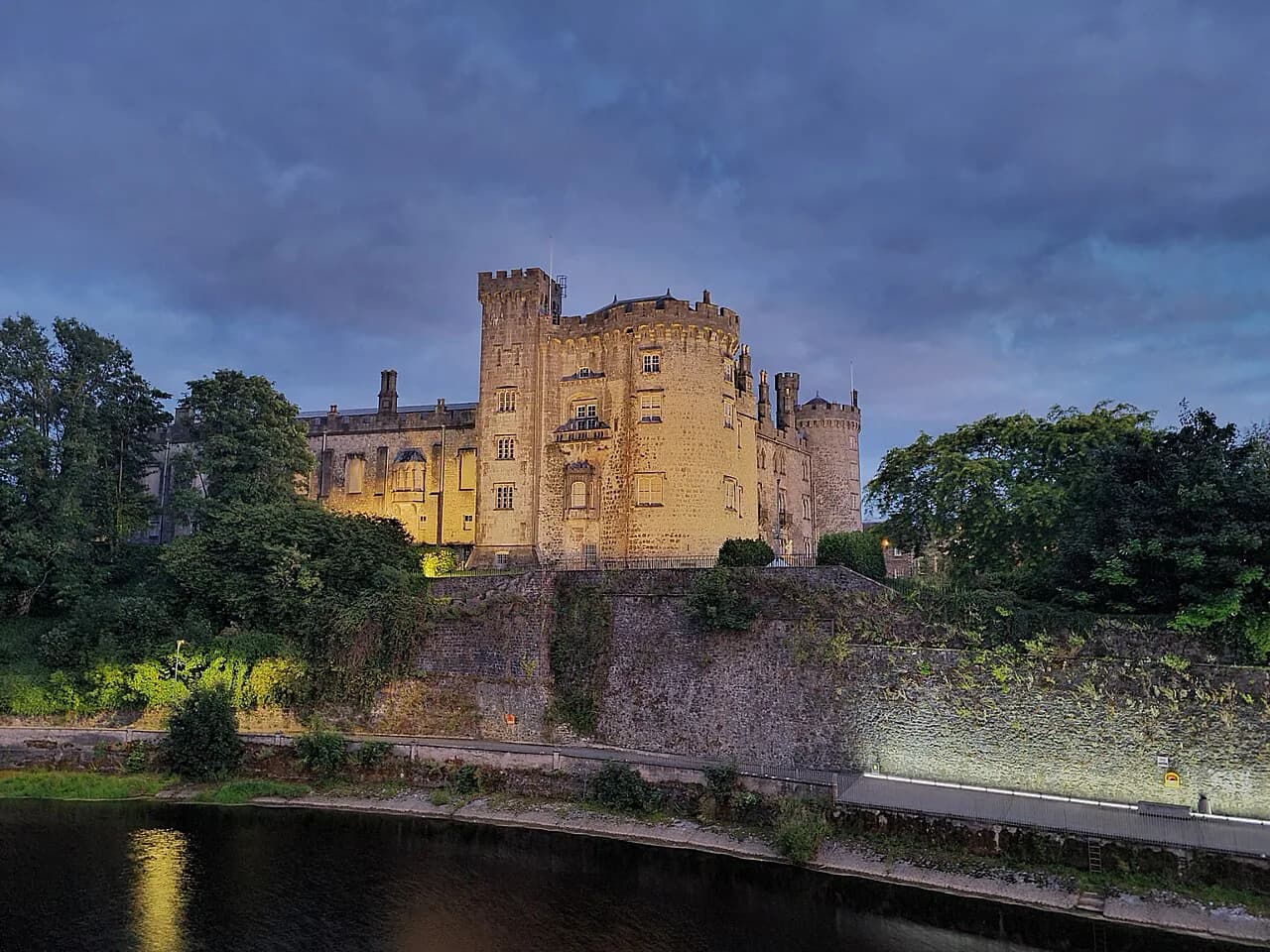
The building sits above the River Nore and dominates the city skyline, which is why it anchors a day in Kilkenny's medieval core rather than sitting off on a separate excursion. Treat it as a starting point: an hour inside, time in the grounds, then a walk into the streets around it.
Why Kilkenny Castle Anchors a Castle Visit
Tourism board Fáilte Ireland describes the castle as dominating Kilkenny city from the banks of the River Nore, with massive towers that give it a storybook profile. That riverside position matters practically as well as visually: it places the castle within the historic centre, so you can reach the surrounding streets on foot.
This is the key distinction when you search for castles in Kilkenny. One site has an operator publishing opening times, ticket categories and restrictions; the rest of the county's castle names are a different proposition entirely and need separate checks before you travel.
A community route platform lists a wider spread of named sites across the county, including tower houses and fragments outside the city. That list is useful as a set of names, not as proof of access, since a community route platform does not set entry rules.
Origins and the Butler Era
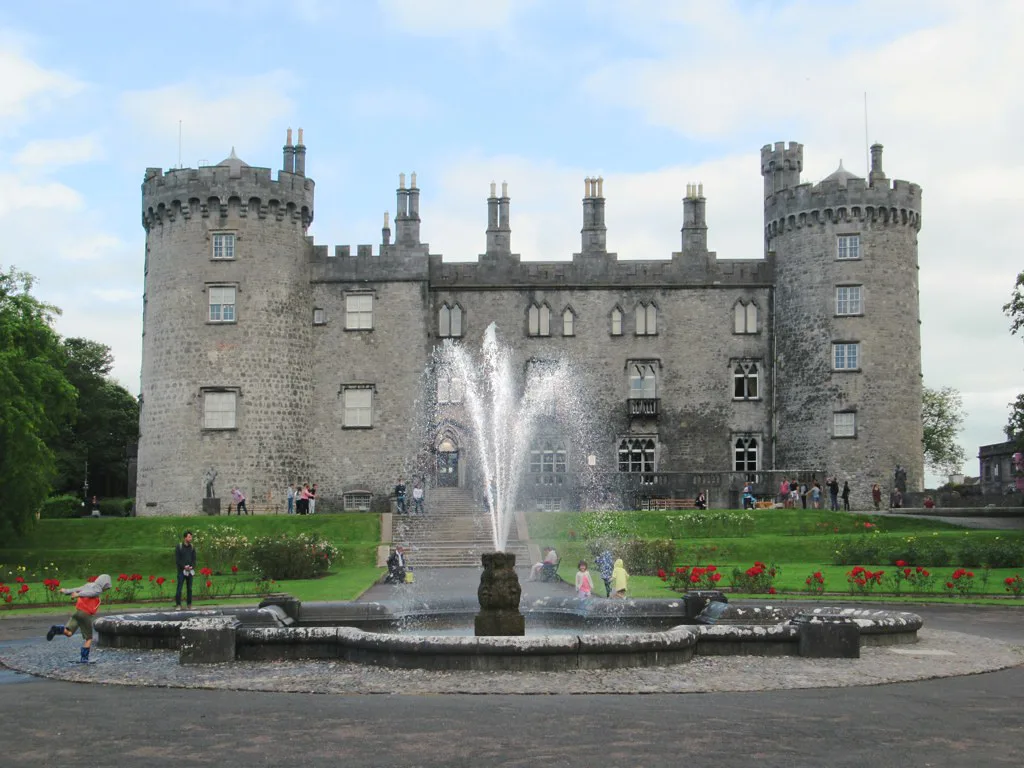
Heritage Ireland records that the castle was built in the twelfth century and served as the principal seat of the Butlers, the earls, marquesses and dukes of Ormond, for almost 600 years. Under that family, Kilkenny grew into a thriving city, and the operator notes that its lively atmosphere can still be felt today.
Fáilte Ireland frames the foundation differently, placing construction in the late twelfth century for the Earl of Pembroke as a symbol of Norman control. It also notes a family connection worth knowing before you walk the rooms: Lady Margaret Butler was paternal grandmother to Anne Boleyn.
From Fortress to Country House
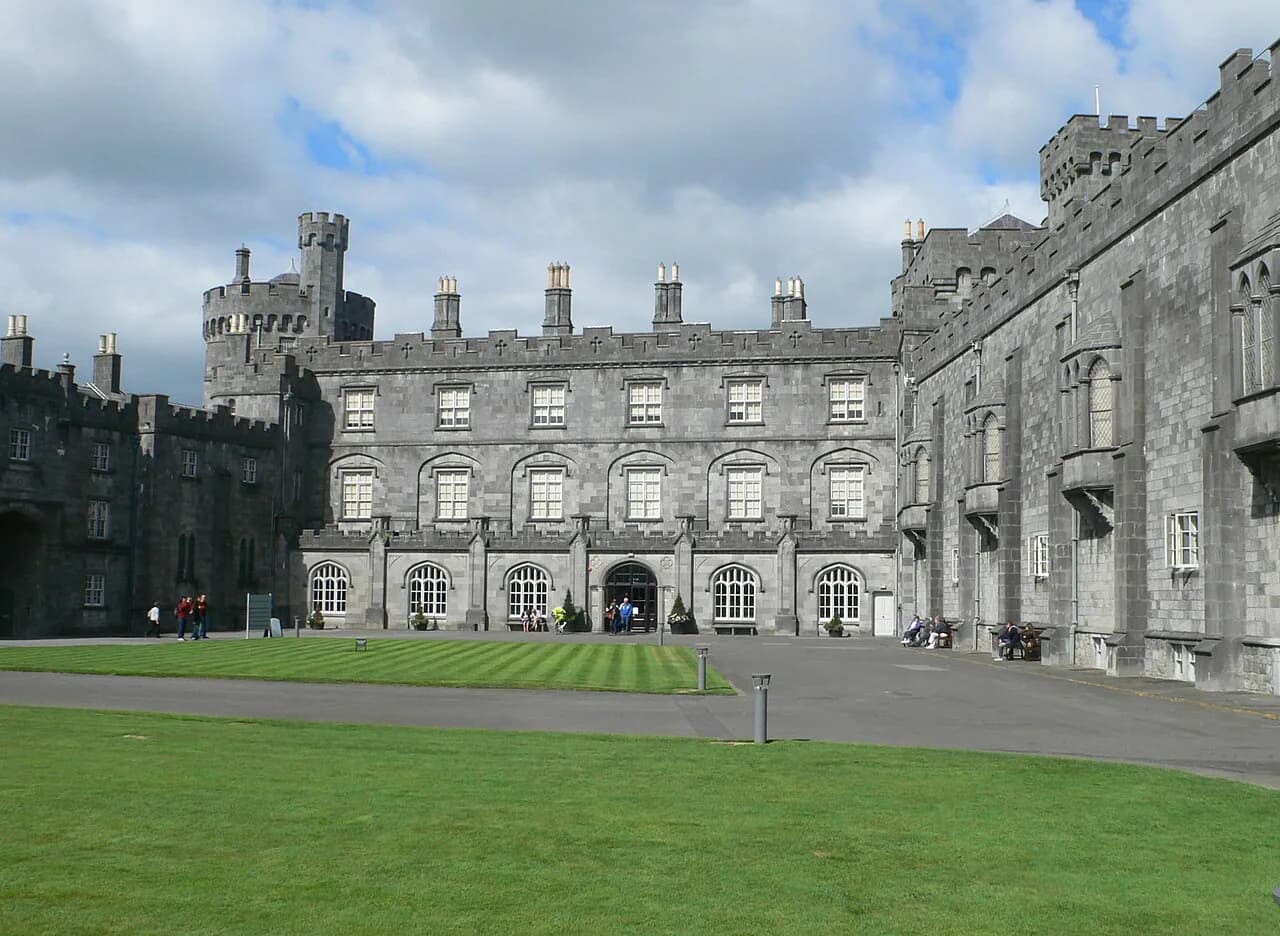
The castle you walk through today is not a bare Norman fortress. It was extensively remodelled in the nineteenth century into a grand country house, and Heritage Ireland describes period rooms decorated in 1830s splendour, including a library, drawing room, nursery and bedrooms.
The two primary sources describe the transfer of ownership at slightly different points, and it is worth keeping each account attached to its source. Fáilte Ireland reports that by 1967 the castle had fallen into disrepair and James Butler, the 6th Marquess of Ormonde, offered it to the city for a token payment.
Heritage Ireland dates the State's formal takeover to 1969 and notes ambitious restoration works since then. Read together, the two accounts describe a 1967 offer to the city followed by State takeover in 1969, and the operator credits the restoration carried out after that takeover. If you want the wider story of the city around these walls, a separate account of Kilkenny history makes a sensible companion to the rooms.
What to See Inside
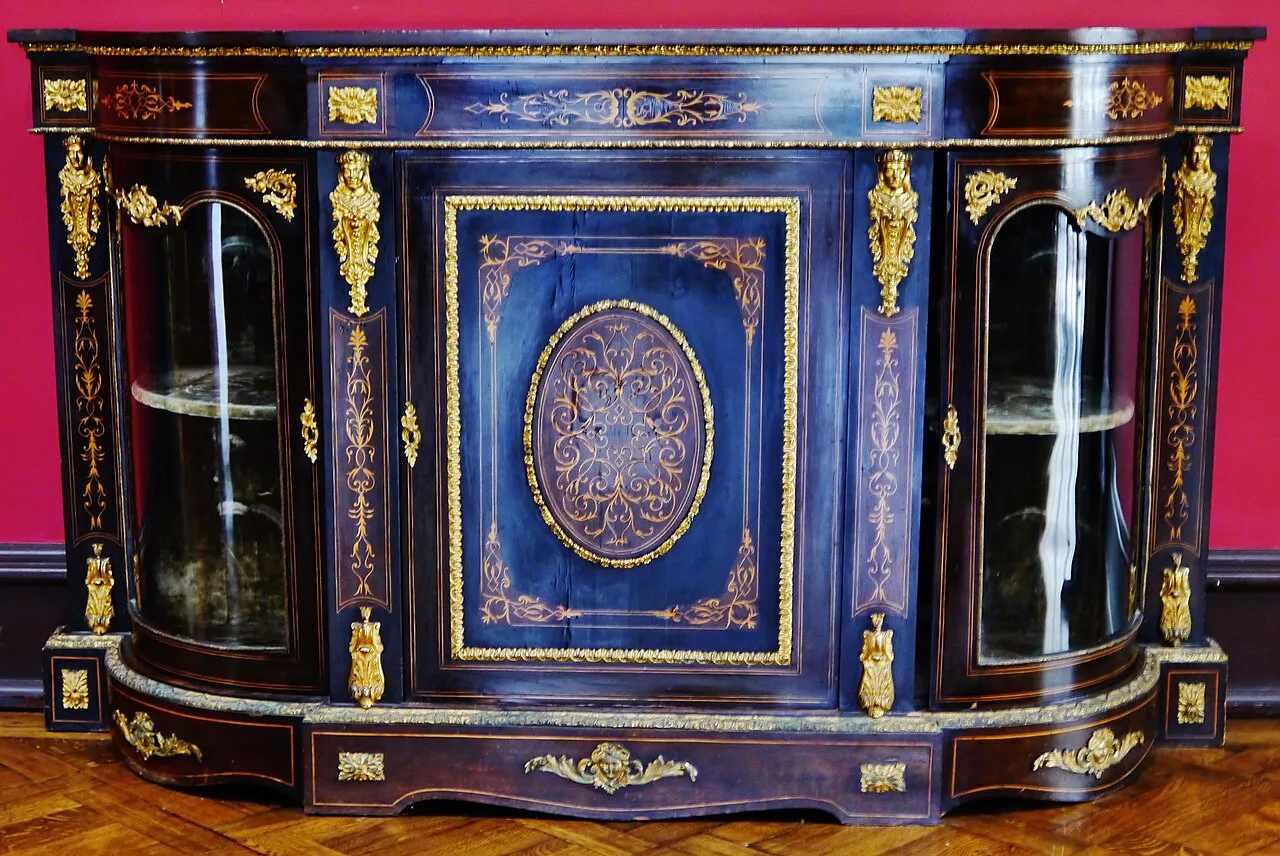
The nineteenth-century Picture Gallery in the east wing was built primarily to house the Butler family's fine collection of paintings, according to Heritage Ireland. Knowing that changes how you read the room: it was designed around a collection, not adapted to one afterwards.
Fáilte Ireland adds specific things to look for as you move through the rooms: seventeenth-century Decius Mus tapestries woven from designs by Peter Paul Rubens in the Picture Gallery, handpainted Chinese wallpaper in the Withdrawing Room, a Victorian nursery with antique rocking horses, and carved stone animals on the Moorish Staircase.
Pair the interiors with a look at the city's religious architecture, since the cathedral and church buildings of the medieval core were raised in the same centuries as the castle. A guide to the churches in kilkenny helps you decide which interiors are worth adding to a later afternoon, rather than doubling back across town.
Guided, Self-Guided and Audio Guides
Heritage Ireland lists both self-guided and guided admission categories, so the choice affects what you pay as well as how the visit runs. Self-guided visitors can use an audio guide for the period rooms, and the operator publishes versions in several languages, including Irish, French, Polish, Ukrainian, German, Italian and Spanish.
Choose self-guided if you want to move at your own pace and linger in the Picture Gallery; choose the guided format if you would rather have the rooms explained in sequence. Current ticket prices by category are published on the operator's admission section, and those figures are the ones to check before you budget.
Hours, Tickets and Access Rules
Opening times shift with the season. Heritage Ireland lists April to September daily opening from 09:15 to 17:30 with last admission at 17:00, and October to March daily opening from 09:30 to 17:00 with last admission at 16:30. Parkland hours are published separately and vary month by month, so an evening walk needs its own check.
Buy through official channels only. The operator states plainly that no third-party organisations are authorised to sell tickets, that resale-platform tickets will be refused at entry, and that lookalike websites have no connection to the Office of Public Works.
The operator also flags that this is a very busy site with possible delays in summer, and lists limited access and assistance dogs only among its restrictions. A social guide is published for visitors who want to prepare, which is a useful starting point for families or anyone who finds busy heritage sites difficult.
The November 2026 Filming Closure
One dated interruption is worth putting in the diary now. Heritage Ireland states that filming requires the castle to close to the public from 13:00 on Monday 2 November until 09:30 on Thursday 5 November 2026, after which it reopens as normal. This is a temporary closure of the interior, not a change of status for the site.
The parkland stays open throughout that window, so an estate walk remains viable even when the rooms are shut. If your trip depends on seeing the interiors, build flexibility around those dates rather than assuming a morning visit will work.
Parkland, Gardens and Time Needed
Fáilte Ireland describes 21 hectares of parkland with trees and shrubs for year-round colour, plus formal gardens laid out around a central fountain against the west side of the castle. Entry to the park and gardens is free, while there is a charge for the castle itself.
Allow roughly an hour for the castle interior and more if you want to explore the grounds, advises Fáilte Ireland. There is no parking on site, but the castle is right in the city centre with several car parks nearby, so plan to park once and walk.
Using the Castle as the Start of a City Walk
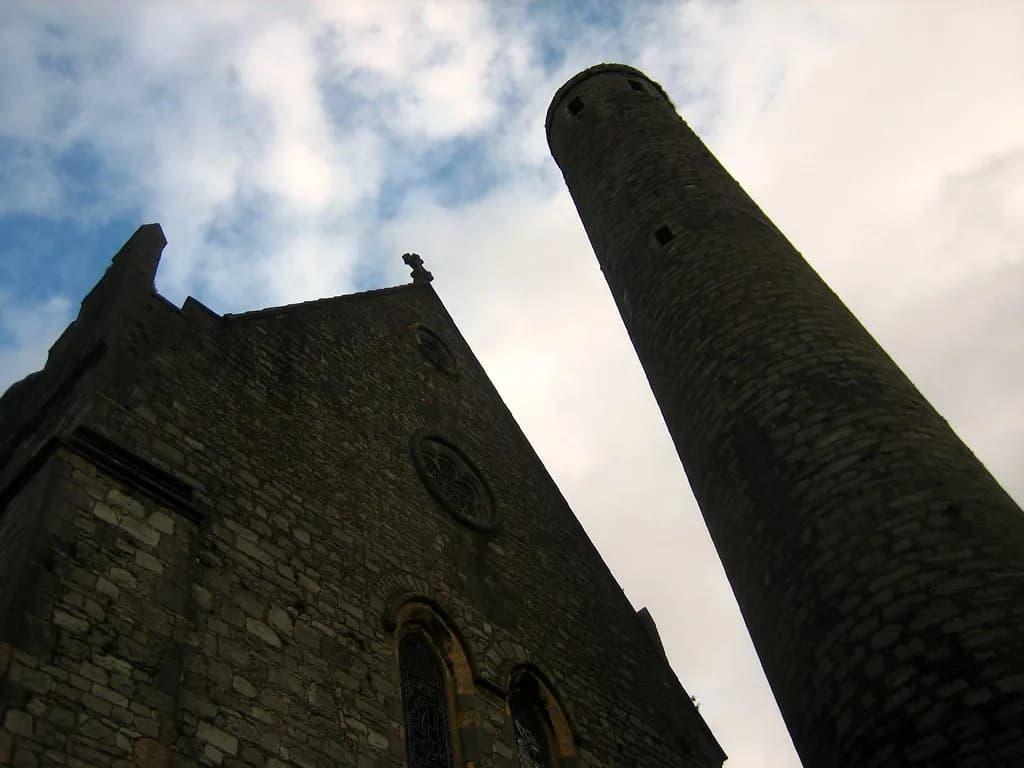
Fáilte Ireland notes that once you leave the castle grounds you are in the heart of Kilkenny city, with a Medieval Mile stretching from the castle to St Canice's Cathedral. The cathedral's round tower is described as the oldest standing structure in Kilkenny today.
The same stretch brings you past Rothe House, a sixteenth-century merchant's townhouse turned museum, and Kyteler's Inn, a pub that Fáilte Ireland links to Dame Alice Kyteler, who was accused of witchcraft and fled to England.
If you would rather follow a structured route than improvise, a self-directed walking tour of the medieval core is the most efficient way to connect the castle, the cathedral and the merchant houses in one loop.
Reading the Wider Castle Landscape
Beyond the city, various named castle sites appear in community route listings, from tower houses to fragments and substantial ruins. What a community platform does not do is establish who owns a site or whether you may enter it, so a name on a map is not an invitation.
Treat every one of them as unverified until you have confirmation from a landowner, a heritage body, or a published visitor page. Ringing ahead or checking a local heritage listing is far cheaper than driving to a locked gate.
If your interest extends to castles well beyond this county, a broader national overview of castles in ireland helps you see how Kilkenny fits into the wider picture of Irish fortification.
Beyond Kilkenny Castle: Other Castles Fit for a Heritage Day
Travellers who have finished with the Butler seat often ask where else in the county to take an interest in fortified heritage, and Kilkenny rewards a wider look. Among the county's castles, the sources describe Foulksrath Castle as a well-preserved 14th-century Anglo-Norman tower house that is privately owned, so access is limited and it is best regarded as a view of a medieval fortress from outside. Shankill Castle is described as combining a 13th-century tower house with 18th-century elegance and gardens, showing how a defensive structure can evolve into something closer to a residence. Ballyragget Castle is cited for its tower house and bawn, giving a glimpse of medieval defensive architecture. Danesfort Castle is described as a medieval fortified residence, partially ruined but retaining key medieval features, and as a quieter, less-crowded alternative to the larger sites.
For a blend of history and outdoor activity, Castlecomer Castle is described as sitting near the Castlecomer Discovery Park, which has adventure activities and a coal mining museum and makes a diverse destination for all ages. Those willing to seek out quieter fragments can look to minor ruins such as Grannagh Castle, Burnchurch Castle and the remarkably intact Clara Castle, which offer unique, less-visited insights into the region's history. The variety is the point: strong Norman fortresses, medieval tower houses with battlements and bawns, and a Queen Anne-style residence with Gothic additions together give a comprehensive look at Ireland's architectural past.
Outdoor time need not be confined to castle walls. Walking routes include the 'Kilkenny historical loop' and the 'Canal Walk via Kilkenny Castle Park', while cyclists can follow options such as the 'Kilkenny, Kells Priory & Bennettsbridge loop' or the 'Kilkenny Castle – View of River Nore loop'. These are ways of reading the landscape around the fortifications rather than simply ticking off interiors. Within the city, the medieval centre is described as well preserved, with Kilkenny Castle, St. Canice's Cathedral and Rothe House as landmarks, and the streets are lined with traditional Irish pubs, shops and restaurants. The town's craft reputation is noted in its community of artisans and the Kilkenny Design Centre; a Silversmith Workshop is described as tucked away in the heart of the city, where skilled silversmiths practise their craft and create unique pieces reflecting the heritage of the medieval city.
Culture fills the calendar as well as the streets. Kilkenny has a noted connection to hurling, with its county team described as one of the best in the country, and it hosts cultural events through the year, including the Kilkenny Arts Festival and the Cat Laughs Comedy Festival, which draw artists and visitors from around the world. For families, several castles and their surroundings are described as working well: Kilkenny Castle is noted as highly family-friendly, with extensive parklands containing a playground and orienteering trails, and children can observe artisans at work at the Silversmith Workshop. Interior access at many castles is typically restricted for dogs, but the parklands around Kilkenny Castle are generally described as dog-friendly provided dogs are kept on a leash; regulations can vary at privately owned castles and smaller ruins, so check before you go. A day built around the county's other towers and houses, then, can combine architecture, craft, sport and festival atmosphere without ever leaving Kilkenny.
Plan Your Visit
Build the day around Kilkenny Castle: check the operator's seasonal hours and last admission before you travel, decide between guided and self-guided, and buy through official channels only. Then leave time for the free parkland and the walk into the medieval streets beyond the gates.
For everything else called a castle in the county, verify access first and plan around confirmed openings rather than assumptions. One well-documented castle plus a walkable historic core is a full visit; the ruins can wait until someone confirms the gate is open.
Explore more Kilkenny guides
Frequently Asked Questions
Is Kilkenny Castle the only castle to visit in Kilkenny?
It is the one castle in the county for which this guide found access rules, seasons and ticket categories published by a named operator, the Office of Public Works through Heritage Ireland. Other castle names around the county appear in community route listings, but those listings do not establish ownership or public entry, so verify independently before travelling to any of them.
How long should I allow for Kilkenny Castle and its grounds?
Fáilte Ireland suggests about an hour for the castle interior and more if you want to explore the grounds. Add time for the walk into the city centre afterwards, and check the parkland hours for the month you visit, since they differ from the interior times.
Should I book a guided tour or visit Kilkenny Castle self-guided?
The operator publishes both self-guided and guided categories, and self-guided visitors can use an audio guide available in several languages. Guided suits travellers who want the rooms explained in sequence; self-guided suits those who prefer to linger in the Picture Gallery. Check current prices by category on the operator's own admission section.
Is the parkland at Kilkenny Castle free to walk in?
Fáilte Ireland states that entry to the park and gardens is free, while there is a charge for the castle itself. The parkland also stays open during the dated filming closure of the interior in early November 2026, so an estate walk remains possible then.
Can I visit the other castles named around County Kilkenny?
Do not assume so. Community route platforms list several named sites in the county, but they do not publish access rights, ownership or opening arrangements. Confirm with the landowner, a heritage body or a current visitor page before making a journey to any of them.
Sources
You might also like
Continue reading
More guides you'll find useful