Museums in Limerick: A Guide to the City's Core Collections
Three Limerick museums, three distinct collections: a city museum, a Georgian townhouse and the Hunt's encyclopaedic holdings. Here is what to see and when.
On this page
Limerick's museum scene rewards a little planning, because the three venues covered here are quite different institutions with different collections and different rhythms. Limerick Museum is the city's own museum, the People's Museum of Limerick occupies a Georgian townhouse, and the Hunt Museum fills the Custom House on Rutland Street with one of Ireland's greatest private collections of art and antiquities. Knowing which is which prevents the most common confusion: Limerick Museum and the People's Museum are not the same place.
The city sits on the banks of the River Shannon and is known for its Georgian architecture and museums, which makes a museum-focused day easy to assemble on foot. The People's Museum and the Hunt Museum both publish Monday as a closed day, so the shape of your week matters as much as your interests. Check published times shortly before you travel, since the operators' own pages are the final word.
Quick Comparison: Three Museums, Three Purposes
Limerick Museum tells the story of the city and county through objects, from Stone Age axes to medieval coins. The People's Museum interprets Limerick's past inside a Georgian townhouse, moving from Viking settlement through the medieval walled town to the elegant Georgian centre. The Hunt Museum exhibits a private collection of art and antiquities spanning the Neolithic to the 20th century.
The practical difference is scope. Limerick Museum is a civic collection built around the city's own story, while the Hunt is encyclopaedic and international in reach, reflecting the tastes of two collectors. The People's Museum sits between the two, using one building to narrate the city's long development. If you have time for only one, choose by whether you want local civic history, a broad art-and-antiquities collection, or an architectural setting with a guided walk.
Limerick Museum: A City Collection With a Long History
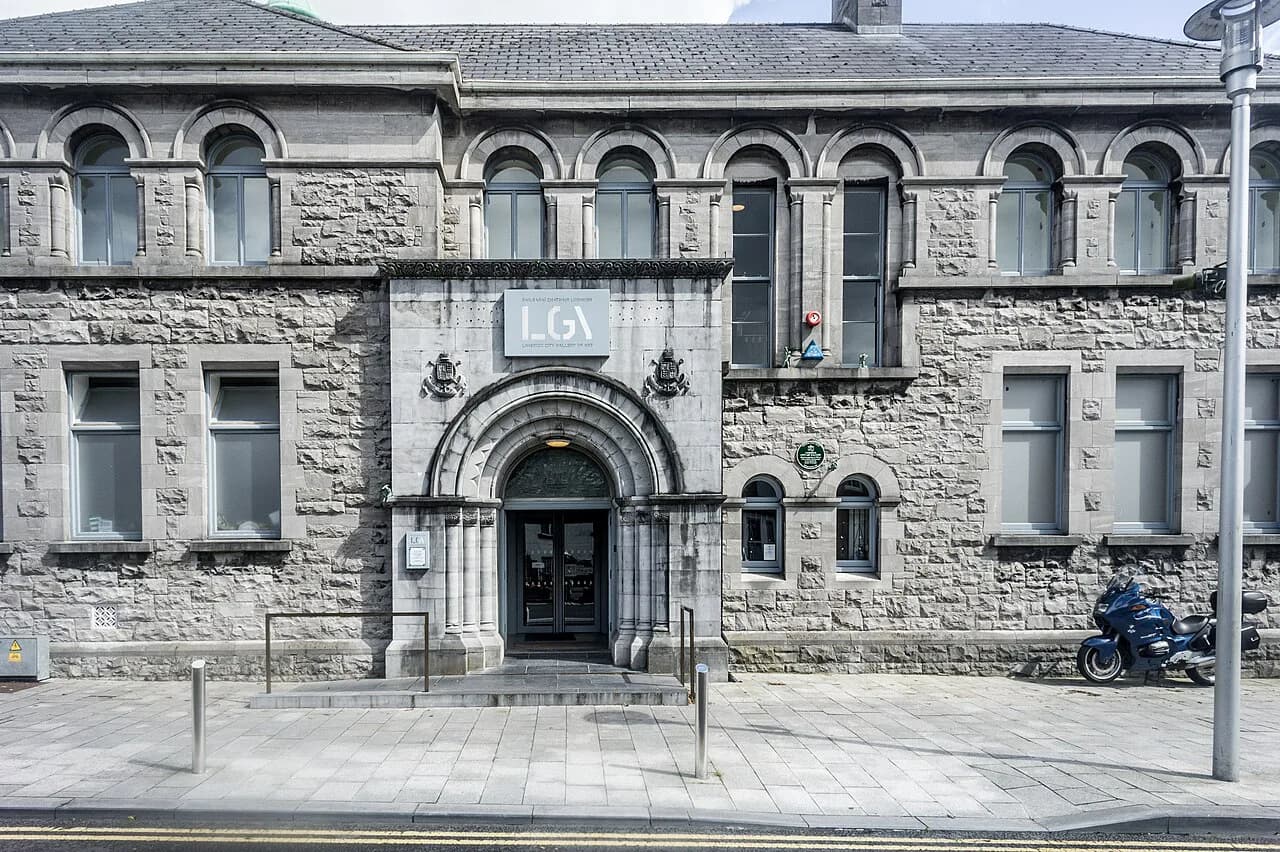
Limerick Museum was founded in 1906 and opened to the public in 1916, originally housed in the City Library in the Carnegie Building on Pery Square, with the librarian serving as curator. It closed between 1974 and 1979, reopened in St John's Square, moved to Castle Lane in 1998, and later occupied Istabraq Hall in Merchant's Quay. On 30 May 2017 it settled into the former Franciscan Friary on Henry Street in the heart of the city centre.
The museum is dedicated to the memory of Jim Kemmy, the former Democratic Socialist Party and Labour Party TD for Limerick East and twice Mayor of Limerick. That dedication gives the collection a political and social framing worth knowing before you walk in, because the objects are presented as evidence of a city's civic life rather than as decorative art. The Henry Street location places it within easy reach of the city centre's other historic sights.
Inside the Limerick Museum Collection
The collection runs from Stone Age axes and medieval coins to the civic sword of Queen Elizabeth I and medals presented to veterans of the 1916 Rising. Among the more unusual holdings are Ireton's Cat, a mummified cat found on Nicholas Street in the 1890s, a fragment of the largest meteorite to fall in Ireland in 1813, and two World War II gas masks that were never needed. These curiosities sit alongside the civic material, giving the displays an appealing range.
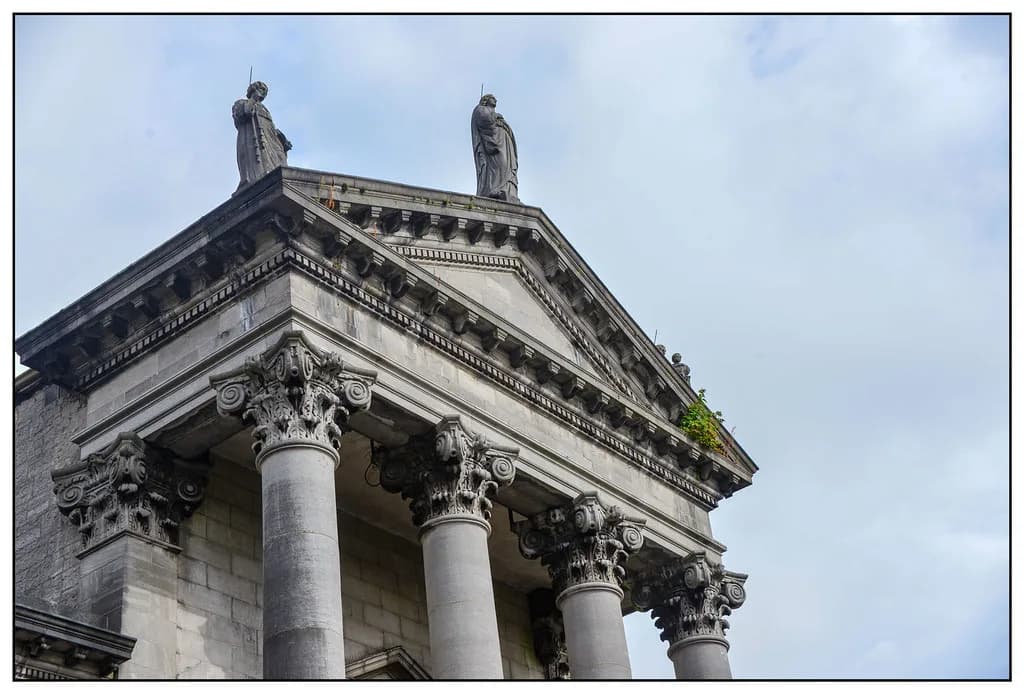
Limerick Museum's postcard archive is described, on a Limerick Museum-commissioned online exhibition page, as probably the largest collection of Limerick-related postcards in existence. That same page underpinned a 2023 exhibition curated by Dr Zara Power that ran at Saint Mary's Cathedral from August to November of that year. That cathedral show has passed, but the collection it drew on remains part of the museum's holdings and illustrates how ordinary printed material becomes historical evidence.
The same exhibition page traces the city's origins to Viking settlement on the island of Inis Sibhton roughly 1,100 years before 2023, on the spot where the cathedral now stands. Reading that background before a visit makes the museum's medieval material legible rather than a cabinet of disconnected finds. The cathedral itself pairs naturally with a museum day, and its fabric and history are covered separately in our guide to Limerick churches.
The People's Museum of Limerick
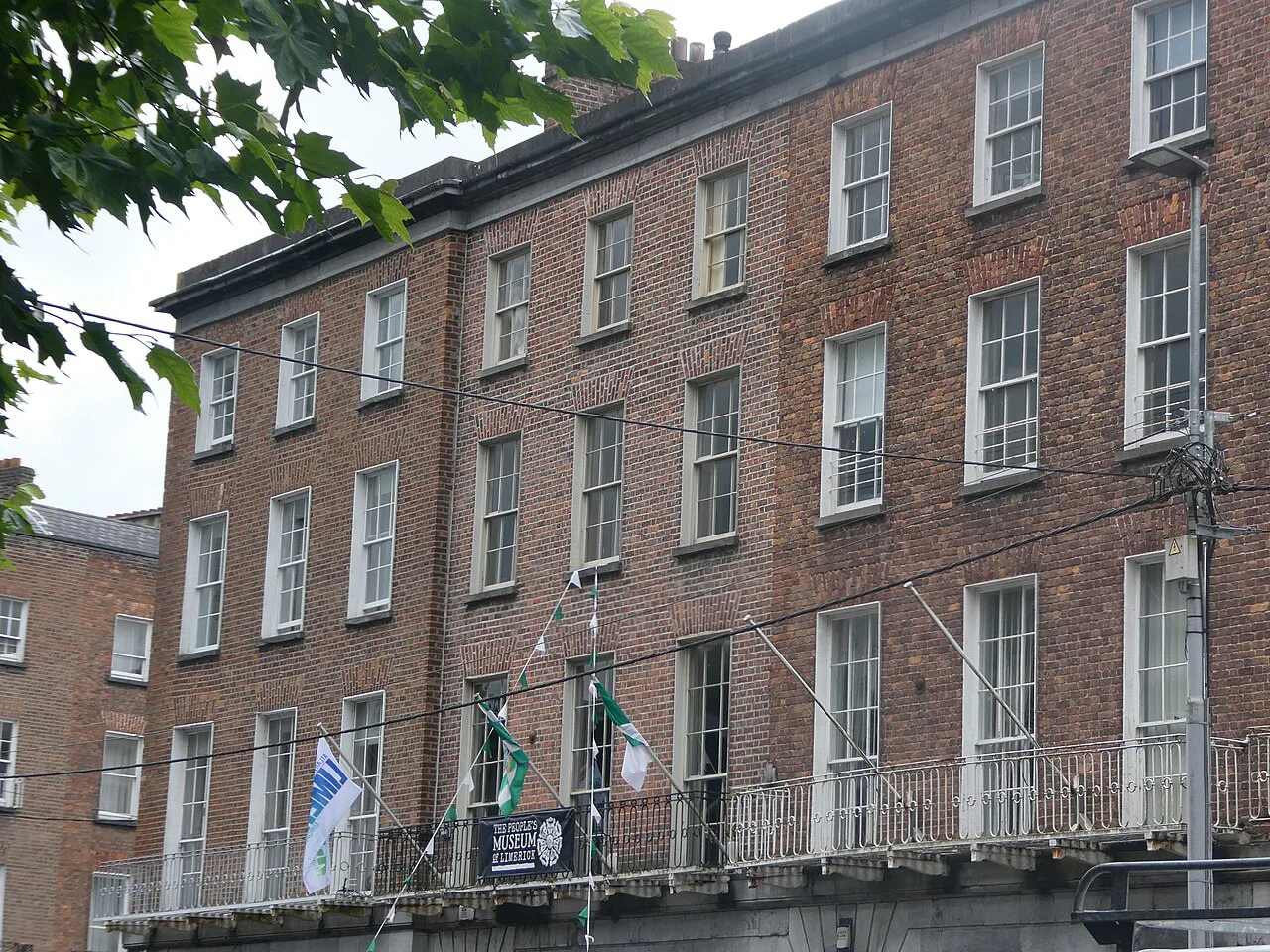
The People's Museum of Limerick occupies a Georgian townhouse and uses it to tell the story of the city, from Viking settlement to a medieval walled town and on to an elegant Georgian centre. Its interpretation emphasises the lives and characters that shaped Limerick, along with the social, political and cultural forces behind the city's development, including its military history. The building itself frames the story of Georgian Limerick in a way a modern gallery cannot.
The operator lists house tours, walking tours and group tours, with the walking format extending the visit beyond the building into the streets the museum interprets. Specific routes, durations and prices are not set out in the published material reviewed here, so ask directly when booking rather than assuming a fixed schedule. The museum also hires out its coach house and garden for events; if either is central to your plans, enquire ahead.
Planning a People's Museum Visit
The museum publishes its opening times as Monday closed, Tuesday to Saturday 10am to 4pm and Sunday 12pm to 4pm. Those times were recorded from the operator's website on 22 October 2026 and are its own statement, so confirm them closer to your visit, particularly around public holidays. Monday closure is the single most useful fact for scheduling, since it removes one day from a short stay.
Because the museum is a townhouse rather than a purpose-built gallery, expect a more domestic scale than the Hunt's exhibition spaces. If walking tours interest you, confirm availability in advance; the operator lists them but does not publish frequency, route or duration. Pairing the museum with a wider walk through the Georgian quarter makes sense given how directly its interpretation addresses the city's streetscape.
The Hunt Museum at the Custom House
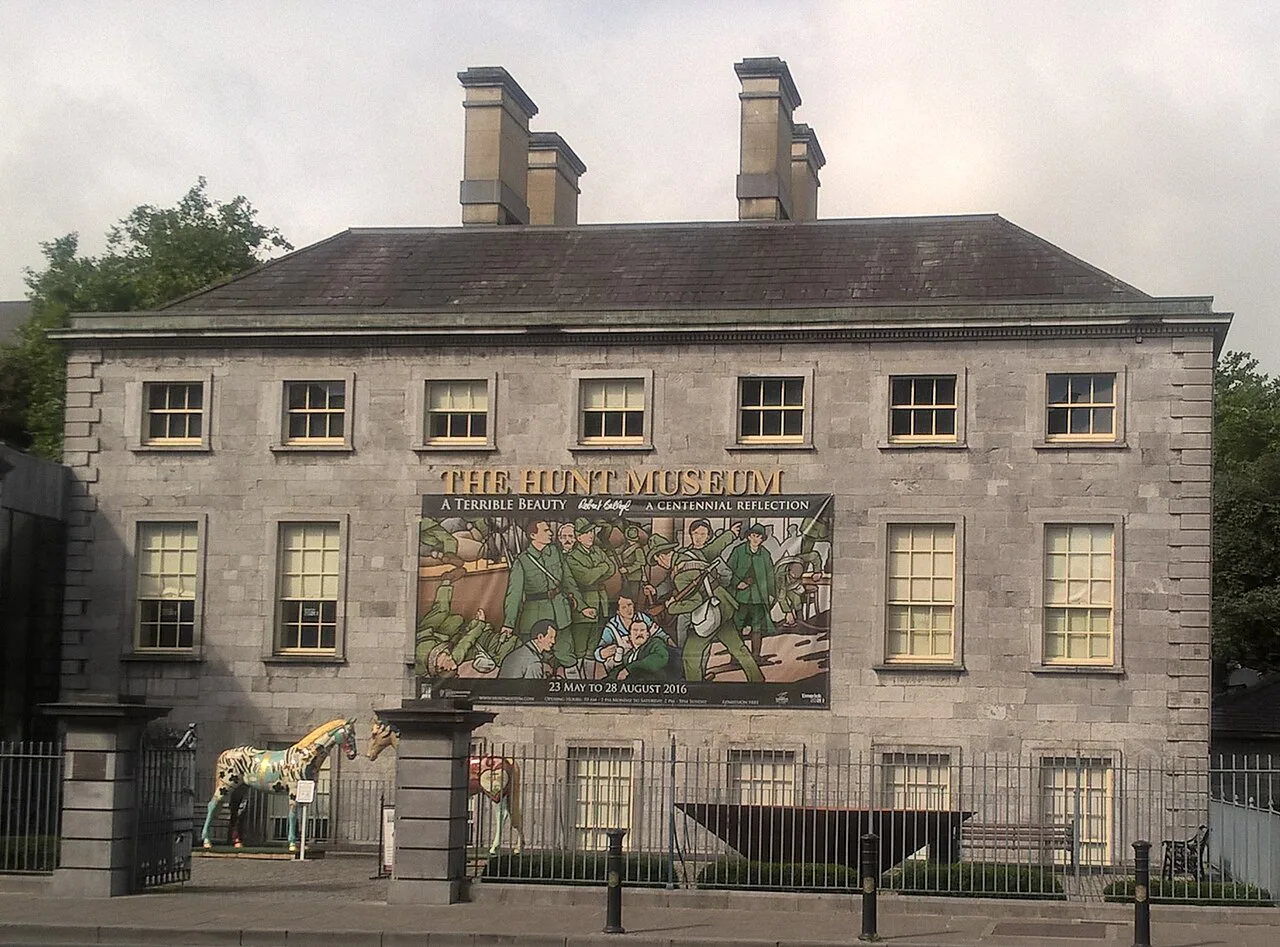
The Hunt Museum is housed in the Custom House on Rutland Street and displays one of Ireland's greatest private collections of art and antiquities, dating from the Neolithic to the 20th century. It reflects the diverse tastes of John and Gertrude Hunt, the couple who formed the collection, which is why Greek, Roman, Egyptian and Olmec artefacts appear alongside Irish archaeological material. That range is the museum's defining characteristic and the reason it rewards a slower visit than its size might suggest.
The Irish archaeological holdings run from Neolithic flints and Bronze Age material, including a shield and cauldron, to later Christian objects such as the 9th-century Antrim Cross. Medieval material is a particular strength, with stone and wood statues, painted panels, jewellery, enamels, ivories, ceramics, crystal and crucifixes. Eighteenth- and 19th-century decorative arts are represented through silver, glass and ceramics.
Art and Temporary Exhibitions at the Hunt
The collection includes works by Pablo Picasso, Pierre Auguste Renoir, Roderic O'Conor, Jack B. Yeats, Robert Fagan and Henry Moore, a roster that surprises visitors expecting a purely archaeological museum. These paintings sit within the same building and the same collecting story as the antiquities, so treating the Hunt as either an art gallery or a museum of antiquities misses half of it. Our fuller profile of the Hunt Museum covers its rooms in more detail.
A purpose-built exhibition gallery hosts temporary shows drawn from public institutions and private collections, so what is on view changes through the year. The council listing reviewed here names seasonal events rather than a fixed exhibition calendar, so check the museum's current programme before travelling if a specific show is your reason for visiting. The same listing also notes a café and a gift shop at the Hunt.
Opening Times, Admission and the Discover Limerick Pass
The Hunt Museum publishes opening hours of Tuesday to Saturday 10am to 5pm and Sunday 11am to 5pm, closed Monday, with adult admission listed at €10. These details were recorded from Limerick City and County Council's tourism listing on 22 October 2026, so verify them before you go rather than treating them as fixed. Note that the Hunt's Monday closure matches the People's Museum's, which leaves Tuesday to Sunday for museum visits.
The Discover Limerick Pass is the official sightseeing pass for the city and region, sold in one-, two- and three-day versions and downloadable to a smartphone. It gives free entry to included attractions, and the pass page names King John's Castle, the Hunt Museum, the People's Museum and Saint Mary's Cathedral among them. Whether it suits you depends on how many included sites you actually visit.
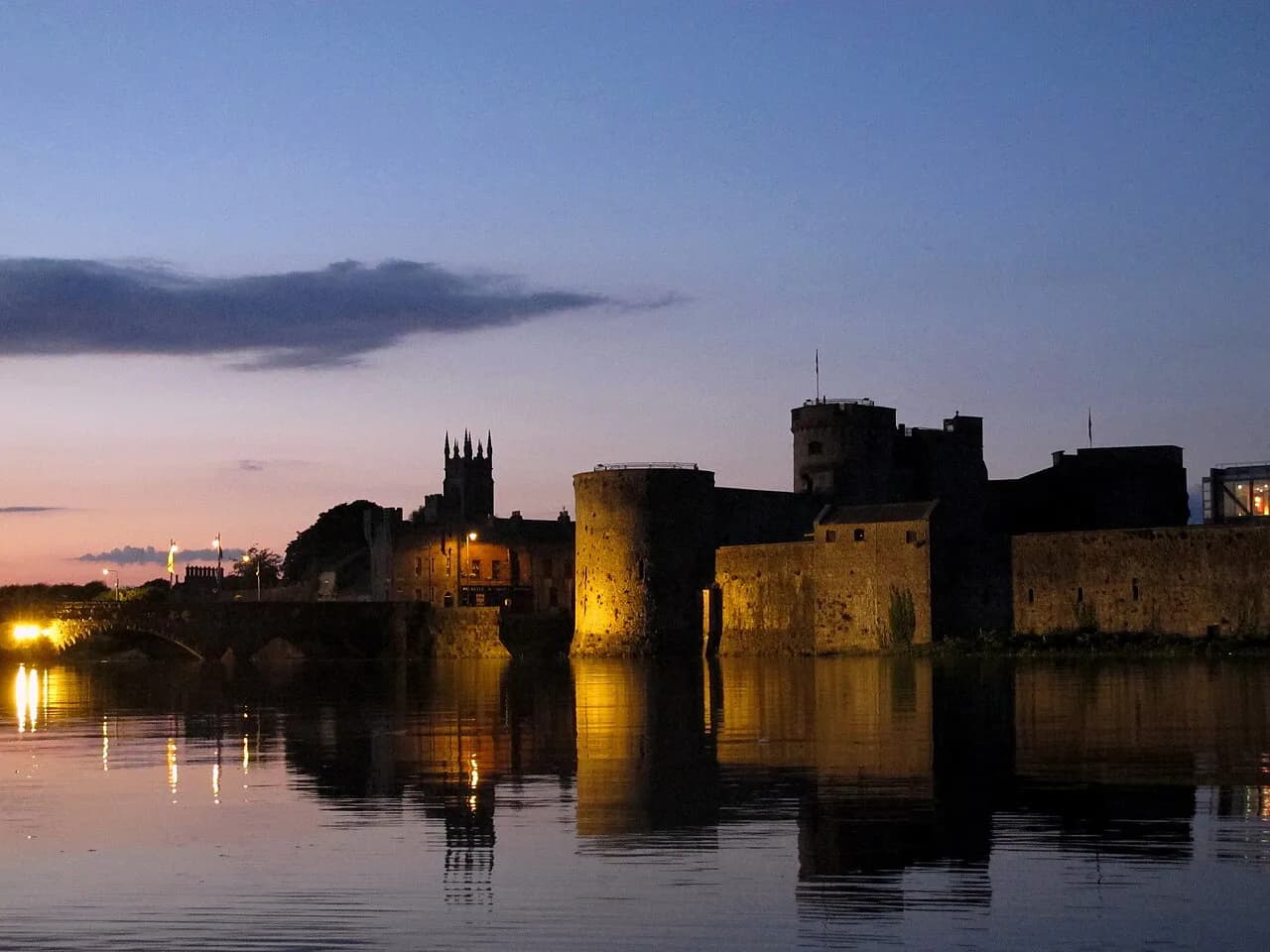
If castles are part of your plan, King John's Castle is included in that pass list and sits close to the medieval core the museums interpret. The city's castle heritage gives useful outdoor context between indoor collections.
Choosing Between Them and Checking Ahead
The sources reviewed here give Limerick Museum's history and collection but no verified current hours, admission or facilities. Rather than guess, contact the museum directly or check its own listings before making it the anchor of a day. Its Henry Street address in the former Franciscan Friary is confirmed, so you can at least plan the location confidently.
For a short stay, the practical sequence is to use Tuesday to Sunday for the Hunt and the People's Museum, and to treat Monday as a day for outdoor heritage such as castles and churches. Interest should decide the rest: civic and local history at Limerick Museum, a building-led narrative and walking tours at the People's Museum, and international art and antiquities at the Hunt. Two of the three can comfortably share a day if you start early.
Plan Your Museum Day in Limerick
Treat the three museums as complements rather than substitutes: Limerick Museum for the city's civic collection, the People's Museum for its Georgian setting and walking tours, and the Hunt for a private collection that ranges from Neolithic flints to Picasso. Confirm published times close to your visit, especially the Monday closures at the People's Museum and the Hunt, and check Limerick Museum's own published information since its current visitor details are not confirmed here.
If you are building a wider itinerary, the city's churches and castles give the collections their physical context. Our museums in Ireland hub sets Limerick's institutions alongside guides to other Irish cities. For another heritage guide, read about Limerick Walking Tour.
Explore more Limerick guides
Frequently Asked Questions
What museums are in Limerick city?
Three venues are covered here: Limerick Museum on Henry Street, the People's Museum of Limerick in a Georgian townhouse, and the Hunt Museum at the Custom House on Rutland Street. This is not a complete inventory of every museum in the city, only institutions with published information about their collections.
Is Limerick Museum the same as the People's Museum?
No. Limerick Museum is the city's own museum, founded in 1906 and housed since 2017 in the former Franciscan Friary on Henry Street. The People's Museum of Limerick is a separate institution occupying a Georgian townhouse, and it interprets the city's history from Viking settlement through the medieval and Georgian periods.
What can you see at Limerick Museum?
The collection spans Stone Age axes, medieval coins, the civic sword of Queen Elizabeth I and medals from the 1916 Rising. Curiosities include Ireton's Cat, a mummified cat found on Nicholas Street in the 1890s, a fragment of the largest meteorite to fall in Ireland in 1813, and two unused World War II gas masks. The museum is dedicated to the memory of Jim Kemmy.
What is in the Hunt Museum collection?
The Hunt Museum holds a private collection formed by John and Gertrude Hunt, ranging from Neolithic material to 20th-century art. Highlights include Greek, Roman, Egyptian and Olmec artefacts, Irish archaeological finds such as a Bronze Age shield and cauldron and the 9th-century Antrim Cross, medieval sculpture and decorative arts, and works by Picasso, Renoir, O'Conor, Yeats and Moore.
Are Limerick museums open on Mondays?
The People's Museum publishes Monday as closed, and the Hunt Museum also closes on Mondays. Limerick Museum's current opening days are not confirmed in the sources reviewed here, so check directly with the museum before planning a Monday visit.
Does the Discover Limerick Pass include Limerick museums?
The official Discover Limerick Pass is sold in one-, two- and three-day versions and gives entry to included attractions. The pass page names the Hunt Museum, the People's Museum, King John's Castle and Saint Mary's Cathedral among them, but it does not list every museum in the city, so check the full list before buying.
Sources
You might also like
Continue reading
More guides you'll find useful