Museums in Galway City: Two Places Worth Your Time
Museums in Galway city range from the civic collection beside the Spanish Arch to a booked technology museum in Dangan. Here is how each one works.
On this page
For museums in Galway city, plan around two distinct places: Galway City Museum at Spanish Parade, which holds the city's civic collection beside the Spanish Arch, and the Computer and Communications Museum of Ireland, a University of Galway facility in Dangan that focuses on technology across the decades. One needs no booking; the other is arranged in advance through its curator.
This guide stays within the city and does not claim to cover every museum in County Galway. It concentrates on what a visitor can actually see and arrange, so you can decide whether to spend a morning at the civic museum, travel out to Dangan, or split the day between both.
Galway City Museum: The Civic Collection by the Spanish Arch
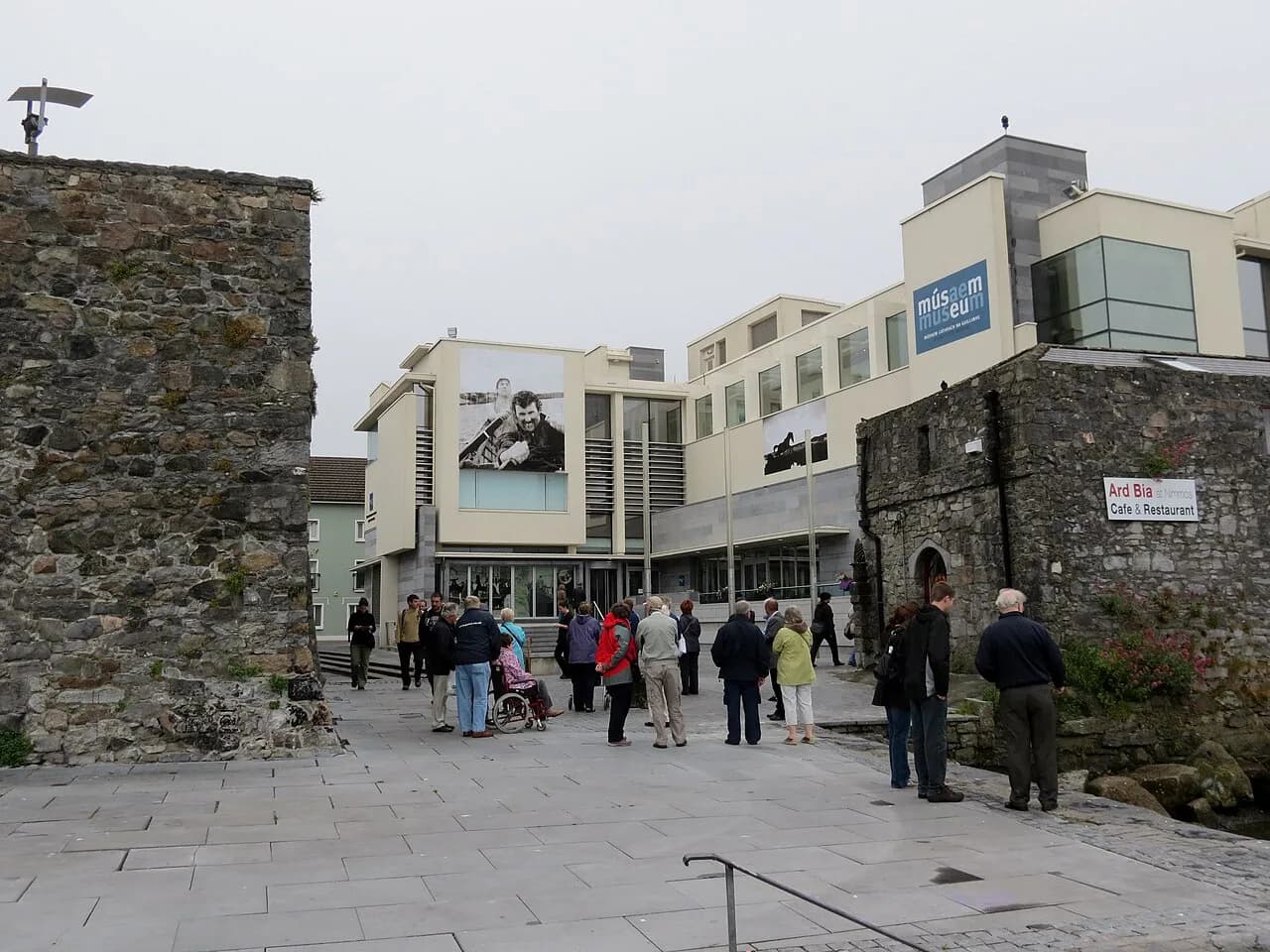
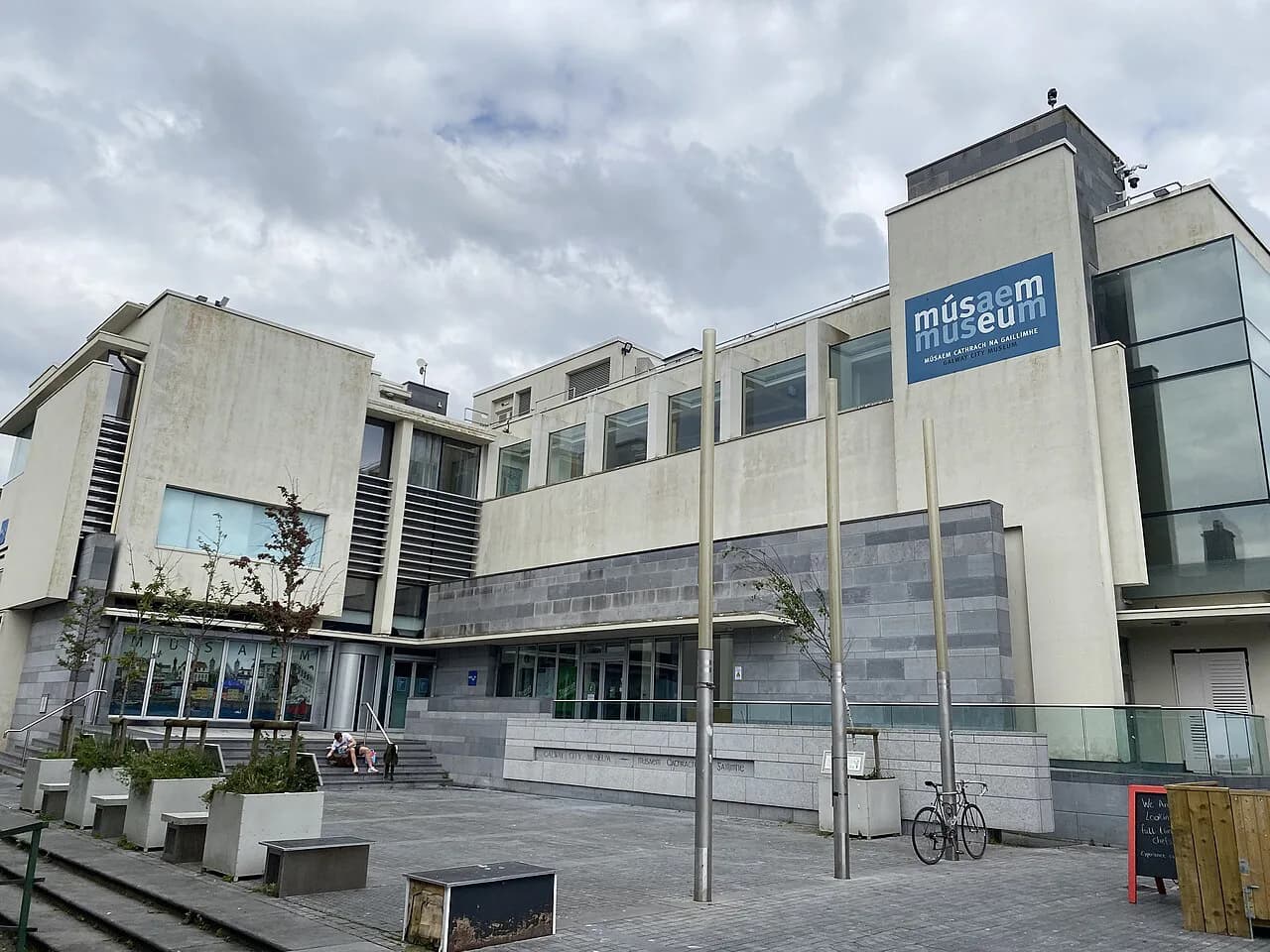
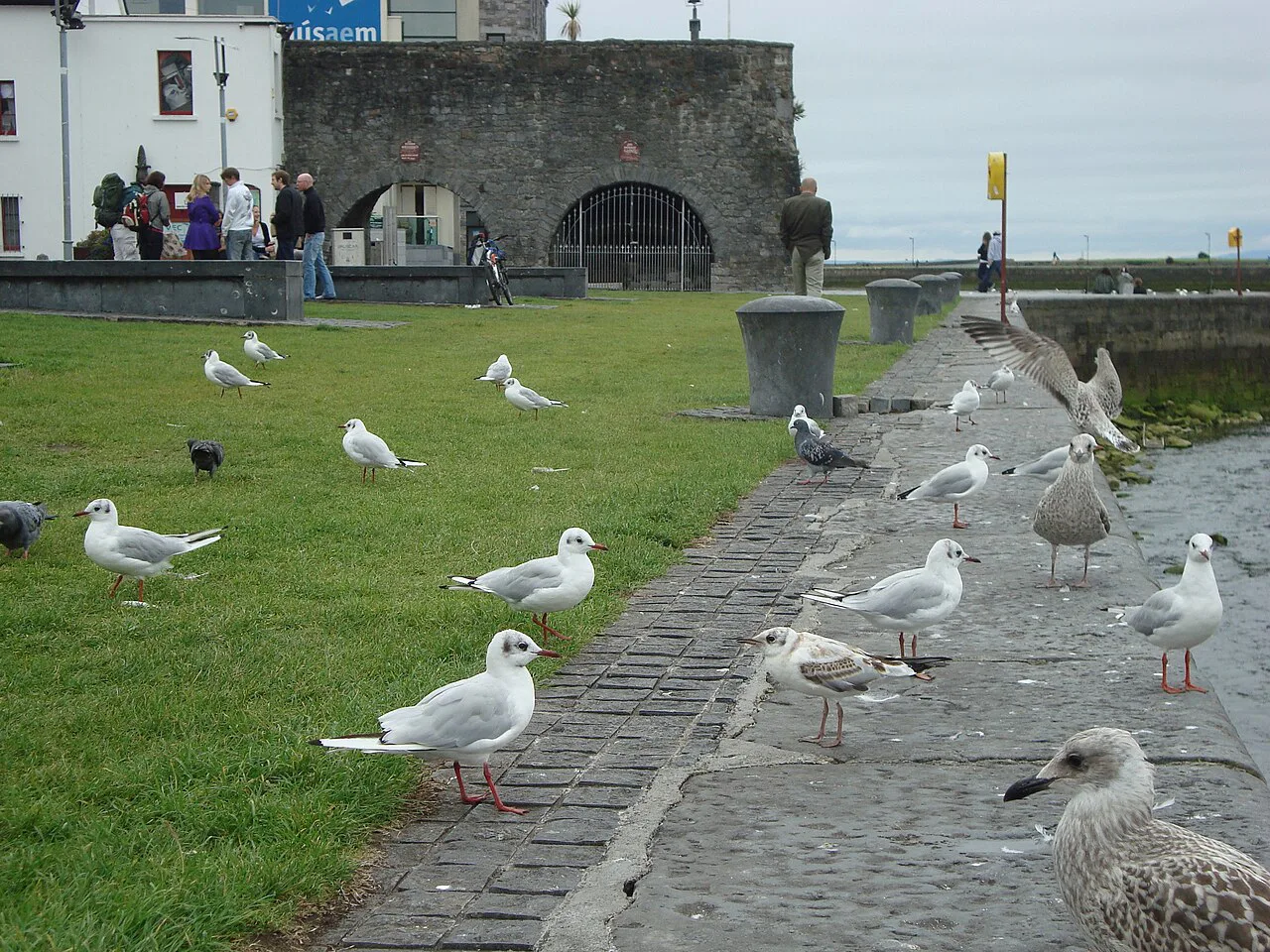
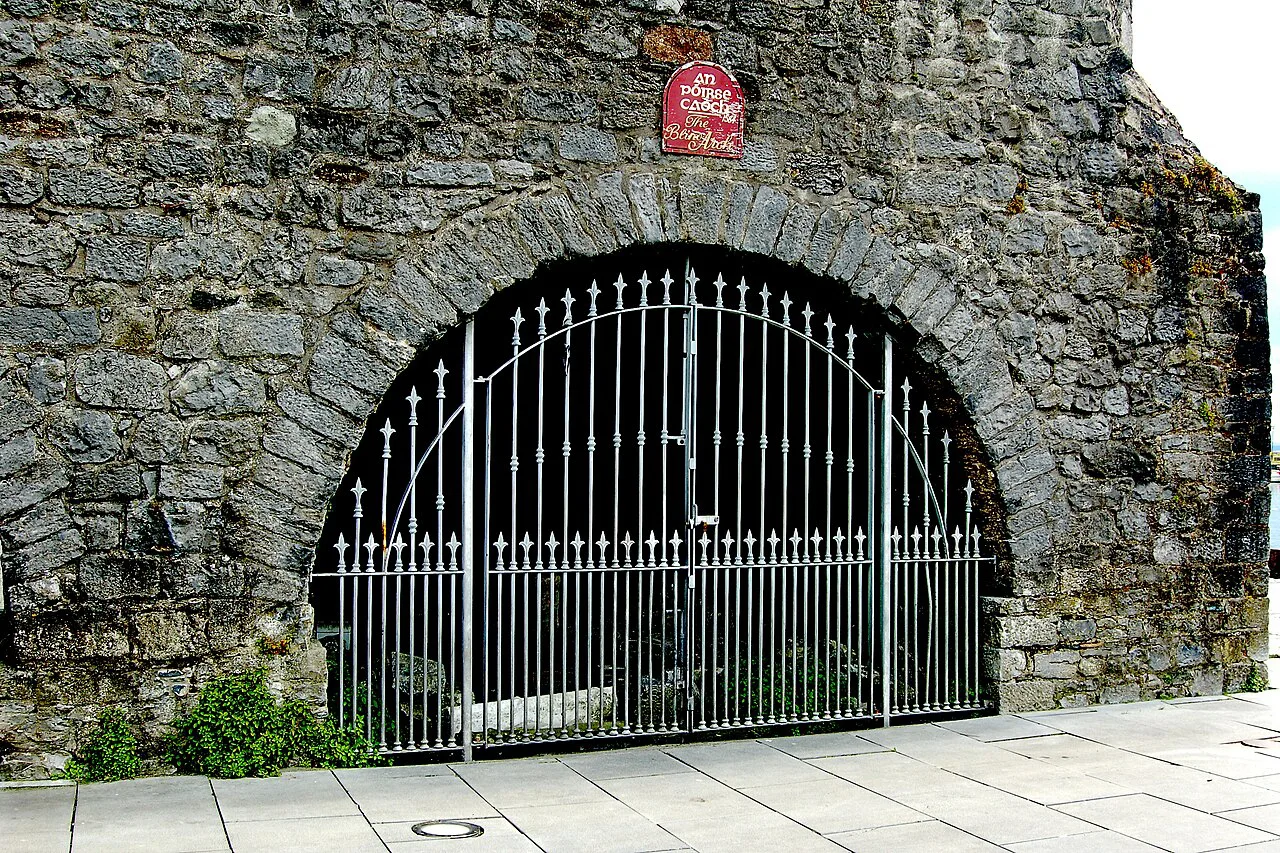
Galway City Museum occupies a purpose-built building at Spanish Parade, and visitors reach the courtyard through the Spanish Arch alongside some of the best surviving stretches of the city's medieval town wall. The setting places the collection literally at the old edge of the town, which makes it a sensible anchor for a walk through the historic centre. Three floors of galleries hold exhibitions on Galway's cultural landscape and its long relationship with the sea.
If your trip is built around a wider route through the centre, a guided walk can help you place the museum's setting in context before you go inside. A galway walking tour that covers the medieval streets around the arch complements the collection rather than replacing it, so pair the two rather than choosing one over the other.
From Comerford House to a Purpose-Built Museum
The city's first museum opened in 1971 in Comerford House beside the Spanish Arch, a building once home to the artist Clare Sheridan, and it began with a residual collection of medieval stones she had acquired from the city. That original museum closed in 2004, and the new purpose-built building near Comerford House was officially opened in April 2007. The Office of Public Works designed it as a Galway City Council initiative to strengthen the city's cultural and heritage life.
Knowing this history changes how you read the displays: the museum is a young institution carrying a much older collection, and its remit is explicitly to collect, preserve and display the material heritage of Galway. For broader context on how the city developed around this material, a primer on galway history is a useful companion before or after the visit.
What the Collection Covers
The museum holds over 1,000 objects, most of them donated by the people of Galway, with part of the collection on display and the remainder kept in reserve storage. Its collecting remit is Galway City and its people, covering objects made, used, owned or found there. Thematic areas the museum sets out run from prehistoric Galway through medieval and post-medieval material to the First World War, the 1916 Rising, the writer Pádraic Ó Conaire and the nineteenth and twentieth centuries.
In 2010 the museum received designated status under the National Cultural Institutions Act 1997, which means it is legally entitled to retain archaeological objects on behalf of the State. That status matters to visitors because it signals that stray finds from the Galway area belong in this building rather than being dispersed.
Objects to Look For
Two objects give the museum its popular identity. One is the original statue of the writer Pádraic Ó Conaire, and the other is a traditional Galway Hooker, the Máirtín Oliver, a sailing vessel that ties the galleries to the city's sea trade and fishing culture. Neither needs embellishment: they are the kind of concrete anchors that help a first-time visitor navigate three floors without trying to absorb everything.
Beyond those, the museum runs a changing programme of tours, talks and workshops alongside its permanent displays, so it is worth checking what is scheduled during your dates rather than assuming the galleries will look the same as on a previous trip. If you want to extend an indoor morning into a visual afternoon, the city's art galleries offer a natural counterpart to a history-heavy collection.
Guided Tours and How to Book Them
Guided tours are free, with a contribution to the donation box appreciated, but they must be booked in advance and depend on staff availability. The general tour runs 45 to 60 minutes and introduces the museum, its surroundings and key objects in the collection, with questions encouraged. A short 20-minute option gives the background and an overview of current exhibitions, while a 30-minute tailored tour can be arranged with advance notice if you have a specific interest.
Groups that prefer to wander without a guide can still visit, but the museum asks to be told in advance. School and other large groups are split into smaller parties, a teacher or leader stays with each group, and food and drink are not permitted in the galleries, though the open courtyard by the Spanish Arch can be used in good weather. There is no lunch room on site, so plan meals elsewhere.
Opening Times, Admission and Getting There
The museum opens Tuesday to Saturday from 10am to 5pm, with Sunday opening from 12pm to 5pm between Easter and mid-September only; galleries close at 4:45pm each day. Admission is free with no booking required and a suggested donation of €5, and the museum is closed on Christmas Day, St Stephen's Day, St Patrick's Day and Good Friday. Because Sunday hours are seasonal, check the operator page before a Sunday visit outside the summer window.
The address is Spanish Parade, Galway H91 CX5P. Paid parking is available at the Jury's Inn carpark across from the museum and on Merchant's Road, city buses serve Spanish Parade, and there is a passenger drop-off area there. Coming from Eyre Square, the walk down through the old streets takes you close to the arch without any detour.
Access and Family Logistics
The building is fully accessible, with lifts, ramps and wide doors, and pushchairs can be taken around the galleries. Accessible parking spaces are available at the Jury's Inn carpark and on Merchant's Road, and accessible toilets are on the ground floor. Baby changing facilities are available in some of the museum's toilets, so ask at reception if you need to locate them quickly.
Children are actively catered for: activity and colouring sheets are available from reception, pencils can be borrowed, and the museum publishes downloadable sheets in English and Irish for a range of ages. Staff also offer a walking trail, The Corrib, Myth, Legend & Folklore, which extends a visit beyond the museum walls; treat any legendary material in it as legend rather than documented history.
The Computer and Communications Museum of Ireland in Dangan
The second museum is a separate institution run from the University of Galway. It occupies the first floor of the Insight Centre for Data Analytics in the IDA Business Park at Dangan, away from the historic centre. Here you can see early radios and iconic computers and try vintage games, including Space Invaders and Pacman; the operator describes it as a technology, heritage and education facility that appeals to both children and adults.
Its opening hours vary weekly depending on festivals and tour events, so there are no fixed daily hours to plan around. Visits are arranged by booking through the curator, Brendan Smith, whose contact address is published on the university page. The museum is accessible by lift, which matters given its first-floor location.
How to Choose Between the Two
Choose Galway City Museum if you want the city's own story, an easy no-booking arrival and a location that slots into a walk through the medieval centre; choose the Dangan museum if computing and communications history is the draw and you are willing to plan around a booked visit and variable hours. The trade-off is straightforward: the civic museum is flexible but broad, while the technology museum is specific but less spontaneous.
Combining both in one day is possible but not tidy. Do the city museum in the morning near the arch, then travel out to Dangan for an afternoon slot you have confirmed in advance, rather than leaving the booking to chance. If your interests run to other Irish cities, comparable guides to museums in cork and museums in limerick show how different collections frame their own places.
After the Museum: Walking Context
The museum's position gives you a ready-made route. Step out to the Spanish Arch and the surviving town wall, then follow the Corrib's channels through the centre; the museum's own trail leaflet, available at reception, is designed for this purpose. Pairing the galleries with that walk means the medieval stones and the sea exhibits have somewhere physical to attach themselves.
Architecture-minded visitors can extend the day by looking at how the purpose-built museum sits against older fabric around the arch. A guide to galway architecture helps you read the mixture of medieval remnant and modern civic building without guessing at dates.
Plan Your Visit
Two decisions shape a museum day in Galway: whether to book a guided tour at the city museum, which costs nothing but needs advance arrangement, and whether to commit to the trip out to Dangan for a scheduled visit. Settle both before you travel, and check the seasonal Sunday hours and the university museum's variable opening times closer to your date.
With those settled, the rest is simple: the civic collection at Spanish Parade takes no booking and sits at the heart of the old town, making it the easiest place to start. For related reading, explore bookshops in galway.
Explore more Galway guides
Frequently Asked Questions
What museums can you visit in Galway city?
Galway City Museum at Spanish Parade holds the city's civic collection and is free to enter without booking. The Computer and Communications Museum of Ireland, run from the University of Galway, occupies the first floor of the Insight Centre for Data Analytics in the IDA Business Park at Dangan and requires a visit arranged through its curator. Other museums exist elsewhere in the county; this guide covers these two city experiences only.
Is Galway City Museum free to enter?
Yes. The museum states that admission is free, that no booking is required, and that a donation of five euro is suggested. Guided tours are also free, though a contribution to the donation box is appreciated and tours must be booked ahead.
Do you need to book a tour at Galway City Museum?
Yes. All guided tours must be booked in advance and are subject to staff availability. Walk-in visits to the galleries need no booking, but groups who prefer to go self-guided should let the museum know they are coming.
How long does a guided tour of Galway City Museum take?
There are three formats. The general tour lasts 45 to 60 minutes and covers the building, its surroundings and key objects. A short introductory tour takes about 20 minutes, and a tailored tour of roughly 30 minutes can be arranged with advance notice.
What can you see in Galway City Museum's collection?
The collection numbers over 1,000 objects, most donated by the people of Galway, and covers prehistoric, medieval and post-medieval material as well as the First World War, the 1916 Rising, the writer Pádraic Ó Conaire and the nineteenth and twentieth centuries. Two well-known pieces are the original Ó Conaire statue and the Galway Hooker named Máirtín Oliver.
Where exactly is Galway City Museum?
It is at Spanish Parade, Galway H91 CX5P, entered through the courtyard by the Spanish Arch next to surviving stretches of the medieval town wall. Paid parking is available at the Jury's Inn carpark opposite and on Merchant's Road, and city buses serve Spanish Parade.
Is the Computer and Communications Museum of Ireland open daily?
No fixed daily hours are published. The university states that opening varies weekly depending on festivals and tour events, so confirm a slot through the curator before travelling to Dangan. The museum is on the first floor and is reachable by lift.
Can you visit both museums in one day?
It is possible if you plan around a confirmed Dangan booking. Do the city museum near the Spanish Arch first, since it needs no reservation, then travel out to the IDA Business Park for your arranged slot. Confirm the university museum's hours before setting the order of the day.
Sources
You might also like
Continue reading
More guides you'll find useful