
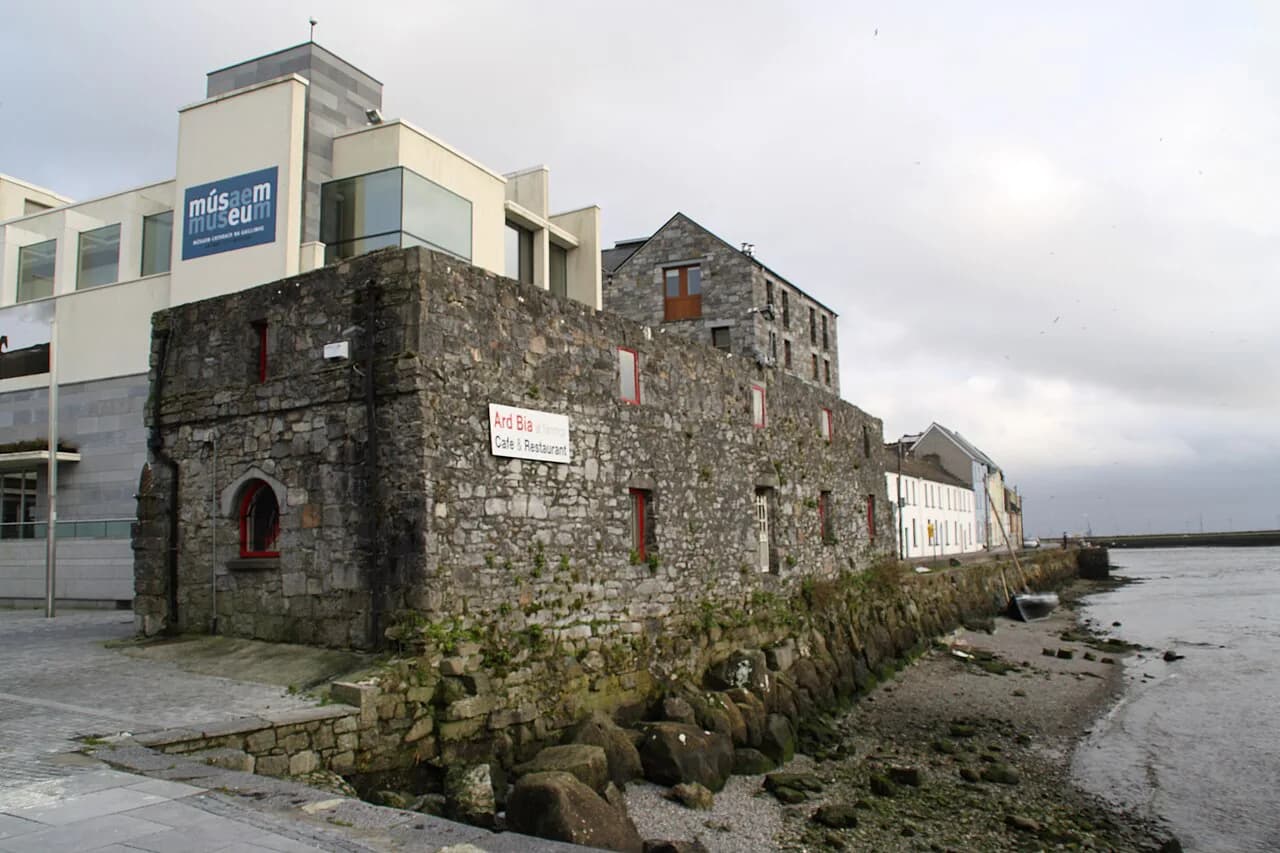
Galway City Museum: Visiting the Museum by the Spanish Arch

Galway City Museum is a free museum at Spanish Parade in the centre of Galway, built beside the Spanish Arch and the remains of the medieval town wall. Its galleries spread over three floors and introduce the city's cultural landscape and its long relationship with the sea. Ordinary visits need no booking, which makes it an easy stop while walking the old harbour area.
This guide covers the museum as a single place to visit: where it stands, how the 2007 building relates to the earlier museum, what the collection holds, and the practical differences between dropping in for free and arranging a guided tour. Opening details are those the museum publishes, so check its own pages before a special trip.
Where the Museum Stands
The museum address is Galway City Museum, Spanish Parade, Galway H91 CX5P, beside the Spanish Arch and the surviving stretches of Galway's medieval town wall. The Discover Ireland listing notes that the museum is home to two classic symbols of the city, the original statue of the writer Pádraic Ó Conaire and the Galway Hooker sailing vessel the Máirtín Oliver. Its setting places it inside the historic core it interprets, close to the arch and wall remains that frame the old harbour.
The museum opens onto a courtyard next to the Spanish Arch, so the approach is part of the visit: you pass the arch and its wall remains close to the doors. The Spanish Arch and its surroundings are also a destination in their own right, so allow a few minutes outside before or after the galleries. For the arch itself, see the separate guide to the spanish arch galway, and for the streets around it, our Galway Neighborhoods: 5 Area Guides puts the museum's quarter in context.
From Comerford House to the Present Building
Galway's first city museum opened in 1971 in Comerford House, a building beside the Spanish Arch that had once been home to the artist Clare Sheridan. That museum began with a residual collection of medieval stones Sheridan had acquired from the city, and it closed in 2004. The present museum is therefore a successor institution rather than the same building.
The purpose-built replacement opened officially in April 2007, designed by the Office of Public Works as a Galway City Council initiative to support the city's cultural and heritage life. Knowing this helps visitors read the building correctly: it is a modern civic museum placed deliberately next to older fabric, not a converted historic structure. Its stated aim is to collect, preserve and display the material heritage of Galway, an aim it shares with other historic sites in the old city, among them the hall of the red earl.
What the Museum Is For
The museum describes its focus as Galway's archaeology, history and sea science, shared through collections, exhibitions, events and online learning resources. Its collections pages group material across prehistoric Galway, the medieval and post-medieval town, the First World War, the 1916 Rising and the 19th and 20th centuries. The result is a city museum in the strict sense: its subject is Galway and its people, and it is a designated repository for objects tied to the city's history and heritage.
The museum has three floors of galleries housing a range of exhibitions that invite visitors to explore Galway's cultural landscape and its historic relationship with the sea. Two of the city's classic symbols are on show: the original statue of the writer Pádraic Ó Conaire and a traditional Galway Hooker sailing vessel, the Máirtín Oliver. Exhibitions change, so treat any particular object as something to look for rather than a guarantee.

The Collection in Context
The museum holds over 1,000 objects, most of them donated by the people of Galway. Only part of the collection is on display at any time; the rest forms a reserve collection kept in storage. Visitors should not expect to see the entire holdings in the galleries, and a single display case rarely represents the full story of an object.
The displays and collections span themes that run from prehistoric Galway through the medieval and post-medieval periods to the First World War, the 1916 Rising and the 19th and 20th centuries. Pádraic Ó Conaire, the Irish-language writer and journalist, is a named collecting area in his own right. In 2010 the museum received designated status under the National Cultural Institutions Act 1997, which allows it to retain archaeological objects for and on behalf of the State.
If you are comparing options across the city, the wider set of museums in galway is worth scanning before you commit a day to one subject. The city museum is free and central, which suits a short first look; specialist collections elsewhere may go deeper. Where you base yourself matters too, so our guide to Galway Neighborhoods: 5 Area Guides helps you weigh a central stay against quieter areas.
Opening Times and Admission
The museum is open Tuesday to Saturday from 10am to 5pm, with Sunday opening from 12pm to 5pm between Easter and mid-September; galleries close at 4:45pm. Admission is free and no booking is required for ordinary visits, with a suggested donation of five euros. It closes on Christmas Day, St Stephen's Day, St Patrick's Day and Good Friday.
Two details catch people out. Sunday opening is seasonal rather than year-round, so an out-of-season Sunday visit needs checking. And the 4:45pm gallery closure means the last quarter hour is for leaving rather than starting a floor. The museum's own visit page is the place to confirm times before travelling.
Guided Tours, Groups and Families
Guided tours can be arranged free of charge, with a contribution to the donations box appreciated, but all tours must be booked in advance and depend on staff availability. The general tour runs 45 to 60 minutes and introduces the museum, its environs and key objects in the collection. A short 20-minute introduction and a 30-minute tailored tour are also offered, the latter with advance notice for a theme or exhibition.
Self-guided groups can visit without booking a tour, though the museum asks to be told in advance. Activity sheets and colouring sheets in English and Irish are available, along with pencils to borrow at reception. Food and drink are not permitted in the galleries, but the open courtyard by the Spanish Arch can be used in good weather.
The museum also offers a downloadable Corrib, Myth, Legend and Folklore walking trail, which extends a visit beyond the building's walls. Treat it as a separate outdoor activity rather than part of the galleries, and pick up a printed copy at reception if you prefer not to use a phone.
Getting There and Accessibility
Paid parking is available at the Jury's Inn car park across from the museum and on Merchant's Road, and both have accessible spaces. City bus services reach the Spanish Parade area, and there is a passenger drop-off point at Spanish Parade. The museum phone number is +353 (0) 91 532 460 if you need to confirm arrangements.
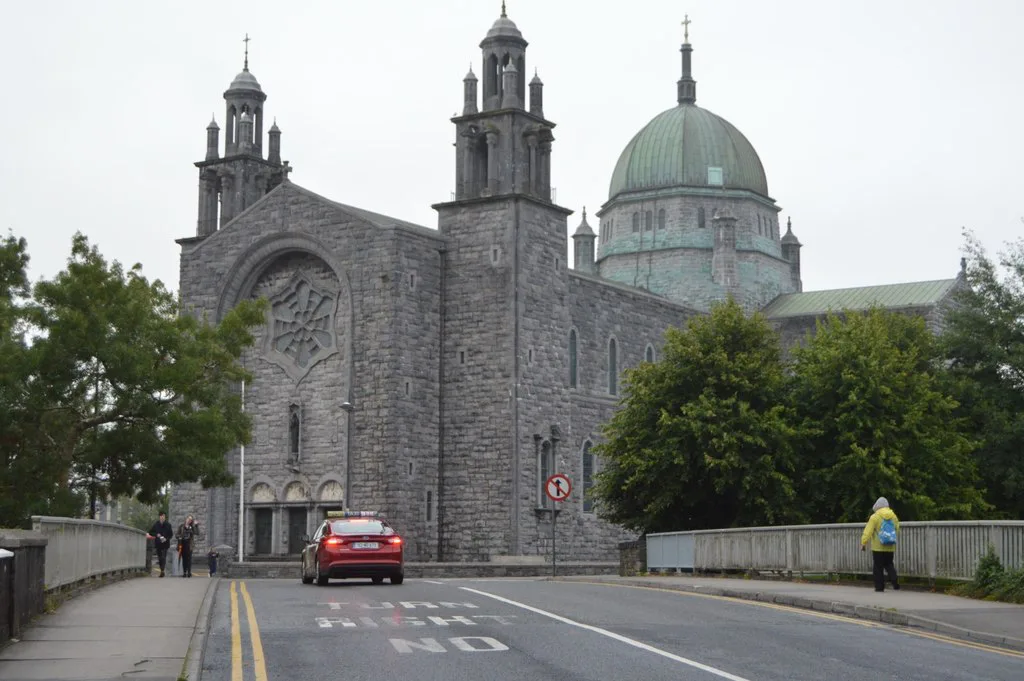
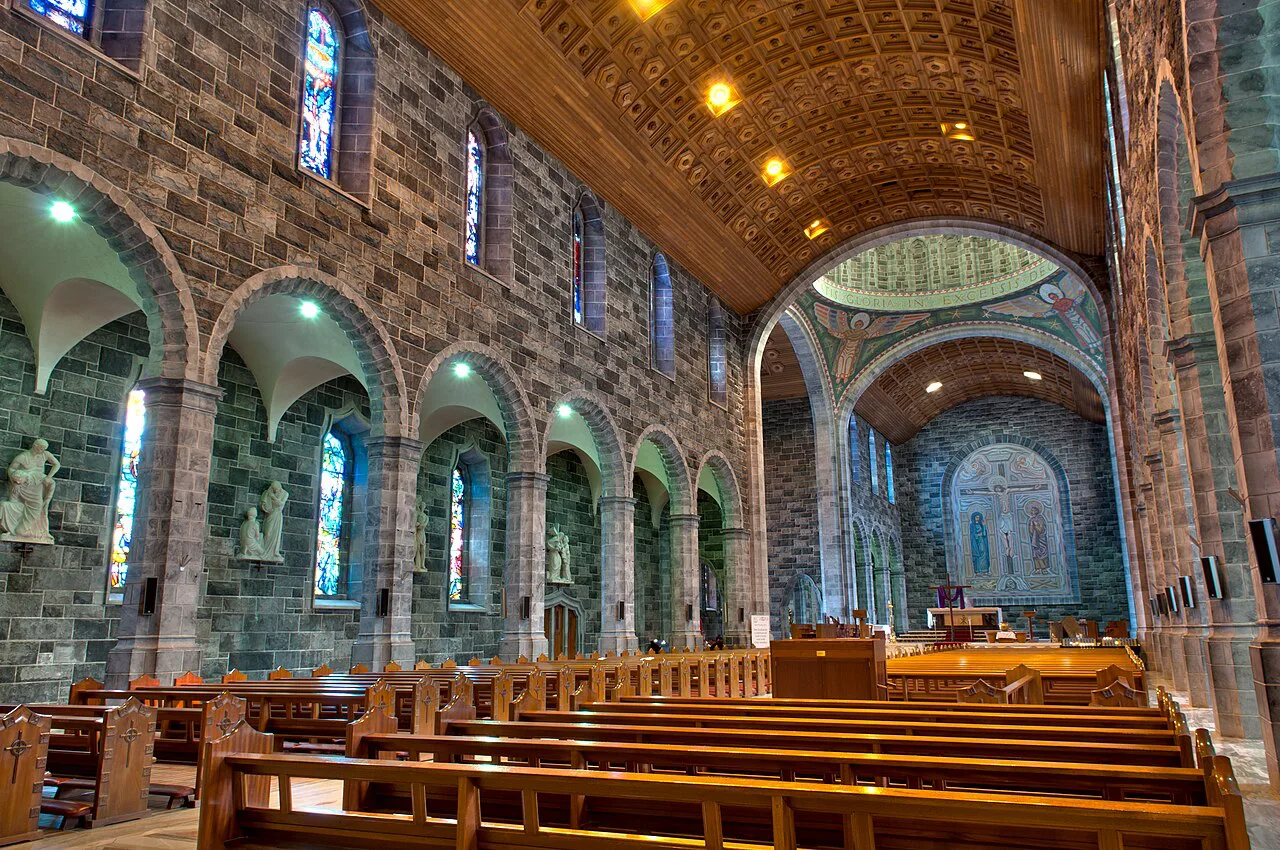
Inside, the building is fully accessible, with lifts, ramps and wide doors, and pushchairs can be taken around the galleries. Accessible toilets are on the ground floor, and baby-changing facilities are available in some toilet areas. For a nearby landmark on the River Corrib, the galway cathedral guide covers Galway Cathedral.

How Long to Allow and What Suits
Three floors of galleries in a compact building reward an unhurried hour, and two hours covers a careful read of the displays plus time in the courtyard. Because admission is free, a shorter first visit is a reasonable trade-off if your time in Galway city centre is limited. Guided tours add structure but cannot be assumed on a given day.
The museum suits anyone interested in how a port city developed, from medieval walls to twentieth-century politics, and its setting beside the Spanish Arch makes it easy to combine with a walk around the old harbour and the Corrib waterfront. Visitors wanting only maritime exhibits should note that sea science is one strand among several rather than the whole museum. Plan the rest of your stay with the Galway Attractions: 9 Visitor Guides before deciding how much time to give each stop.
Plan Your Visit
Galway City Museum is best treated as a free, central stop built into a walk around the old harbour, not a full-day destination. Confirm times and closure days on the museum's visit page, and book any guided tour well ahead if you want one. Arrive with time to see the Spanish Arch and wall remains outside as well as the galleries within.
Explore more Galway guides
Frequently Asked Questions
Is Galway City Museum free to enter?
Yes. The museum publishes free admission with no booking required for ordinary visits, and suggests a donation of five euros rather than charging an entry fee. The donation is voluntary, so you can visit without paying. Check the museum's visit page for current wording.
Do I need to book Galway City Museum in advance?
Not for a normal visit, which requires no booking. Guided tours are different: they are free of charge but must be booked in advance and depend on staff availability. Self-guided groups are asked to let the museum know they are coming.
What are the opening hours?
The museum publishes Tuesday to Saturday, 10am to 5pm, with galleries closing at 4:45pm. Sunday opening runs 12pm to 5pm from Easter to mid-September only. It is closed on Christmas Day, St Stephen's Day, St Patrick's Day and Good Friday.
What can you see inside Galway City Museum?
Three floors of galleries cover Galway's archaeology, history and sea science, from prehistory and the medieval town to the First World War and 1916. Displays have featured the original Pádraic Ó Conaire statue and the Galway Hooker Máirtín Oliver, though exhibitions change.
Where exactly is the museum?
It stands at Spanish Parade, Galway H91 CX5P, entered through a courtyard beside the Spanish Arch and the surviving medieval town wall. Paid parking is at the Jury's Inn car park opposite and on Merchant's Road, and buses serve the Spanish Parade area.
Is the museum accessible for wheelchair users and pushchairs?
The museum describes itself as fully accessible, with lifts, ramps and wide doors, and pushchairs can be taken around the galleries. Accessible toilets are on the ground floor and accessible parking spaces are available at both nearby car parks. Baby-changing is provided in some toilet facilities.
How long should a visit take?
Allow about an hour for the galleries and a little longer if you read the displays closely; two hours covers a thorough visit plus the courtyard. Because entry is free, a shorter stop is easy to justify if your time in the city centre is limited.
Are guided tours available?
Tours can be arranged free of charge but must be booked in advance and are subject to staff availability, so they are never guaranteed on a given day. Formats include a 45 to 60 minute general tour, a 20 minute introduction and a 30 minute tailored tour with advance notice.