
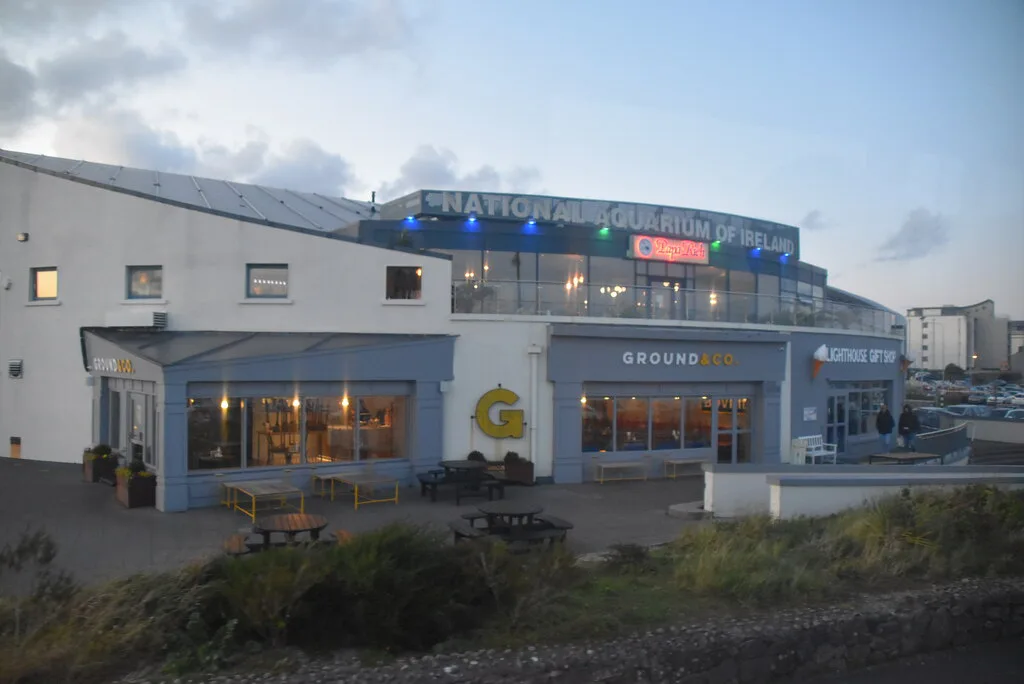
Galway Atlantaquaria: What to See at Salthill's Aquarium

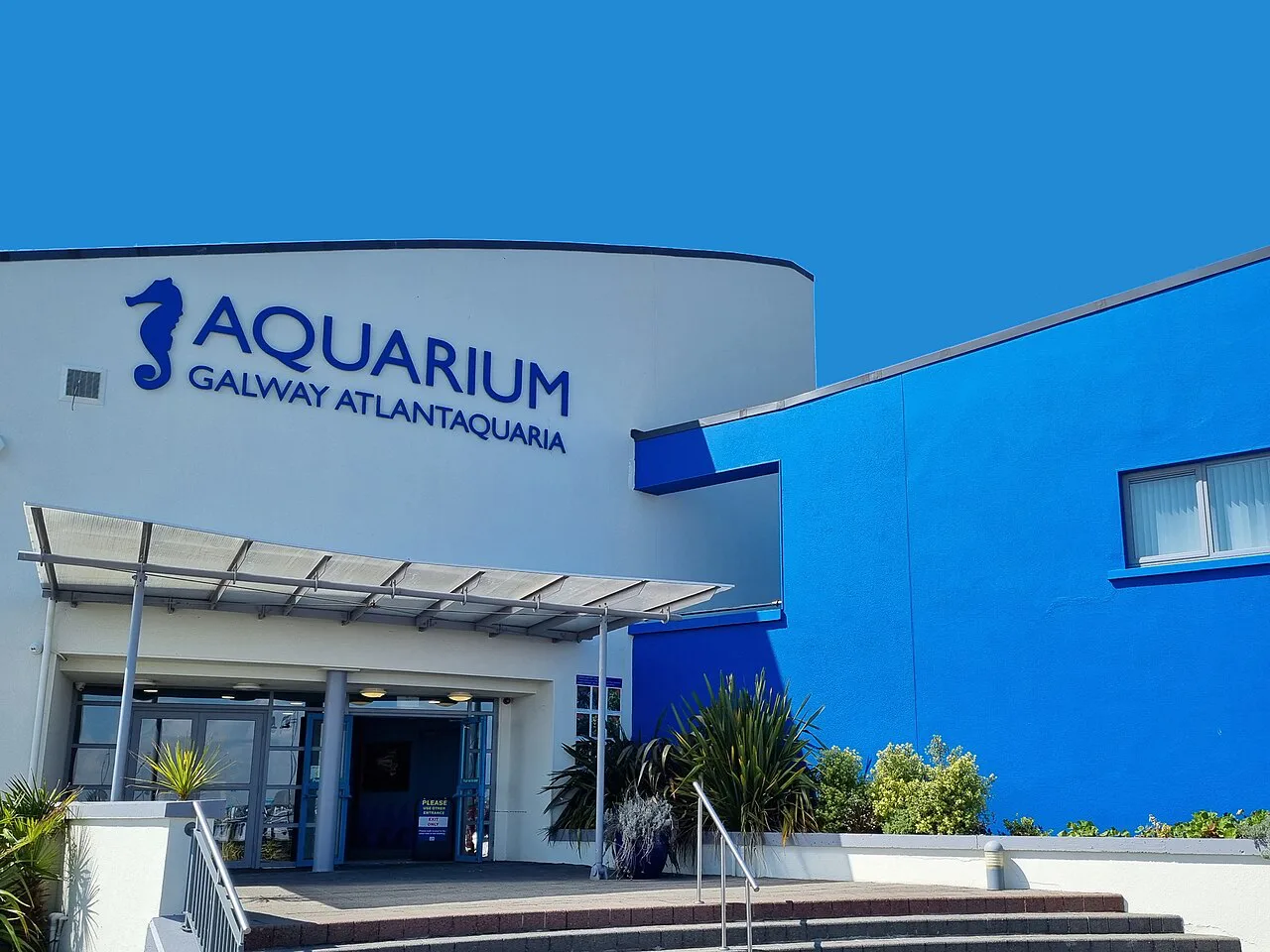
Galway Atlantaquaria is an aquarium in Salthill, on the western edge of Galway City, and it is the place to go if you want to read Ireland's marine and freshwater life in one sitting. The aquarium's own site describes it as Ireland's largest native species aquarium, a claim worth treating as the operator's self-description rather than an outside ranking. This guide sticks to what the aquarium publishes about its exhibits, its conservation work and its published hours, and flags the practical points you should confirm directly.
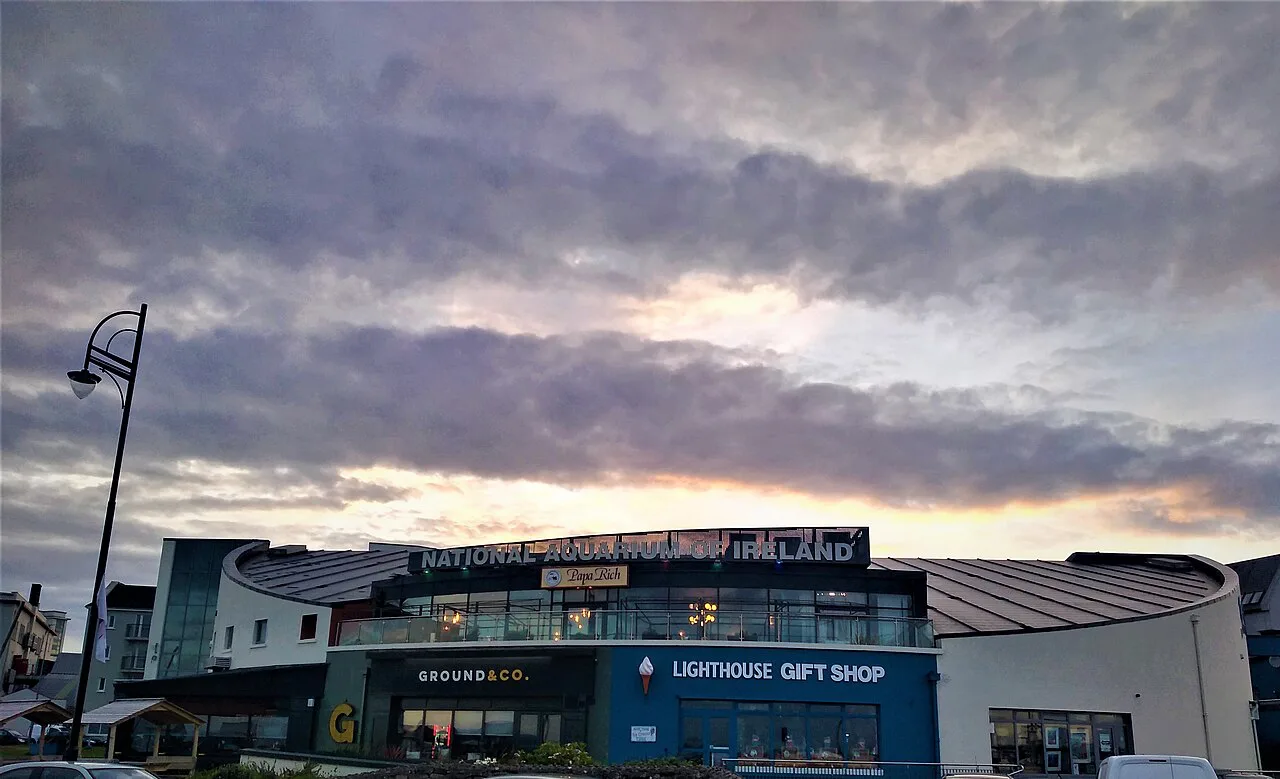
Where the Aquarium Sits in Salthill
The aquarium is in Salthill, a coastal district of Galway City rather than the historic centre. That matters for planning: it is a separate stop from the Cathedral and the River Corrib side of town, so it is worth deciding whether you will devote a half-day to the coast or combine it with a wider sweep of the city. Our Galway Neighborhoods guide breaks down the districts if you are still choosing where to base yourself.
The aquarium's blog places Salthill almost halfway along the Wild Atlantic Way, describing it as a welcome stop for families and travellers exploring the west of Ireland and not too far a drive or cycle from either direction. If you are moving along the western seaboard, the aquarium is a natural indoor pause rather than a detour inland.

What the Exhibits Cover
The collection is organised around habitats rather than geography: oceans, rivers, lakes and canals, according to the aquarium's explore page. That framing is the reason to choose this aquarium over a generic city attraction, because the species on show are the ones found in Irish water rather than a touring cast of tropical showpieces. If you would rather spend the afternoon indoors with local history, the museums in Galway are the city-centre equivalent of that same native focus.
Within those habitats, the aquarium highlights sharks in its marine displays and freshwater fish gliding through river and lake settings. It also notes colourful and exotic creatures from warmer climates alongside the native species, so the visit is not exclusively about Irish water. Read the displays as a sequence of habitats and the route makes more sense than hunting for a single headline tank.
Because the site presents the exhibits as a taste of what is waiting rather than a fixed inventory, treat any particular animal as a possibility rather than a guarantee. Ask at the desk which displays are currently stocked if a specific species is the reason for your visit.

The Conservation Message
The aquarium frames the visit around being inspired to play your part in protecting a shared planet. That is a mission statement as much as a label on a tank, and it shapes how the displays are presented: habitat, local species and human impact sit together rather than as separate sections.
For a visitor, the practical effect is that reading the interpretive panels rewards you more than rushing between tanks. If you are travelling with children, the conservation framing gives you a ready-made conversation about Irish coastlines that carries on after you leave Salthill.
Marine Education in Galway and Salthill
The aquarium's blog documents an Explore Your Shore strand, a biodiversity-focused programme that encourages shore recording and species observation around Galway. The blog describes it as an opportunity for people interested in championing biodiversity to record marine life along canals, rivers, forests and beaches. It is education and citizen-science work rather than an exhibit, so do not expect it to appear as a scheduled show inside the building.
That strand explains why the aquarium's identity is tied to Galway specifically. The surrounding coast, canals and shoreline are treated as an extension of the collection, which is a useful reason to walk part of the Salthill promenade before or after your visit.
The Loggerhead Turtle Rescue Story
The aquarium's blog carries the rescue and rehabilitation of Columbus, a loggerhead sea turtle, as told by the aquarium and the family who found it. According to that account, the turtle was discovered on Faulmore Beach and brought into care with the intention of returning it to warmer waters.
Treat this as the aquarium's own narrative and not as a promise that the turtle will be on view when you arrive. Rescued animals move through care on their own timetable, and the blog posts document a process rather than a permanent display. If the turtle is the draw for your family, ask staff about its current status before building the trip around it.
Setting Your Expectations
This is a native-species collection with a strong local marine story rather than a global display built around exotic species. Visitors drawn to the Irish marine and freshwater story will find the framing rewarding; those expecting a different kind of aquarium may find the scale differs from what they anticipated.
The same logic applies to the building itself, which sits within a seaside district rather than a museum quarter. Plan the aquarium as the anchor of a coastal half-day and add city-centre history on a different outing, such as the medieval streets around the spanish arch galway. If you would rather stay indoors in the city centre, the museums in Galway make an easy counterpart to a coastal day, and our Galway Neighborhoods guide helps you choose which district to base yourself in.
How Much Time to Allow
Most visitors pair the habitat panels with the displays and let children work through them at their own pace. The exhibit themes of ocean, river, lake and canal give a natural sequence, so pacing yourself by habitat is easier than trying to see everything at once.
Families with younger children often do better with a shorter first pass and a second loop through favourite tanks, rather than one long stretch. If you are combining the aquarium with a Salthill walk, you can choose which part of the outing comes first to suit your group.
Published Opening Hours
The aquarium publishes opening hours of 10am to 5pm, with 6pm at weekends, and states that last admission is one hour before closing every day. Those figures come from the aquarium's own site and should be checked again before you travel, since they are the kind of detail operators adjust seasonally.
The one-hour cut-off for admission is the detail that catches people out. Arriving late in the afternoon can mean being turned away even though the doors are technically open, so build your travel time around the last admission rather than the stated closing time.
What to Confirm Before Travelling
Admission prices, booking arrangements, concessions and any accessibility or parking details are not stated in the material the aquarium publishes on these pages. Rather than guess, check the aquarium's own site or contact them directly for current prices and access information, particularly if you need step-free routes or have a large group.
Opening hours are the other item worth reconfirming close to your date, especially around public holidays. Any dated operational notices the aquarium posts should take precedence over the general hours listed above.
Salthill and the Galway Coast Around the Visit
Salthill's setting on the Wild Atlantic Way means the aquarium sits within a coastal district rather than an isolated attraction. The aquarium's blog describes the area as a stop for travellers moving through the west of Ireland, which makes it a sensible pairing with a promenade walk or a look at the bay before heading back into the city.
If you want the historic counterpart to the coastal visit, the city centre holds the medieval fabric that Salthill lacks, including the stretch around the spanish arch. Treating the two as separate outings gives each enough time rather than squeezing both into one afternoon.
Plan Your Visit
Galway Atlantaquaria makes most sense as a coastal half-day built around Irish marine and freshwater life, with the conservation framing as the thread through the displays. Go for the native-species story and the local context rather than for scale, and read the panels rather than racing between tanks. For another heritage guide, read about Galway City Museum.
Before you set out, confirm the current opening hours and last admission on the aquarium's own site, and check prices and access details directly since those are not published in the material covered here. If you want more of the city afterwards, the wider set of Galway Attractions gives you the historic centre to pair with a different day. For another heritage guide, read about Hall Of The Red Earl Galway. For another heritage guide, read about Galway Cathedral. For another heritage guide, read about St Nicholas Collegiate Church Galway.
Explore more Galway guides
Frequently Asked Questions
Is Galway Atlantaquaria in Galway city centre?
No. It is in Salthill, a coastal district on the western side of Galway City. That places it away from the medieval centre and the Cathedral, so plan it as a separate stop or as part of a coastal half-day rather than something you pass on a city-centre walk.
What kinds of marine and freshwater life does Galway Atlantaquaria exhibit?
The aquarium organises its displays around oceans, rivers, lakes and canals. Its own site highlights sharks in the marine setting and freshwater fish in river and lake displays, and it also notes colourful species from warmer climates alongside the native collection. Ask at the desk if you are hoping to see a particular animal.
How long should I allow for a visit to Galway Atlantaquaria?
That depends on how long you spend at the habitat panels and displays. Families often do better with a shorter first pass and a second loop through favourite tanks. If you are adding a Salthill walk, you can decide which part of the outing comes first to suit your group.
What are the opening hours at Galway Atlantaquaria?
The aquarium publishes hours of 10am to 5pm, with 6pm at weekends, and states that last admission is one hour before closing every day. Because operators adjust hours seasonally, reconfirm on the aquarium's own site shortly before you travel and note any dated notices they post.
Is Galway Atlantaquaria suitable for a family stop on the Wild Atlantic Way?
The aquarium's blog describes Salthill as a welcome stop for families travelling the west of Ireland and places it almost halfway along the Wild Atlantic Way. It works well as an indoor pause on a coastal drive, particularly with children, though you should check current hours before timing your arrival.
Can I see the rescued loggerhead turtle when I visit?
There is no guarantee. The aquarium's blog documents the rescue and rehabilitation of a loggerhead turtle named Columbus as an account of an ongoing care process rather than a permanent exhibit. If the turtle is the reason for your visit, ask staff about its current status before planning around it.