Dublin History: A Chronological Guide to the City's Key Sites
Trace Dublin's history from the Viking longphort to 1924 Kilmainham through named sites, museum collections and honest access notes for visitors.
On this page
Dublin's historical layers make most sense read chronologically rather than ranked. Start with the Viking settlement of the ninth century, move through the Hiberno-Norse cathedral and the castle of English rule, then finish with the 1916 Rising and the gaol that operated until 1924. Seven anchor places carry the sequence, but they are not equal on access: Dublin Castle's campus is closed to the public for Ireland's EU Council Presidency and expected to reopen in January 2027, while Kilmainham Gaol admits visitors only on pre-booked guided tours.
Each section below names the body that sets the rules: the Office of Public Works through Heritage Ireland for the castle and gaol, the cathedral for its own history and belfry tours, and Dublinia for its exhibition tours and St Michael's Tower. Treat these operators' pages as the authority when you plan. Viking-era evidence is presented as excavation and museum interpretation; excavated houses, ships and graves are not on view in situ, so the story belongs in museum collections rather than in a walk past empty ground.
Beginnings: A Viking Town From 841 to the Tenth Century
Scandinavians settled at Dublin from 841, and the first phase was a longphort, a defended base where they overwintered. That settlement ended in 902 when the Scandinavians were expelled, largely to northern England, and they returned in 917 to re-establish the site. The Viking Ship Museum's account, written by National Museum of Ireland curator Maeve Sikora, notes that Dublin appears to have been founded twice.
After 917 the settlement grew into a wealthy town, and control of it became a necessity for any king seeking authority over all of Ireland. By the early eleventh century its commercial reach was at its height, with the Irish Sea described as effectively a Dublin lake. That trade grew out of darker beginnings: the town functioned first as a slaving emporium whose captives were shipped into the wider Scandinavian world. Viking Dublin cannot be reduced to a single raid or battle.
Reading the Viking Town Through Excavation
Between 1962 and 1981 the National Museum of Ireland carried out extensive excavations in Dublin that revealed a wealth of evidence for the post-917 settlement. The most important result concerned town layout in the tenth and eleventh centuries: archaeologists traced a series of fenced plots or tenements across more than a dozen successive building levels. The digs also exposed house building and a succession of waterfronts between the tenth and thirteenth centuries.
The typical Dublin house was a low-walled rectangle with a doorway at each end, a wide central living strip between two raised side areas that served as seats or beds, and a stone-kerbed hearth in the middle of the floor. Defences are equally legible in the record: an earthen bank enclosed the town in the tenth century, and a second, larger bank followed in the eleventh. Hold this as reconstructed evidence, not as standing masonry to walk around.
The Dead Outside the Town: Kilmainham and Islandbridge
Pagan Viking graves of the ninth and tenth centuries at Kilmainham and Islandbridge represent the earliest contacts between the Vikings and Ireland, according to the museum account. Most artefacts were recovered incidentally during gravel digging and railway construction in the 1840s, 50s and 60s, and at least two cemeteries stood in the area, with possibly a third north of the Liffey near what is now Phoenix Park. Weapons, tools and brooches indicate that both men and women were buried there.
The finds represent at least fifty burials, and Kilmainham alone remains the largest known Viking cemetery outside Scandinavia. This is a record assembled from chance discovery and later study rather than a designed monument, which is why the objects matter more than any surviving marker. Travellers interested in burial landscapes can widen the theme through a guide to Dublin cemeteries, where the emphasis falls on later, visible graveyards rather than these excavated Viking plots.
Christ Church Cathedral: From Norse Foundation to Norman Rebuilding
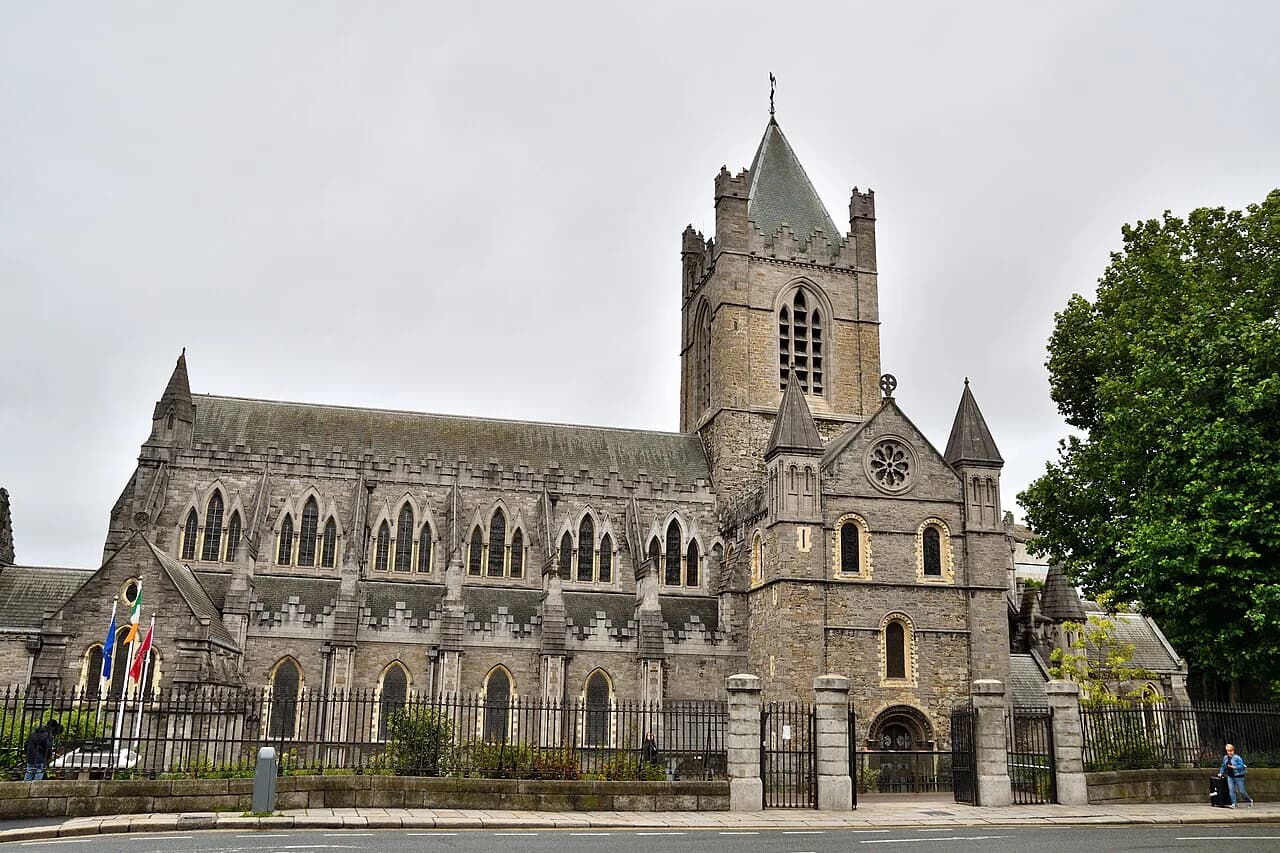
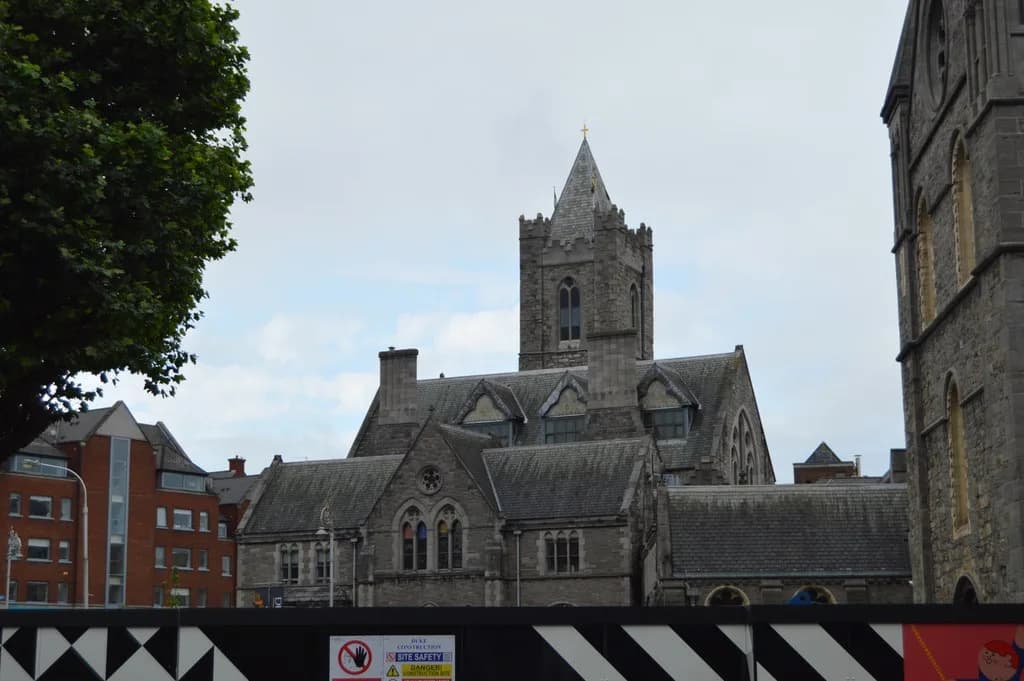
The earliest manuscript places Christ Church Cathedral at its present location around 1028, when Dúnán, the first bishop of Dublin, and Sitriuc, the Norse king of Dublin, founded the original Viking church. Within a century and a half the cathedral was brought into the Irish church, and Archbishop Laurence O'Toole began reforming its constitution along European lines and introduced Augustinian canons. It was largely due to John Cumin, the first Anglo-Norman archbishop, that the Hiberno-Norse cathedral was replaced by the Romanesque and later Gothic building, parts of which still survive.
The cathedral's later history is unusually visible in its fabric. In 1562 the nave roof vaulting collapsed, and since that collapse the north nave wall has leaned out by roughly 46 centimetres, or 18 inches. In the sixteenth and seventeenth centuries the crypt served as a market, a business meeting place and at one stage a tavern. These details make the crypt a more interesting stop than a plain basement.
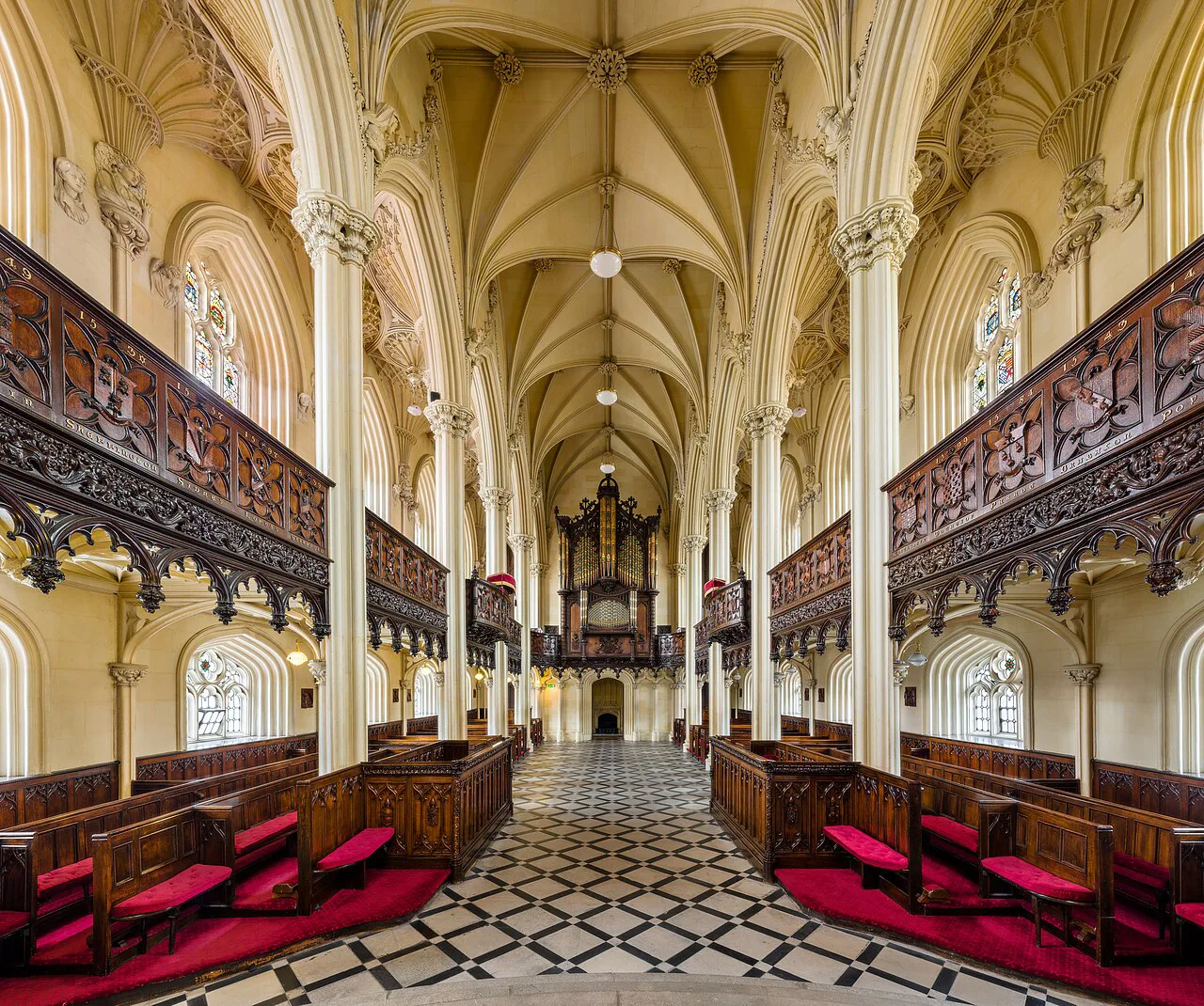
The present cathedral is heavily Victorianised because of George Edmund Street's restoration between 1871 and 1878, paid for by the distiller Henry Roe. The crypt now holds the Treasures of Christ Church exhibition, with manuscripts, artefacts and church silver including royal plate given in 1697. The cathedral's own history page is the reliable account of what is displayed there.
Belfry access is a separate decision from visiting the cathedral floor. The tower is reached by a narrow spiral staircase of 86 steps, and the cathedral states that belfry tours are unsuitable for visitors with reduced mobility or vision impairments, claustrophobia or a fear of heights, and for children under 12; sensible footwear is required and large bags are not allowed. Group belfry tours must be booked in advance by telephone. The site also notes that there is no library or archive on site, so historical queries go to its research advisor.
Dublin Castle: Seven Centuries of Rule, Closed for Now
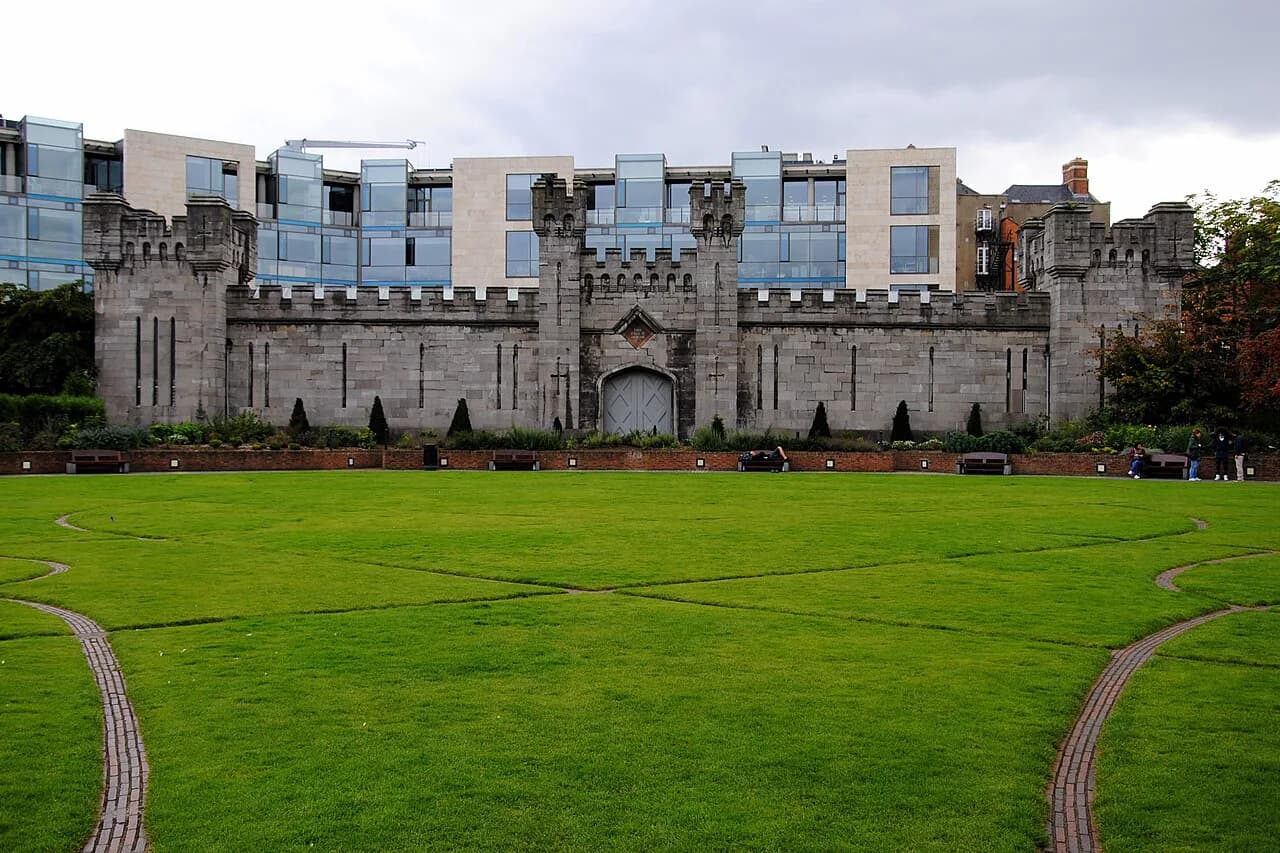
Dublin Castle is the medieval stronghold in this sequence and one of the more prominent dublin castles in the city's centre. Its history stretches back to the Viking Age, though the castle itself was built in the thirteenth century, and it served over time as a military fortress, a prison, a treasury and courts of law. For 700 years, from 1204 until independence, it was the seat of English and then British rule in Ireland.
The complex was rebuilt across the seventeenth, eighteenth, nineteenth and twentieth centuries and now functions as a government site and arena of state ceremony. The state apartments, undercroft, chapel royal, heritage centre and restaurant are the parts normally open to visitors, which is a useful distinction if you are planning a later trip on the assumption that the whole castle is one continuous monument.
Do not plan to enter or cross the castle while the closure lasts. The Office of Public Works closed the campus to the public to prepare for Ireland's hosting of the Presidency of the Council of the European Union, and states that there is no public through access from Palace Street Gate on Dame Street to Ship Street for that period. The campus is described as closed through 31 December 2026, with visitors expected back in January 2027. Anyone planning an early 2027 trip should confirm the current position before travelling, and can look to the theatres for an alternative in the city centre rather than assuming a castle visit will fill the day.
St Michael's Tower and the Medieval Parish
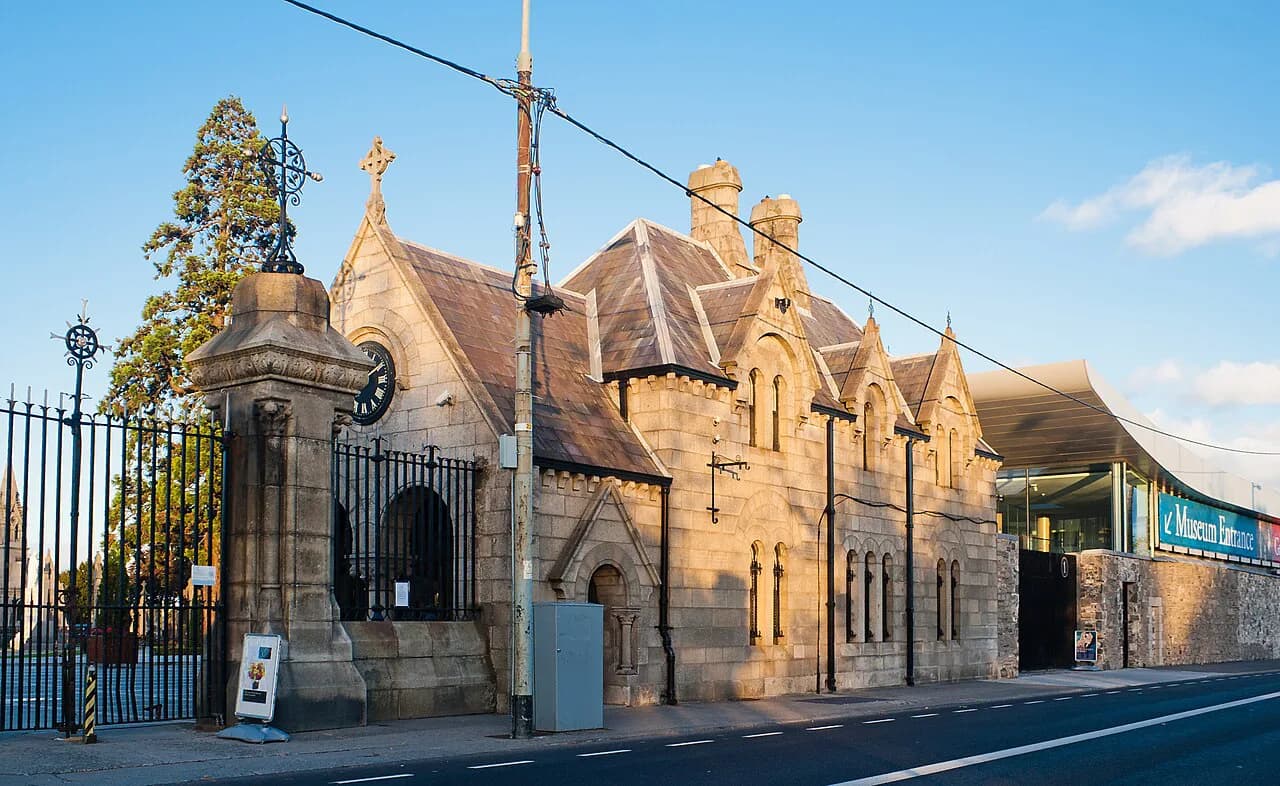
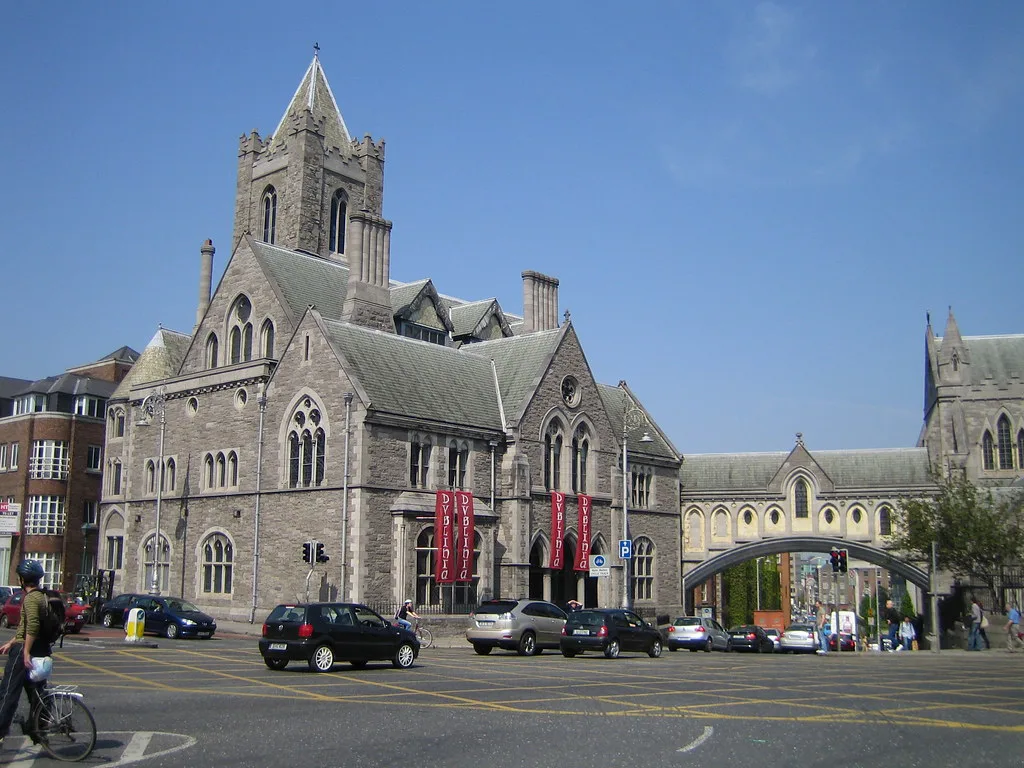
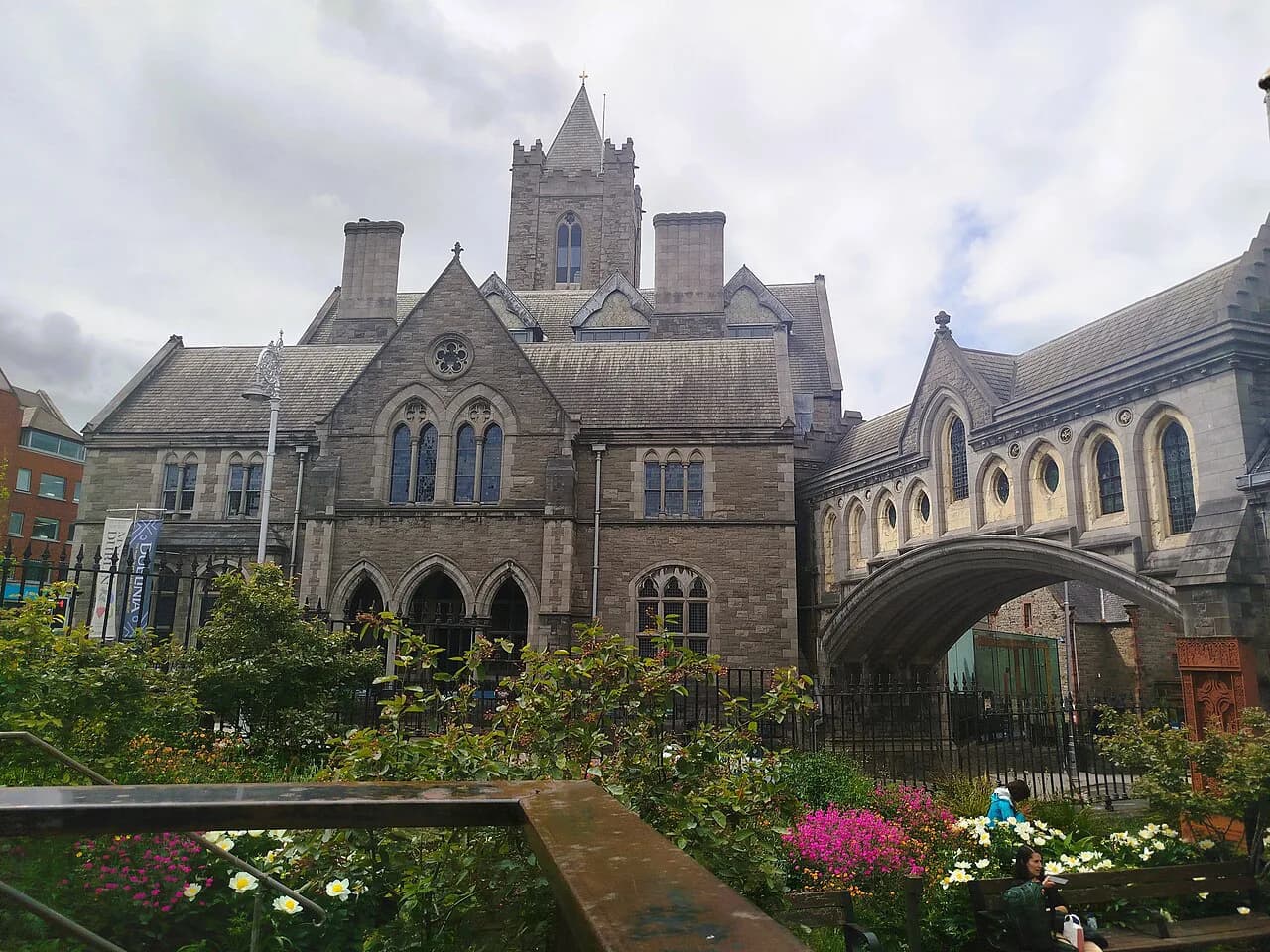
Dublinia's late seventeenth-century viewing tower belonged to the church of St Michael the Archangel, which once stood on the site the museum now occupies. The original medieval tower was incorporated into the design of the Synod Hall, and remnants of that medieval past can still be traced in the footprint of the nineteenth-century building. The exhibition at the base of the tower covers the tower and the surrounding parish, including firebuckets and maps of medieval Dublin.
Climbing to the top involves 96 steps, and the reward is a high view across the city rather than a single monument. The tower is included in a Dublinia visit, so pair the climb with the museum's displays on Viking and medieval Dublin instead of treating it as a standalone attraction.
Dublinia's practical offerings change the shape of a visit. Exhibition tours are listed for 2.00pm daily, subject to availability and not held in July, and they are included in general admission without advance booking. Walking tours of Viking and medieval Dublin start at 11.00am Monday to Saturday, are free with a general admission ticket, take place in English only and are also subject to availability. Confirm the day's arrangements on arrival rather than treating the times as guaranteed.
1916: Reading the Rising Through the National Library
The National Library of Ireland's online exhibition is the source to use for the political story that leads to 1916. After the First World War broke out in August 1914, the Irish Republican Brotherhood decided to stage an insurrection at an opportune moment, and in May 1915 it set up a military committee that later became the Military Council. It eventually included Patrick Pearse, Joseph Plunkett, Éamonn Ceannt, Seán MacDiarmada, Tom Clarke, James Connolly and Thomas MacDonagh, with Pearse entrusted with drafting the Proclamation.
Plans nearly collapsed before they began. A German arms shipment under Roger Casement was expected, but the ship Aud failed to make contact with local Volunteers off the Kerry coast and was scuttled. When news arrived that Casement had been arrested and the arms lost, Eoin MacNeill definitively countermanded Pearse's orders for the Easter manoeuvres. The Military Council met at Liberty Hall and moved the Rising to noon on Easter Monday, with the Proclamation printed that day on the press there. Treat this as interpretation rather than evidence that particular documents are currently on physical display in Dublin.
Kilmainham Gaol: Penal and Political History to 1924
Kilmainham Gaol opened as Dublin's county gaol in 1796 and operated until 1924. It held ordinary men, women and children as well as political prisoners connected with rebellions and with the War of Independence and Civil War, which is why it should be read as a site for penal and political history together rather than only as a gallery of famous executed leaders. The building's long service as a working prison is the part most often skipped.
Access is by pre-booked guided tour, not walk-in entry, and the Office of Public Works suggests allowing about 90 minutes. Some of the tour takes place outdoors, and the interior is cold in winter, so dress for the site rather than expecting a warm refuge. The museum and the gaol tour are related but distinct parts of a visit, which matters when you are deciding how long to set aside.
A Realistic Order for One Visit
Sequence the open sites by era, not by convenience. Dublinia gives the Viking and medieval frame, and St Michael's Tower can be climbed as part of that same visit. Move on to Christ Church Cathedral's crypt and, separately, its belfry if the staircase suits you; then book Kilmainham Gaol in advance for the nineteenth- and twentieth-century close. Read the National Library exhibition online before or after rather than relying on objects being on display.
Two reminders should shape the plan. Dublin Castle cannot be visited while the EU Presidency closure lasts, so route around it rather than through Palace Street Gate, and check the castle's status before booking travel for early 2027. Kilmainham Gaol requires a booked tour with outdoor sections and a cold interior in winter, so build the day around that slot. Spreading these stops over more than one day is more honest than promising the whole sequence in a single afternoon. If you extend the trip west, the same chronological approach works for galway history.
For more heritage reading, see our guides to Dublin Walking Tour and Dublin Free Museums.
Explore more Dublin guides
- Bookshops in Dublin
- Dublin 1916 Walking Tour
- Dublin Art Galleries
- Dublin Castles
- Dublin Cemeteries
- Dublin Churches in the Medieval City
- Dublin Free Museums
- Dublin Georgian Architecture
- Dublin Statues
- Dublin Theatres
- Dublin Walking Tour
- Dublin Architecture
- Dublin History Walking Tour
- Dublin Literary Walking Tour
- Dublin Street Art
- Viking Dublin
Frequently Asked Questions
Can you visit Dublin Castle now?
Not for the period covered by the Office of Public Works notice. The campus closed to the public to prepare for Ireland's Presidency of the Council of the European Union, with no through access between Palace Street Gate on Dame Street and Ship Street, and it is described as closed through 31 December 2026 with visitors expected back in January 2027. Confirm the current status with Heritage Ireland before booking travel for early 2027.
What can you see of Viking Dublin today?
The evidence comes mainly from excavation and museum interpretation, not from excavated houses or graves left open to the public. The National Museum of Ireland's digs between 1962 and 1981 revealed tenement plots, house layouts, earthen banks and shifting waterfronts, while ninth- and tenth-century graves at Kilmainham and Islandbridge produced weapons, tools and brooches. Dublinia provides the Viking and medieval frame, with living-history guides and an exhibition tour listed for 2.00pm daily except July, subject to availability.
Is Kilmainham Gaol a political or an ordinary prison site?
Both. It opened as Dublin's county gaol in 1796 and ran until 1924, holding ordinary men, women and children alongside political prisoners associated with rebellions and the War of Independence and Civil War. Admission is by pre-booked guided tour, the operator suggests allowing about 90 minutes, and part of the tour is outdoors with a cold interior in winter.
When was Christ Church Cathedral founded?
The cathedral's earliest manuscript places the original Viking church at its present site around 1028, founded by Dúnán, the first bishop of Dublin, and Sitriuc, the Norse king of Dublin. It was later rebuilt in Romanesque and Gothic phases, and the building you see today reflects George Edmund Street's restoration of 1871 to 1878. The crypt houses the Treasures of Christ Church exhibition.
What does a belfry tour at Christ Church involve?
It means a narrow spiral staircase of 86 steps. The cathedral advises that belfry tours are unsuitable for visitors with reduced mobility or vision impairments, claustrophobia or a fear of heights, and for children under 12; sensible footwear is required and large bags are not allowed. Group tours must be booked in advance by telephone, and there is no library or archive on site for research visits.
What is included in a Dublinia visit?
The ticket covers the exhibitions and the climb up St Michael's Tower, whose 96 steps lead to a city view and whose base holds an exhibition on the tower and parish. Exhibition tours are listed at 2.00pm daily, included in admission and not held in July, while Viking and medieval walking tours start at 11.00am Monday to Saturday and are free with admission. Both are subject to availability and the walking tours are in English only.
Sources
- The City of Dublin: The Viking Ship Museum
- History | Christ Church Cathedral
- Dublin Castle | Heritage Ireland
- Museum Tours Dublin, Dublin City Attractions | Dublinia
- St Michael's Tower Dublin | Dublinia Viking Museum
- National Library of Ireland - 1916 Exhibition
- Kilmainham Gaol Museum | Heritage Ireland
You might also like

Continue reading
More guides you'll find useful