Dublin Street Art: Murals, Artists and Walking Routes
Plan a Dublin street art walk through Temple Bar, Camden Street, Smithfield and the DART corridor, with named murals, artists and tips for changeable work.
On this page
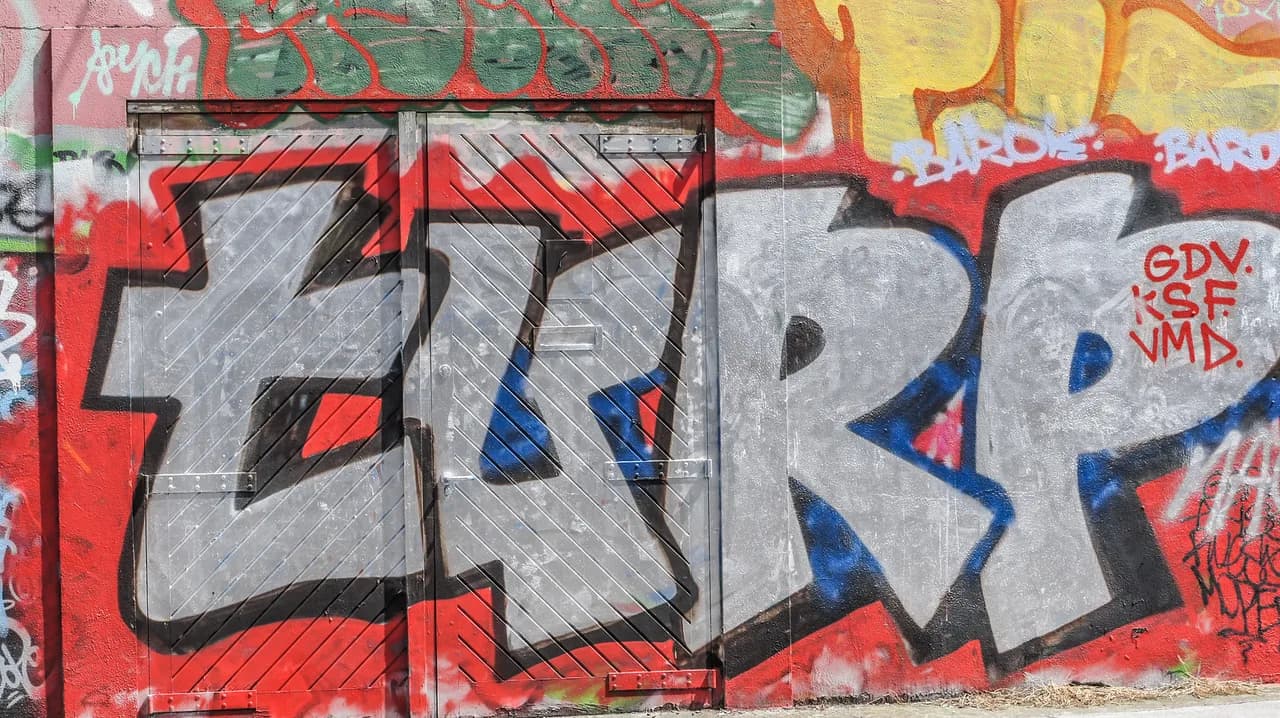
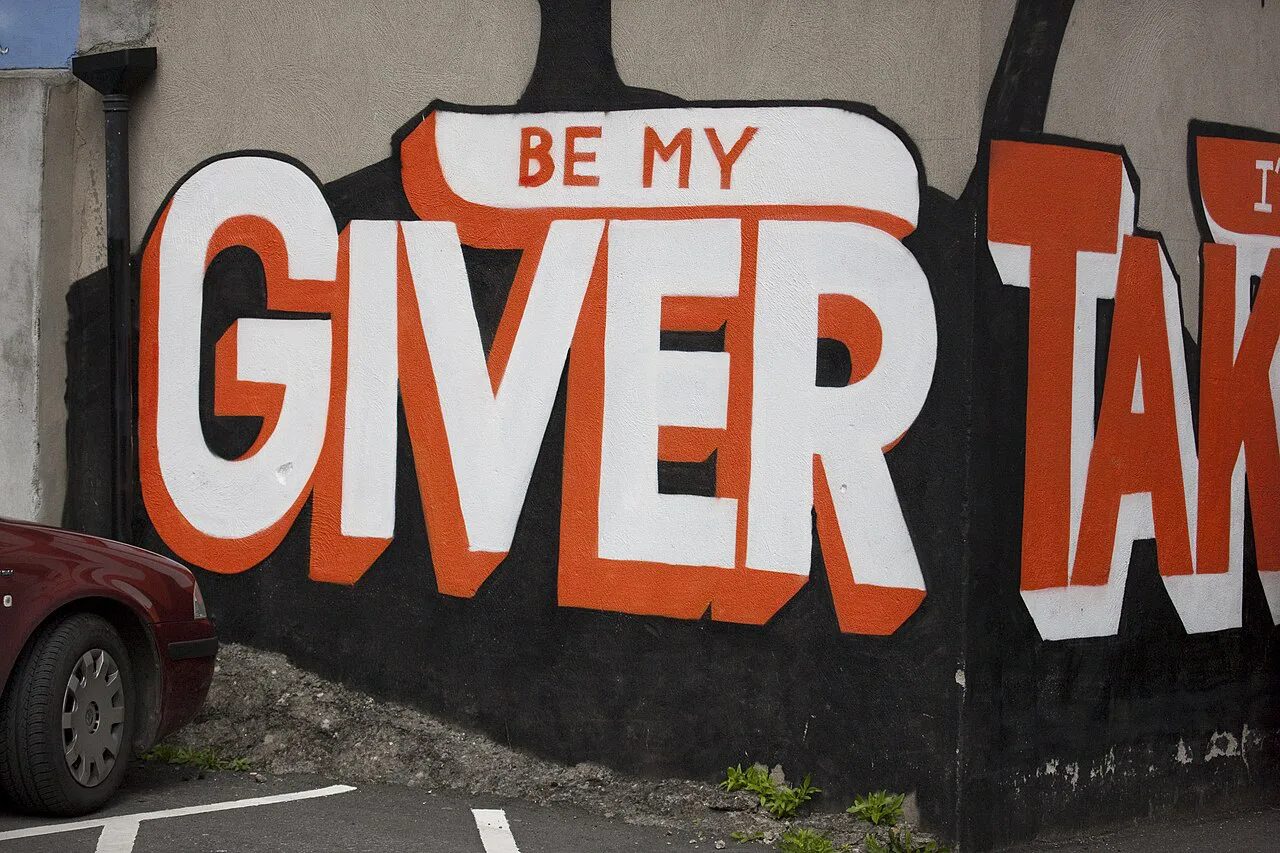
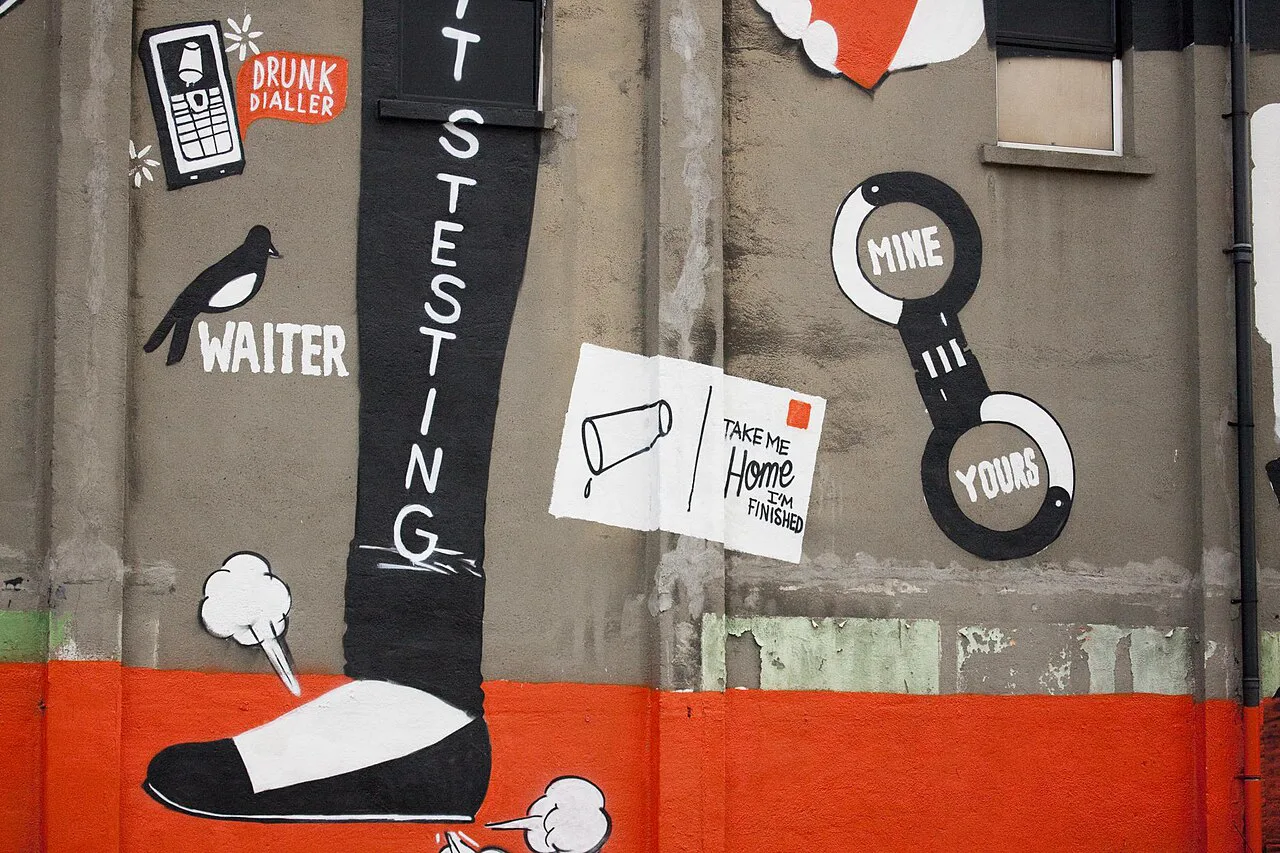
Dublin street art is best treated as a walk, not a checklist. Murals and painted surfaces across the city are publicly visible but genuinely transient, so any piece you set out to see may have been repainted, covered or removed by the time you arrive.
The work clusters around a few walkable districts: Temple Bar, Camden Street south of the centre, Smithfield and the north inner city, and the DART corridor near Lansdowne Road. Grouping them by area lets you build a route around a district rather than chase single walls across the city.
Why Dublin's Street Art Keeps Changing
Visit Dublin describes the city's street art as appearing on walls, hoardings and gable ends, created by both Irish and international artists. That framing matters for planning: a hoarding or gable end is a temporary canvas, and some named pieces, such as Maser's U Are Alive, have already gone through more than one version.
Treat any list of murals as a snapshot. Check the location on arrival, accept that a wall may look different from its photograph, and let a district walk absorb substitutions. If you want the context of the city's older built heritage alongside the paint, our coverage of dublin castles can sit alongside a city-centre walking day.
Temple Bar: Blooms Hotel and Love Lane
The exterior of Blooms Hotel in Temple Bar is one of the most recognisable painted walls in the centre. Visit Trinity credits the work to street artist James Earley, notes its Art Nouveau-inspired style and floral motifs, and describes it as an homage to James Joyce's Ulysses, whose characters appear on the facade. The viewing happens outside; the hotel interior is not part of the experience.
A short walk away, Crampton Court connects Dame Street to Temple Bar behind the Olympia Theatre. Visit Trinity calls it Love Lane, a passage lined with tiles carrying romantic sayings and personal messages, along with colourful street art lit by neon, and describes it as a private gem used as a passage. Walk through it as a shortcut and viewing point rather than treating it as a guaranteed open gallery. Theatregoers can pair the passage with our guide to dublin theatres before or after a performance.
South City: Maser on Camden Street and the Cling Film Project
Maser's U Are Alive sits on the corner of Grantham Street and Camden Street, according to Visit Dublin, which notes it is in its fourth iteration and was designed and painted on a shop wall. Visit Trinity describes the wording as a direct, colourful message painted on a small portion of a building wall. Expect a modest piece rather than a full building wrap, and look closely because the surrounding streetscape competes with it.
On Grafton Street, João "Brutto" Adnet's Cling Film Project is made in real time with cling film and spray paint, so you may or may not catch it unfolding. That unpredictability is part of the appeal: the piece is temporary by design. If you miss it, continue south toward Camden Street and the Liberties rather than waiting on a spot.
Smithfield and the North Inner City
In Smithfield, Aches' Horseboy on Stirrup Lane shows a young man seated on a white horse, painted with the colour distortion that Visit Trinity associates with the artist's style. It is painted on the facade of a local man's home, so view it from the lane and respect the residence. The same page places the piece in Dublin's north inner city, a short walk from the rest of Smithfield.
The Cobblestones building complex carries a separate mural by Giuseppe Tilf and Danilo Bolognini, known as Vadis, depicting two musicians surrounded by folk-inspired detail, a reference to the pub's long association with Irish traditional music. Further east, Shane Sutton's black-and-white City Fox on Dorset Street Lower pays tribute to the foxes that move through quiet streets at night, according to Visit Dublin. These pieces are spread out, so allow time to walk between them.
Literary Walls: Joyce and Behan at Richmond Cottages
At Richmond Cottages in Summerhill, Shane Sutton painted a portrait of James Joyce and, a few houses away, one of Brendan Behan. Visit Dublin notes that both were commissioned by the Richmond Cottages Residents Association and that Joyce lived for a time at 17 North Richmond Street, the setting of his story Araby. The literary connection is the organisers' and artist's framing, not a claim that the murals mark an official heritage site.
On Harmon Street, off Donore Avenue in Dublin 8, local artists Garreth Joyce and Vanessa Power of Signs of Power recreated a phrase from Finnegans Wake on a gable wall, commissioned by the St. Teresa's Gardens Regeneration Board and Donore Credit Union. It is a residential terrace, so view it quietly from the street.
Citywide Projects and the DART Corridor
Dublin Canvas turns traffic light boxes into small painted works across the city, overseen by Dublin's four councils with a spring callout for submissions and more than 750 completed pieces, according to Visit Dublin. Because they are scattered, treat them as details you notice while walking rather than destinations in themselves.
Near Lansdowne Road, a 160-metre mural runs along the western side of the Aviva Stadium and up the tunnel toward the level crossing. Visit Dublin describes it as a collaboration between The Walls Project and artists Holly Pereira, Omin and Decoy, with additional work by Dan Leo and Artists for All City Records, and notes it is visible from the southbound DART and along the tunnel up to the level crossing. That makes it corridor-viewed work rather than a station or stadium interior stop.
Artists to Recognise as You Walk
A handful of names recur. Maser, who painted U Are Alive, works in a bold graphic style, while Aches is linked to the colour-distorted Horseboy and to an earlier version of the Camden Street piece. Shane Sutton's portraits of Joyce, Behan and the City Fox share an interest in Irish figures and city wildlife.
Emmalene Blake paints portraits of LGBTQ+ figures on the side of The George on a semi-regular basis, and Insane51's Sunny Dog uses layered photorealism, with Visit Dublin advising 3D glasses to see it properly. Canvaz Street Art produced the Mise Éire mural of sprinter Rhasidat Adeleke on Chatham Row. Recognising the styles helps you spot smaller pieces that do not appear on route maps.
Practical Viewing and Walking Tours
A practical route follows the districts rather than individual walls: Temple Bar's Blooms Hotel and Love Lane, then south through Camden Street toward the Liberties, then over to Smithfield on the northside. Visit Dublin's guide crosses the city from Portobello along Camden Street through the Liberties to Smithfield. Self-guided walking is the flexible option, but if you want the artists and history explained, several operators run street art tours.
My Community Space runs tours in Smithfield, Southside Artful Tours starts on Dame Street and leads toward Portobello, and Alternative Dublin offers a deeper look at hidden pieces. In Dún Laoghaire, a murals walking tour follows walls from the dlr ANSEO Project, with a self-guided digital option and seasonal guided tours. Visit Dublin names these operators but does not list schedules or booking details, so confirm them with each operator directly.
Plan Your Visit
Build your day around the districts that hold the art you want to see, and accept in advance that some walls will have changed. Start with Temple Bar or Camden Street if you have limited time, and save Smithfield and the north inner city for a longer walk.
If you want more context on Dublin's history and collections before or after your walk, browse our dublin history section, which sets the city's older buildings and civic stories alongside the newer painted landscape you pass on foot.
Explore more Dublin guides
Frequently Asked Questions
Where can I see street art in Dublin?
The main clusters are Temple Bar, where Blooms Hotel and the Crampton Court passage sit close together; Camden Street and the Liberties to the south; Smithfield and the north inner city, including Dorset Street Lower; and the DART corridor near Lansdowne Road. Smaller painted traffic light boxes appear across the city through Dublin Canvas.
Is Dublin's street art easy to see on foot?
Yes, if you group pieces by district. Temple Bar, Camden Street and Smithfield each hold enough named walls to fill a walk, but the distances between districts are long, so pick one or two areas rather than attempting a full cross-city route. All of the murals described are on exterior walls, hoardings or gable ends, so viewing happens from the street.
Which Dublin murals are linked to James Joyce?
The Blooms Hotel exterior in Temple Bar carries Ulysses characters in a work credited to James Earley, and the Richmond Cottages portraits in Summerhill include a Joyce portrait by Shane Sutton alongside one of Brendan Behan. A gable wall on Harmon Street, off Donore Avenue, carries a phrase from Finnegans Wake recreated by Garreth Joyce and Vanessa Power. These literary links are the artists' and organisers' framing rather than official heritage designations.
Can I see the Lansdowne Road mural without entering the stadium?
Yes. The 160-metre work is described by Visit Dublin as visible from the southbound DART and along the tunnel up to the level crossing at Lansdowne Road. Treat it as corridor-viewed art rather than a stop on a walking route, and do not expect to reach it through the Aviva Stadium or the station interior.
Are there guided street art tours in Dublin?
Visit Dublin names several operators: My Community Space in Smithfield, Southside Artful Tours from Dame Street toward Portobello, and Alternative Dublin for hidden pieces. Dún Laoghaire has a murals walking tour with a self-guided digital option and seasonal guided tours. Confirm schedules and booking arrangements directly with each operator, since the listings give no times or prices.
What should I do if a mural has been repainted or removed?
Move on to the next wall in the same district rather than travelling across the city to verify a single piece. Street art is changeable by nature, and Dublin Canvas pieces in particular are repainted regularly across the city. Photographs and older route maps date quickly, so use them for orientation and accept substitutions as part of the walk.
Sources
You might also like

Continue reading
More guides you'll find useful