Dublin Castles: Four Sites Compared by Type and Access
Dublin's castles range from a closed state complex to a restored Norman keep. Compare four named sites by type, setting and how you actually get inside.
On this page
No single site answers the phrase "Dublin castles." The county's buildings that carry the name include a government complex built over a thirteenth-century fortress, an Elizabethan fortified house with flanker towers, a restored Norman castle, and at least one estate venue, and each offers a different kind of visit. Access also differs sharply: Dublin Castle is closed to the public through the rest of 2026, while Rathfarnham Castle and Drimnagh Castle publish visitor arrangements.
The comparison below sorts these places by architectural type and by how you get inside, rather than by any ranking. That distinction matters most in late 2026, when one of Dublin's best-known castles cannot be visited at all and two others can.
What "Castle" Means Across County Dublin
The label covers several building traditions that produced very different interiors. A state fortress grew into offices and ceremonial rooms; an Elizabethan fortified house added flanker towers and later became a country retreat with an art collection; a Norman family seat has been restored and keeps a moat. Knowing which type you are walking into prevents disappointment, because a visitor expecting dungeons often finds portrait-lined drawing rooms instead.
A defended Elizabethan house, by contrast, still shows its four flanker towers while its later interiors hold portraits and drawing-room furnishings, so what you see inside depends on the building tradition you have chosen. Historic buildings such as these often carry layers of remodelling rather than one clean period, and the sources describe these sites as they stand and operate today. For broader context on the city's buildings and political past, see this guide to Dublin history, which puts these sites in sequence; for the painted interiors that many of these houses now shelter, the city's art galleries are the natural next stop.
Dublin Castle: The State Complex
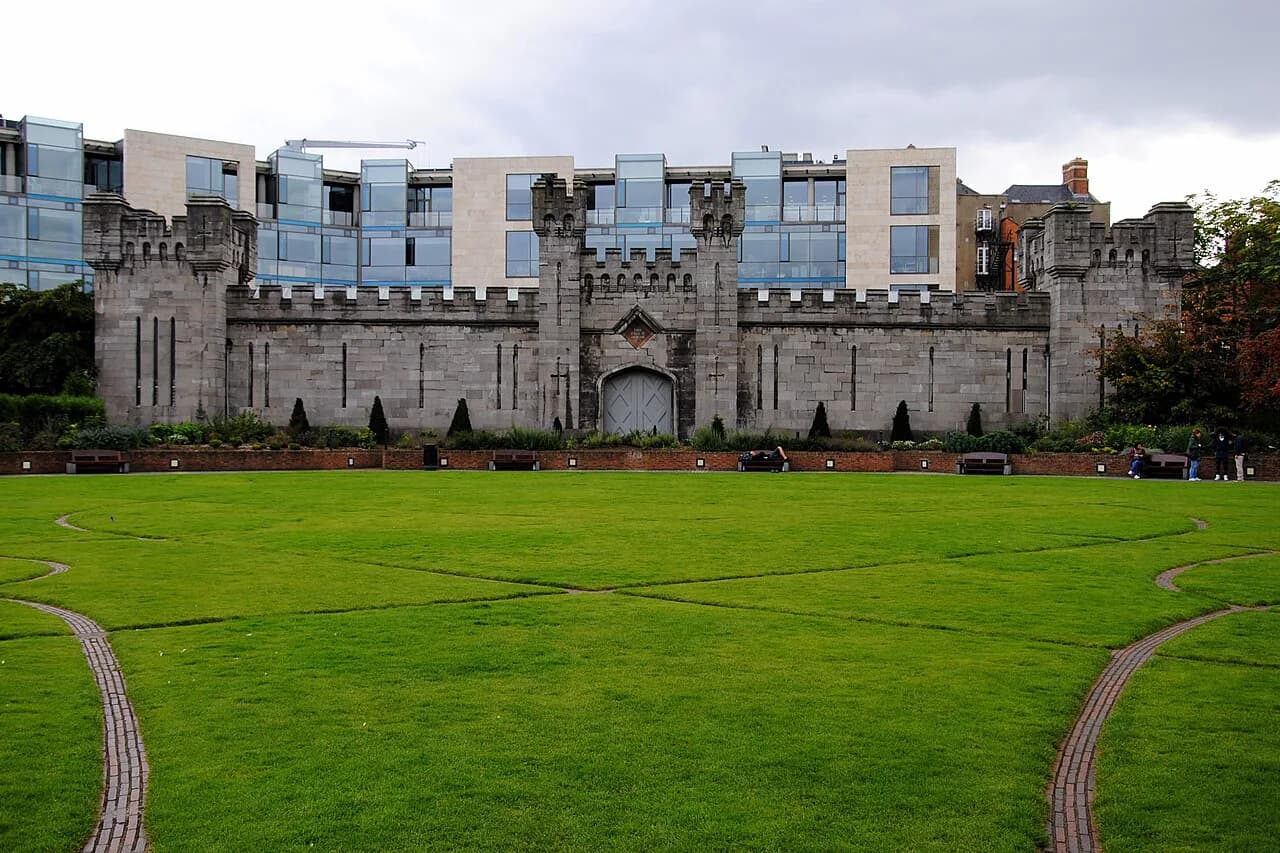
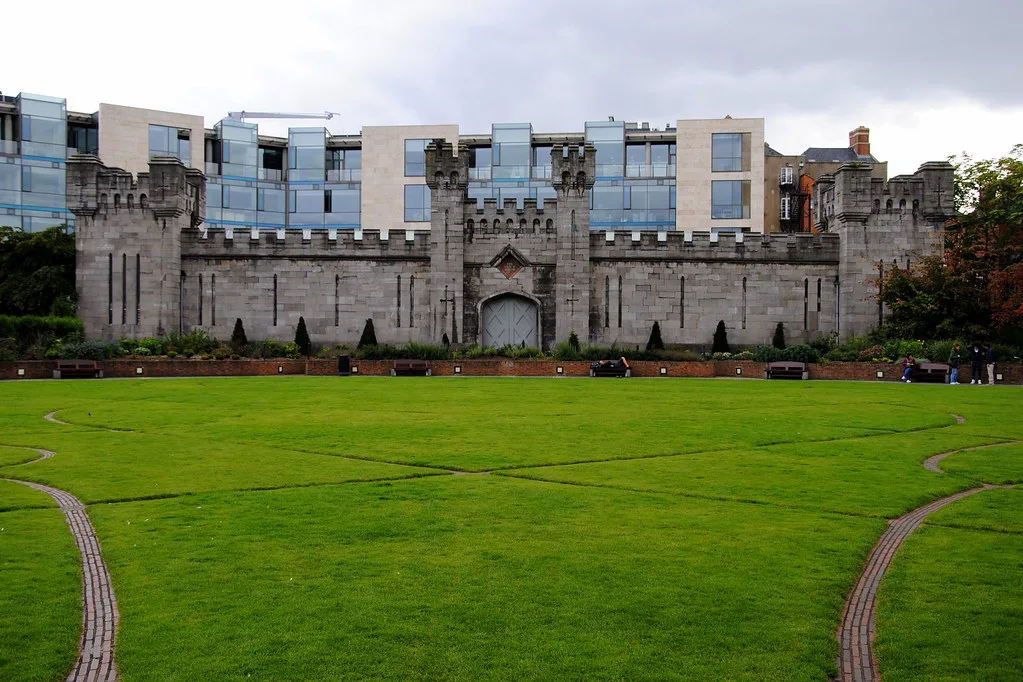
Dublin Castle occupies a site with roots in the Viking Age, although the castle itself was built in the thirteenth century. Over 700 years from 1204 until independence it served as the seat of English and then British rule in Ireland, and its functions over that span included a military fortress, a prison, a treasury and courts of law.
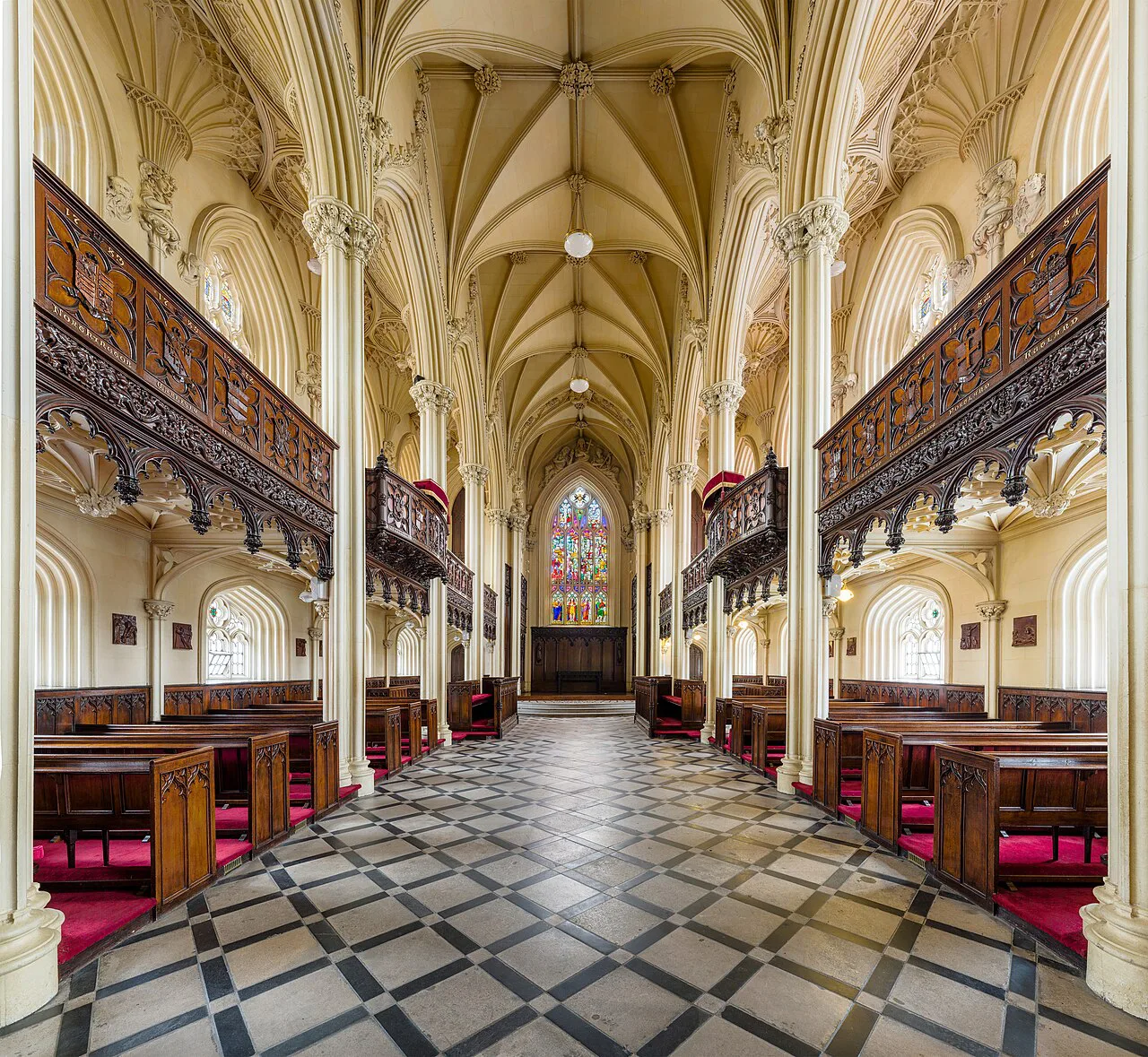
The complex was rebuilt across the seventeenth, eighteenth, nineteenth and twentieth centuries. It now operates as a government complex and a stage for state ceremony. Its published visitor offering names the state apartments, the undercroft, the Chapel Royal, a heritage centre and a restaurant, which is a good indication of what a future visit would actually cover.
Dublin Castle is well placed on foot, off Dame Street behind City Hall and a short walk from Trinity College on the way to Christchurch. That location makes it tempting as a city-centre cut-through, but the operator states plainly that there is no through access from Dame Street at Palace Street Gate to Ship Street for the duration of the closure.
Dublin Castle's Current Closure
The whole campus is closed to the public to accommodate Ireland's hosting of the Presidency of the Council of the European Union, and the operator's notices run the closure through 31 December 2026 while the castle serves as the primary State venue for more than a hundred events. Do not plan on visiting in 2026.
The operator says it looks forward to welcoming visitors back in January 2027. That is the operator's stated intention and should be confirmed on the official page before building a trip around it. The contact addresses listed there are for 2027 group bookings and education programmes, not for arranging a visit during the closure.
Rathfarnham Castle: An Elizabethan Fortified House
Rathfarnham Castle began as an Elizabethan fortified house built for Adam Loftus, a Yorkshire clergyman and politician who rose to become Archbishop of Dublin and Lord Chancellor of Ireland. Its four flanker towers make it a clear example of that building type in Ireland, and the plan reads as a defended residence rather than a royal fortress.
In the late eighteenth century the house was remodelled on a grand scale, with work by architects including Sir William Chambers and James "Athenian" Stuart. The collection holds family portraits by Angelica Kauffman, Sir Peter Lely and Hugh Douglas Hamilton. Visitors come here for interiors and paintings as much as for defensive architecture.
The castle also hosts changing exhibitions and cultural events, so the display may differ from one season to the next. If portraits are your reason for coming, ask what is currently hanging when you arrive rather than assuming the whole collection is on show.
Visiting Rathfarnham Castle
The operator divides the year between two schedules. From May to September the castle opens daily 09:30–17:30 with last admission at 16:45; from October to April it opens Wednesday to Sunday and Bank Holiday Mondays 10:30–17:00 with last admission at 16:15. It closes each year from 23 to 27 December inclusive, so a late-December visit needs a different plan.
Admission is charged at separate adult, senior or group, child or student, and family rates. The operator publishes the current figures on its site, and these are the rates to check before you go. Guided tours are available, and group tours must be booked in advance by phone or email. The operator has also posted a notice that there is currently no phone or internet connectivity at the castle, so confirm arrangements before you travel rather than relying on a call from the gate.
The castle stands in Rathfarnham, Dublin 14, and the operator lists a café, car park, lift, toilets and wheelchair-accessible toilet among its facilities. Assistance dogs only and dogs on lead are the stated restrictions.
Drimnagh Castle: The Restored Norman Seat
Drimnagh Castle describes itself as a meticulously restored Norman castle and as the sole remaining moated castle in Ireland. It was once the seat of the de Berneval family, who were granted lands in Drimnagh and Terenure by King John in 1215. Today it functions primarily as a heritage site, and guided tours cover both the castle and its gardens.
The moat is the detail that distinguishes it from the other sites on this list, since neither Rathfarnham nor the Dublin Castle complex is presented as a moated castle. The building is also used for private hire, including presentations, photo shoots and film work, which is worth knowing if you are planning a quiet weekday visit.
Visiting Drimnagh Castle
There are two ways in. Guided tours run by advance booking only, arranged directly with the castle. Self-guided visits, including a leaflet, are available during published hours: Monday to Thursday 10:00–16:00 with last entry at 15:00, and Friday 10:00–12:30 with last entry at 11:30. No weekend self-guided window is published.
Access can occasionally be limited during school visits or private events, and the operator invites visitors to make contact before travelling. Payment is accepted in cash and by card in euros. The castle is on Long Mile Road, Dublin 12, and there is a phone number on the site for enquiries; no admission price is published there, so ask when you book rather than budgeting from a guess.
Malahide Castle: A Name to Verify
Malahide Castle and Gardens appears among operator-listed castles, but its castle page as published offers navigation and a contact form rather than usable detail on history, collections, hours or admission. Treat it as a name to look up directly with the operator if it interests you, and do not assume it matches the others in what it shows or how it is entered.
For a wider set of Irish castle visits beyond the capital, this guide to Limerick castles covers a different regional group, including the medieval core of the city. If your interest is Norman fortification rather than state ceremony, that comparison is a useful counterpoint to the Dublin sites.
Several of the political figures linked to these buildings also belong to the city's revolutionary decade, which is covered on foot by the Dublin 1916 walking tour. The interiors in Dublin's churches offer a further look at the plasterwork and glass that later generations added to the city's older buildings.
Matching Castle Type to What You Want to See
If you want state rooms, ceremonial interiors and a sense of political power, Dublin Castle is the obvious choice, but only once it reopens; the published intention points to January 2027. If you want a furnished house with portraits and a garden setting, Rathfarnham fits better and can be visited now within its seasonal hours.
If you want visible medieval military architecture and a moat, Drimnagh is the one to book, remembering that self-guided visits are weekday mornings and afternoons only and that guided tours need advance arrangement. Theatres are the other side of the city's ceremonial life, and the capital's stages reward an evening after a day among these interiors. None of these sites is a substitute for another; the type of building determines what you actually see inside.
Plan Around the Closures
The practical order for late 2026 is straightforward. Rule out Dublin Castle for now, since the campus has no public access and no through route between Palace Street Gate and Ship Street, and keep the stated January 2027 return in mind rather than treating it as fixed. Then choose between Rathfarnham's Elizabethan interiors and Drimnagh's moated Norman setting.
Confirm hours and tour arrangements with each operator before travelling, particularly the seasonal switch at Rathfarnham and the advance booking requirement at Drimnagh. Both publish contact details, and a short check removes the main risk of a wasted journey.
Frequently Asked Questions
Is Dublin Castle open to visitors?
No. The Dublin Castle campus is closed to the public through December 2026 while it serves as the primary State venue for Ireland's Presidency of the Council of the European Union. There is no public access and no through route from Palace Street Gate to Ship Street. The operator has stated an intention to welcome visitors back in January 2027, which should be confirmed on the official page before planning a visit.
What kind of castle is Rathfarnham Castle?
It is an Elizabethan fortified house built for Adam Loftus, with four flanker towers. It was remodelled in the late eighteenth century with work by architects including Sir William Chambers and James "Athenian" Stuart, and it holds family portraits by Angelica Kauffman, Sir Peter Lely and Hugh Douglas Hamilton. It is a furnished house with a collection rather than a bare fortress.
Do you need to book a tour at Drimnagh Castle?
Guided tours are available by advance booking only, arranged directly with the castle. Self-guided visits with a leaflet are possible during published hours without a tour booking. Access can occasionally be limited by school visits or private events, so contact the castle before you travel.
What are Drimnagh Castle's self-guided visiting hours?
Self-guided visits run Monday to Thursday 10:00–16:00 with last entry at 15:00, and Friday 10:00–12:30 with last entry at 11:30. No weekend self-guided window is published. Check with the operator first, since school or private bookings can restrict access.
How much does Rathfarnham Castle cost?
The operator publishes current admission rates for adults, senior or group visitors, children or students, and families on its Rathfarnham Castle page, which is the place to confirm the figures, along with tour arrangements, before you visit.
When did Dublin Castle stop being the seat of British rule?
The castle served as the seat of English and then British rule in Ireland for 700 years, from 1204 until independence. The castle building itself dates from the thirteenth century, although the site's history reaches back to the Viking Age.
Which Dublin castle still has a moat?
Drimnagh Castle describes itself as the sole remaining moated castle in Ireland and has been restored as a Norman castle. It was once the seat of the de Berneval family, granted lands in Drimnagh and Terenure by King John in 1215. Guided tours cover the castle and gardens.
Can you walk through Dublin Castle between Dame Street and Ship Street?
No. During the closure there is no through access from Dame Street at Palace Street Gate to Ship Street. Walkers should plan a different city-centre route rather than treating the castle grounds as a shortcut.
Sources
You might also like

Continue reading
More guides you'll find useful