Dublin Art Galleries: A Visitor's Guide to the City's Collections
Plan a Dublin gallery visit with the National Gallery, IMMA, The LAB and artist-run spaces, plus a clear note on the Hugh Lane's long closure.
On this page
Dublin's art galleries are not one kind of place. The city holds national collections with thousands of works, a municipal arts hub for emerging artists, artist-run studios that open into galleries, and commercial rooms selling contemporary Irish art. Knowing which is which stops you from crossing the city for an experience you did not want.
One fact reshapes any plan built around Parnell Square: the Hugh Lane Gallery has been closed to the public since 28 September 2025, when renovation work began, and the city listing expects the closure to last at least three years. No reopening date has been published, so treat it as unavailable and build your day around the open venues instead.
National Gallery of Ireland: The Deep Collection
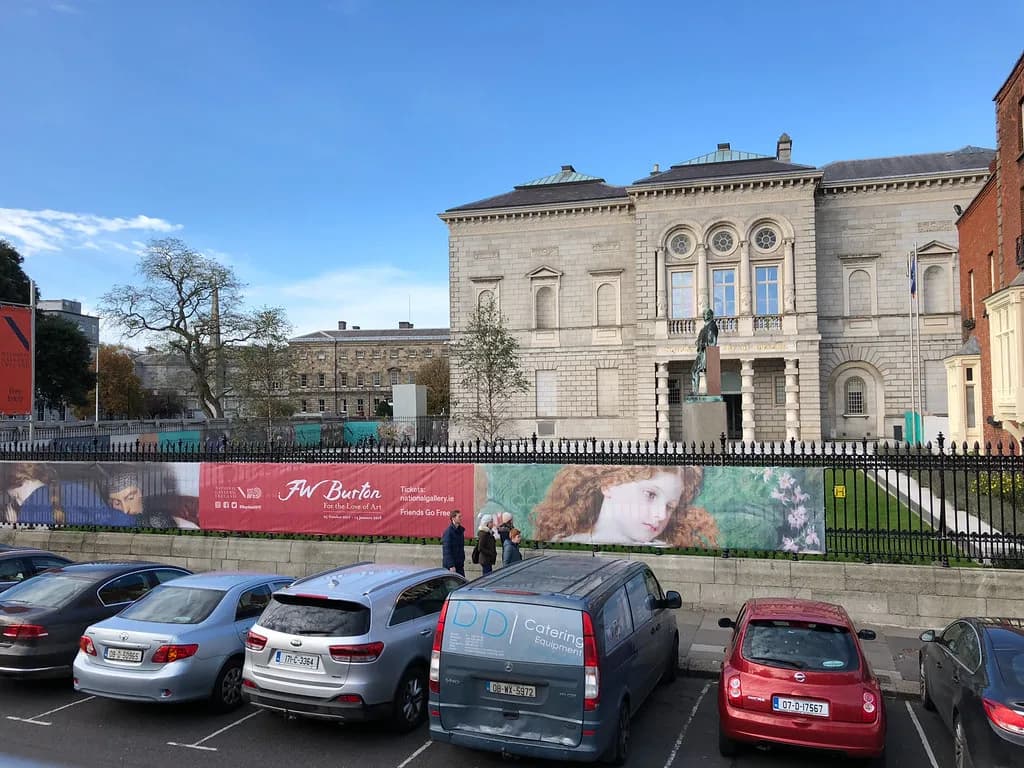
The National Gallery of Ireland, at the corner of Merrion Square West and Clare Street, opened in 1864 and now holds over 16,000 works spanning western European art from 1300 to the present. That range means you can move from Italian Baroque and Dutch masters to a strong holding of Irish artists in a single afternoon, and the gallery's own highlights include the National Portrait Collection, the Yeats Archive and stained glass by Harry Clarke.
Two holdings give the collection its character for many visitors. The National Portrait Collection, created in 1875, gathers paintings, drawings, photographs and sculptures of figures from the island of Ireland, while Caravaggio's The Taking of Christ, dated 1602 and rediscovered in 1990 after being thought lost, hangs on indefinite loan to the Irish people. A room devoted to Jack B. Yeats adds a concentrated dose of Irish modernism.
Admission is free for the permanent collection and many temporary exhibitions, but some shows are ticketed and worth booking before you travel. Suitcases are not allowed inside, and staff may ask you to carry a backpack at your side, so leave luggage at your accommodation. The café and shop sit on Level 0 of the Millennium Wing, which makes a natural pause between wings.
IMMA: Modern and Contemporary Art in a Kilmainham Setting
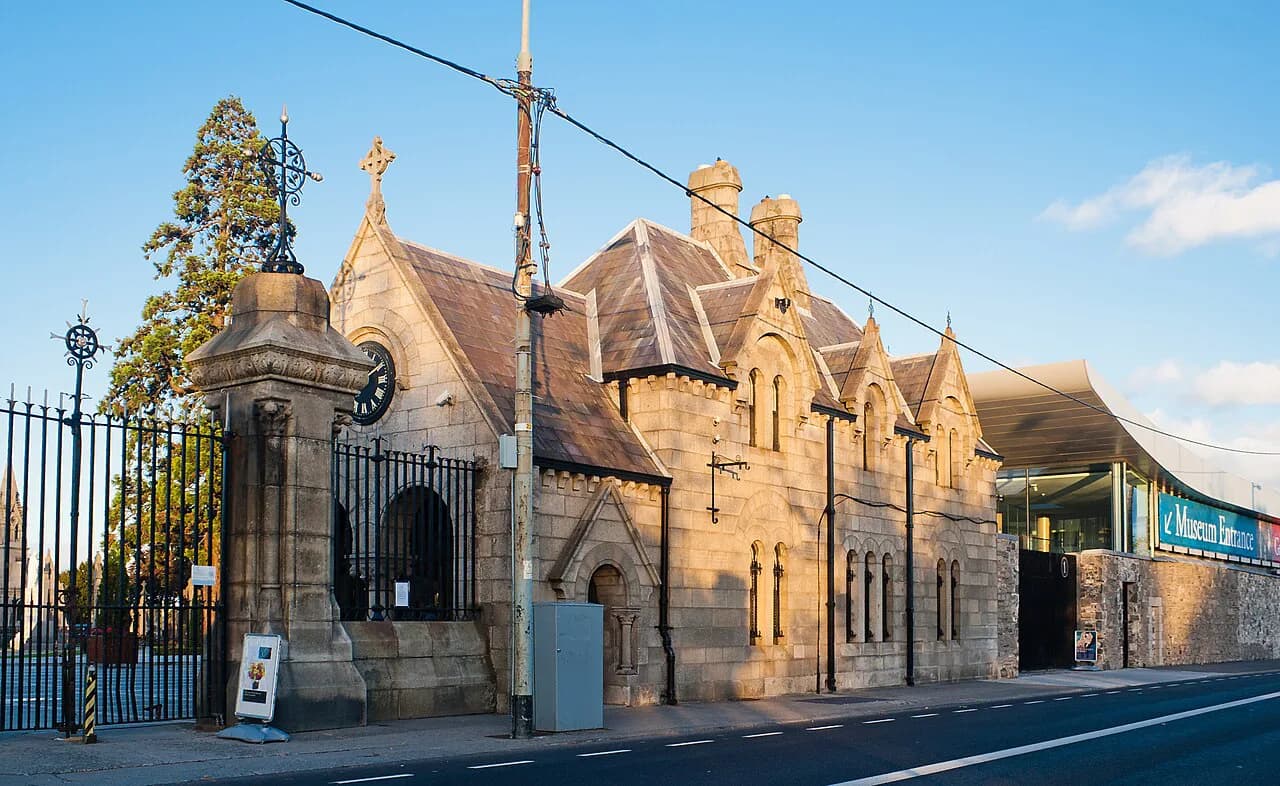
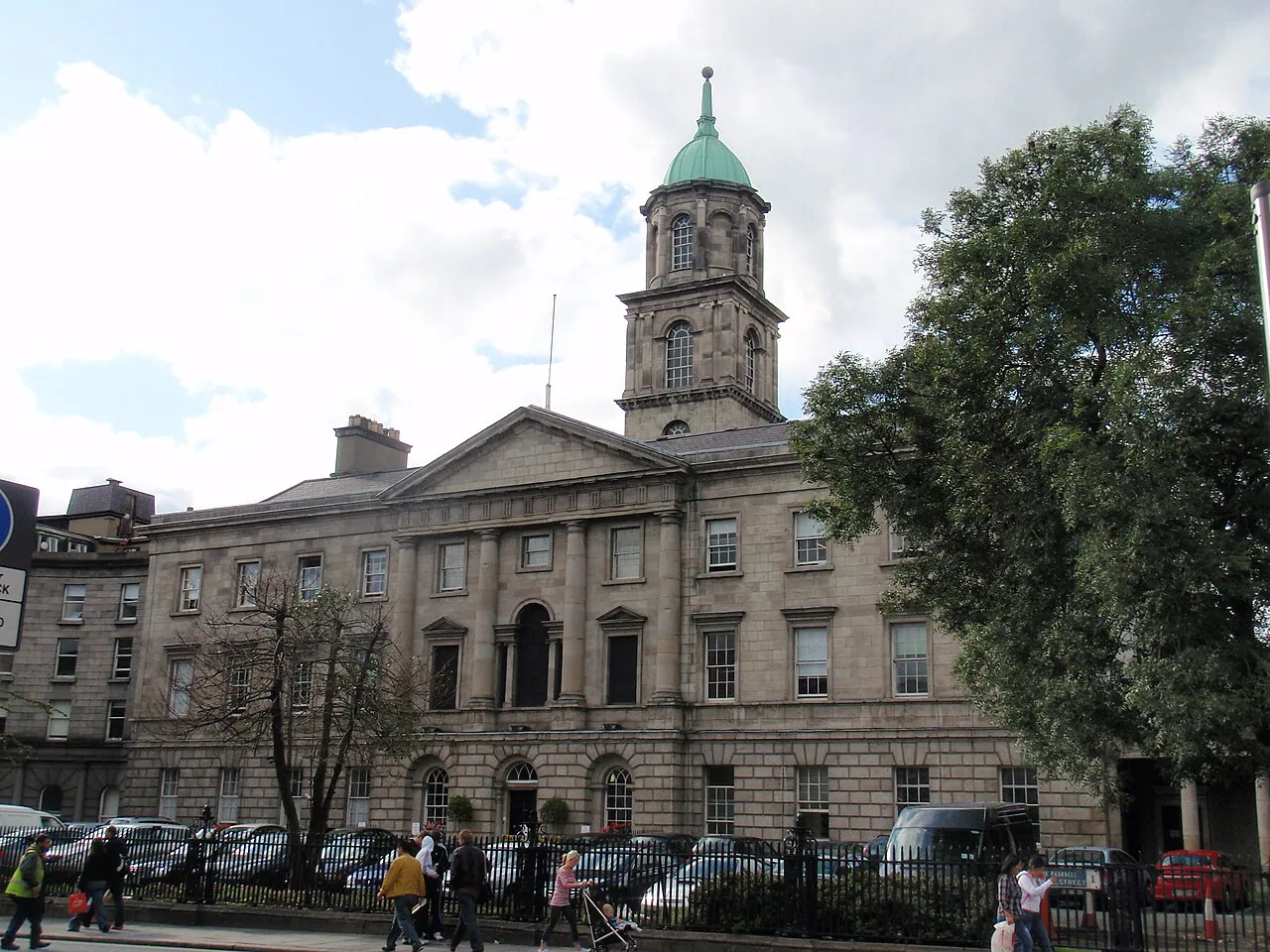
The Irish Museum of Modern Art is home to the National Collection of modern and contemporary art, with more than 3,500 works by Irish and international artists. It sits among the landscaped grounds of the Royal Hospital Kilmainham, and the grounds are part of the visit rather than an approach: you can walk the site before or after the galleries, and the museum's collections archive lets you look up works in your own time.
IMMA's programme goes beyond hanging exhibitions. Depending on the season, formats include guided tours, a tour delivered in Irish, family art workshops and dementia-inclusive tours, all listed on the museum's own programme pages rather than in any fixed pattern visitors can count on. Check the calendar before you go and confirm whether a given event needs booking or carries a fee.
The location works best as a half-day rather than a quick stop. The grounds and the route toward the Phoenix Park via the Irish National War Memorial Gardens make a natural extension for anyone combining art with a longer walk west of the centre, and the museum shop stocks art books and exhibition-related items if you want to take the collection home in print.
Hugh Lane Gallery: Why You Cannot Plan Around It Now
The Hugh Lane Gallery, based in Charlemont House on Parnell Square, is historically significant: Hugh Lane held the first exhibition of Irish art in London in 1904 and four years later established what the city listing describes as the world's first gallery of modern art in Dublin. The gallery later acquired the studio and archive of Francis Bacon, and its collection also includes stained glass and abstract works, but the building is shut for renovation and none of it can be seen at present.
For current trips, the closure is the deciding fact. The gallery shut its doors to the public on 28 September 2025 to allow renovations, and the city listing expects it to stay shut for at least three years. Any reopening falls beyond a typical visit window, so do not expect to see the Bacon studio in the meantime.
If Parnell Square is on your route for other reasons, keep the stop short and treat the gallery as a landmark you pass rather than a destination. The area's wider history is well served by other sites, and our guide to dublin history helps place the square in the city's story without relying on a closed building.
The LAB: A Municipal Space for Emerging Artists
The LAB Gallery on Foley Street sits a short walk from O'Connell Street and was established by the city's local authorities in 2005 as a municipal arts hub. It offers emerging artists rehearsal and incubation space alongside a gallery where their work is shown, so the programme changes with the artists rather than with a permanent collection.
That makes it a different proposition from the national institutions: expect a compact visit focused on work in development rather than a survey of art history. Check what is showing before making a special trip, since a single exhibition may be the whole of the gallery visit at any given time.
Artist-Run and Independent Spaces
Dublin's independent scene rewards curiosity. Temple Bar Gallery + Studios provides a space in the heart of the city for contemporary artists to create and exhibit, and its position near Meeting House Square makes it easy to fold into a walk through Temple Bar. Pallas Projects, a non-commercial, artist-run gallery and studio space in The Liberties south of the River Liffey, has hosted exhibitions, installations and performances by local and international artists since 1996.
Photography has its own address in Temple Bar. The Gallery of Photography, which the Dublin city listing describes as Ireland's national centre for contemporary photography, sits among the bustle of Meeting House Square and combines exhibitions with artist mentoring, portfolio printing and photography courses. Because its programme is exhibition-led, the sensible move is to check the current show rather than assume a permanent display.
Commercial Galleries and the RHA
Commercial galleries often show more work per square metre than institutional rooms, and browsing is generally free of charge, though confirm any ticketed show before you travel. The Royal Hibernian Academy hosts what Visit Dublin describes as Ireland's largest and longest-running annual exhibition of visual art, alongside smaller shows, and it functions as a platform for both new and established artists, as well as a spot for a sunny lunch.
Among the private rooms, the Molesworth Gallery is one of Ireland's leading contemporary art galleries, representing acclaimed artists exhibiting in the country today. It covers the ground and first floors of a Georgian house, with the ground floor accessible to wheelchair users and others with mobility challenges. Gormleys spreads across three floors of a Georgian house close to Trinity College, Grafton Street and the National Gallery, and includes an outdoor sculpture garden with large works by leading Irish sculptors.
The Oriel Gallery, established in 1968 on Clare Street beside the National Gallery, specialises in Irish art and offers free admission, which makes it an easy addition to a Merrion Square morning. If gallery architecture interests you as much as the paintings, the dublin georgian architecture guide explains the houses several of these rooms occupy.
Putting a Gallery Route Together
The simplest cluster sits around Merrion Square and Clare Street: the National Gallery, the Oriel and the Royal Hibernian Academy are within a short walk of each other, with Gormleys and the Molesworth Gallery reachable on foot toward the city centre. Concentrating on this cluster is the most efficient use of a single afternoon of gallery-going.
A second cluster forms in Temple Bar, where Temple Bar Gallery + Studios and the Gallery of Photography sit close together, with The LAB a short walk north across the river near O'Connell Street. IMMA stands apart at Kilmainham and deserves its own half-day rather than a rushed detour between city-centre stops.
With the Hugh Lane closed, a Parnell Square plan loses its main art destination, so redirect that time toward the Merrion Square cluster or Kilmainham. If you want a broader framework for the city's historic fabric beyond galleries, our dublin castles guide covers the fortified sites that sit outside the art circuit entirely.
Choosing the Right Gallery for Your Time
Match the venue to the hours you have. A spare hour suits a commercial room or The LAB, where a single exhibition is the visit; half a day belongs to the National Gallery or IMMA, where the collection depth justifies the time. Artist-run spaces such as Pallas Projects reward a short, focused stop rather than a scheduled slot.
If admission cost matters, the National Gallery's permanent collection and many temporary shows are free, and the Oriel states free admission, but some National Gallery exhibitions require tickets. Outside Dublin, our cork art galleries guide follows the same approach for another city's collections.
Plan Your Gallery Day
Start with what you actually want from a gallery: the National Gallery for historical range and a rediscovered Caravaggio, IMMA for modern and contemporary work in a parkland setting, or the smaller rooms for living artists and work you can buy. Group your stops by neighbourhood so walking time does not eat into looking time.
Before you set out, confirm the current exhibition and opening arrangements on the official Dublin city galleries listing or on each venue's own site, since temporary shows change and ticketed displays come and go. Leave the Hugh Lane out of your plan until its renovation is complete. For another heritage guide, read about Bookshops In Dublin.
Explore more Dublin guides
Frequently Asked Questions
Is the Hugh Lane Gallery open to visitors?
No. The Hugh Lane Gallery closed to the public on 28 September 2025 to allow renovations and has remained closed since, with the closure expected to last at least three years. No reopening date has been announced, so do not plan a visit around it, and do not expect to see the Francis Bacon studio reconstruction in the meantime.
Is the National Gallery of Ireland free to visit?
Admission is free for the permanent collection and many temporary exhibitions, but some shows are ticketed and may need to be booked before you arrive. Check the gallery's listings for the specific exhibition you want to see, and note that suitcases are not permitted inside.
What can you see at IMMA?
IMMA houses the National Collection of modern and contemporary art, with more than 3,500 works by Irish and international artists, displayed in the Royal Hospital Kilmainham. The grounds are part of the visit, and the programme includes guided tours, an Irish-language tour, family workshops and dementia-inclusive tours depending on the season.
Which Dublin galleries suit a short visit?
The LAB on Foley Street, Pallas Projects in The Liberties, Temple Bar Gallery + Studios and the commercial rooms such as the Oriel and Molesworth Gallery work well when you have an hour or less, since each is built around a changing exhibition rather than a large permanent collection.
Can you walk between Dublin's main galleries?
Yes for the city-centre clusters. The National Gallery, Oriel and Royal Hibernian Academy sit close together around Merrion Square and Clare Street, with Gormleys and the Molesworth Gallery a short walk away. Temple Bar Gallery + Studios and the Gallery of Photography are near each other in Temple Bar. IMMA at Kilmainham is separate and best treated as its own half-day.
Sources
You might also like

Continue reading
More guides you'll find useful