Museums in Cork: City and County Collections
Cork museums divide between a walkable city group and county collections. This guide sorts venues by what they hold, from Shandon butter to Cobh emigration.
On this page
Cork's museums are best chosen by subject rather than by working through a list in order. A compact city group covers dairy trade, prison life and broadcasting, Cork's medieval and revolutionary past, and eighteenth-century poverty and education, while county collections in Cobh, Clonakilty, Cape Clear and Allihies each reward a dedicated trip.
The practical split matters more than the count. City venues can be paired in a single day, whereas county sites involve a train, a drive or in one case a ferry, so building a trail around geography saves wasted hours. Opening hours and admission are published venue by venue, and not every source settles them, so confirm with each operator before setting out.
The City Cluster: Four Venues, Different Subjects
If you have one day in the city, treat the Butter Museum in Shandon, Cork City Gaol, Cork Public Museum in Fitzgerald's Park and Nano Nagle Place as a menu rather than a checklist. They cover unrelated subjects, so choosing two that interest you will be more satisfying than rushing all four. The tourism authority's museum roundup describes each one briefly and is useful for orientation, though it is a selection of favourites rather than a complete inventory or a ranking.
Group them by geography. The Butter Museum anchors Shandon, the gaol stands in its own former prison complex, Cork Public Museum sits in Fitzgerald's Park and Nano Nagle Place is a separate city-centre site. A route that groups nearby venues rather than criss-crossing the city leaves more time inside the buildings. If you want to extend the day on foot, a self-guided walk gives the street pattern context that museum labels rarely supply.
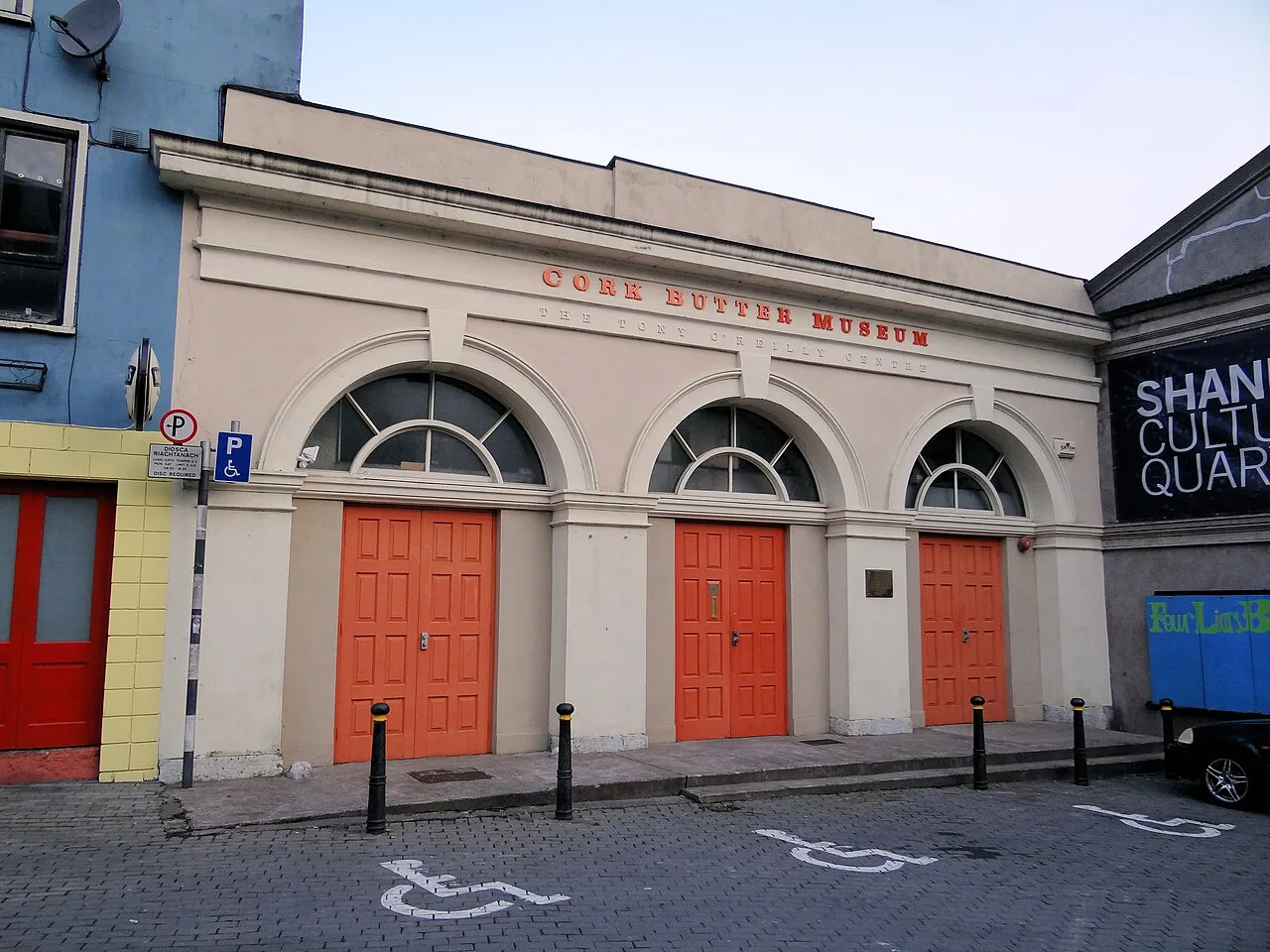
The Butter Museum: Cork's Dairy Trade in Shandon
This small museum in the historic Shandon area of Cork city takes one industry and follows it from the central place of dairy culture in early Irish religious life through to the modern export brand. Its displays cover the internationally important Butter Exchange in nineteenth-century Cork, the craft of making butter at home, and the commercial success of Kerrygold.
One distinctive holding is the wrapper collection. The museum notes that at one stage Ireland had more than 150 distinctive butter brands, each local creamery wrapping and selling its own product before centralised marketing changed the trade. Wrappers are ephemeral by nature, which makes a collection of them an unusually direct record of everyday commerce, and the museum publishes its wrapper collection online.
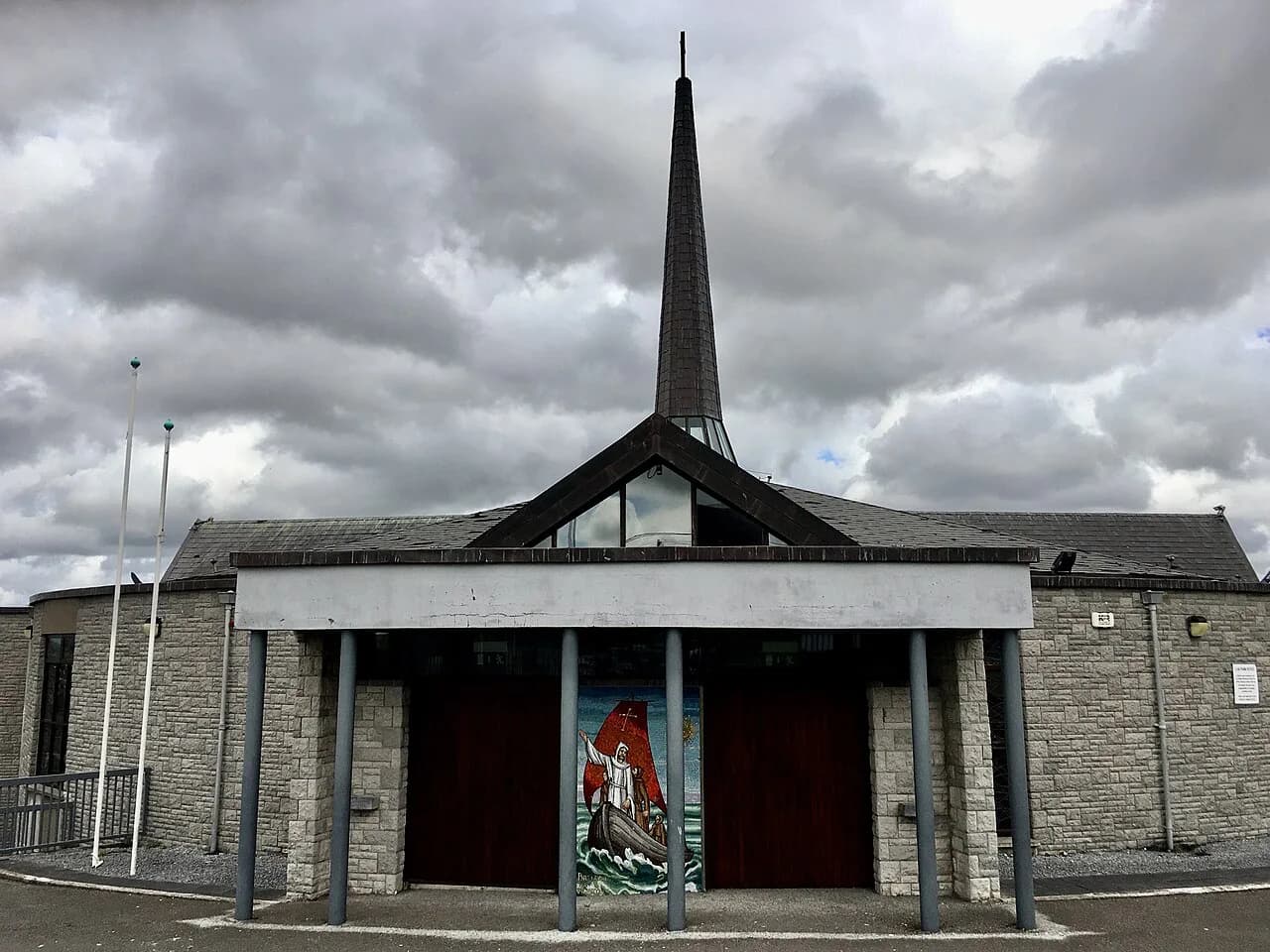
Shandon also holds one of the city's best-known religious landmarks, so the museum pairs naturally with a look at the surrounding streets. If that angle interests you, the guide to churches in cork covers several city buildings in more depth.
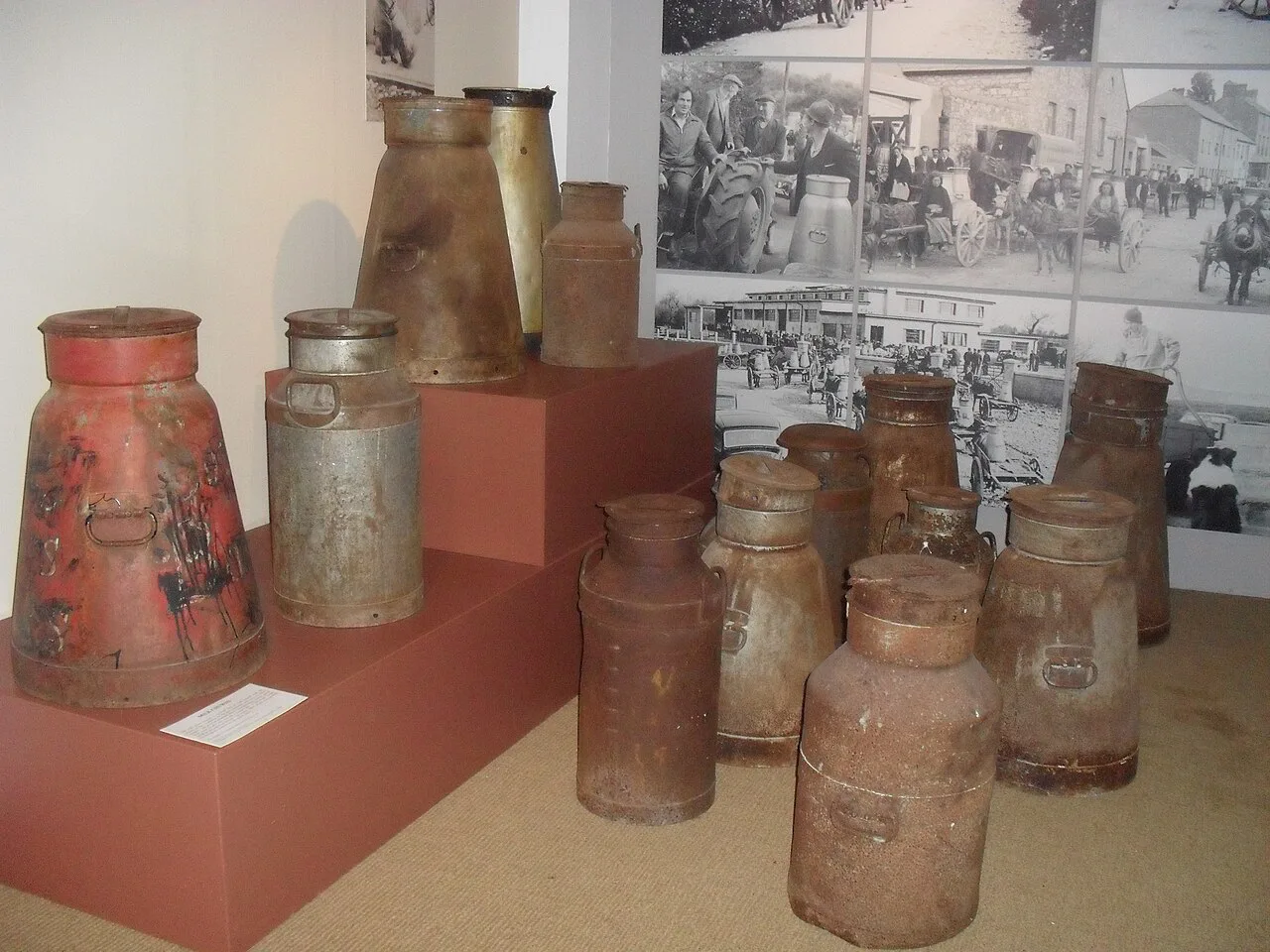
Butter Museum Practicalities: Seasonal Hours and Demonstration Seating
The museum publishes a seasonal pattern rather than one fixed set of hours. Its own site lists reduced winter opening, mid-year daily opening and shorter weeks in spring and autumn, with last admission at 3.30pm each day. Because the pattern changes through the year, check the site for the dates of your visit instead of relying on a remembered schedule.
Butter-making demonstrations are the planning pinch point. The museum can seat only 35 guests, offers no pre-payment or booking facility for demonstrations, and recommends arriving around 11am to tour the museum and claim a seat. Fresh bread and newly made butter are shared afterwards even if you miss the demonstration, so a failed attempt costs time rather than the whole visit.
Admission prices are listed on the museum's own site rather than fixed here, since they can change. Read the admission section alongside the opening pattern before you go, and treat the demonstration as a bonus that depends on arriving early rather than a guaranteed part of the ticket.
Cork City Gaol and the Radio Museum Experience
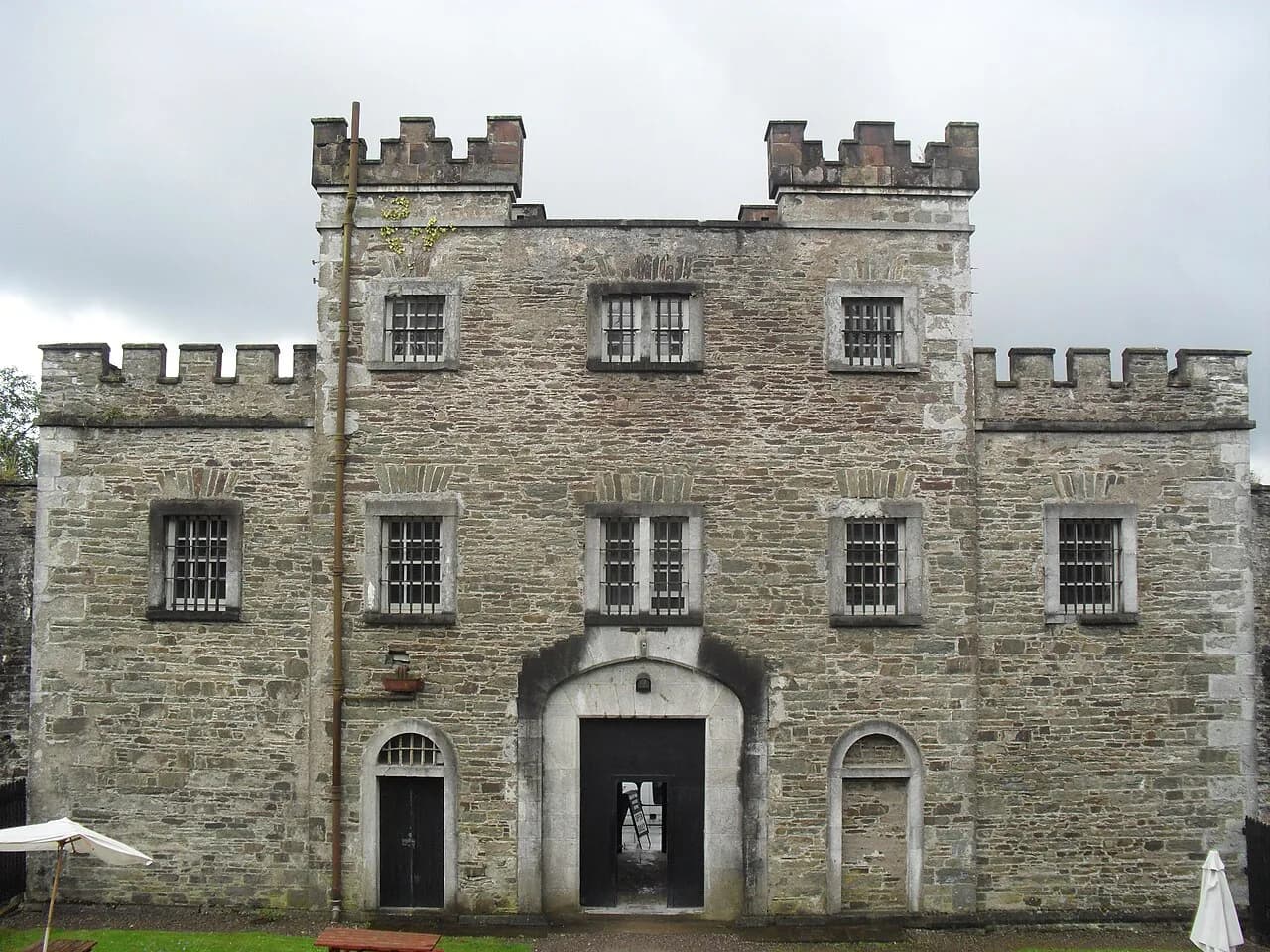
The former prison complex presents nineteenth and early twentieth-century prison life through furnished cells, lifelike figures, sound effects and exhibitions, with original graffiti on cell walls adding a rawer layer to the staged interiors. A third-party tourism listing describes the displays as tracing inmates from pre-famine times to the foundation of the state and contrasting the lifestyles of nineteenth-century County Cork with the circumstances that brought people to crime or to transportation to Australia.
The same location holds the Radio Museum Experience in the former Governor's House, covering early Irish and international broadcasting and incorporating the restored 6CK radio broadcasting studio. The listing notes a collection of artefacts relating to radio's early days and says commentary is available in up to thirteen languages. Treat these as the listing's description rather than operator-verified detail, and confirm arrangements with the site before relying on a particular language option.
No opening hours, ticket prices or booking arrangements for the gaol appear in that listing, and it is not the operator, so none are given here. Check the gaol's own channels for current times and admission before travelling, especially if the prison and radio displays are the main reason for your visit.
Cork Public Museum in Fitzgerald's Park
Cork Public Museum occupies a nineteenth-century Georgian building set in the greenery of Fitzgerald's Park, and its range is unusually wide for a city museum. The tourism authority's summary lists Bronze Age material, medieval finds including artefacts from excavations around the city's old walls, and a focus on War of Independence figures Michael Collins, Terence MacSwiney and Tomás MacCurtain.
That combination makes it the natural starting point if you want one place that frames the city's long history before you walk its streets. The city-walls material is particularly useful preparation for noticing how the modern street plan sits over the medieval town. For a fuller narrative of the period, the cork history guide provides background that museum labels can only sketch.
The park setting is part of the visit rather than an afterthought, and the building itself is an example of the city's older architecture. If design interests you, the cork architecture guide helps place the Georgian building and nearby streets in a wider context.
Nano Nagle Place: Eighteenth-Century Cork and Its Poor
Nano Nagle Place documents life in eighteenth-century Cork and the work of Nano Nagle in helping the city's poor, combining exhibitions and artefacts with a café and over three acres of gardens. The tourism authority describes the gardens as an oasis of calm in a busy city, which makes the site a reasonable half-day stop rather than a quick look.
Because the subject is poverty, education and charity in a specific century, the museum suits travellers interested in social history more than military or political narrative. Pair it with a walk through the surrounding streets so the eighteenth-century city it describes is easier to imagine; the broader city history gives the period more context than a single exhibition can.
County Collections: Cobh, Clonakilty, Cape Clear and Allihies
Cobh's heritage centre addresses emigration from the harbour town, which for centuries was the last sight many Irish emigrants had of their country before sailing for the United States and Canada. The tourism authority notes that many, including passengers of the Titanic, did not survive the crossing, and treats the centre as essential for anyone interested in the story of Irish emigration with or without family connections.
In west Cork, Michael Collins House in the heart of Clonakilty tells the story of the revolutionary leader through interactive displays, artefacts and tours. Further out, Cape Clear's museum occupies a former schoolhouse and holds a large collection of stories, genealogical information and artefacts; reaching it requires a short ferry from Baltimore village to the most southerly island in Roaring Water Bay.
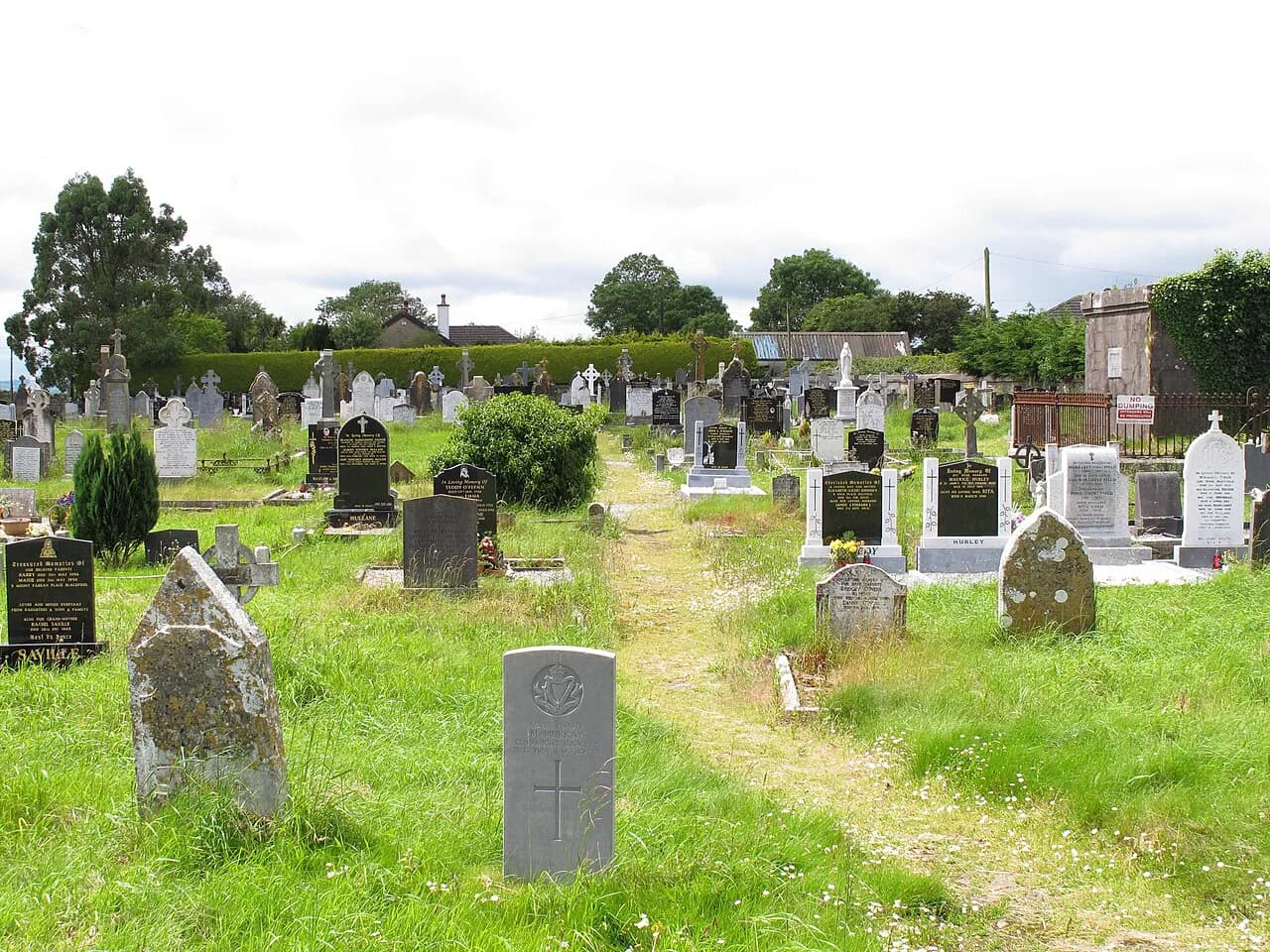
On the Beara Peninsula, the Allihies copper-mining museum — a small modern museum with a café — explains how the discovery of copper in nearby mountains transformed a village once employing over 1,500 people. The tourism authority also mentions a museum in a clock tower (Youghal's Clock Gate) that has straddled a main street since 1777 and tells 700 years of the town's history on a guided tour. For a different kind of heritage outing, the cork cemeteries guide covers burial grounds and their own historical layers.
Matching Museum to Interest and Geography
Start with subject. Dairy trade and design lead to the Butter Museum, crime and broadcasting to the gaol, medieval and revolutionary history to Cork Public Museum, social reform to Nano Nagle Place, and emigration or mining to the county venues. Two city venues plus a walk is a realistic day; adding a county site usually means committing a second day to travel.
Then check geography before fixing an order. Cape Clear and Allihies are far from the city and from each other. Read the tourism authority's descriptions as orientation for what a place covers, not as confirmation of hours or tickets, and confirm current details with each operator before booking travel.
Finally, keep expectations of the roundup modest. It is a tourism selection with short descriptions, so it will not tell you how long a collection takes or whether a gallery is closed for changeover. Independent points of comparison help: if you are weighing other cities, the museums in galway guide shows how a smaller museum scene is arranged.
Before You Go: What to Confirm and What to Ignore
Two reminders cover most of the risk. First, check each venue's own website for current opening hours and last admission, since seasonal patterns like the Butter Museum's shift through the year. Second, confirm prices and any need to book directly with the operator; for the Butter Museum demonstration, the museum itself states that no pre-booking is possible.
Skip any claim that a venue is free, open daily or fully accessible unless the operator says so. Third-party listings and tourism summaries are useful for deciding whether a subject interests you, but they are not ticketing desks. Build the day around what you want to learn, then verify the logistics at the source.
Plan Your Visit
Cork rewards the traveller who picks museums by subject: dairy trade in Shandon, prison and radio history at the gaol, the city's long past at Cork Public Museum, social history at Nano Nagle Place, and emigration or mining on day trips to Cobh, Clonakilty, Cape Clear and Allihies. A short, well-chosen trail beats a rushed circuit of every venue.
Before you travel, read the Butter Museum's own seasonal hours and demonstration notes, and check the gaol and the county museums directly for times and admission. If your route heads to other counties, the museums in limerick guide offers a comparison for a similar kind of regional museum planning.
Explore more Cork guides
Frequently Asked Questions
What museums can I visit in Cork city?
The city group includes the Butter Museum in Shandon, Cork City Gaol with its Radio Museum Experience, Cork Public Museum in Fitzgerald's Park and Nano Nagle Place. Each covers a different subject, so choose by interest; check current opening details with each venue directly before travelling.
What does the Butter Museum in Cork actually cover?
Its collection follows dairy culture from early Irish religious life through the nineteenth-century Cork Butter Exchange and home butter making to the Kerrygold brand. It also holds a collection of butter wrappers, a record of the many local creamery brands once sold across Ireland.
Do I need to book the Butter Museum butter-making demonstration?
No booking is possible. The museum seats only 35 guests for demonstrations and offers no pre-payment or reservation, recommending arrival around 11am to tour first and claim a seat. Bread and butter are shared afterwards even if you miss it.
What is the Radio Museum Experience at Cork City Gaol?
According to a third-party tourism listing, it occupies the former Governor's House within the prison complex and covers early Irish and international broadcasting, including a restored 6CK studio. The listing also mentions commentary in up to thirteen languages; confirm details with the site.
Which Cork museums are outside the city?
County options include Cobh's emigration centre, Michael Collins House in Clonakilty, Cape Clear's former schoolhouse museum reached by ferry from Baltimore, the Allihies copper-mining museum on the Beara Peninsula and the clock-tower museum in Youghal, which has stood on its main street since 1777.
How long should I allow for a Cork museum trail?
Two city venues plus a walk makes a comfortable day, especially if you cross the river only once. County sites such as Cape Clear and Allihies need a separate day because of travel, so plan them around geography rather than trying to add them to a city circuit.
Sources
You might also like

Continue reading
More guides you'll find useful