
Cork City Gaol: A Visitor Guide to Sunday's Well's Former Prison
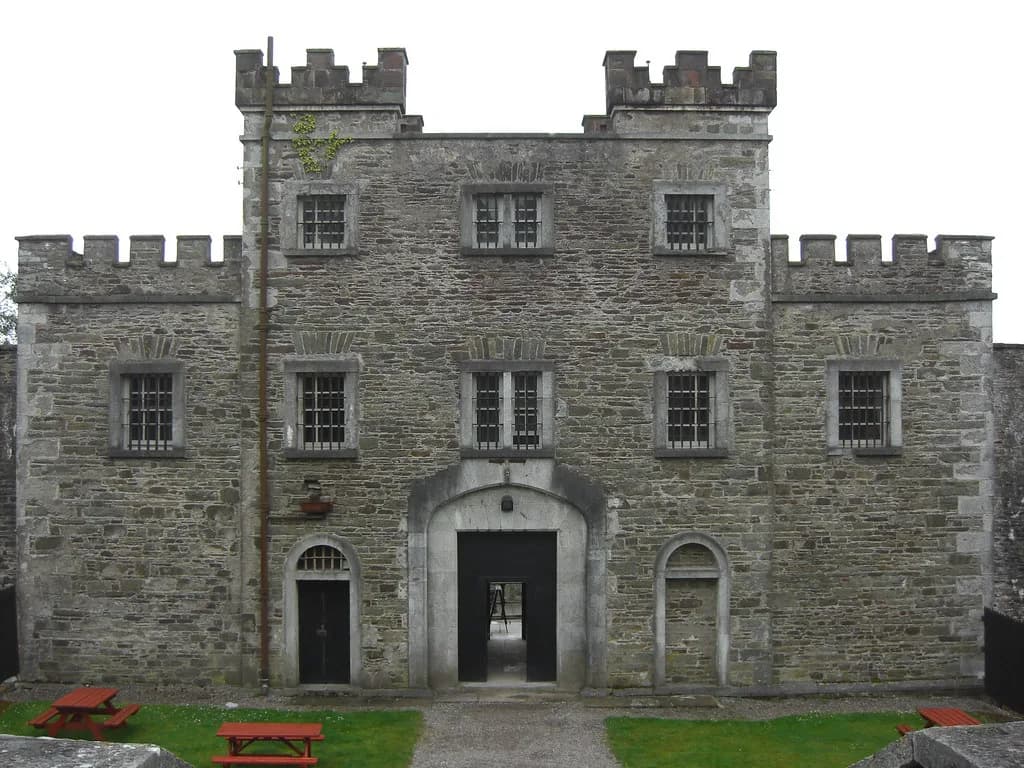
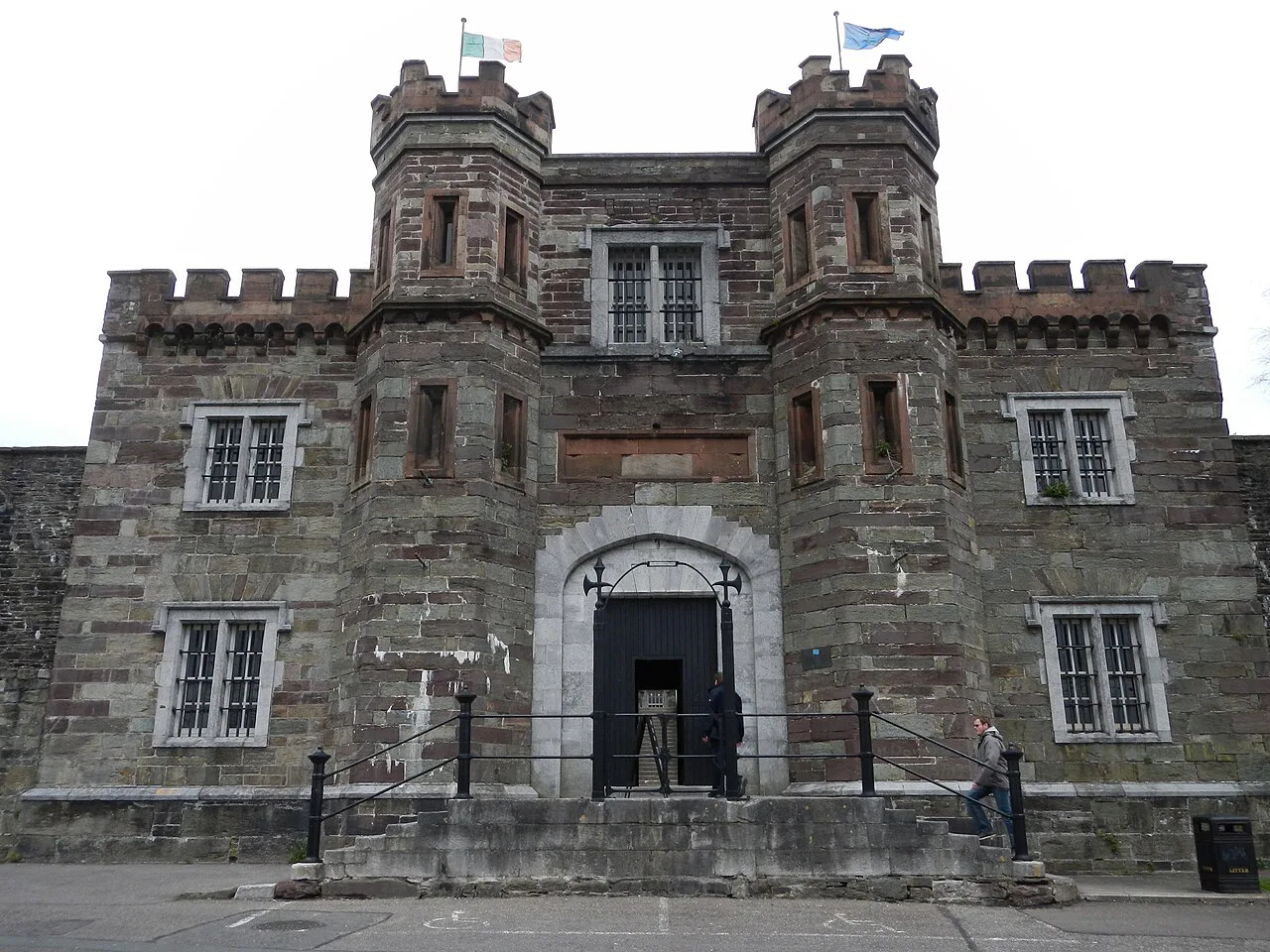
Cork City Gaol is a former prison on Convent Avenue in Sunday's Well, west of Cork city centre, open to visitors as a heritage centre. The operator describes the building as castle-like and offers both guided and self-guided tours through its wings and corridors. It is a separate place from Cork County Gaol, which has its own history.
This guide stays with this one place: how to reach it, what the displays cover, how the ticket options differ and where the building's physical limits matter. Practical details below are the operator's published information and can change, so confirm before travelling.
Where Cork City Gaol Stands
The gaol occupies a site at Convent Avenue, Sunday's Well, in the west of Cork city. The operator presents it as a magnificent castle-like building that once housed 19th-century prisoners, and that exterior is the first thing most visitors register. For more city context, see our Cork Attractions: 5 Visitor Guides.
The setting is residential rather than central, and the operator notes that local roads can be narrow in places. Treat the visit as a short trip out of the centre rather than a stop folded into a main-street walk; the operator's access guide describes driving and walking routes to the gate. To place Sunday's Well within the wider city, see the Cork Neighborhoods guide before you plan the walk; if you want to pair it with indoor stops on the same side of town, our museums in Cork guide covers the city's collections.

The Building's History in Brief
The operator's timeline begins with construction of the boundary walls in 1818, followed by the first prisoner in 1824 and the first execution on 26 April 1828. The western wing was remodelled in 1870, and in 1878 the gaol became a female-only prison.
Male and female republicans were held here during the Irish Civil War of 1922 and 1923, and deteriorating conditions led to prisoners being released or transferred and the gaol closing in 1923. Raidió Éireann began broadcasting from the Governor's House in 1927, and after a four-year restoration the building opened to the public as a visitor attraction in 1993.
That sequence is worth holding in mind as you walk: you are moving through a building that stopped being a prison before it housed a broadcaster and only later became a heritage centre. A separate account of the County Gaol notes that the 1878 General Prisons (Ireland) Act split prisoners by sex between the two Cork sites, which helps explain why the City Gaol's later history is so strongly associated with women.
What You See Inside
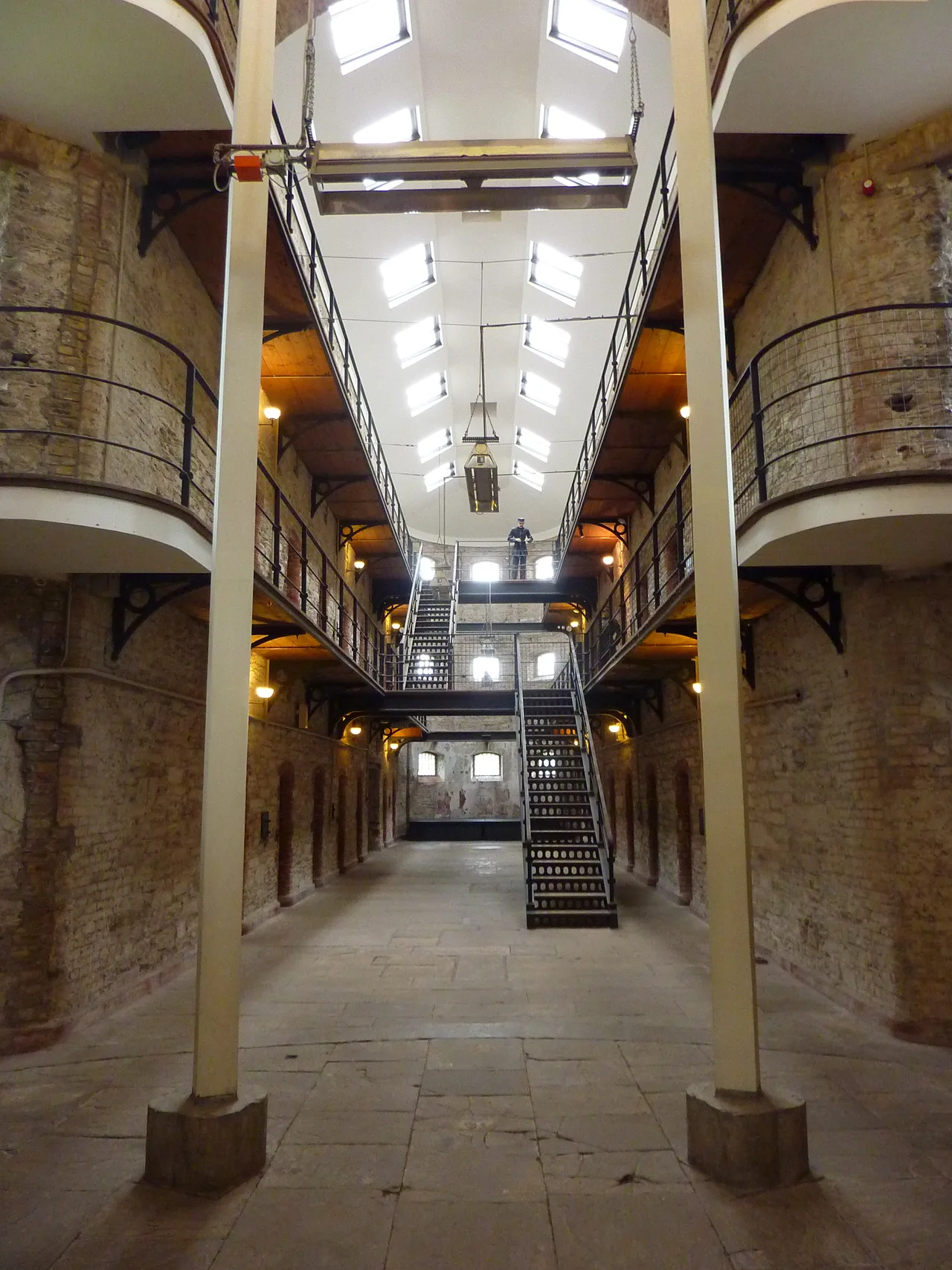
The route takes you through the building's wings and corridors, with prisoner stories told through displays. The operator counts nine prisoner story displays in total, seven of them on the ground floor, alongside the Governor's Office, an audio-visual show and the jail cell visitors can be locked into.
The self-guided guidebook, included with admission, carries a map of the building and the stories of the prisoners and staff you encounter along the way. If you prefer to listen rather than read, a rented audio guide follows the same route for an additional charge.
Because seven of the nine prisoner displays, the Governor's Office, the audio-visual show and the gift shop sit on the ground floor, a substantial part of the exhibition is reachable without stairs. The upper floors, the tower and some cells are not, which is the central trade-off for anyone with limited mobility.
Prison Stories to Listen For
The operator singles out Mary McDonnell, a repeat offender recorded with 57 convictions, and the conman James Burns, whose story turns on a near-miss at arrest. These are the individual narratives the guidebook and audio guide are built around, so they reward slower reading rather than a quick pass through the corridors.
Countess Markievicz is quoted by the operator as calling this the most comfortable jail she had ever been in, a remark the site uses to frame the cell experience. Treat that line as the venue's own presentation of her words rather than an independent assessment.
The Radio Connection
The operator's timeline records that Raidió Éireann began broadcasting from the Governor's House in 1927, four years after the prison closed. The site now carries the name Cork City Gaol and Radio Museum Experience, so expect the story to extend beyond penal history into the building's broadcasting chapter.
What that second chapter contains in exhibit terms is not set out in the pages available, so plan around the prison displays as the known quantity and treat the radio material as an addition you discover on site. Visitors wanting a wider survey of the city's museum offering can browse museums in Cork before fixing a schedule, and for the wider setting around this part of the city, see Cork Neighborhoods: 4 Area Guides.
Tickets, Tours and Opening Seasons
Admission includes a guidebook, with an adult ticket at €12, student and senior tickets at €9.50, child tickets at €7.50 and a family ticket at €37. Seniors must be 65 or over, children are aged 3 to 17, under-threes enter free, students need valid identification, a family ticket covers two adults and two to four children, and under-18s must be accompanied.
The guided tour costs a further €2.50 per person and the audio guide a further €2. Self-guided visitors can simply arrive within opening hours. The daily tour runs at 2pm, expands to hourly departures in July and August, and is offered in English only, while groups of ten or more must pre-book.
Opening follows two seasons, with longer daily hours from March to October and shorter ones from November to February, and the gaol closes from 22 to 26 December inclusive. These hours and rates are published by a privately owned heritage centre that states it is not part of the Office of Public Works or Heritage Ireland, so check current figures on the operator's site before you travel.
Getting There
No public bus passes the gaol itself; route 208 stops on Western Road, roughly a ten-minute walk away. The operator's access guide adds that routes 202, 202A, 208 and 40 serve the area, that Cork Kent station is about a 40-minute walk and that Cork Airport is roughly 20 minutes by car, with narrow local roads in places.
Parking outside the gaol is time-limited to two hours with no disc required, and coach space sits across the road from the entrance; larger vehicles can arrange a drop-off at the main gate where possible. A hop-on hop-off bus stops outside between March and November, but that service is seasonal, so check its timetable rather than assuming it runs.
If you are exploring the city on foot more broadly, the Cork Neighborhoods: 4 Area Guides set out how the city's districts are laid out.
Access and On-Site Facilities
Access is partial and arranged with staff: the main gate is opened and visitors are brought around the side of the building to a small ramp into the West Wing. There is no lift, so the upper floors and tower remain stairs-only, but the doors are wide enough for wheelchairs and a wheelchair-accessible toilet and baby-changing unit are in the main building.
Mid-morning on weekdays is generally quieter, and staff can be contacted in advance to discuss routes and assistance; they can also supply descriptive information about upper-floor content that some visitors cannot reach. Buggy access is limited for the same reason, and only service dogs are permitted on site.
There is no café or coffee shop: the gift shop holds a coffee machine, and picnic tables in the Governor's Garden plus green space give you somewhere to eat your own food. Toilets, including the accessible one, are in the main building.
How Long to Allow and What to Pair With It
The guided tour itself runs 45 minutes, and the self-guided circuit through the wings and corridors adds further time depending on how closely you follow the guidebook. Guided departures cluster around fixed times, so build the rest of your day around the tour slot rather than arriving just before it leaves.
For other stops in the same city, Elizabeth Fort is a separate historic fortification on the south side of the river, useful for visitors extending a heritage-focused day. It has its own entry arrangements, so confirm them independently rather than assuming a joint ticket; read our separate guide to Elizabeth Fort for its own details.
Further out, Blackrock Castle Observatory combines a historic castle with an astronomy centre, a different kind of stop that suits a second half-day. It is distinct from the gaol and keeps its own published opening information, set out in our guide to Blackrock castle observatory.
Cork City Gaol Versus Cork County Gaol
These are two different places with two different histories, and confusing them is a common error. Cork City Gaol on Convent Avenue is the visitor attraction described here; Cork County Gaol stood at what is now University College Cork, built between 1818 and 1823 in the Greek Revival style, and only its boundary wall and facade survive, with later university buildings on the site.
That account describes the County Gaol as serving the county outside the city boundaries and holding prisoners awaiting transportation to Australia, and records William Healy's execution there in March 1923. The 1878 legislation made the City Gaol female-only and reorganised the County Gaol for men, which is why the two institutions' later histories diverge so sharply.
Plan Your Visit
Cork City Gaol rewards a deliberate visit: read the guidebook, take the 2pm tour if you want a guided narrative, and allow time for the ground-floor displays even if stairs are not an option. Check the operator's published hours and rates before setting out, since seasons and prices are set by a privately run centre.
For other named places in the city, the Cork Attractions: 5 Visitor Guides hub sets out the wider picture of what is worth seeing beyond Sunday's Well.
Explore more Cork guides
Frequently Asked Questions
Is Cork City Gaol the same as Cork County Gaol?
No. Cork City Gaol is the heritage centre on Convent Avenue in Sunday's Well. Cork County Gaol was a separate institution serving the county outside the city, at what is now University College Cork, where only the boundary wall and facade remain.
Do you need to book a guided tour at Cork City Gaol?
Pre-booking is advised for the daily 2pm tour, and groups of ten or more must pre-book. Self-guided visitors can arrive any time within opening hours, since the guidebook is included with admission.
Can wheelchair users visit Cork City Gaol?
Access is partial. Staff open the main gate and direct visitors via a ramp into the West Wing; most ground-floor exhibits are step-free, but there is no lift, so upper floors and the tower are stairs-only. Contact the venue in advance to discuss needs.
What was the gaol used for before it opened to visitors?
It operated as a prison from 1824, became female-only in 1878, held Civil War prisoners in 1922 and 1923 and closed in 1923. Raidió Éireann broadcast from the Governor's House from 1927, and after a four-year restoration the building opened as a visitor attraction in 1993.
Is there parking and public transport to the gaol?
Parking outside the gaol is limited to two hours, with coach parking across the road. No public bus passes the gaol; route 208 stops on Western Road about ten minutes' walk away, and a seasonal hop-on hop-off bus stops outside.