
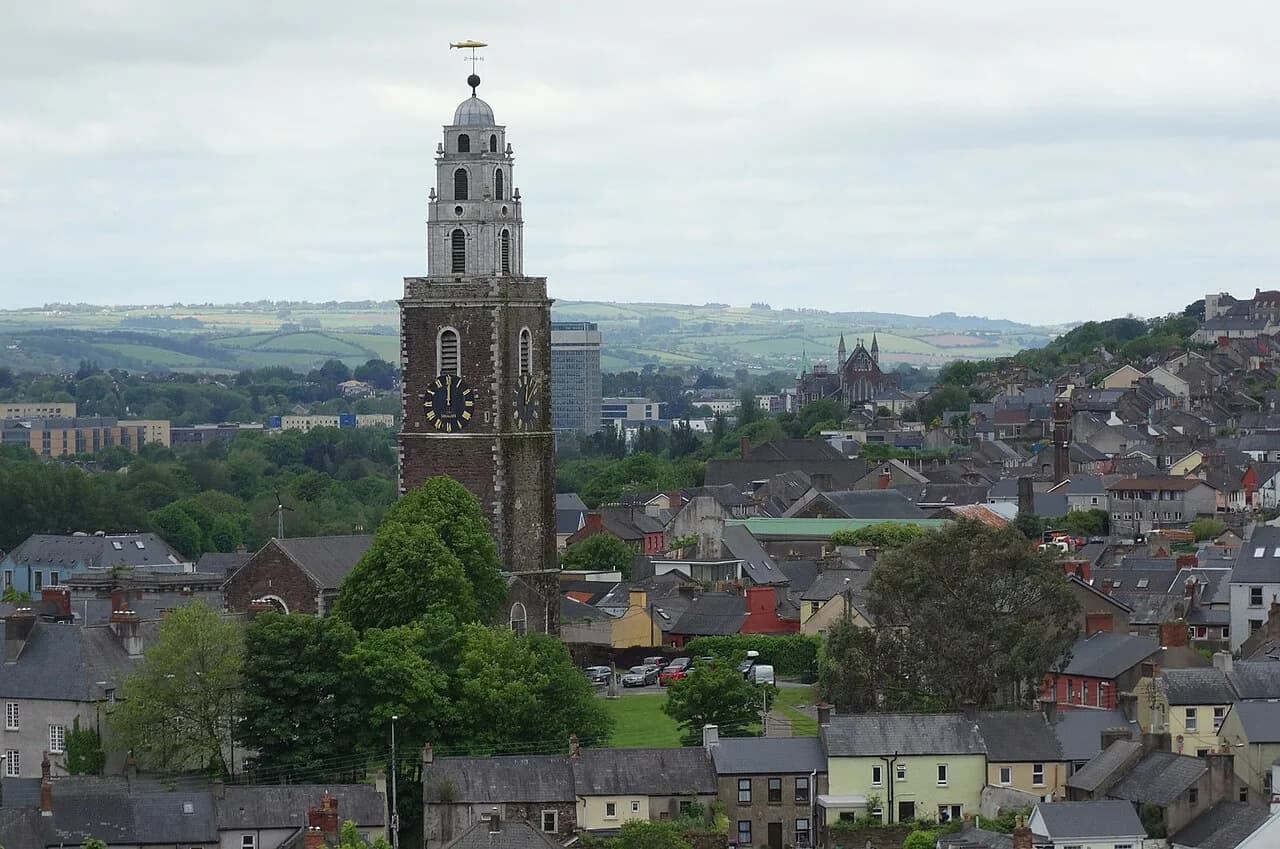
Shandon Bells and St Anne's Church, Cork: A Visitor Guide

Shandon Bells are the bells of St Anne's Church, a Church of Ireland parish on the hill of Shandon above Cork city centre, and they are the reason many visitors make the climb. The parish describes the church as Cork's oldest church still in continuous use, with an active worshipping congregation since 1722, and it invites visitors to join worship or to take a self-guided tour.
A visit here has two halves that you can judge separately: the church interior, with its ceiling, glass and older fittings, and the tower, reached by narrow stone steps and holding the bells, the clock and the city views. The parish site sets out what is on offer, and the national tourism listing gives the dimensions and features of the tower. Check current visiting arrangements with the parish before travelling, because published details can change.
The Hill of Shandon and the Approach on Foot
St Anne's sits in the Shandon neighbourhood, on rising ground above the River Lee and the city centre. The parish is only lightly specific about the approach, but the tourism listing describes the church as being reached through a tangle of small winding streets, so expect the last stretch to be a walk uphill rather than a straight run from a main road.
Because the tower stands high above the surrounding streets, it works as a landmark you can steer by as you climb. If you are touring Cork on foot, pairing this visit with another stop in the same part of the city keeps the walking sensible; the wider Cork Attractions: 5 Visitor Guides page lists other options across the city rather than this one neighbourhood alone.
Allow extra time for the approach itself, particularly if anyone in your group finds hills difficult. A commercial tour operator notes that the church occupies the hill of Shandon, which matches the experience of walking up through the streets to reach it.
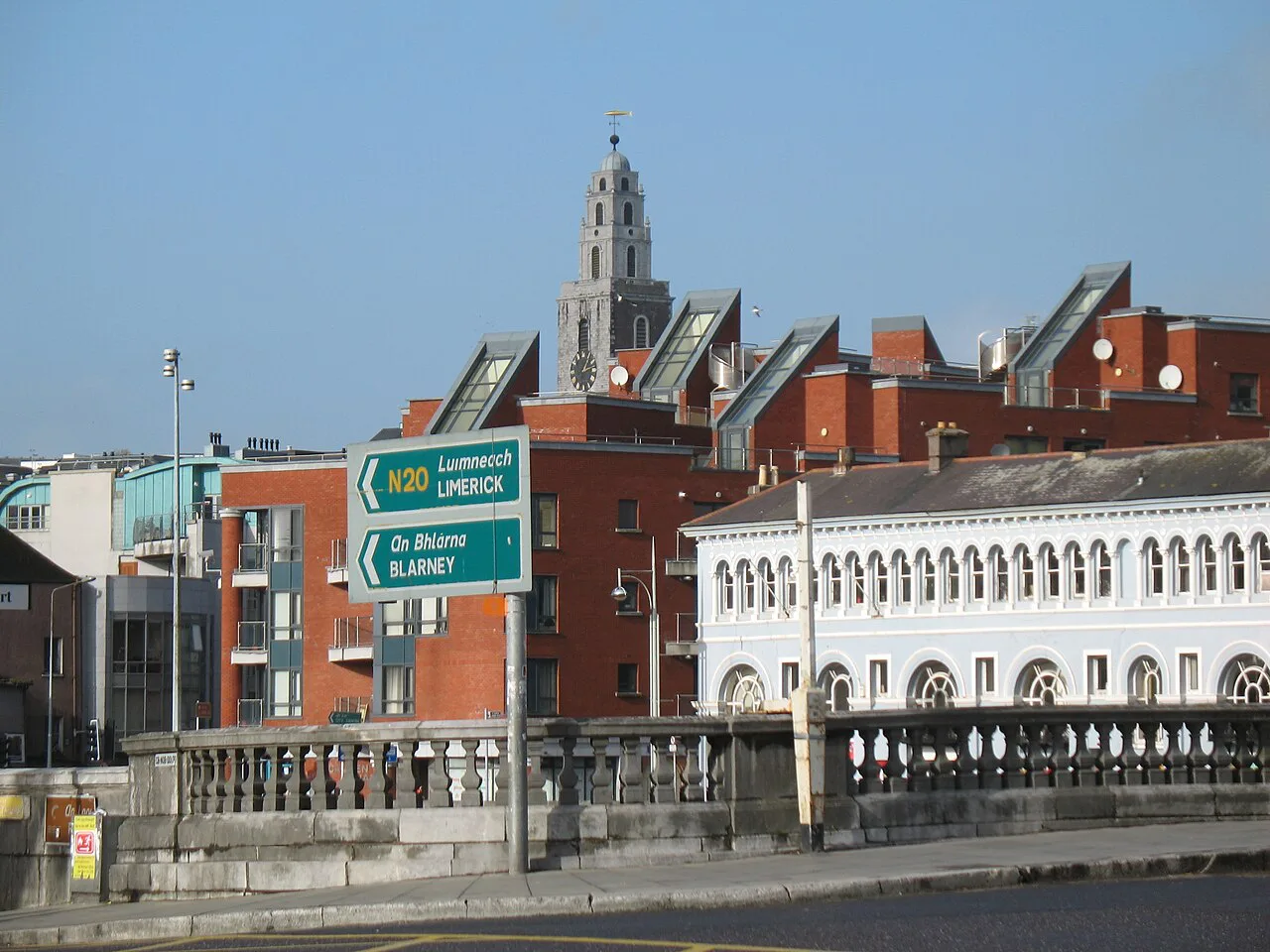

St Anne's Church: A 1722 Building Still in Use
The church dates from 1722 and belongs to the Church of Ireland, within the United Diocese of Cork, Cloyne and Ross. The parish itself notes that it has had weekly church services and an active worshipping congregation since that year, which is why it calls itself the oldest church still in continuous use in Cork City.
A 2001 architectural appraisal by Colin Rynne, cited by the parish, described the building as the most important ecclesiastical structure in Cork city and its immediate environs, and as one of a small number of early 18th-century Irish churches that still keep their original bells. Treat that as a specialist verdict rather than a casual compliment.
The tourism listing dates the church to 1722 and calls it one of Ireland's most important early 18th-century churches. Knowing this before you step inside helps explain why a relatively compact city church draws visitors who are interested in architecture as well as bells.
Inside the Church: Ceiling, Glass and the 1629 Font
Inside, the visitor's eye goes first to the roof: the tourism listing describes a barrel-vaulted ceiling, which gives the relatively modest exterior a surprising sense of volume once you are under it. Look up early in the visit, before the tower climb pulls you upward again.
Colour comes from stained glass windows, and the listing also records a stone baptismal font dated 1629, making it older than the present church building. That single object is a useful reminder that the site's story involves more than one phase of construction.
The parish presents the church as somewhere to join worship or to take a self-guided tour, so the interior is not a museum set but a room in everyday use. Plan your looking around the fixed furniture and any service preparation rather than assuming an uninterrupted circuit.
Climbing the Tower: Narrow Stone Steps and Height
The tower rises about 50 metres above the Shandon streets, according to the tourism listing, and the way up is by narrow stone steps rather than a lift or a broad stair. That combination of height and tight circulation is the main thing to weigh before starting the climb.
A tour operator's description flags the spiral staircase as potentially difficult for visitors with mobility issues. Read that as a caution rather than a firm rule either way: if stairs are a concern, ask the parish about the climb before you commit to it.
Climbing also means sharing a confined space with other visitors on busy days. Starting the ascent early in your visit, while you still have energy, leaves you free to enjoy the church interior afterwards at a slower pace.
Playing the Eight Shandon Bells
At the top, the bells themselves are the attraction: eight bells weighing six tonnes in total, as the tourism listing records, and a selection of sheet music is available for visitors who want to try ringing a tune. This is an activity, not just a view, so allow time to wait your turn.
The parish likewise lists playing the bells among the things a visitor can do, alongside seeing the clock mechanism and climbing for the city panorama. Those three items together make a natural sequence for the tower portion of a visit.
The bells are famous beyond Cork because they appear in music and verse, and the tourism listing notes that reputation directly. Being able to ring them yourself is the unusual part; hearing them from street level is the more common experience.
The Four-Faced Clock and the Gold Fish Weathervane
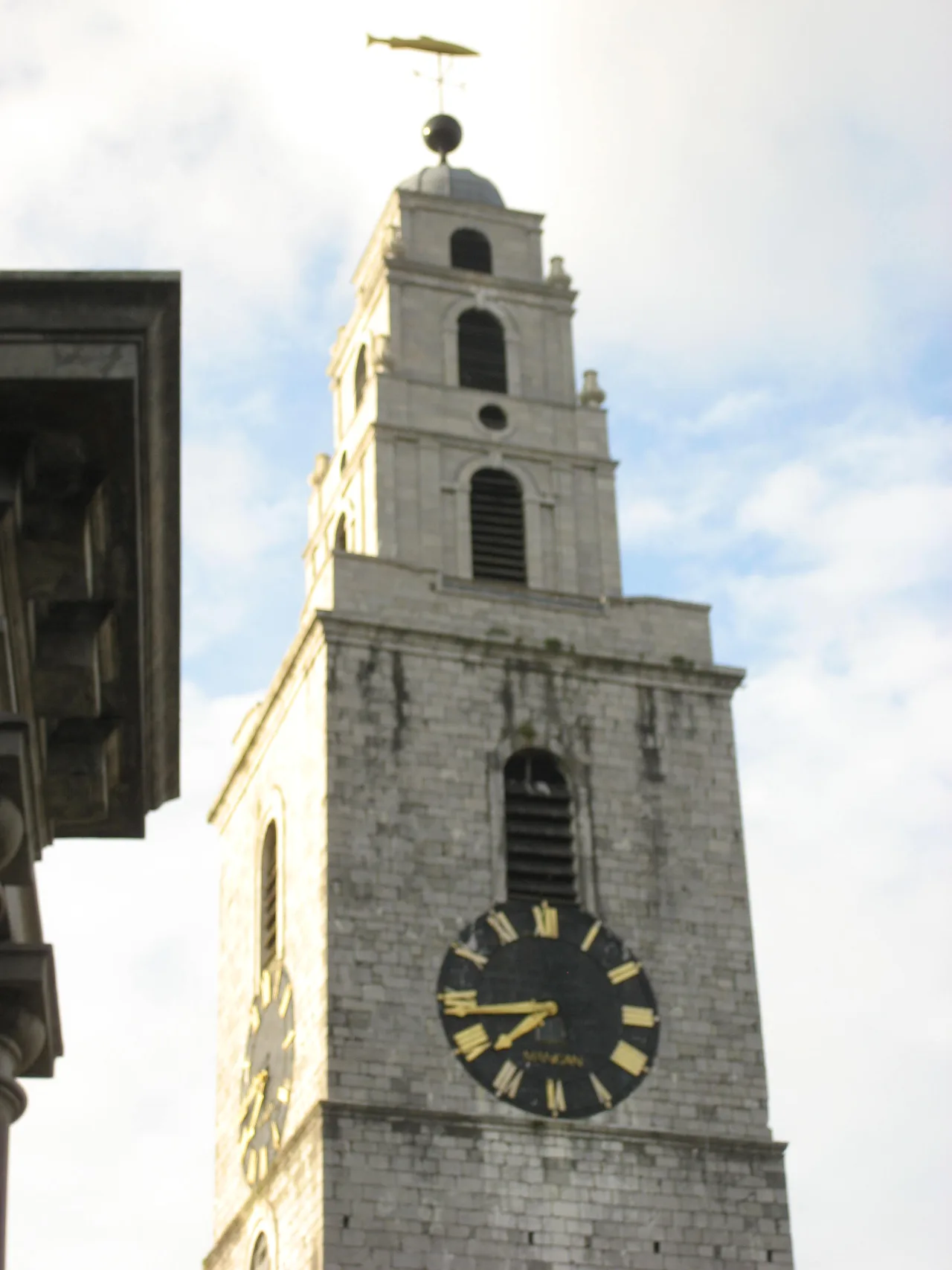
The parish invites visitors to see the inner workings of the four-faced clock during the climb, and the tourism listing likewise records the clock as one of the church's features. Add it to the tower portion of your visit rather than leaving it purely to the bells and the view.
Above everything sits a weathervane in the shape of a gold fish, about three metres tall according to the tourism listing. The listing explains it as carrying two meanings at once: an early Christian symbol and a reference to the salmon of the nearby River Lee.
Both features are easy to pass without noticing if you concentrate only on the bells and the view. Build them into the climb deliberately: the clock on the way through the tower, the fish once you reach the open air.
Views from the Top and How Long to Allow
The reward at the summit is a full circle of Cork, described by the tourism listing as a 360° panorama over the city and its surroundings. Because the tower is one of the higher points in the district, the view puts the River Lee and the city's spread into context.
The parish also presents the view as a 360-degree experience, so both the operator and the tourism authority agree on what you get at the top. Neither publishes a fixed duration, so judge your own timing from the climb, the bell-ringing and how long you want to spend looking.
If you are fitting this into a day of sightseeing, treat the church and tower as the anchor of a half-day in this part of the city rather than a quick stop. Other options in the area, such as the city gaol, fill out a fuller day without repeating the same kind of visit, and our guide to museums in cork adds an indoor alternative for wet afternoons. If you would rather compare the same bell-ringing and tower-climb decision at another destination, our Cork Neighborhoods guide is the place to weigh the alternatives.
A Working Church, Not Only a Landmark
St Anne's remains an active parish with services and a regular congregation, which shapes how you should behave inside. The parish describes self-guided tours alongside worship, so quiet and a willingness to step aside during a service are part of the visit.
The calendar includes seasonal occasions such as Christmas, Easter, Pentecost and Harvest, and the parish publishes specific events on its site. If you want to see the church in festival mode, check the parish's own listings rather than relying on a general guide.
This working-church character is part of what you are visiting. The building has been in active use since the early 18th century, and the atmosphere on any given day will reflect whatever is happening in the parish that week.
Access Candour and Checking Current Details
There are two honest limits to flag. The tower climb involves narrow stone steps, and the spiral staircase may be difficult for people with mobility issues, so decide before you start whether the ascent suits everyone in your group.
Second, current visiting arrangements are best confirmed with the parish rather than assumed from any guide. The church's own site is the place to check, and a quick enquiry before travelling avoids a wasted climb.
Nearby: the Cathedral of St Mary & St Anne and Shandon Streets
The tourism listing points to the nearby Cathedral of St Mary & St Anne as another of Cork's well-known churches worth seeing. It is a separate place of worship, so treat it as a neighbour to this visit rather than part of the same ticket or building.
Beyond the cathedral, the streets of Shandon themselves repay a slow walk, and the winding approach flagged by the tourism listing is part of the experience. If you want to extend a heritage day, Elizabeth Fort is another visitor site in the same city, and our Cork Neighborhoods guide helps you plan the surrounding districts on foot. For a different kind of collection, our guide to museums in cork covers city and county options beyond church heritage.
For a broader comparison of Cork city attractions after your visit here, the Cork Attractions: 5 Visitor Guides page lists other sites across the city as a starting point.
Plan Your Visit to Shandon Bells
St Anne's Church and its tower give you three things in one place: a 1722 church still in worship, a climb to a panorama over Cork, and the chance to ring the eight Shandon Bells yourself. Go for the interior first, then the tower, and look deliberately for the clock and the gold fish weathervane along the way.
Weigh the stair climb honestly, confirm current visiting arrangements with the parish before you travel, and leave room to wander the winding streets of Shandon afterwards. That combination makes the hill a worthwhile half-day rather than a rushed stop. For more about the surrounding district, read our Shandon neighbourhood guide. For a different kind of city attraction, see our guide to Cork Opera House; for a heritage site further out, see our guide to Blackrock Castle Observatory.
Frequently Asked Questions
What are the Shandon Bells?
They are the eight bells in the tower of St Anne's Church on the hill of Shandon in Cork, and they are the reason many people make the climb. The tower also holds the four-faced clock, and visitors can play a tune on the bells using sheet music kept on site. For current arrangements, check with the parish.
Can visitors play the Shandon Bells?
Yes, the parish lists playing the bells among the things visitors can do, and a selection of sheet music is available so you can attempt a tune. Expect to wait if the tower is busy, and remember this is a shared space inside a working church.
How hard is the climb up the tower?
The way up is by narrow stone steps to a tower standing about 50 metres above the surrounding streets. Guides flag the spiral staircase as potentially difficult for visitors with mobility issues, so check with the parish if stairs are a concern before you commit.
What is the four-faced clock at Shandon?
It is the tower clock whose inner workings the parish invites visitors to see during the climb. The 'four-faced liar' nickname is not documented in the sources consulted here, so treat it as local tradition rather than a verified fact.
Why is there a gold fish on top of the tower?
The weathervane takes the shape of a gold fish, around three metres tall, and the tourism listing explains it as both an early Christian symbol and a nod to the salmon of the nearby River Lee. Look for it once you reach the open air at the top.
How long does a visit to Shandon Bells take?
No fixed duration is published, so plan around your own pace: the climb, time with the bells, the view and the church interior all add up. Most visitors should treat the church and tower as the main part of a half-day in Shandon rather than a quick stop.
Where is St Anne's Church in Cork?
It stands in the Shandon neighbourhood on rising ground above the River Lee, reached by a network of winding streets. The last stretch is uphill, which is worth knowing if anyone in your group finds hills or stairs difficult.
What else is near St Anne's Church?
The tourism listing names the Cathedral of St Mary & St Anne as a nearby church to see, and the streets of Shandon themselves are worth walking. Other Cork heritage sites, including the city gaol and Elizabeth Fort, sit elsewhere in the city and can fill out a longer day.