
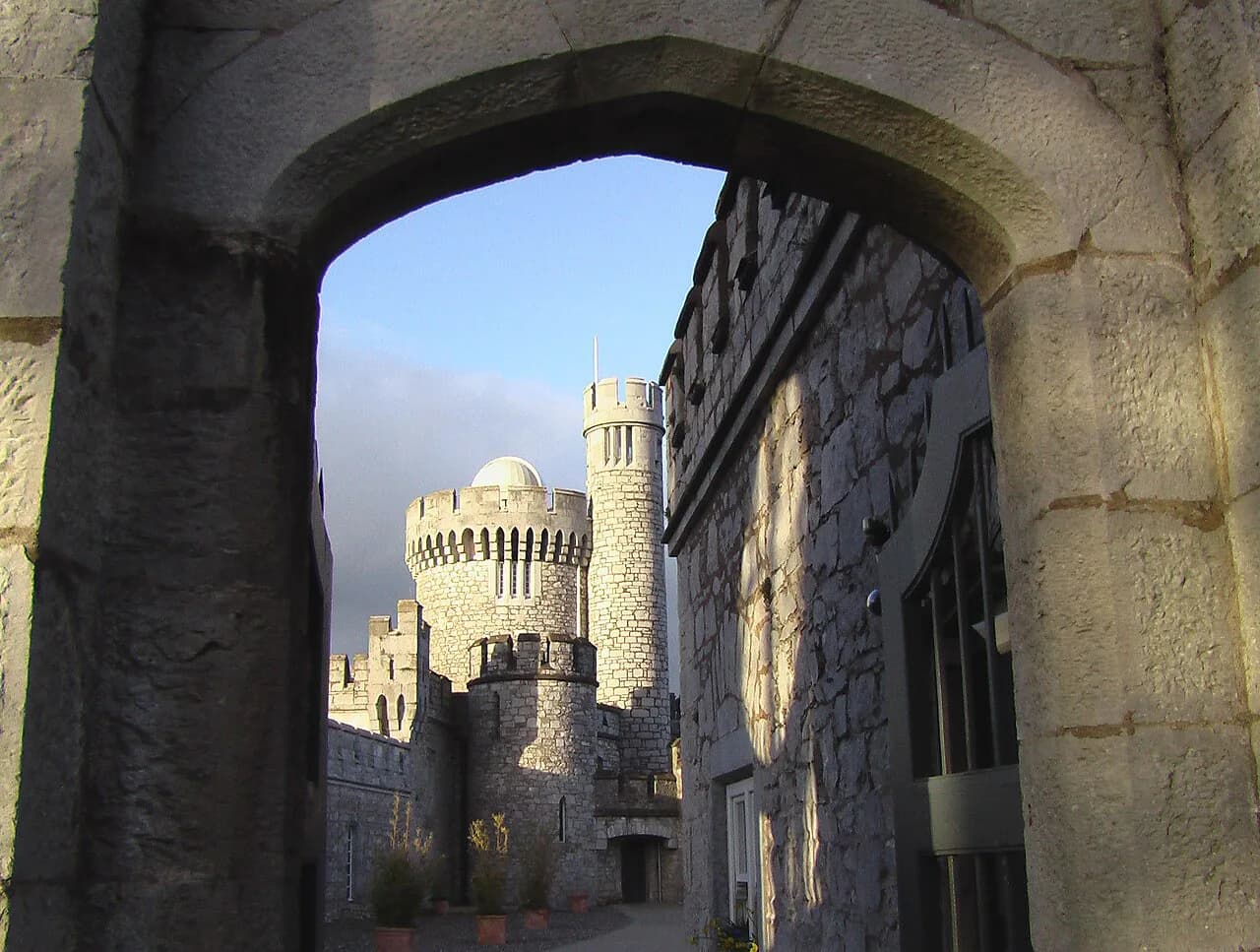
Blackrock Castle Observatory: Visiting Cork's Riverside Castle and Science Centre

Blackrock Castle Observatory is a science centre and working research observatory housed in a castellated limestone castle on the south bank of the River Lee, east of Cork city centre in Blackrock. A single admission covers two quite different experiences: a self-guided walk through the historic castle and an astronomy and space exhibition, with the tower and lower roof included in the visit. This guide explains the building's layers of history, what to see, and how to reach the site.
What Blackrock Castle Observatory Is and Where It Stands
The site sits on Castle Road in Blackrock, east of the city centre on the river's southern bank, looking downriver towards Cork harbour. The observatory gives its coordinates as 51.89988, -8.40287, a reliable way to confirm the location on a map before setting out.
It is not simply a museum in an old building. The operator describes the attraction as an award-winning science centre and active research observatory, created through a partnership involving Cork City Council, a private benefactor and the institute now known as Munster Technological University. Visitors therefore encounter a historic structure whose current purpose is science education and astronomy outreach.

Four Centuries in One Building
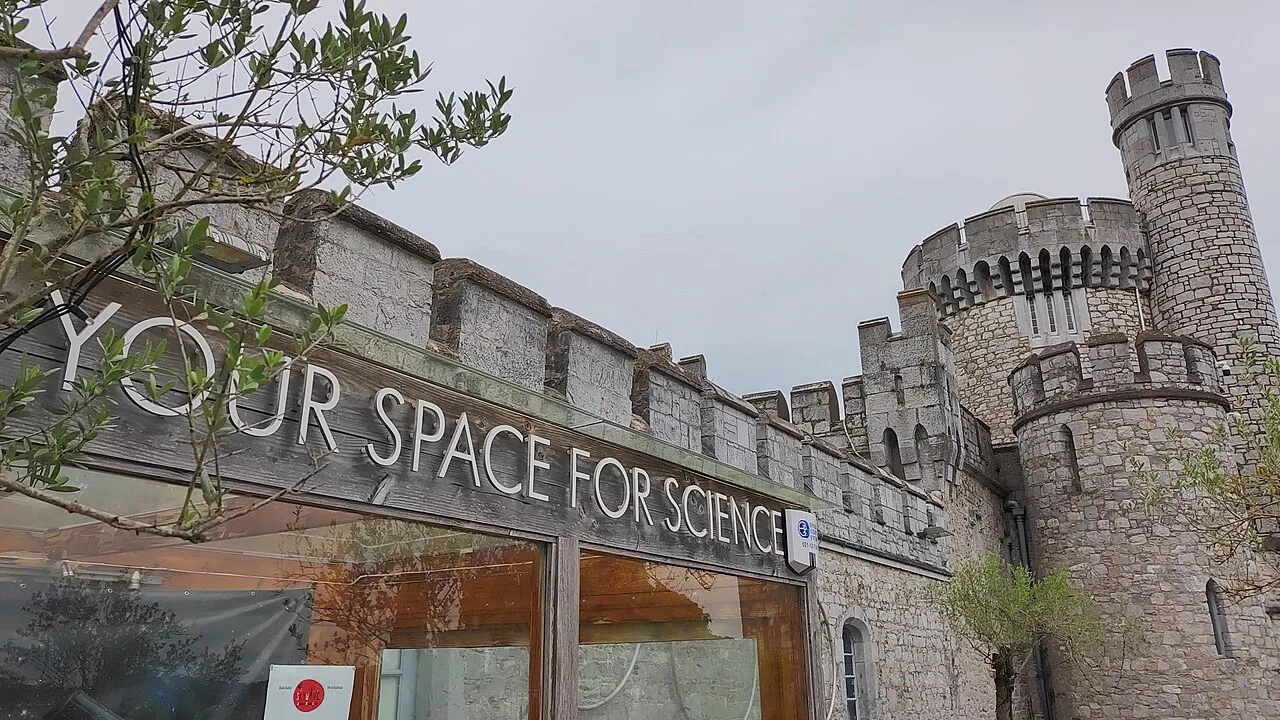
The National Inventory of Architectural Heritage records that the first tower on this site was built around 1582, and that the present building mainly dates from 1828–29, when it was rebuilt under the direction of James and George Richard Pain. Those are two distinct events separated by more than two centuries, and the surviving fabric retains elements from earlier phases.
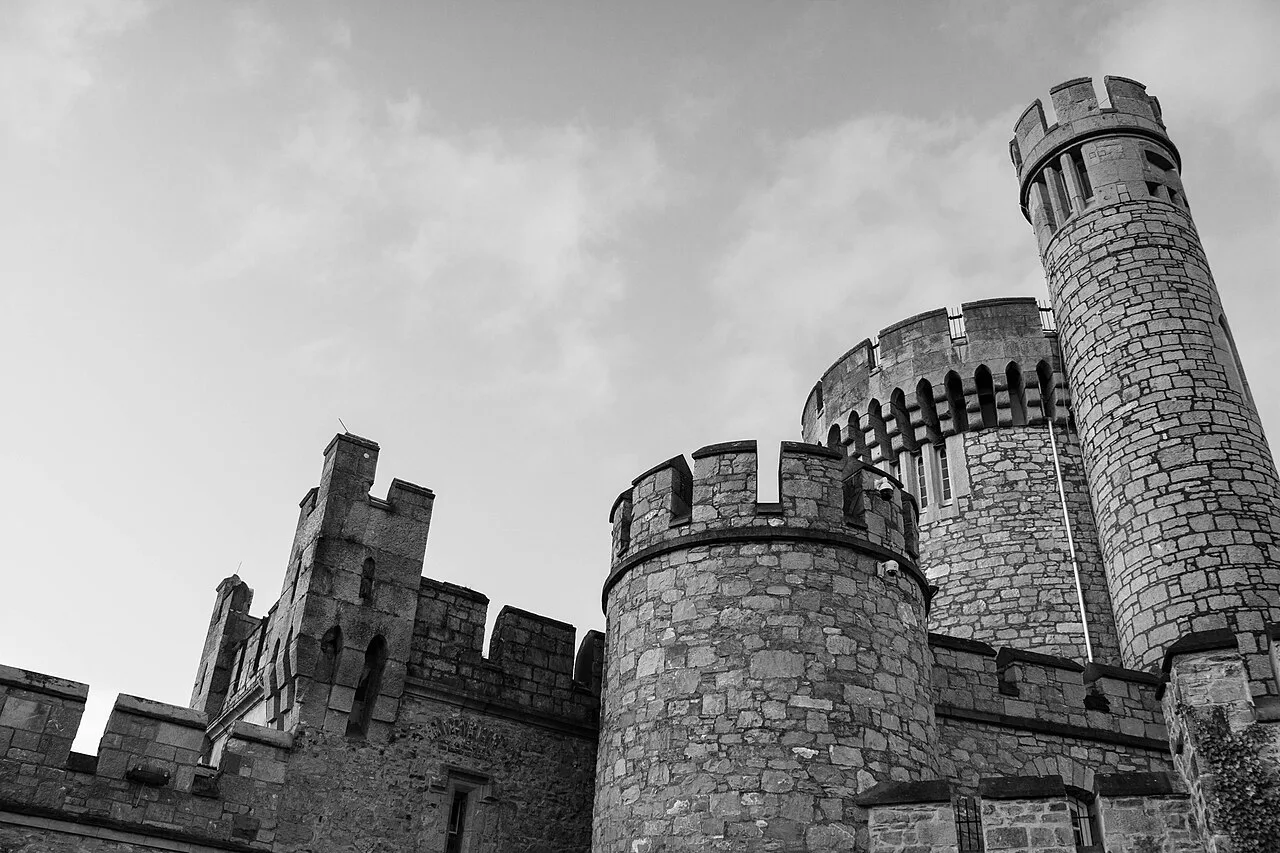
The inventory's architectural description notes a circular five-storey crenellated tower on the north-west side facing the River Lee, two further crenellated towers to the south, and a courtyard enclosed by curtain walls. Limestone walls, cut-stone battlements and lancet windows give the exterior its castle character, while the riverside position explains its original defensive logic.
Over five centuries the building has served as a defence fortification guarding the river, a sentinel tower and lighthouse guiding shipping, a private residence and a restaurant. A new building was added to the south-east around 2005 for the observatory conversion. The castle tour presents this long sequence, from the original fort intended to deter pirates in Cork harbour to the modern telescope dome on the tower.
What Admission Covers Today
A ticket includes three things under one price: entry to the science centre with its Ireland in Space exhibition, a self-guided tour of the castle, and access to the tower and lower roof. The Ireland in Space exhibit traces Ireland's connections to space, and the operator also advertises a star show.
The castle element is self-guided rather than a led tour, so the pace is your own. The operator frames it as a walk through roughly 400 years of history, from the harbour fort to the telescope dome on the tower. Budgeting time for the exhibition as well as the castle keeps you from rushing one half to reach the other.
Because admission bundles a history visit with a science centre, the site appeals to mixed groups: travellers interested in architecture get a genuinely old building, while children and science-minded visitors get the astronomy and space exhibition. Those who want only the astronomy side still enter through the castle. If the castle holds more appeal than the science centre, the museums in Cork offer further historic collections to compare.
The Tower-Top View over the River Lee
The operator treats the view from the top of the towers as a highlight of the castle tour, looking out over the River Lee and the Blackrock area. Since admission includes the tower and lower roof, the panorama is part of the standard visit rather than a paid extra.
The vantage point makes sense of the building's history: from here you can see why a tower on this bend of the river worked as a lookout over the harbour approach. Allow a few minutes on the roof before descending, and if stairs are a concern, ask at reception when you arrive.
Getting Here by Bus from Cork City Centre
Two routes serve the observatory, and the operator gives stop names and walking times. Route 212 towards Jacob's Island can be boarded at several city-centre points including Clontarf Street, Stop 247811; alight at Ferney Road, Stop 234041, walk towards the river, turn left and follow it for about five minutes.
The alternative is the 202A from Merchant's Quay towards Mahon and Jacob's Island, getting off at the Ringmahon GAA pitch, Stop 237201. From there the walk follows a path alongside the river and takes about 13 minutes. The Ferney Road option is the shorter walk; the 202A may suit anyone already on the quays.
Arriving by Bike or Car
Cyclists can reach Blackrock Village on connected greenways and cycle paths, then continue along Castle Road, which has no dedicated cycle lane on that final stretch. Bicycle parking is available at the observatory, with overflow in the car park just beyond the castle. From the city, the operator's suggested route runs via the Eamon De Valera Bridge and Albert Quay, using the riverside path through the Marina.
Drivers approach via Castle Road from east or west. Parking directly outside the front gate is very limited and primarily reserved for drivers with disabilities; other drivers are directed to a larger car park east of the castle, roughly a minute's walk away. Taxis from Patrick Street are quoted by the operator at about 15 to 20 euro depending on provider and time, so booking a return is worth considering.
Practical Planning for Your Visit
The operator currently publishes opening hours of 10:00 to 18:00 daily, with last entry at 17:00. Admission is listed as 11 euro for adults, 9 euro for students and OAPs, 7 euro for children with under-fives free, and 32 euro for a family of two adults and two children. No booking is required and walk-ins are welcome.
Before travelling, check the operator's website for current details, since published hours, prices and notices can change. Around 90 minutes to two hours lets you cover both the exhibition and the castle at an unhurried pace. Pair the visit with a walk along the river towards Blackrock Village, or compare it with other historic sites in the city such as Elizabeth Fort. If you would rather spend the day indoors, the museums in Cork city and county make an easy alternative, and the Cork Neighborhoods guide shows how the city's districts fit together.
The observatory also runs temporary exhibitions and events through the year, which are listed on its website with their own dates. Treat these as time-bound rather than permanent features. A dated notice on one operator page referring to a closure on a specific day is a past alert, not a statement about the day you plan to go.
Other Sites Nearby
Blackrock Castle is one of several historic visitor sites within Cork city, and its scale makes it easy to combine with a city day. Elsewhere in the city, Cork City Gaol occupies a former prison complex and suits visitors interested in nineteenth-century social history, and our Cork Neighborhoods guide shows which districts cluster these sites together.
For a broader view of the city's visitor attractions, see Cork Attractions: 5 Visitor Guides, which links museums, churches and other heritage venues around the city. If you are building a walking route around the historic core, the Cork neighbourhoods section outlines the character of the central districts.
Elizabeth Fort is another fortification with a long history, but it sits in a different part of the city from Blackrock, so most visitors treat the two as separate outings rather than trying to walk between them in one go.

Plan Your Visit
Blackrock Castle Observatory offers an unusual combination in a single ticket: a self-guided tour of a castle rebuilt in the 1820s on a site first fortified around 1582, plus a working science centre and wide river views from the tower. Book nothing, arrive early enough to beat the last entry at 17:00, and confirm the current hours and prices on the operator's site before you travel.
Travellers relying on buses should note the two different stops and walking times, while drivers should skip the front gate and head for the car park to the east. Whether you come for the architecture, the astronomy or simply the view across the Lee, the observatory rewards a visit of a couple of hours. For another heritage guide, read about Cork Opera House.
Explore more Cork guides
Frequently Asked Questions
What is there to see at Blackrock Castle Observatory?
Visitors see three connected things: a self-guided tour through the historic castle, the Ireland in Space astronomy exhibition in the science centre, and the view from the tower and lower roof included in admission.
How long does a visit to Blackrock Castle Observatory take?
About 90 minutes to two hours is a comfortable allowance, covering both the exhibition and the castle at a relaxed pace. Add time if you want to walk along the river afterwards.
How do I get to Blackrock Castle Observatory from Cork city centre?
The operator suggests bus 212 towards Jacob's Island from Clontarf Street or other city stops, alighting at Ferney Road and walking about five minutes. Alternatively the 202A from Merchant's Quay stops at Ringmahon GAA, a river walk of about 13 minutes.
Do I need to book tickets for Blackrock Castle Observatory?
According to the operator, no booking is required and walk-ins are welcome. Check the website before travelling, as this and the published hours can change.
What is the difference between the castle tour and the science centre?
The castle tour is self-guided and focuses on the building's history from its 1580s fort origins to the modern telescope dome. The science centre covers astronomy and Ireland's space connections through the Ireland in Space exhibition, with a separate star show also advertised by the operator.
Is Blackrock Castle Observatory suitable for a rainy day in Cork?
The Ireland in Space exhibition sits indoors in the science centre, so part of a wet-weather visit can be spent under cover, but the tower and lower roof access leads outside. Check the operator's current details if the weather is a deciding factor.