Cork History: Streets, Forts and Shandon Landmarks
Read Cork's history on foot through its Main Streets, a star-shaped fort, Shandon's bells and the Butter Museum, plus a former city prison.
On this page
Cork's history is best read on foot, because the surviving evidence is spread through a compact centre rather than concentrated in one museum. Cork City Council's heritage and biodiversity plan describes a city built on estuarine islands in the marshy valley of the River Lee, which then grew up the steep hills to the north and south. That topography explains why the streets bend and climb, and why so much of the earliest settlement now lies underground.
A practical way to structure a visit is around the four heritage-related walking trails the council names: Shandon, South Parish, the city centre and the University College Cork environs. The council's walks page describes their purpose but publishes no route lengths, times or step counts, so treat the trails as frameworks for linking places rather than fixed itineraries. For the ecclesiastical strand of that frame, our guide to churches in cork is the natural companion.
This guide covers six places that each illustrate a different phase of Cork's development, from a seventh-century monastery to a nineteenth-century prison. It gives access detail only where the operator or a tourism authority states it, and flags the one site that is a working Garda station rather than an assumed visitor attraction.
The Marsh and the River: How Cork's Shape Was Set
The council's heritage plan notes that even the name Cork comes from the Irish word for marsh, Corcach, a reminder that the historic centre sits on reclaimed estuarine ground. Flood-prone islands became the platform for a port city, and as it expanded the streets climbed the hills on either side of the Lee's channels. Walking between the river quays and the higher ground above Shandon gives you the city's basic geography in a single climb.
That waterlogged setting also explains a common frustration for visitors expecting standing ruins: most of Cork's earliest archaeology is buried rather than built into the modern streetscape. The plan describes the city as having a rich archaeological record that spans every era of its development, recovered through excavation rather than visible in monuments. Plan your visit around interpretation and street patterns rather than expecting a preserved ancient quarter.
From Monastery to Walled Town
According to the council's heritage plan, the earliest settlement in Cork was a monastery founded by Saint Fin Barre in the seventh century. The city's later cathedral history belongs to a separate strand of the story, so if ecclesiastical buildings are your focus it is worth planning that theme deliberately.
Excavations on South Main Street have added a great deal to knowledge of the Hiberno-Norse period in Cork, which the plan places in the eleventh century. That settlement consisted of raised clay platforms enclosed by wooden fences, with houses built on top, and it was later fortified with stone walls by the Anglo-Normans in the late twelfth century. The practical consequence for a visitor is that the street itself, not a monument, is the primary document.
What Survives Above Ground on the Main Streets
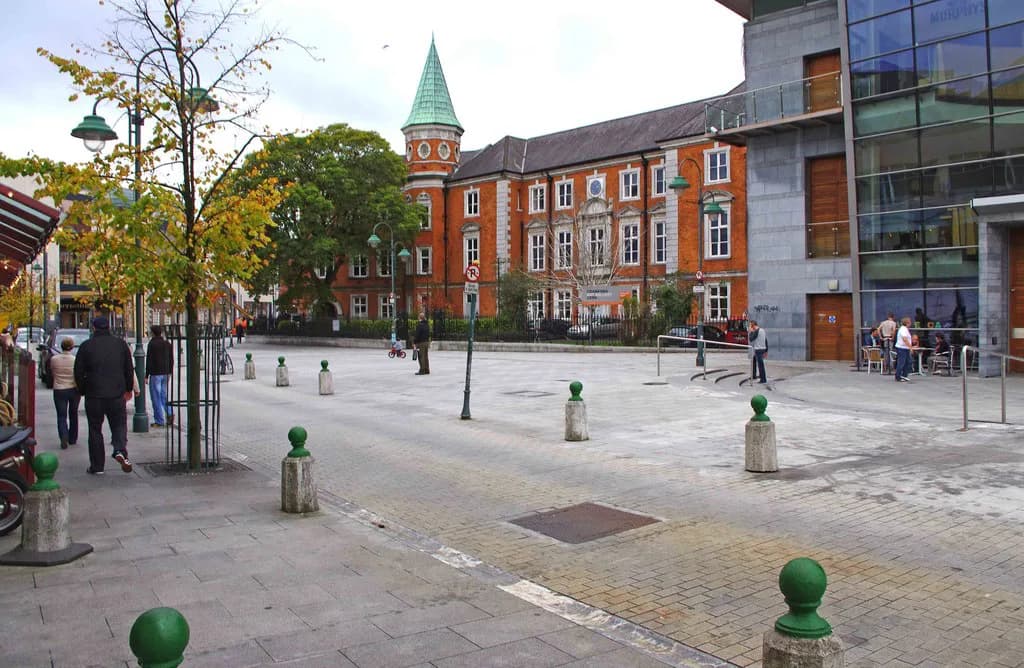
North and South Main Streets together formed the central spine of the medieval city, and the plan points to the survival of that street pattern within the modern streetscape. Laneways and plots ran off the main streets at right angles towards the city wall, so the narrow side passages you pass today often trace medieval property divisions. Walk the spine slowly and look sideways as much as ahead.
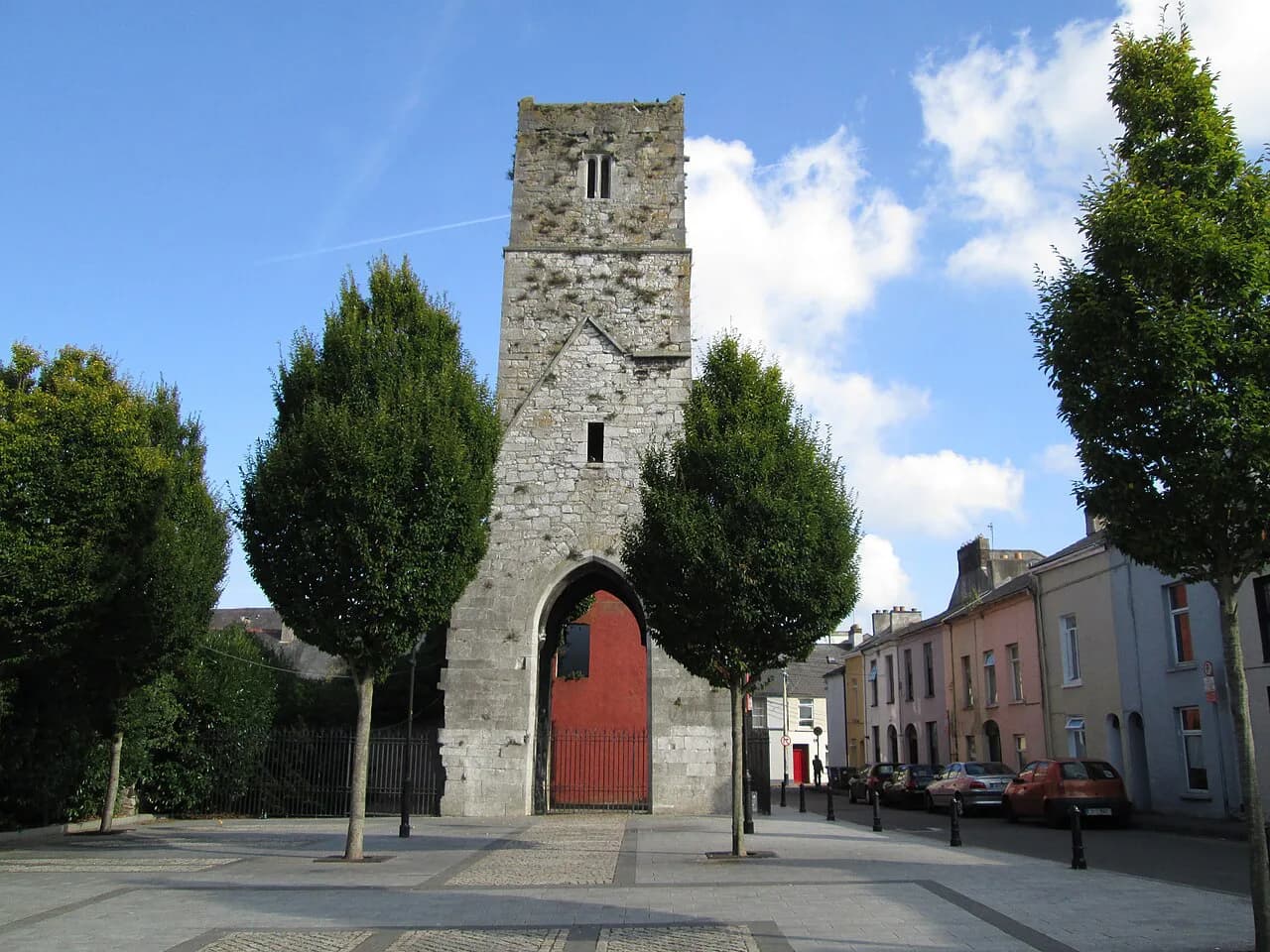
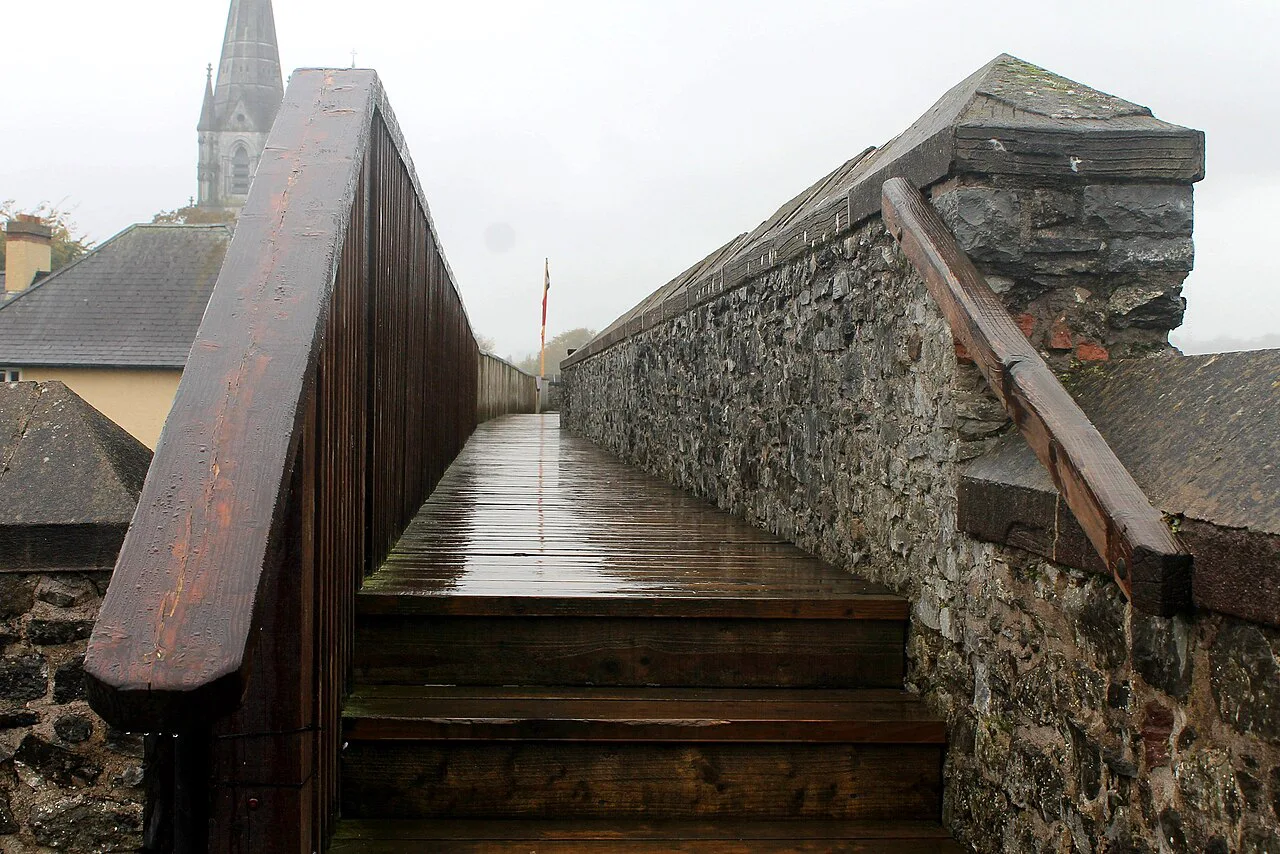
The plan is candid that only a few medieval and early post-medieval structures survive above ground, and it names Red Abbey Tower and Elizabeth Fort among them. Most of what you see at street level dates from the eighteenth to twentieth centuries, including Georgian terraces, churches and cathedrals, and the mills, warehouses and distilleries of Cork's trading expansion. Read the Main Streets as a set of layers rather than a medieval set piece.
Elizabeth Fort: A Fortress That Still Works
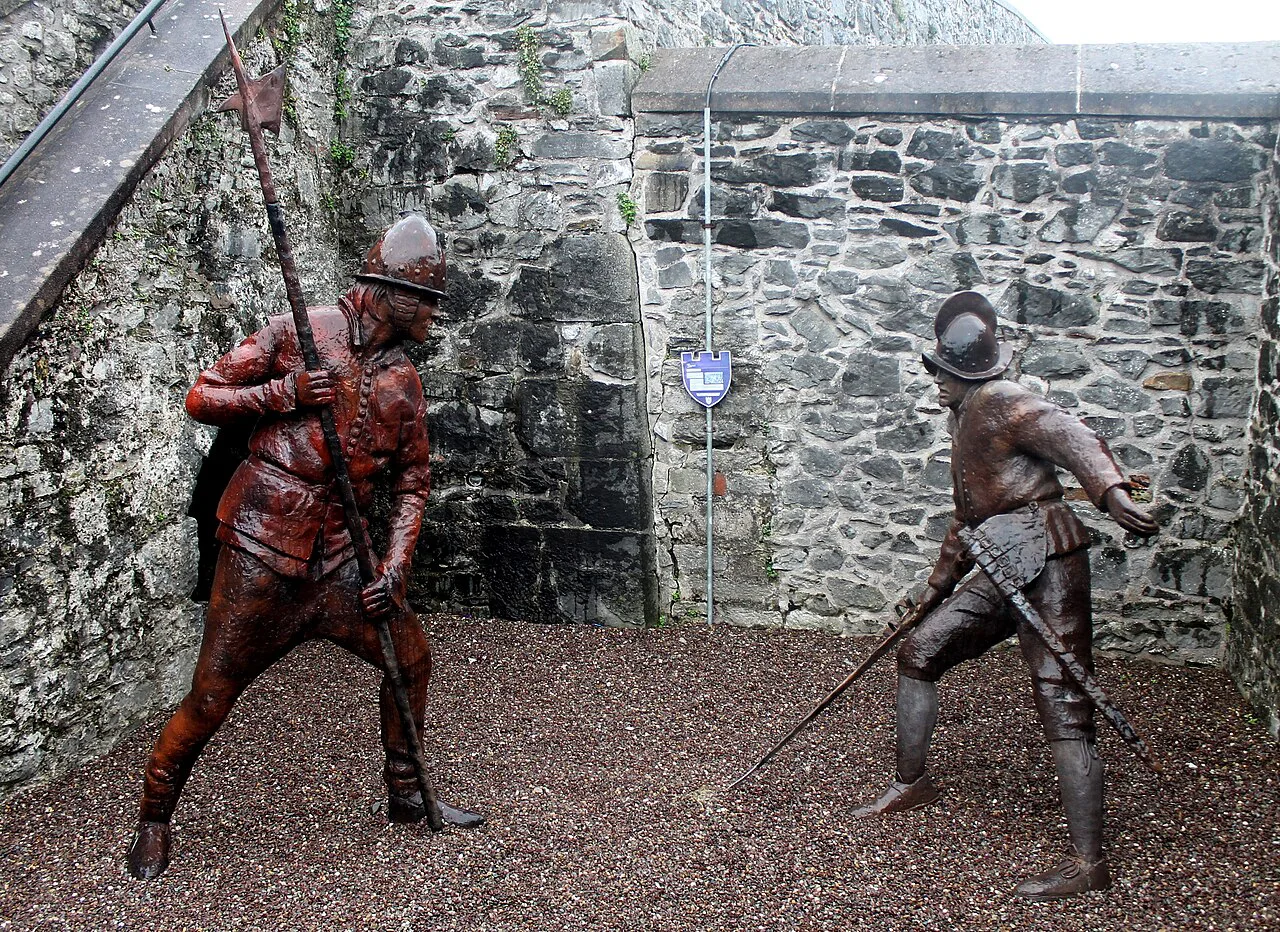
The tourism authority Pure Cork describes Elizabeth Fort on the city's south side as a star-shaped fort, originally built in 1601 during the reign of Elizabeth I and replaced in 1624 by a stronger fort with broadly the outline that survives today. Its later life was varied: a British military barracks from 1719, then a female convict prison, and later home to bodies including the Cork City Artillery Militia.
Pure Cork notes that during the War of Independence the fort was occupied by the Royal Irish Constabulary and handed over to the Provisional Irish government at the end of the war, and that it is now a Garda station. That present use matters for planning: treat the fort as a landmark to view and understand in context rather than assuming you can walk its interior. Check with the Garda station or a local tourist office before building a visit around going inside.
Shandon: St Anne's Church and Its Bells
St Anne's Church describes itself as a Church of Ireland parish and the oldest church still in continuous use in Cork City, with worship since 1722. In a 2001 architectural and archaeological appraisal quoted on the church's website, Colin Rynne described it as one of the most important early eighteenth-century churches in Ireland and one of a small number still retaining their original eighteenth-century bells. For a visitor, that combination of continuous use and original fabric makes it one of the clearest places to sense the eighteenth-century city.
The church publishes a self-guided tour option and invites visitors to play the Shandon Bells, see the inner workings of the four-faced clock and climb the tower for panoramic views over Cork. These are the activities the operator itself lists, so build your time around them rather than around unverified extras. Church services continue alongside visiting, so be prepared to work around worshippers if you arrive during a service.
Shandon is also one of the four areas the council uses to organise its heritage walks, which makes the district a natural anchor for a morning on foot. The tower and bells are on the church's own site; the surrounding streets and their commercial history are best explored with the council's trail map. For more on the district itself, see our guide to Shandon.
The Butter Museum and Cork's Trading Past
The Butter Museum occupies the historic Shandon area and tells the story of Irish dairy culture, from dairy's role in early monastic Ireland through home butter making to the later success of the Kerrygold brand. Its central subject is the internationally important Butter Exchange of nineteenth-century Cork, which ties directly to the council's account of the city's trading and industrial expansion. Among the museums in cork, it is the one most explicitly built around a single commodity, and the Butter Exchange story links neatly to the trading streets described in our wider roundup.
The museum is small and states that it can seat only 35 guests for its butter-making demonstrations, and that it cannot take advance payment or bookings for them. Its advice is to arrive around 11am, take the self-guided tour and stay for the demonstration, with fresh bread and newly made butter to sample afterwards even if you miss a seat. If the demonstration matters to you, arriving early is the only strategy available.
Opening follows a seasonal pattern published on the museum's site, with different blocks across the year: January and February are weekend-only, March to April and October to December close on Mondays and Tuesdays, and May to September open daily, with last admission early in the afternoon. Because the time of year determines which block applies, check the museum's own opening hours before travelling rather than relying on a remembered schedule.
Cork City Gaol: Prison Life Interpreted
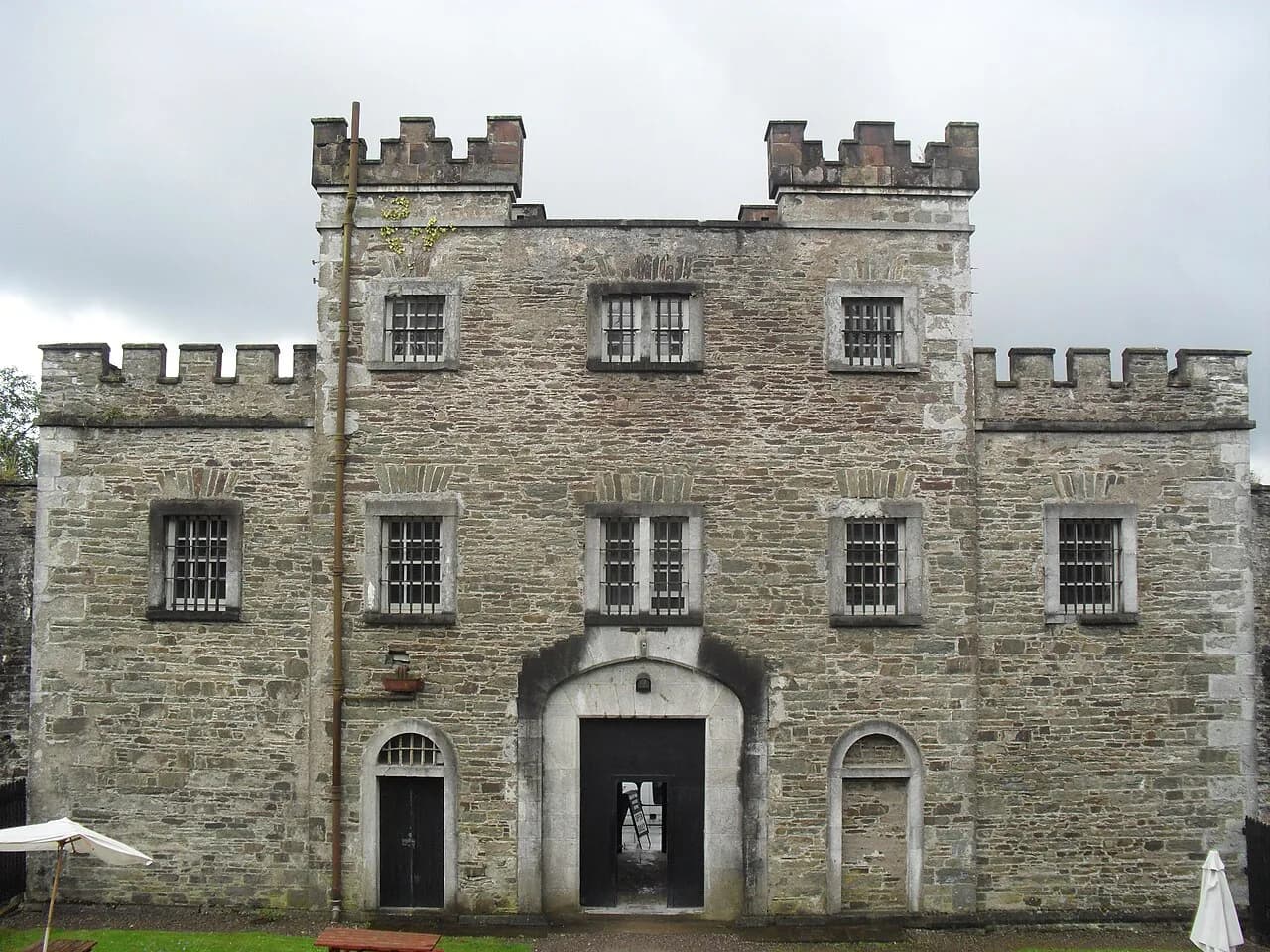
Cork City Gaol is a castle-like building on Convent Avenue in Sunday's Well that once housed nineteenth-century prisoners and now operates as a heritage centre. Its displays interpret what life was like inside a prison of that era, and visitors move through the wings of the building rather than a single exhibition room. Keep it distinct from the former Cork County Gaol, which is a different site. For the full picture of the building and its history, see our dedicated guide to cork city gaol.
The gaol offers both guided and self-guided tour options, according to its own site, and its guides provide tours for groups of ten or more throughout the year. That makes it one of the more flexible indoor stops in the city, useful when weather turns or when you want structured interpretation after a morning of street reading. The building's scale and castle-like character are themselves part of the experience.
The site does not publish a single universal visiting pattern for individuals beyond the guided and self-guided choice, so confirm details such as tour timing on arrival or through the centre beforehand. Pairing the gaol with a walk back through the city centre lets you compare the prison's institutional architecture with the commercial streets that funded it.
Putting the Pieces Together on Foot
The council's four trails give a ready-made structure: Shandon for the church and butter museum, South Parish for the older streets and fort, the city centre for the medieval spine, and the University College Cork environs for a different quarter. The council describes these as linking places and buildings of heritage interest, and it stresses that Cork's compact centre is easy to get around on foot.
A realistic day combines one indoor site with one stretch of street reading rather than trying to cover all six places. For example, pair the Butter Museum with the Shandon streets and St Anne's tower, or the gaol with a walk back along the western quays. Because the council publishes no route times, judge distances on a map and allow for the hills.
If a wider historical frame interests you, the same approach of reading a city through its surviving fabric works elsewhere in Ireland, and comparing Cork with other port cities sharpens what is distinctive here. Dublin history offers a ready parallel for reading a capital through its streets and sites, and Galway history does the same for a western merchant town. The buried medieval layers and the merchant-era warehouses are Cork's particular combination.
Checking Details Before You Travel
Opening arrangements at the church, museum and gaol are set by each operator, and only they can confirm current hours, tour times and any temporary closures. Use the links on this page to reach each operator's own site, and treat any third-party listing as a starting point rather than a guarantee. If your visit depends on a specific demonstration or tower climb, contact the venue directly.
For a deeper sense of the city's built heritage, Cork City Council's heritage and biodiversity plan is a public document available to download from the council's own website. It explains how archaeology, architecture and industry fit together, which makes the streets easier to interpret when you are standing on them. Local bookshops in cork often stock titles on the city's history if you want something to carry with you.
Plan Your Visit
Cork rewards a visitor who treats the city as a set of layers rather than a checklist. Start with the Main Streets to see the medieval spine, climb Shandon for the geography, and use one indoor site such as the Butter Museum or the gaol to anchor the day. Elizabeth Fort is best understood from outside, given its current use as a Garda station.
Each operator's own site is the place to confirm current hours and tour arrangements before you travel, and the council's walk maps help you plan a route that suits your energy and the weather. The city is compact enough that a well-chosen handful of places will teach you more than a rushed circuit of everything. For a closer look at one Cork neighbourhood, continue with our guide to Shandon. For another heritage guide, read about Cork Architecture.
Explore more Cork guides
Frequently Asked Questions
Where can I see Cork's medieval history above ground?
Very little medieval fabric survives above street level. Cork City Council's heritage plan names Red Abbey Tower and Elizabeth Fort among the few surviving medieval and early post-medieval structures, but the clearest medieval evidence is the street pattern of North and South Main Streets, where laneways and plots still run off at right angles towards the line of the old city wall.
Can I go inside Elizabeth Fort?
The tourism authority Pure Cork states that Elizabeth Fort is now a Garda station, so you should not assume general public access to its interior. View it as a landmark on the city's south side and confirm any visiting arrangements directly with the Garda station or a local tourist office before planning around it.
How long does the Shandon tower visit take?
St Anne's Church publishes a self-guided tour that includes playing the Shandon Bells, seeing the four-faced clock mechanism and climbing the tower for views, but it does not give a duration. Allow time for stairs and for waiting if the church is busy, and check service times so your visit does not clash with worship.
Do I need to book the Butter Museum demonstration?
No booking is possible. The museum states that it cannot take advance payment or bookings for its butter-making demonstrations and that the space seats only 35 guests, so it advises arriving around 11am to take the self-guided tour and secure a seat. Check the museum's seasonal opening hours before you go.
Is Cork City Gaol suitable for a rainy day?
It is an indoor heritage centre in a former nineteenth-century prison building, and it offers guided and self-guided tour options, which makes it a practical choice when the weather turns. Group tours are available for parties of ten or more. Confirm current tour arrangements through the centre before travelling.
What are Cork City Council's heritage walks?
The council has developed four heritage-related walking trails in the city centre, covering Shandon, South Parish, the city centre and the University College Cork environs. It describes Cork's centre as compact and easy to explore on foot, but the page does not publish route lengths or times, so use the maps provided to judge distances yourself.
Sources
You might also like

Continue reading
More guides you'll find useful