Theatres in Cork: Historic Venues and What to See
Cork's theatres are mostly adapted historic buildings, from a Victorian music hall to a converted convent. Here is what each venue is and how to plan a visit.
On this page
Cork city's theatres are best understood as historic buildings adapted for performance rather than as modern purpose-built auditoriums. The Everyman on MacCurtain Street and Graffiti Theatre in Blackpool are the clearest architectural examples, while Cork Opera House and Cork Arts Theatre round out the city's stage offerings with their own programming identities.
That adapting habit shapes what a theatre evening in Cork actually feels like: ornate Victorian interiors in one venue, a deconsecrated chapel auditorium in another. It also means practical details vary sharply from building to building, from step-free routes to how heritage tours are booked.
This guide takes each venue in turn, gives the sourced building history and visitor context, and flags where a heritage open-day event differs from ordinary performance access. If your interests lean more toward collections than stages, the city's museums are covered separately.
The Everyman: From Terrace House to Palace of Varieties
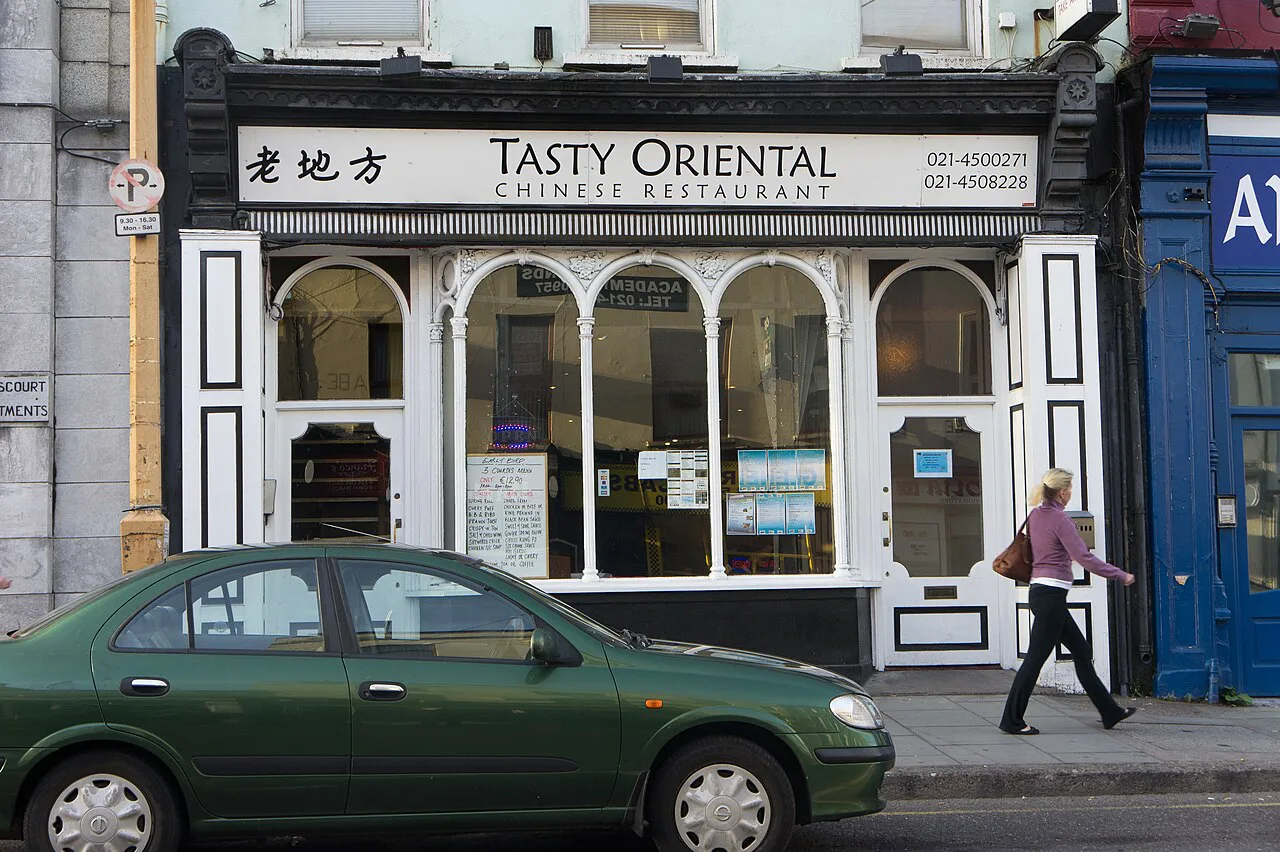
The Everyman's story begins with a house, not a theatre. Cork City Council's heritage record notes that the building was designed by H. Brunton and constructed around 1840 by John O'Connell as a terraced two-bay, three-storey house, part of a group with its neighbours on MacCurtain Street.
In 1897 Dan Lowrey opened the building as a luxurious new theatre called the Cork Palace of Varieties. That change of use, from domestic terrace to music hall, is the pivot on which the venue's whole later history rests, and it is why the façade reads as a house while the interior reads as a theatre.
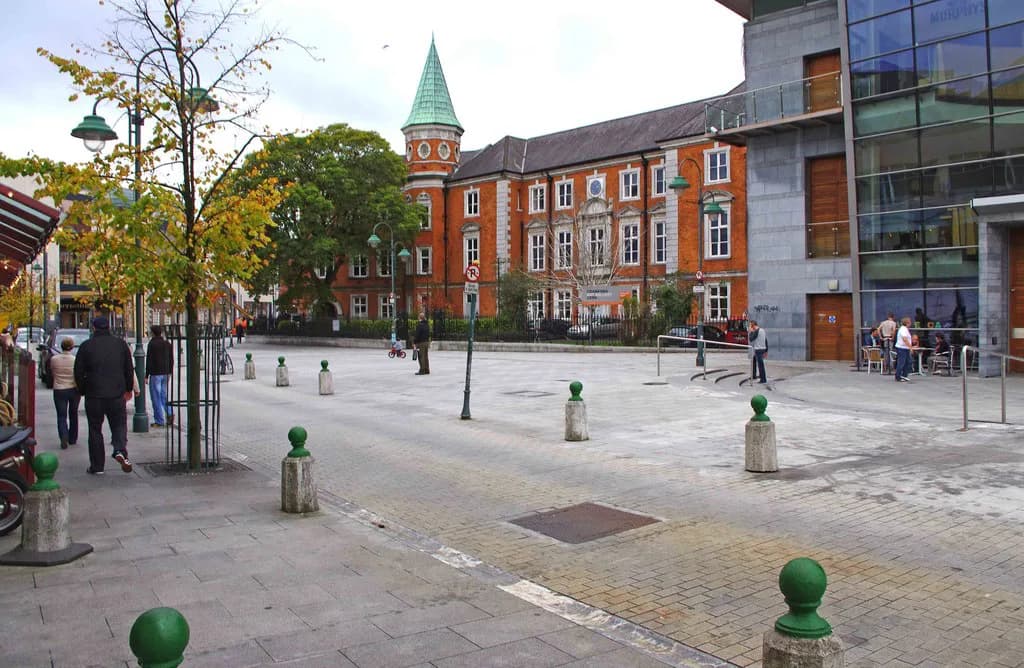
Visitors walking MacCurtain Street today are passing a building whose identity changed twice in a century: first to entertainment, later back to theatre after decades as a cinema. The street itself, the core of the Victorian Quarter, rewards a slow walk before a show.
Inside The Everyman: Victorian Plasterwork and a Cinema Interlude
The Victorian interior survives as the venue's signature. The council record describes an ornate proscenium arch, boxes, and a balcony and ceiling of decorative plasterwork, restored to their earlier state; these are the elements to look up for when you take a seat in the auditorium.
During the music-hall heyday from 1897 to 1912 the venue booked leading talent of the day, with Charlie Chaplin, George Formby and Laurel and Hardy among the names the council record lists as having performed there. Treat those names as the record's account of the era rather than as a current programme.
The building did not remain a theatre. With the arrival of sound film it became a cinema in 1930 and stayed one until 1988, and it reopened as a theatre in 1990 after purchase by the Everyman Theatre Company. Today it presents and produces theatre, dance, music, visual arts and family entertainment.
Visiting The Everyman: Location, Tickets and the Bar
The Everyman stands at 15 MacCurtain Street, and the operator describes it as within walking distance of both the bus and train stations, with Kent station about a five-minute walk away. Coming from St Patrick's Street, you cross St Patrick's Bridge, continue up Bridge Street and turn right onto MacCurtain Street, where the theatre sits halfway along on the right.
Bookings can be made by phone or in person through the box office, and the operator publishes a per-ticket booking fee for telephone and online purchases as well as a small building levy included in ticket prices that supports upkeep of the historic building. Both are presented as published at retrieval and can change, so confirm at the point of booking.
The Everyman Bar opens an hour before each performance and stays open afterwards, and interval drinks can be ordered in advance so a reserved table is waiting. For drivers, the operator points patrons to Q-Park car parks in the city and publishes a discount code for pre-booked parking.
Access at The Everyman
Access provision here is unusually well documented. The theatre is wheelchair accessible, with step-free access to the box office, to the stalls in the auditorium and to the bar, and it provides a gender-neutral wheelchair-accessible toilet; a designated disabled parking space sits on MacCurtain Street near the entrance.
Programmed performances include Irish sign language interpreted shows, audio-described performances with a touch tour, and relaxed performances where audience members can move and make noise, each marked on the relevant event listing and in the printed brochure when scheduled. If you need any of these, check the individual listing rather than assuming every performance offers them.
The council record mentions a behind-the-scenes tour at 6pm with booking essential, but that belongs to a heritage open-day programme rather than the theatre's routine schedule. Check the operator's own listings before planning around any tour.
Graffiti Theatre, Blackpool: A Convent Reimagined
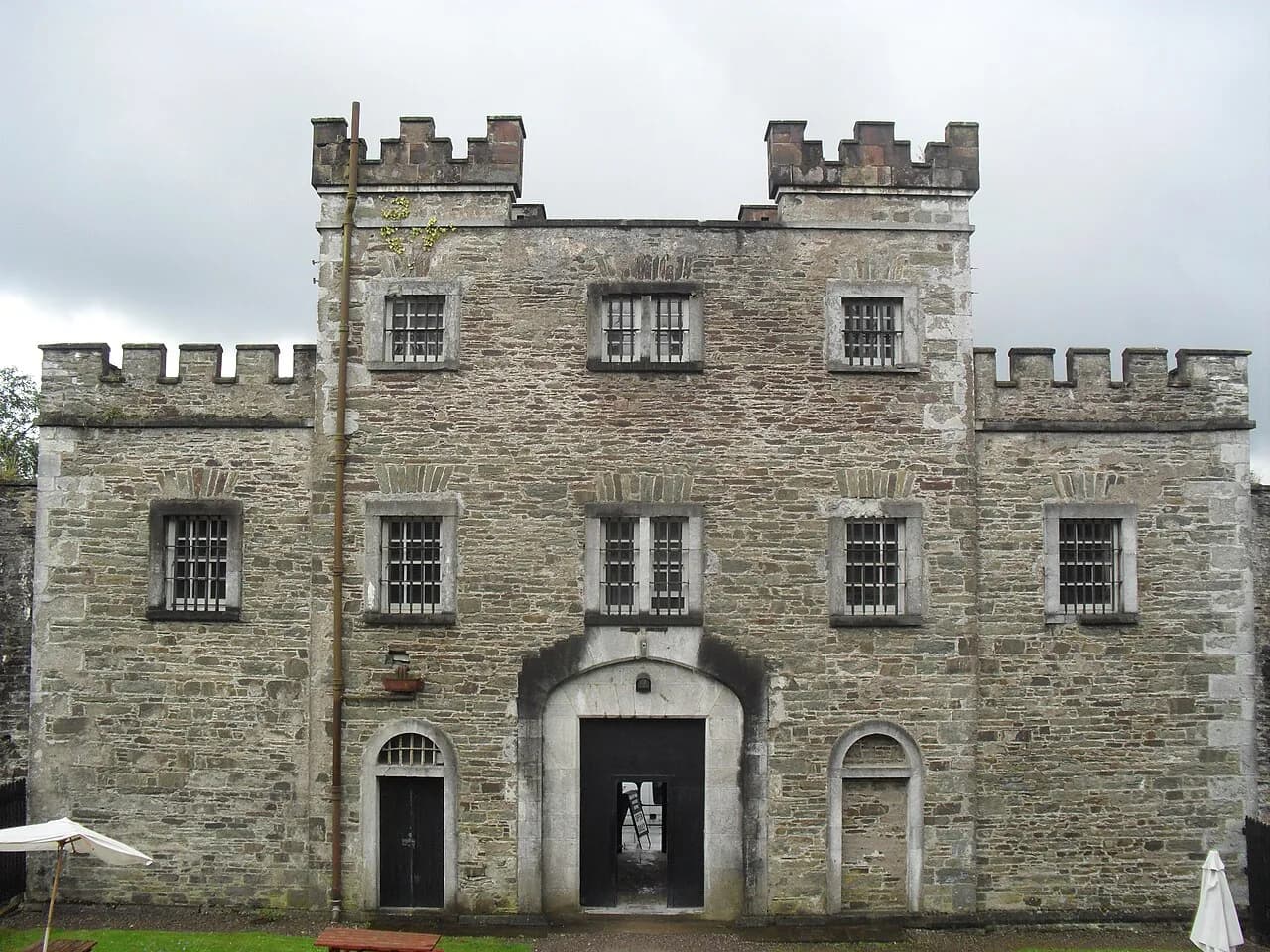
Graffiti Theatre occupies a very different kind of adapted building on Assumption Road in Blackpool. According to Cork City Council's heritage record, the structure was originally built in 1907 as the Assumption Convent, and the company has been based there since 2005.
The conversion was designed by Paul Hudson of Hudson & Associates, and the council record notes that it carefully preserved key features of the original building while adding improvements to acoustics, a timber internal staircase and open-plan office space. This is sensitive architectural reuse rather than a gutting, which makes the building itself part of the reason to attend.
The building's religious past is still legible: visitors enter through the arched chapel entrance with its original stained glass to reach the FitzGibbon theatre, which was once the convent chapel, and original terrazzo flooring remains protected beneath the current auditorium floor. Cork's wider church heritage is worth exploring if this layer of the city interests you.
What Graffiti Does and How to Visit
Graffiti is a theatre for children and young people from birth to 22, and the council record lists performances, workshops, early years work, youth theatre, creative writing programmes and residencies for artists developing new work. That remit is narrower than a general city theatre's, and it should shape whether you put it on your itinerary.
The council listing gives opening hours of 10am to 3pm and a 1pm architect-led tour, but these relate to a recorded heritage open day marking twenty years of the company in Blackpool. Do not treat them as ordinary public visiting hours; check with Graffiti directly about whether and when the building is open outside programmed events.
Cork Arts Theatre and Cork Opera House
Cork Arts Theatre is a smaller venue whose history rests mainly on third-party directory information rather than an official page. That listing describes it as established in 1976 as a club by and for Cork's arts community, nicknamed the CAT Club, and reopening in November 2006 after a refurbishment with a premiere of Patrick Galvin's play The Cage. Treat these details as reported and verify current activity with the venue.
Cork Opera House publishes its own musical-theatre listings, which show touring productions with per-show age guidance and special-effects warnings such as strobe lighting, smoke and haze. The venue also states that performers, dates, times and prices are subject to change, so confirm details on its listings before booking travel around a show.
Choosing between these venues comes down to building character versus programme type: The Everyman offers the Victorian interior and a mixed bill, Graffiti serves young audiences and architectural-reuse interest, and the Opera House delivers large-scale touring musicals.
Tours, Listings and the Difference That Matters
The most common planning mistake with Cork theatre is treating a heritage-event tour as a standing offer. The Everyman's 6pm backstage tour and Graffiti's 1pm architect tour both belong to a specific heritage open-day programme, and the operator's own visit information covers performance tickets and access rather than regular building tours.
Every venue covered here asks visitors to confirm details at source: performance schedules, ticket prices and access arrangements can change, and Cork Opera House states plainly that schedule and pricing are subject to change. Book through each venue's own box office or listings page rather than relying on third-party aggregators.
If you want to place these buildings in the city's longer story, a walking look at Cork's streets and civic architecture pairs well with an evening performance, and a Cork walking tour can set the MacCurtain Street and Blackpool contexts before you go.
Plan Your Visit
Cork's theatres reward travelers who treat the buildings as part of the attraction. Book performance tickets directly with The Everyman or Cork Opera House through their own box offices and listings, approach Cork Arts Theatre and Graffiti through their own channels, and confirm current hours, prices and access at each venue before travelling.
If your trip takes you beyond the city, the theatre tradition continues elsewhere in Ireland, and theatres in Kilkenny offer a useful comparison for anyone building a culture-focused route.
Explore more Cork guides
Frequently Asked Questions
Are Cork's theatres purpose-built performance halls?
Most of the city's main stages sit inside adapted historic buildings. The Everyman began around 1840 as a terraced house on MacCurtain Street before opening as the Cork Palace of Varieties in 1897, and Graffiti Theatre works from the former Assumption Convent in Blackpool, built in 1907 and occupied by the company since 2005. That history shapes both the interiors and the practical arrangements.
Do I need to book a backstage tour of The Everyman or Graffiti?
The tours recorded by Cork City Council are heritage open-day events rather than standing offers: a 6pm behind-the-scenes tour at The Everyman and a 1pm architect-led tour at Graffiti, both requiring booking. They should not be assumed to run on ordinary performance days, so check each venue's own website before building a trip around a tour.
How do I reach The Everyman without a car?
The theatre is at 15 MacCurtain Street, and its operator describes it as within walking distance of both the bus and train stations, with Kent station roughly a five-minute walk away. From St Patrick's Street, cross St Patrick's Bridge, continue up Bridge Street and turn right onto MacCurtain Street; the theatre is halfway along on the right.
Which Cork venue should I choose for a musical?
Cork Opera House publishes musical-theatre listings with per-show age guidance and warnings about effects such as strobe lighting, smoke and haze. The Everyman runs a broader mixed programme of theatre, dance, music and family entertainment. Read the individual event listing at each venue, since schedule and pricing can change.
Is Graffiti Theatre open to general visitors outside performances?
Graffiti works with children and young people from birth to 22 through performances, workshops, youth theatre and early years programmes. The opening hours and tour time recorded by Cork City Council relate to a specific heritage open day, so they are not general visiting hours; check with the company directly about access outside programmed events.
Sources
You might also like

Continue reading
More guides you'll find useful