Cork Walking Tour: Self-Guided Heritage Trails and Guided Walks
Plan a Cork walking tour with Cork City Council's four self-guided heritage trails, from Shandon to the River Lee bridges, plus the guided tour option.
On this page
The simplest Cork walking tour is the one Cork City Council has already mapped: four self-guided heritage trails through a centre the council describes as compact and easy to cover on foot. They cover street art, the Shandon area, the South Parish and the River Lee bridges, and each has its own theme rather than a single prescribed loop. A named guided alternative also exists, but it runs on a published weekly schedule rather than daily.
This guide explains what each council trail is for, which public landmarks sit along the way, and where the self-guided routes end and an operator-led tour begins. It deliberately leaves out timings, admission charges and tower-climb details unless an official operator publishes them, because those are the details most likely to change between seasons.
Why Cork Suits a Walking Tour
Cork City Council's starting point is geography: the city centre is compact, which the council says makes it very easy to get around on foot, and the same page frames the city as full of culture and history. That combination is why a walking tour works here without a vehicle or a fixed circuit. The council designed its routes so residents and visitors could explore on a stroll rather than a scheduled excursion.
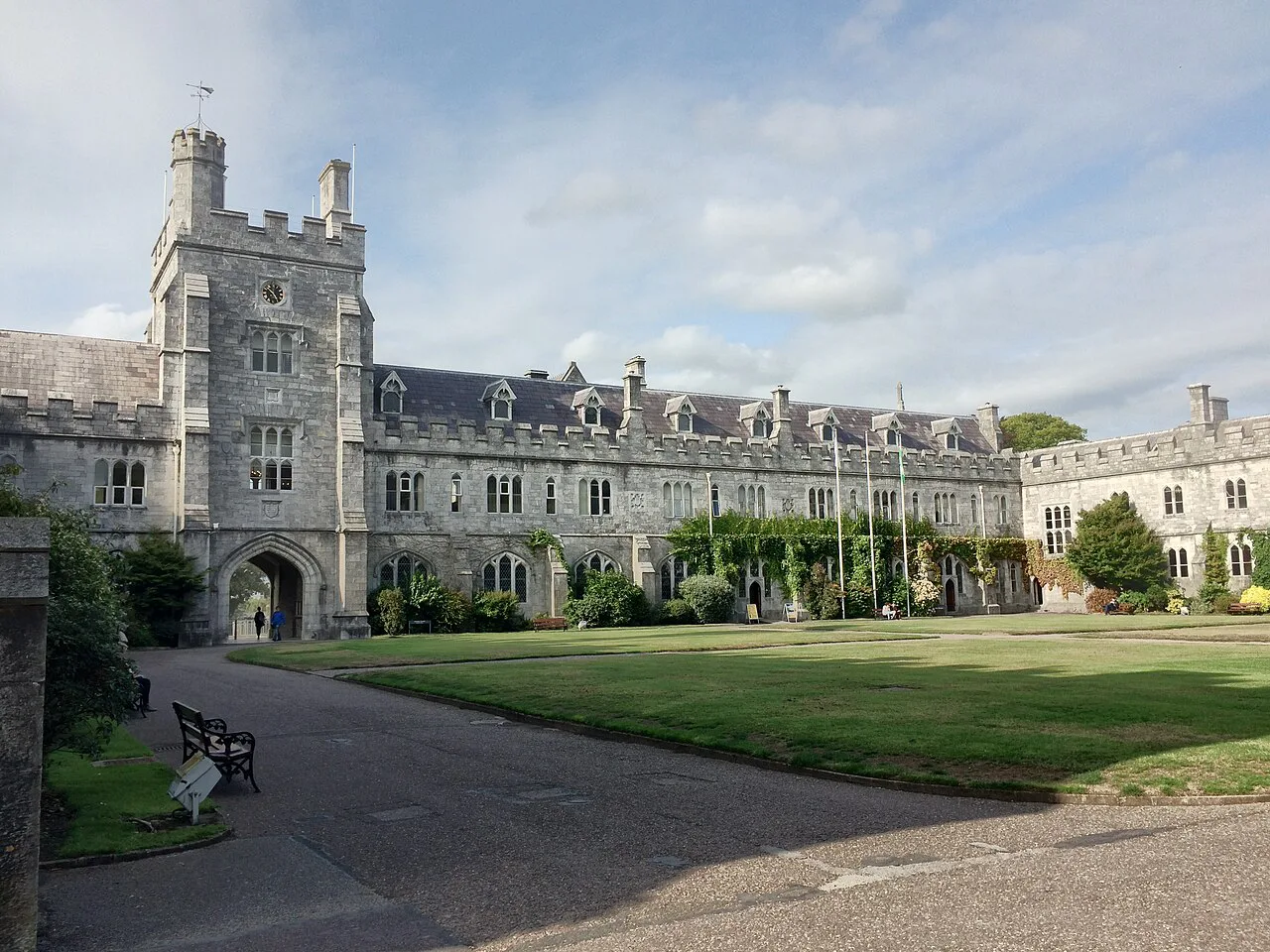
The four Cork Walks were developed by the council with the Department of Transport, Tourism & Sport as heritage-related trails in the city centre. According to the council, they link places and buildings of heritage interest, from Shandon's steps and steeples to the archaeology and arts of the South Parish, the medieval-to-modern city centre and the academic surroundings of University College Cork. That framing matters for planning: the trails are thematic connectors between real places, not enclosed visitor attractions with a single entrance.
Cork City Walks: The Four Themes at a Glance
The council lists four distinct walks. One highlights street art around the city centre, and the council is explicit that it is not an exhaustive list, so the route is a starting point for noticing more. A second is a relatively short walk around one of the city's most historic quarters, packed with places of interest. A third covers the South Parish, mixing iconic Cork sights with lesser-known corners, and the fourth is described as a more challenging route that crosses the city to follow the river and its bridges.
The themes interlock rather than compete. The South Parish walk covers its own historic quarter, the street art walk stays in the city centre, and the bridges route ties the river story together. In practice that means you can pick one theme for a focused outing or combine two trails to structure a longer day. The council does not publish distances or walking times for these routes, so treat any figure you see elsewhere as an estimate rather than an official specification.
The Shandon Mile: Steeples on the North Side
The Shandon walk is the council's short historic-quarter route, and its landmark is the tower most visitors call Shandon Bells, officially St Anne's Church. An independent travel guide describes the red and white of Cork's sports colours as said to derive from the limestone and sandstone used in the tower, which it dates to about 1722, and repeats the local nickname for the clock faces, the four-faced liar. Treat those details as that guide's account and local tradition rather than verified history.
The practical point is that Shandon is a church and tower, not a free-roaming monument: the same guide notes bell-ringing for a fee and a climb of steps, and does not confirm that the interior is always open. Check with the church before planning a climb, and treat the surrounding streets as the reliable part of the walk. For more religious buildings on foot, the guide to churches in cork sets out which Cork churches welcome visitors and how.
South Parish: Archaeology and Hidden Corners
The council characterises the South Parish walk as a route through one of the city's most historic and interesting areas, with archaeology and arts alongside iconic Cork sights and quieter finds. The value here is contrast: the trail is designed to move between well-known landmarks and corners a first-time visitor would otherwise pass. Because the council publishes the theme but not a stop-by-stop description, use the map as your authority rather than a guessed order of sights.
This is also the trail where it helps to know a little context before you set out. The city's longer story, from early settlement through the port trades, gives the South Parish streets more meaning than a bare list of buildings. A companion read on cork history can supply that background without turning the walk into a lecture, and you can then let the council map decide the route.
Street Art and the City Centre Thread
The street art walk is the most open-ended of the four. The council says it highlights some of the city centre's street art and explicitly warns that it is not an exhaustive list, inviting walkers to find more colour themselves. That makes it a good choice for a loose hour rather than a strict itinerary, and it pairs naturally with the centre's medieval-to-modern heritage thread.
Because street art changes, no published trail can stay permanently accurate. The council's map shows a selection, but new pieces appear and older ones are painted over, so photograph what you find and treat the map as a prompt. If you want fixed collections instead of changing walls, the city's art galleries give you a rain-proof alternative that does not depend on a piece surviving the season.
River Lee Bridges: The Harder Route
The fourth council walk is the one it calls more challenging: a longer crossing of the city that follows the River Lee and explores the bridges connecting its banks. That description is the council's own, and it is the only difficulty guidance published for any of the four routes. If you are walking with limited time or energy, this is the trail to save for a day when you can finish it.
The reward is a different reading of Cork. Where the Shandon and South Parish walks focus on streets and buildings, the bridges route makes the river itself the subject, which explains why the council describes it as covering more ground. The council does not publish a distance, so plan by daylight and weather rather than by a quoted figure, and check its walks page for the current map before you set out.
Extending on Foot to Landmarks Beyond the Trails
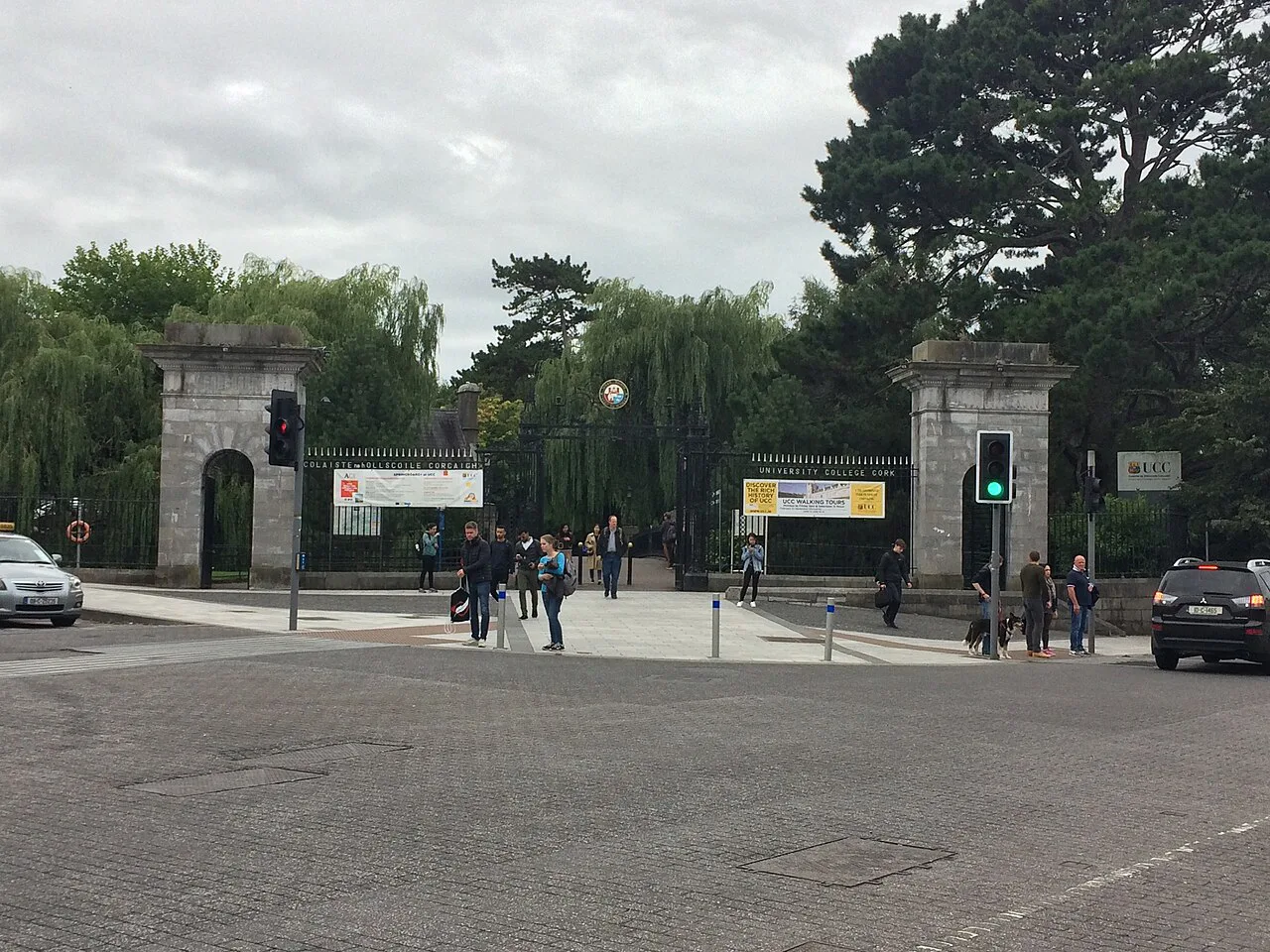
The council's heritage trails sit inside a wider walkable circuit of named landmarks. An independent guide's route links Cork City Hall, St Fin Barre's Cathedral, University College Cork, Fitzgerald's Park, the English Market and Shandon, which shows how much of the city's public face fits into one continuous walk. It describes the current City Hall as completed in 1935 after the original was destroyed during the Irish War of Independence, and UCC as first opened in 1845, though those dates remain that guide's account.
Fitzgerald's Park is the stop that needs the most caution. A dated 2019 park notice appears in the council site's operational material, which is not a reliable guide to the park's status today, so check its current status rather than assuming either way. The same guide places the park across the road from UCC's main gates and on the River Lee, with a pedestrian bridge, Daly's Bridge, linking it to the north bank.
Bookending a Walking Day: The English Market and Shandon
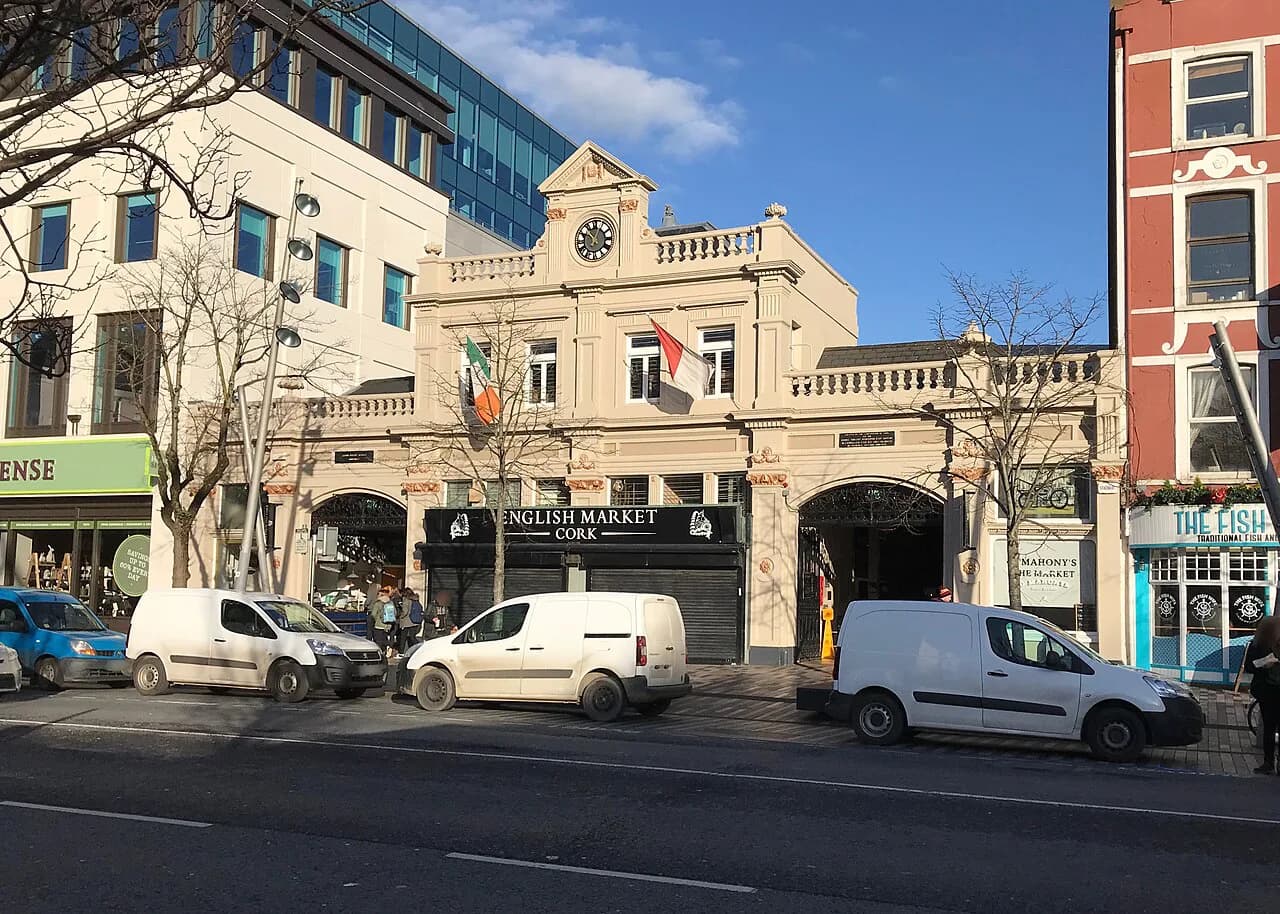
Two landmarks make natural bookends. The English Market, which the independent guide says was named in 1788 to distinguish it from the Irish Market on nearby Cornmarket Street, sits near the centre and works as a start or finish point. Shandon, on the city's north side, closes the loop with the tower visible above the streets. Neither needs to be more than a pause in a walk.
Both are working places with their own opening patterns, and neither should be treated as an all-day shelter or a guaranteed stop. Markets keep trading hours and churches keep service times, so confirm before you build a day around either. If the weather turns, the city's museums in cork offer a fixed-roof alternative with published collections rather than a street route that depends on conditions.
Guided Versus Self-Guided
The clear division is between the council's self-guided trails and an operator-led tour. Cork Free Walking Tour publishes a two-hour guided walk departing from the Cork Opera House on Emmett Place, with the instruction to look for a yellow umbrella, on Saturdays at 11am. That single weekly slot is the detail to plan around; the operator's own page is the place to confirm it still runs before you travel. If you are weighing up whether to book a guided walk at all, the dublin walking tour options show how a scheduled tour and a self-guided route compare.
The operator's tour is narrative rather than route-based. Its page frames the city's history through St Finbarr's seventh-century abbey, the Viking arrival it dates to 820, the Norman-era surrender of the city in 1172 and the later butter and emigrant trades, which is the operator's telling rather than settled historical fact. If you want a story-led introduction before walking the council trails yourself, the tour supplies the framing, and the free trails supply the map.
Choosing a Trail for the Time You Have
Choose by theme first. If you want the city's signature tower and old streets, take the Shandon walk; if you want churches, archaeology and quieter corners, take the South Parish; if you want colour and a loose centre route, take the street art walk; and if you want the river and are ready for the more challenging option, take the bridges route. The council's page is the authoritative source for the current set of maps, so check it for any route changes before setting out.
If you have half a day, pair two themes rather than trying to complete all four. The Shandon and street art walks both keep you in and around the city centre, while the South Parish route focuses on its own historic quarter. Because the council publishes no length or duration figures, stop when the route stops being enjoyable rather than when a quoted number says you should.
Combining Two Short Trails Into a Half Day
The most reliable pairing is a short historic-quarter walk followed by the street art route. Both keep you in the compact centre the council describes, so you can break for coffee without losing the thread, and neither is described as challenging. Start with the fixed streets and buildings, then finish with the street art, which rewards a slower pace and a willingness to look up.
A second useful combination is the South Parish walk plus a river crossing on the bridges route. That pairing adds the river context to the parish's archaeology and arts theme, and it ends naturally on the water. Whichever combination you choose, the council map for each trail is the thing to carry, and a check of the council page on the day remains the only reliable way to confirm the routes are unchanged.
Before You Set Out
Cork's walking offer is unusually well documented: four themed self-guided trails from Cork City Council, a compact centre that makes them feasible on foot, and a weekly guided walk from a named operator for anyone who wants a narrative first. Decide whether you want heritage streets, archaeology, street art or the river, then match the trail to that choice.
Two checks cover most of the risk. Confirm the council's current maps and any route changes on its walks page, and confirm the guided tour's published departure and Saturday schedule with the operator. For opening patterns at churches, markets and the tower, rely on the individual site rather than a walking route description.
Explore more Cork guides
Frequently Asked Questions
Is there a free guided walking tour in Cork?
Cork Free Walking Tour publishes a two-hour guided walk that departs from the Cork Opera House on Emmett Place on Saturdays at 11am, with walkers asked to look for a yellow umbrella. The operator's own site is the place to confirm the departure still runs on the date you plan to be in the city, since tour schedules can change.
Do I need to book a Cork walking tour in advance?
The operator's page does not set out a booking requirement, so check directly with Cork Free Walking Tour before you travel rather than assuming either that booking is essential or that you can simply turn up. For the council trails, no booking applies at all because they are self-guided routes you walk at your own pace.
How long are the Cork City Walks trails?
Cork City Council does not publish distances or walking times for its four heritage trails, so any figure you encounter elsewhere is an estimate rather than an official specification. The one difficulty note the council does publish is that the River Lee bridges walk is the more challenging option, which suggests saving it for a day with time and energy to spare.
What do the four Cork Walks cover?
Cork City Council's four trails cover street art in the city centre, the historic Shandon quarter, the South Parish with its archaeology and arts, and the River Lee and its bridges. They were developed with the Department of Transport, Tourism & Sport and link buildings and places of heritage interest, including the area around University College Cork.
Where do the council trails start?
Cork City Council presents the four walks as separate themed routes rather than one fixed starting point, so your beginning depends on which theme you pick. Maps for each are published with the walks on the council's page, and that page is the authority for the current routes.
Can I visit Shandon Bells and climb the tower?
Shandon Bells is St Anne's Church, a working church rather than an open monument. An independent guide mentions bell-ringing for a fee and a climb of steps, but it does not confirm the interior is always open, so check with the church before planning a climb and treat the surrounding streets as the dependable part of the walk.
Sources
You might also like

Continue reading
More guides you'll find useful