
Shandon, Cork: Walking the City's Historic Quarter
Shandon is the old quarter on the north side of central Cork, gathered around St Anne's Church and its landmark tower. Cork City Council includes it among the city's heritage walking trails and describes the area as one of the most historic and interesting parts of the city, packed with places of interest. It suits travellers who want streets, stone and institutional history rather than a single ticketed attraction, and it is best understood on foot.
The district sits across the River Lee from the southern commercial centre, and its tight street pattern means the landmarks arrive close together. Plan on a short walk rather than a full day: the value is in the sequence of church, tower, market building and chapel, not in covering distance. This guide treats St Anne's as one landmark among several and points to a dedicated visitor guide for the church and tower themselves.
Where the Name Comes From
The quarter's name is usually traced to the Irish Sean Dún, meaning old fort, in the accounts published by the local heritage group Walking Shandon and repeated by St Anne's Church. Both are local sources rather than academic etymologies, so treat the derivation as the district's own accepted story rather than a settled linguistic finding. The fort itself is not presented as a surviving structure, so there is nothing to look for on the ground.
What the name gives a visitor is orientation: a district defined by elevation and a defensive past, on the north bank, looking back across the river at the city centre. The church's own account places the building within Shandon as one of the oldest areas of Cork, which is the framing most local material uses. Use that as context for the street layout rather than as a claim that the quarter is the city's oldest.

The Shandon Mile as the Structuring Trail
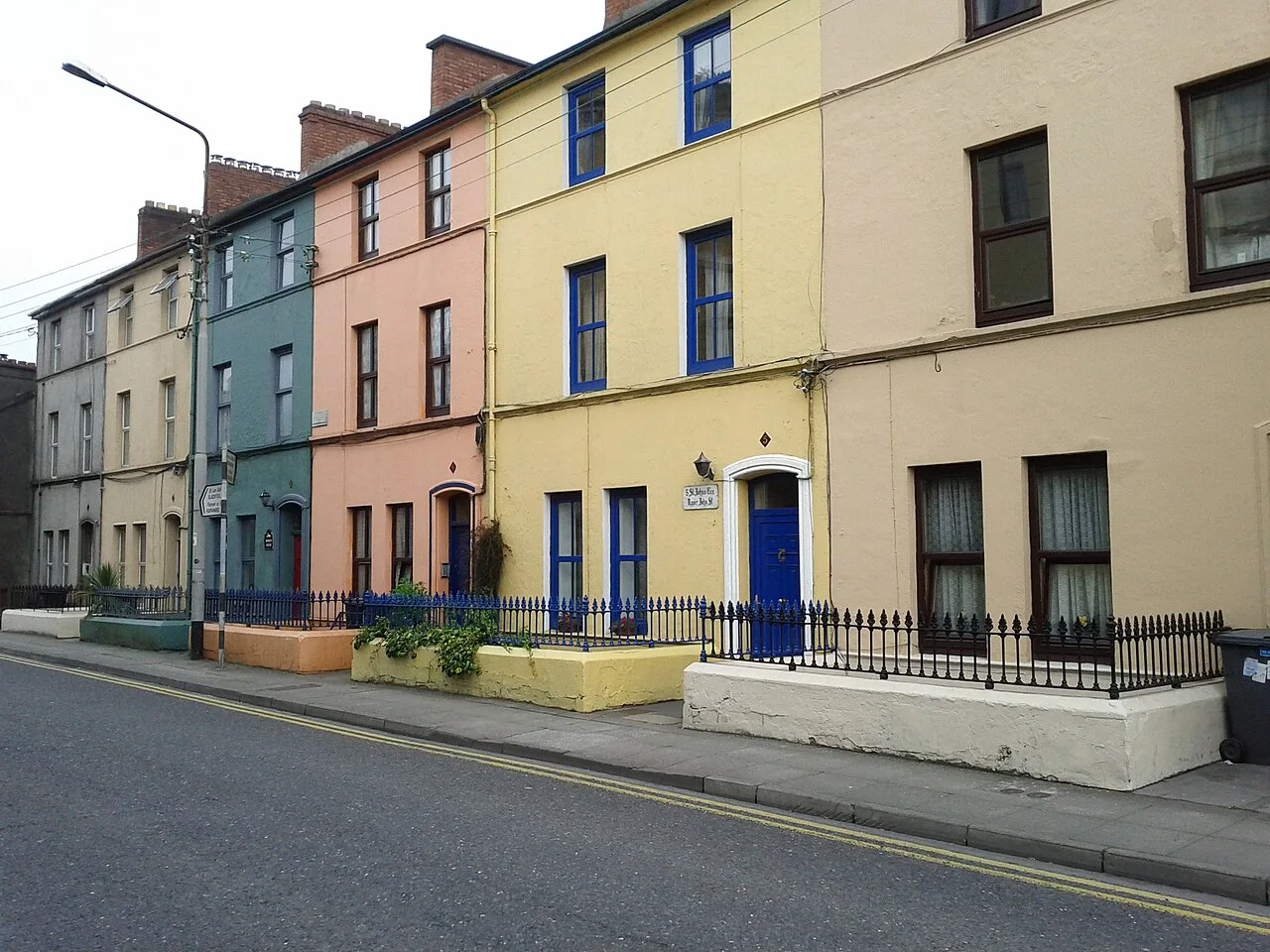
The cleanest way to organise a visit is through Cork City Council's Shandon Mile, one of four heritage walking trails it has developed in the city centre with the Department of Transport, Tourism & Sport. The council presents the series as self-guided, and it publishes maps for each walk on the same page. That means you set your own pace and use the map rather than joining a scheduled group.
The other three council trails cover street art, the South Parish and the river bridges, so the Shandon Mile can be combined with a longer day if you want contrast. On its own it is a relatively short circuit through one dense neighbourhood, which makes it a sensible choice for a half-day when you would rather not spend it indoors. Those preferring a southern counterpart can compare it with the south parish cork walk that appears in the same council series.

The Named Landmarks of the Quarter
Walking Shandon lists the quarter's principal landmarks: St Anne's Church with its tower and bells, the North Cathedral Visitor Centre, the Butter Museum, the Dominican church of St Mary and the Firkin Crane. Its description ties the Butter Museum to the history of Cork's butter market and Ireland's wider butter trade, and the Firkin Crane to dance performances held through the year. The list is a roll-call, not a ranking, and it is the clearest published guide to what defines the district. For a fuller account of the Butter Museum and the city's other collections, see this guide to museums in cork.
Only St Anne's publishes detailed visitor material openly; for the others, check each venue's own channels for current arrangements before building a day around them. Treat them as landmarks that shape the streetscape and the district's character even if you only pass the facades. The broader museums in cork picture is worth reviewing if you want to balance outdoor walking with indoor collections elsewhere in the city.
St Anne's Church and the Tower at the Centre
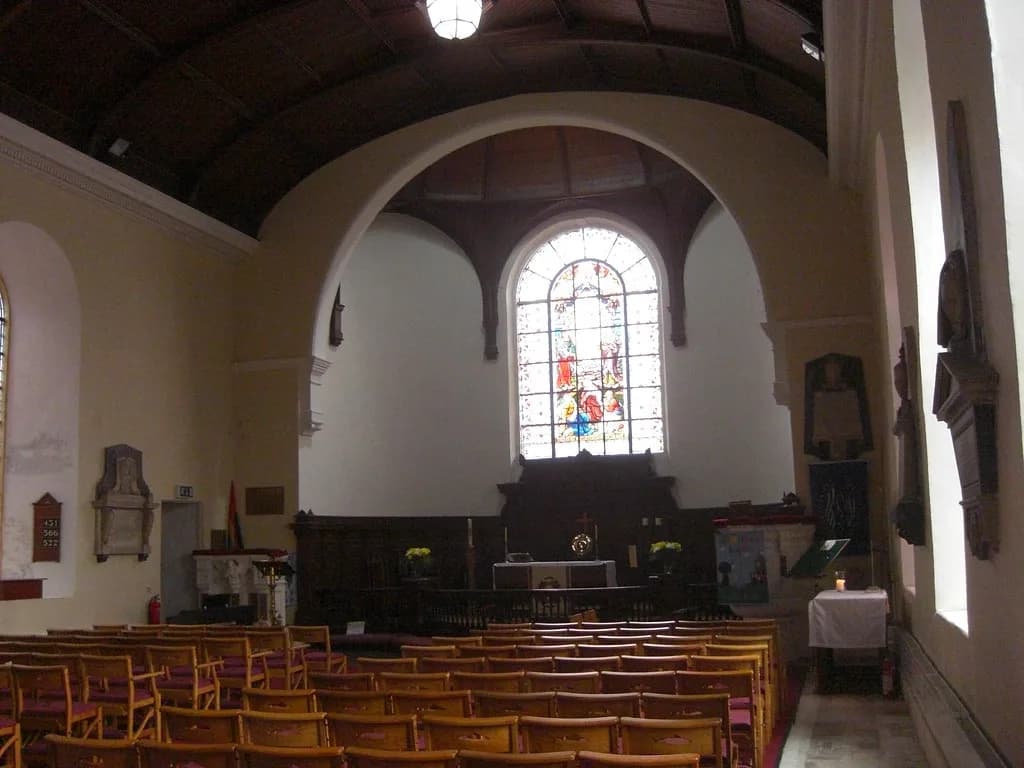
St Anne's is a Church of Ireland parish church and describes itself as the oldest church still in continuous use in Cork City, with worship since 1722. That continuity claim is the church's own, not an independent verdict. For visitors, the church sets out three described experiences: climbing the tower for panoramic city views, seeing the workings of the four-faced clock, and playing the bells.
Because the tower is an operating church rather than a heritage centre, visiting arrangements follow parish practice. Confirm current opening and entry conditions on the operator's own visit pages before travelling, since arrangements can change with services and seasons. A dedicated visitor guide to the church and tower covers the experience in more detail than a district guide can.
The Tower's Fabric and Skyline
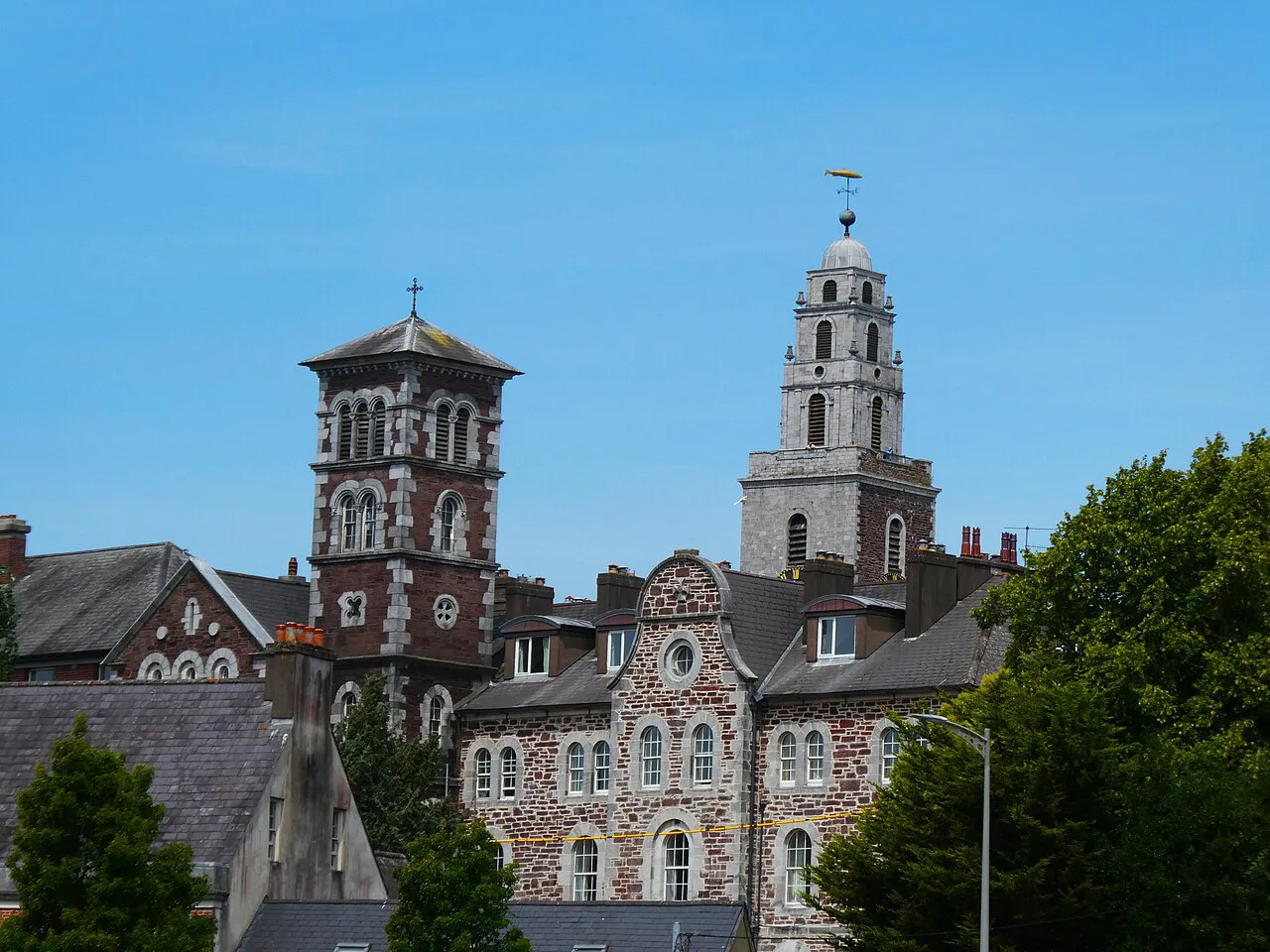
Pure Cork describes the present pepper-pot tower as built in 1722, about 170 feet in height with walls roughly 7 feet thick. The same account says the sandstone came from the old Shandon Castle and the limestone from the Franciscan Abbey on the North Mall, and explains the contrasting faces as limestone to the south and west and sandstone to the north and east. Those stone-origin details are the tourism body's assertion rather than an independent building survey, so read them as the accepted local account.
At the top sits a gilded fish weather vane, nearly 4 metres long, known locally as the goldy fish. Pure Cork links the choice of a fish to the importance of the salmon industry on the River Lee at the time. From street level the vane is the detail that identifies the skyline, and it is worth looking up before you decide whether to climb.
An Attributed Assessment of the Church
St Anne's quotes a 2001 architectural and archaeological appraisal by Colin Rynne, prepared for Southgate & Associates, which calls the church one of the most important ecclesiastical structures in Cork and one of a small number of early 18th-century Irish churches retaining original bells. Attribute that judgement to the appraisal, not to this guide. It is useful because it explains why the building matters beyond its view.
For a visitor, the practical consequence is that the bells and the clock mechanism are not decorative extras but the features that make the building unusual. If you have limited time in the quarter, prioritise a look at the exterior fabric and the tower silhouette even when the interior is not open.
Layered Institutional History on John Redmond Street
One building on John Redmond Street, now operating as a hotel, shows how far the district's institutions have shifted. Cork City Council's heritage open day listing records that in 1720 it was the North Infirmary, described as the first general hospital opened in Cork, with accommodation for 24 patients in a building 70 feet by 24 feet, mostly serving poor Catholic patients.
The same account records the hospital's closure on 26 November 1987, when a crowd of about 2,000 watched the lights switched off floor by floor while the Butter Exchange Band and Shandon Bells played. These details belong to that single building and should not be stretched into a history of the whole district. The point is the density of institutional change within a few streets.
Reading the Quarter on Foot
Shandon rewards attention to level changes and sightlines more than to a checklist. The council describes the city centre as compact and easy to cover on foot, which holds for this quarter: the streets fold around the church and the tower reappears at unexpected angles as you climb. Walk uphill first and descend through the side streets, so the views open rather than close.
The other side of the river offers a useful contrast for a second walk. The victorian quarter cork sits on the southern side and gives a different reading of the city's nineteenth-century expansion, which sharpens your sense of what is distinctive about Shandon's earlier fabric.
A further contrast lies out along the harbour, where the Blackrock neighbourhood guide opens up a different Cork of riverfront edges and separate village character. Reading it after Shandon helps you weigh how much of the city's identity comes from topography and how much from any single monument.
Before You Go
Check two things before setting out: current opening and entry arrangements for St Anne's tower on the parish's own visit pages, and the council's Shandon Mile map so you follow a coherent route rather than circling. For the Butter Museum, Firkin Crane, North Cathedral Visitor Centre and Dominican church, use each venue's own listing, since their visiting arrangements are not published in the district material. If the Butter Museum tempts you into more indoor time, the wider museums in cork guide covers the city's other collections.
Shandon works best as a short, slow walk through a compact historic quarter, with the tower as the fixed point you navigate by. Extending the day is easiest by choosing one contrasting district rather than adding more stops inside Shandon.
Explore more Cork guides
Frequently Asked Questions
What is Shandon in Cork known for?
Shandon is known for its historic streets on the north side of central Cork and for the cluster of landmarks around St Anne's Church, including the tower, bells and four-faced clock. The local heritage group also names the North Cathedral Visitor Centre, the Butter Museum, the Dominican church of St Mary and the Firkin Crane as part of the quarter. Cork City Council describes the area as one of the most historic and interesting parts of the city.
Where does the name Shandon come from?
Local sources, including Walking Shandon and St Anne's Church, trace the name to the Irish Sean Dún, meaning old fort. Treat this as the district's accepted local derivation rather than a settled academic etymology, and do not expect a surviving fort to visit.
What is the Shandon Mile?
It is one of four self-guided heritage walking trails that Cork City Council has developed in the city centre, with maps published on its walks page. It is a relatively short route through a landmark-dense district rather than a guided tour, so you set your own pace and route.
Which landmarks are in Shandon?
The named landmarks include St Anne's Church with its tower and bells, the North Cathedral Visitor Centre, the Butter Museum, the Dominican church of St Mary and the Firkin Crane. Only St Anne's publishes detailed visitor information openly, so check each other venue's own channels for current arrangements.
Is the walk around Shandon steep or long?
It is short but includes level changes as the streets rise toward the church, so allow time for the climb and wear comfortable shoes. The council describes the city centre as compact and easy to cover on foot, which applies to this quarter as well.
What should I check before visiting the tower?
Check current opening and entry arrangements on St Anne's own visit pages, since the church operates as a working parish and arrangements can vary with services and seasons. Also note the council's Shandon Mile map so your route through the side streets is coherent.
Can I visit the Butter Museum and Firkin Crane on the same walk?
Both are named as landmarks within the quarter, so they sit naturally on a walking route through Shandon. Their individual visiting arrangements are not set out in the district material, so confirm details with each venue before planning around them.