
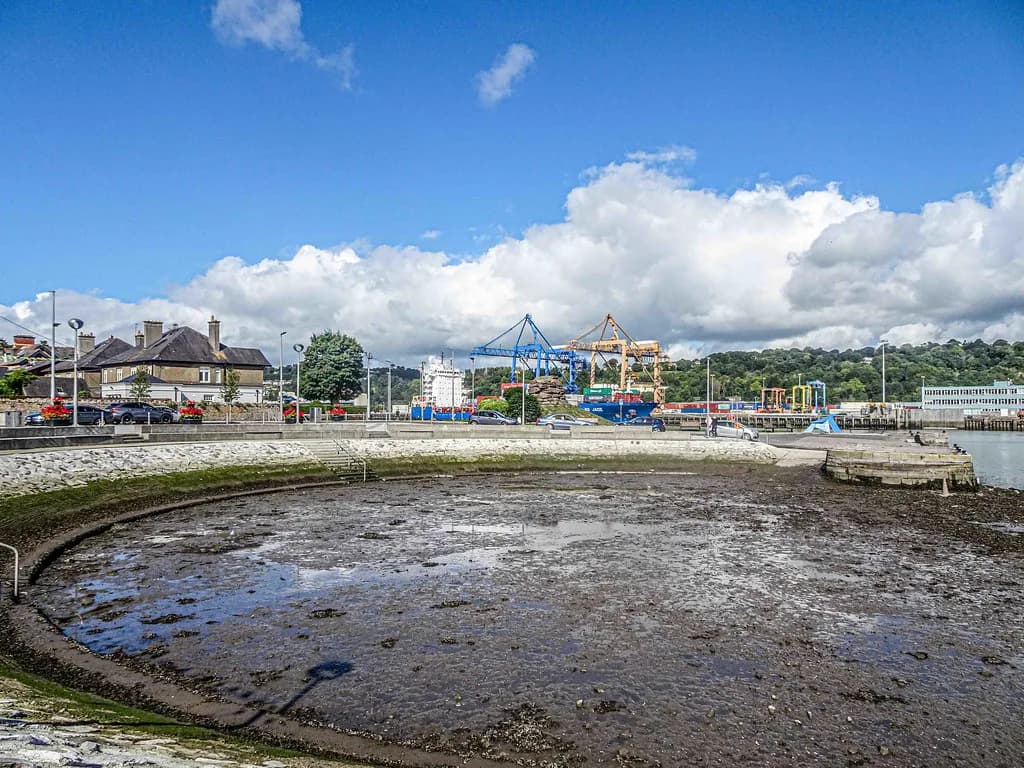
Blackrock, Cork: A Built-Heritage Walk Through the District
Blackrock, Cork is a district on the city's eastern side, and the clearest way to understand it is not as a single attraction but as a stretch of built heritage along Blackrock Road, from the Ballintemple edge towards Blackrock Castle. Cork City Council's draft development plan chapter on Architectural Conservation Areas records a Blackrock Road ACA divided into sub-areas, which gives a visitor a ready-made frame for reading the streets. The guide below follows that frame, names only what the sources document, and flags where the record leaves questions open.
Direct Answer: What Blackrock Is in Cork's Built Heritage
Treat Blackrock as a conservation-area district rather than a checklist of sights. The planning record defines a Blackrock Road ACA and divides it into sub-areas A to D, with Ballintemple village and its surrounds, Dundanion Court, Blackrock Village and Castle Road each forming a named part of the whole. That structure matters because it tells you the designation is about the character of a road and its groups of buildings, not about one monument.
The evidence for this is a draft chapter published on Cork City Council's consultation portal, where the related consultation closed on 26 July 2021. The document sets out objectives and descriptions, and its own notices make clear it is a draft rather than a settled statement of the district. Read it as a record of what the council proposed to protect and why, and check the council's current development plan if boundary status matters to your visit or research. If you'd rather trade the planning file for an afternoon indoors, the museums in cork guide is the natural companion.
What the Conservation-Area Record Is Meant to Protect
Architectural Conservation Areas exist to manage change, not to freeze a place. The draft chapter's approach in the Blackrock context is to identify groups of buildings whose scale, materials and rooflines hold a street's character together, so that alterations and new development are judged against that character. For a visitor, that translates into looking at repetition: matching fronts, consistent heights, shared details.
The chapter illustrates this thinking with fine-grained detail elsewhere in the city, noting rows where timber sash windows and consistent rooflines are singled out as significant. The same logic applies when you walk Blackrock Road: the interest is in how houses sit in a terrace and how a village centre holds its shape. If you want a comparison for how Cork frames these districts more broadly, the Cork Neighborhoods: 4 Area Guides collection sets out other areas in the same city, and if collections rather than streetscape are your interest, the museums in cork guide covers the city's indoor heritage.

Ballintemple and the Western Approach
The western edge of the district is where the draft record becomes most specific about change. It describes a proposed extension of the Blackrock ACA westwards as far as the junction with Victoria Road, taking in St. Joseph's Terrace within Sub-area A. Because this appears in a 2021 draft, treat it as a proposal rather than a settled boundary: useful for understanding how the council was thinking about the district's extent, but not something to rely on as adopted.
In practical terms, Ballintemple gives you the approach into Blackrock rather than a defined set-piece. Walk it as the beginning of a sequence that leads towards the village and then the castle, and you will see the transition from smaller-scale streets into the district proper. The planning record describes the streetscape here rather than any visitor facility, so plan on looking from the road rather than entering buildings; if you would rather be inside looking at collections, the museums in cork guide is the better use of a wet afternoon.

Churches and Institutional Architecture Across the District
The strongest single argument for reading Blackrock as a district is the range of ecclesiastical buildings the draft chapter lists within it. It names the Ursuline Convent and its T-plan chapel, St. Michael's Church of Ireland and St. Michael's Roman Catholic Church, and connects them to the area's religious, social and physical expansion over time. Different denominations and different architectural styles sit close together, which is exactly the kind of layering that a single-building guide would miss.
Two practical points follow. First, the record names these buildings without giving any visitor terms, so treat the designation as evidence of architectural interest and nothing more: plan on seeing the group from the street rather than assuming you can step inside the convent or either church. Second, the group rewards attention to how buildings meet the street, since the same district contains both convent and parish architecture. If your interests lean toward objects and collections rather than streetscape, spend your time elsewhere and keep this walk for architecture; the museums in cork guide points you to the city's collections instead.
Blackrock Village as a Streetscape
Blackrock Village forms its own sub-area in the draft record, which is a useful reminder that the designation is applied at the scale of a village centre and not only to grand buildings. The record frames the area through its churches and ecclesiastical buildings and through the castle on its eastern boundary, so read the village as part of that wider grouping. When you walk the village, the question to ask is what holds the centre together visually.
Do not expect the draft chapter to describe the village street by street. Its Blackrock material is concentrated on the sub-area structure, the ecclesiastical buildings and the boundary landmark, which means the finer grain of the village centre is something you observe on the ground. A slow pass along the main street, looking up at parapets and rooflines, will tell you more than any list. For a contrast in Cork's inner districts, the shandon cork guide shows how another historic area is read on foot.
Castle Road Eastward and Blackrock Castle
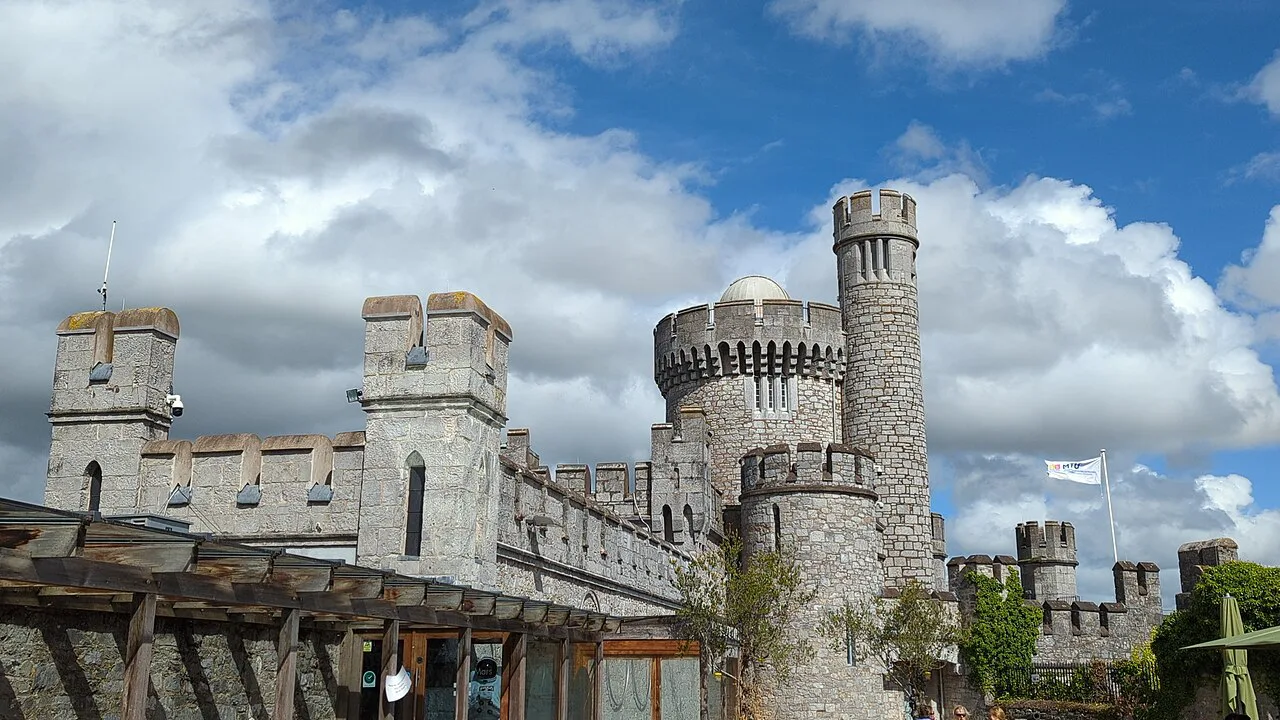
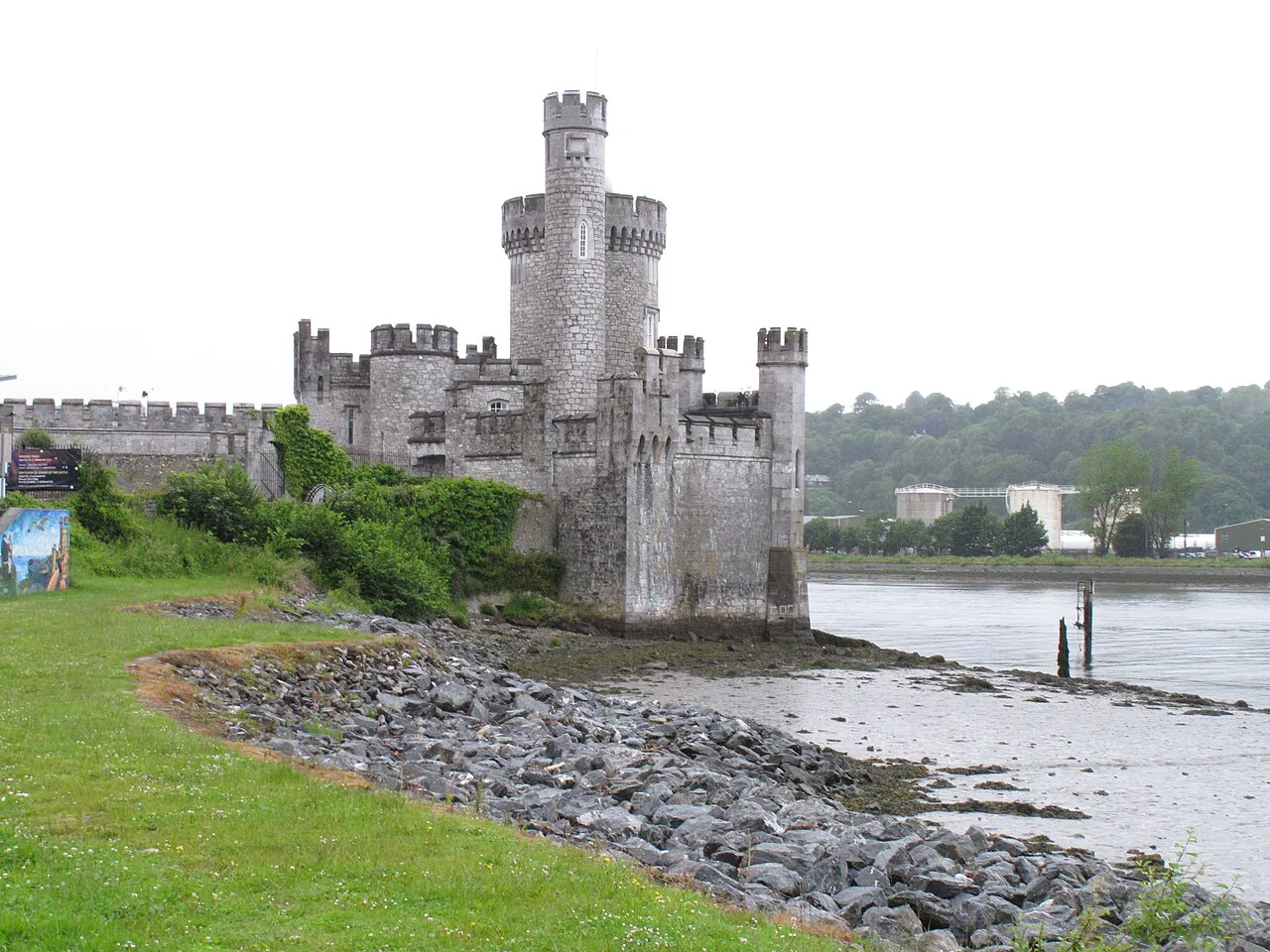
Castle Road forms the eastern sub-area, and the draft chapter places Blackrock Castle on the area's most eastern boundary as a landmark riverside building. That is a statement about designation and setting, not about what you can do inside the castle; the draft chapter is not a visitor guide to it, and the boundary detail it does record is the church and village structure of the wider district rather than a street-by-street account of Castle Road.
The castle's own operator page gives a fuller account of its past, calling it the oldest surviving structure still in use in Cork and describing roles including an Admiralty Court, a lighthouse, a signalling station and a gun battery. That is the operator's characterisation rather than an authority's finding, and it comes from a restaurant housed in the castle courtyard, so treat it as context rather than a curatorial statement. The same page says the castle houses Blackrock Castle Observatory and that its exhibitions carry a ticket fee, so check exhibition times and admission terms directly with the observatory before you travel.
The trade-off is straightforward. If the castle is your main reason for coming, get its current arrangements from the operator and the observatory rather than assuming open doors. If the district's streetscape is your reason, the castle is a full stop at the end of the walk and the going is the point.
Twentieth-Century Layers: Denis Higgins and Janeville
Heritage in Blackrock is not only eighteenth and nineteenth century. The draft chapter records an estate of 132 houses designed by the Cork architect Denis Higgins (d.2001), based on an open-plan suburban design; the chapter notes he spent four years in Boston during the 1960s and that he also designed Janeville on Blackrock Road. It contrasts this with an earlier 1965 development by Frank Murphy Architects that was not open plan.
What makes this relevant to a walk is the absence of boundary walls, which the chapter identifies as giving the layout an open, spacious character, with staggered lawns and mature trees at property corners. Houses of this kind read very differently from a formal terrace, so walking the district becomes an exercise in comparing two ideas of how to house people. If this period of Cork's architecture interests you, the victorian quarter cork guide offers a companion look at an earlier, more formal street pattern.
Practical Reading of the District on Foot
Use the sub-areas as your itinerary rather than inventing one. Start at the Ballintemple end, follow the road through the village centre, and finish at Castle Road and the castle, which gives you a coherent west-to-east sequence and a natural stopping point. Keep the walking frame simple and let the buildings set the pace.
The draft chapter describes the district through its sub-area structure, its ecclesiastical buildings and the castle, not through visitor terms for any of them, so plan the day around exteriors and streetscape. Two reminders cover most practical questions: confirm current opening arrangements with whichever church or venue you hope to enter, and confirm the castle's arrangements with its operator. Beyond that, the record gives you enough to look intelligently without promising you access to anything.
If you want to extend your understanding of Cork's historic districts after this walk, the south parish cork guide covers an area of the city with a very different relationship between street layout and its medieval past. It is a useful next step for anyone comparing how Cork's neighbourhoods are shaped.
Plan Your Visit
Blackrock rewards a visitor who comes for the road rather than a single door. The draft conservation-area record gives you four named sub-areas, a set of ecclesiastical buildings and a twentieth-century estate to look at, and the castle closes the walk at the eastern end. Build the day around that sequence and the district makes sense as a whole.
Before travelling, check the council's current development plan for the status of the area and its proposed extension, and check the castle's own operator for what is actually open. Everything else is a matter of walking and looking, which is what this district does best.
Explore more Cork guides
Frequently Asked Questions
What is Blackrock, Cork known for as a historic district?
It is documented as a conservation-area district along Blackrock Road, divided into sub-areas that include Ballintemple, Dundanion Court, Blackrock Village and Castle Road. Its interest lies in groups of buildings, ecclesiastical architecture and streetscape rather than a single headline attraction, and Blackrock Castle marks the eastern boundary.
What does the Blackrock Road Architectural Conservation Area protect?
The draft plan chapter frames it around the character of groups of buildings and the streets they form, including named churches and the village centre. Because that record is a draft consulted on in 2021, check the council's current plan for what is in force.
Is Blackrock Castle part of the conservation area?
The draft chapter places the castle on the eastern boundary of the district as a landmark riverside building. Its operator describes a layered history and an observatory with ticketed exhibitions on site, so confirm visiting arrangements directly rather than assuming access.
What can I actually see walking Blackrock's historic streets?
Expect exteriors: terraces, church buildings, the village centre and the castle at the end of the road. The record supports the architectural interest but not interior access, so plan around what you can see from the street.
Is the western extension of the conservation area in force?
The draft chapter proposed extending the area west to the Victoria Road junction to include St. Joseph's Terrace within Sub-area A. That was a proposal in a draft consulted on in 2021, so treat it as unconfirmed and verify the current position with Cork City Council.