Galway Walking Tour: How the City's Guided Walks Differ
Galway walking tours share one compact medieval core but differ in meeting point, group size and payment. See how each format works and what to check first.
On this page
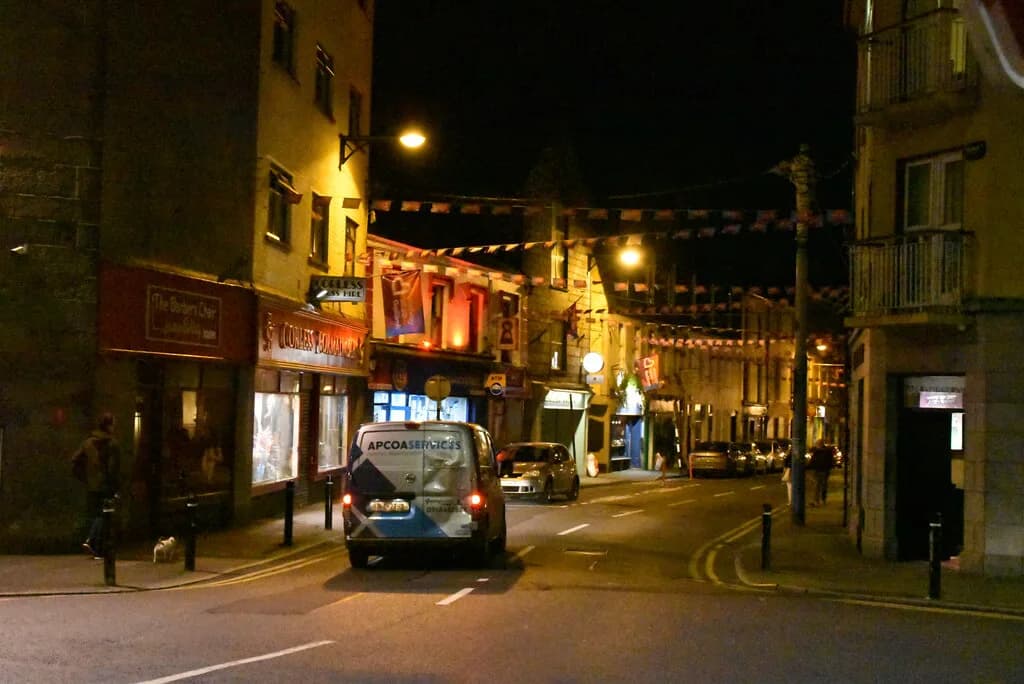
A Galway walking tour works because the historic centre is genuinely small: the medieval streets, the Corrib waterfront and the Claddagh sit within a short stroll of each other, which is why most commercial routes keep circling the same handful of landmarks. What actually differs is where a walk begins, how many people join, how the guide is paid and how heavy the storytelling is on legend versus merchant history.
Rather than rank operators, this guide sets out four formats that are supported by published details: a Fáilte Ireland approved small-group walk starting near the docks, a tips-based city tour meeting at the Spanish Arch, a bookable cultural walk running from Eyre Square to the waterfront, and a pay-what-you-want tour built around legends. Each attributed detail below belongs to that operator only, so treat group caps and durations as that company's arrangement rather than a rule for the city.
Why Galway Rewards a Walking Tour
Galway's core is compact enough that one publisher describes the centre as crossable on foot in roughly ten minutes, which means a guided walk can cover a lot of ground without anyone needing transport. That density is the real argument for a tour: the medieval laneways, the old commercial streets and the riverfront sit almost on top of each other, and a guide's job is to connect them into a sequence rather than to move you between distant sights.
Walking is also how the city reveals its layers. The same publisher notes that remnants of the old defensive walls survive in odd places, including inside a modern shopping centre, which is the kind of detail you notice on foot and miss from a bus window. If your interest leans toward the buildings themselves, the city's architecture rewards a slower look at facades and doorways along the route.
Four Formats Compared
The first format is a small-group walk led by a Fáilte Ireland approved local guide, listed on the national tourism site, which begins in a hotel beside Galway Docks and caps participation at sixteen people. That starting venue matters in wet weather, since the group assembles indoors before setting off, and the cap keeps the format closer to a conversation than a crowd. Note that approved-guide status is described for this one listing and should not be read as a city-wide accreditation scheme.
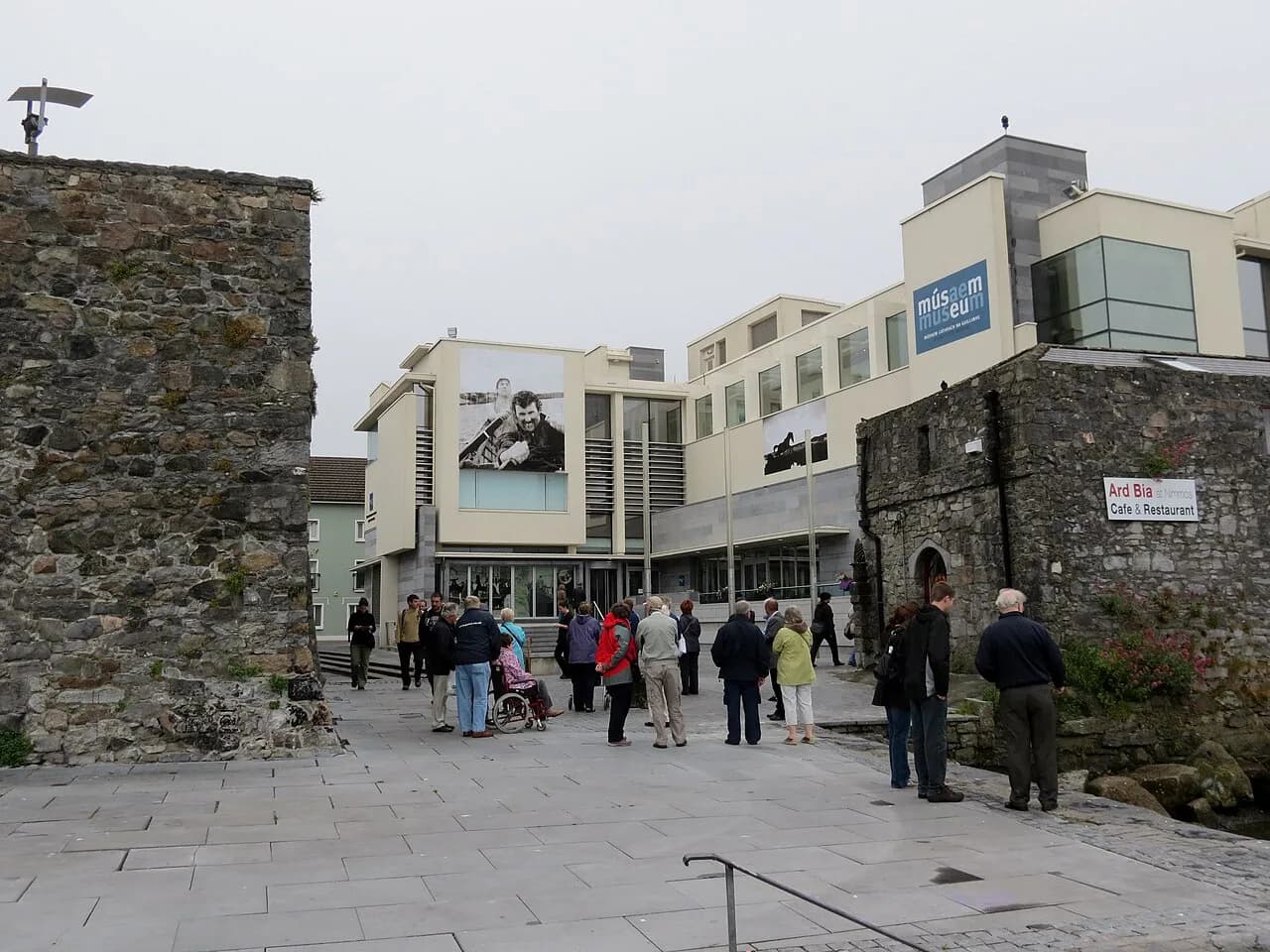
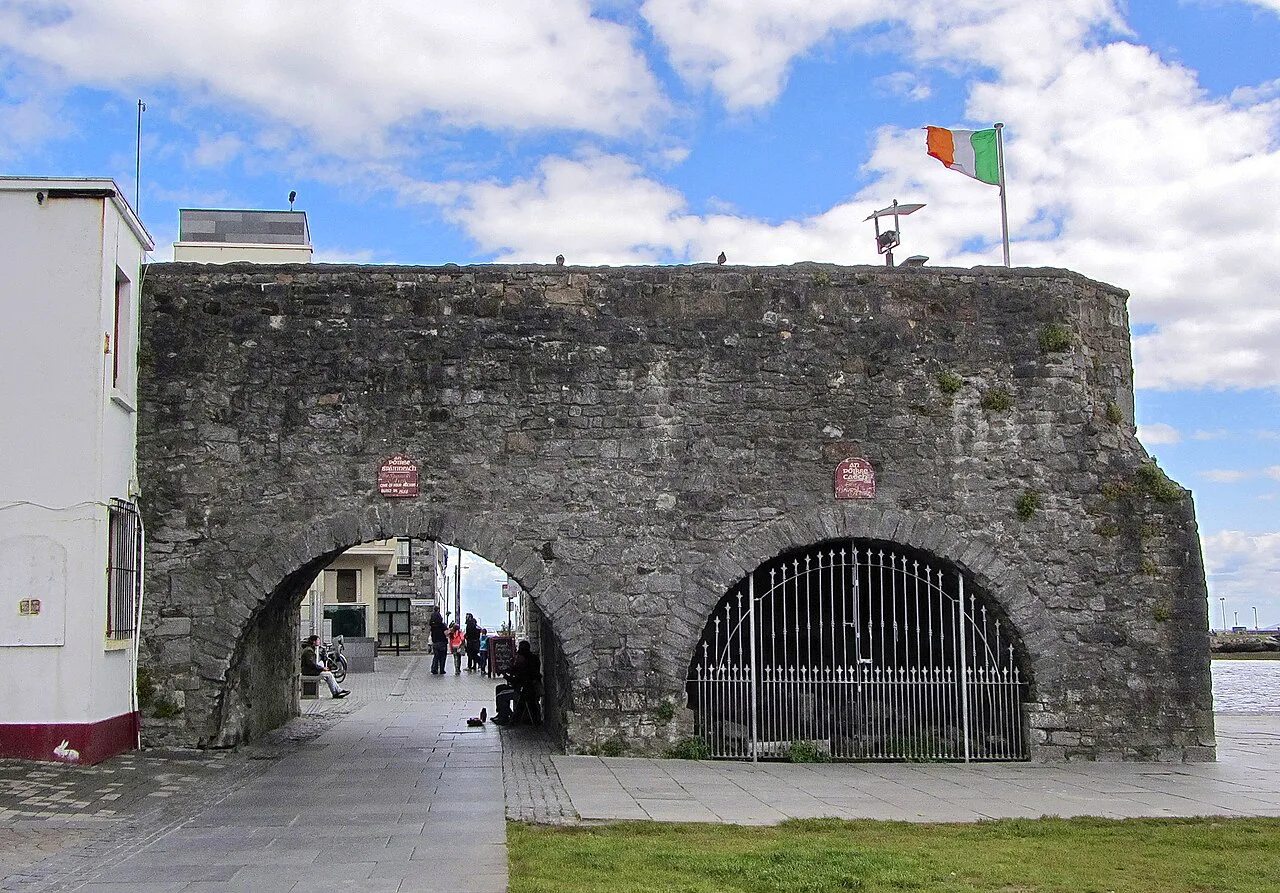
The second is a tips-based city tour that meets outside Galway City Museum beside the Spanish Arch and is advertised as a two-hour walk. The operator states that guides are not paid by the city or by businesses and instead accept a donation at the end, and that its standard tour cannot take groups of seven or more, who are asked to contact the company about a private arrangement. Those are that company's terms, not a general description of free tours in Galway.
The third is a bookable cultural and historical walk sold through a travel-activity platform, starting in Eyre Square, following Shop Street past Lynch's Castle and finishing by the River Corrib at the Spanish Arch and Galway City Museum. The product page states a cancellation term of at least twenty-four hours before departure for a full refund, which is worth noting if your plans are weather-dependent.
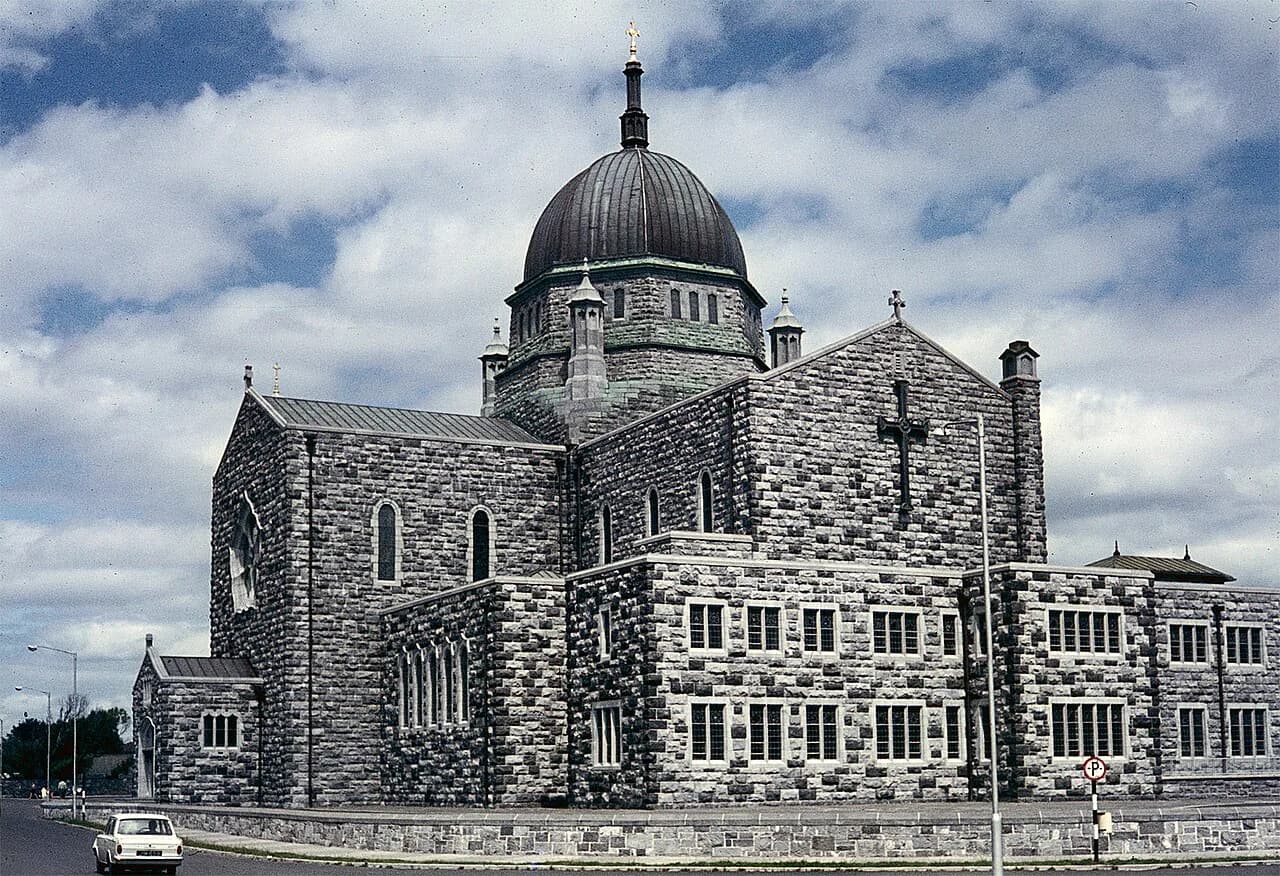
The fourth is a pay-what-you-want tour with a legend and folklore emphasis, beginning in Eyre Square and covering St Nicholas Church, the Spanish Arch, the Claddagh area and the Cathedral according to its listing. Its published theme is stories of pirates, ghosts and broken loves rather than institutional history, so it suits travellers who want atmosphere and narrative over chronology.
The Shared Spine of the Walk
However a route is packaged, most of these walks return to the same set of places. Eyre Square is the city's main public space and an obvious assembly point, and it holds monuments including the Browne Doorway, a seventeenth-century entrance moved to the square in the early twentieth century according to one publisher. Treat that kind of dating as what tour descriptions relay rather than as verified architectural history.
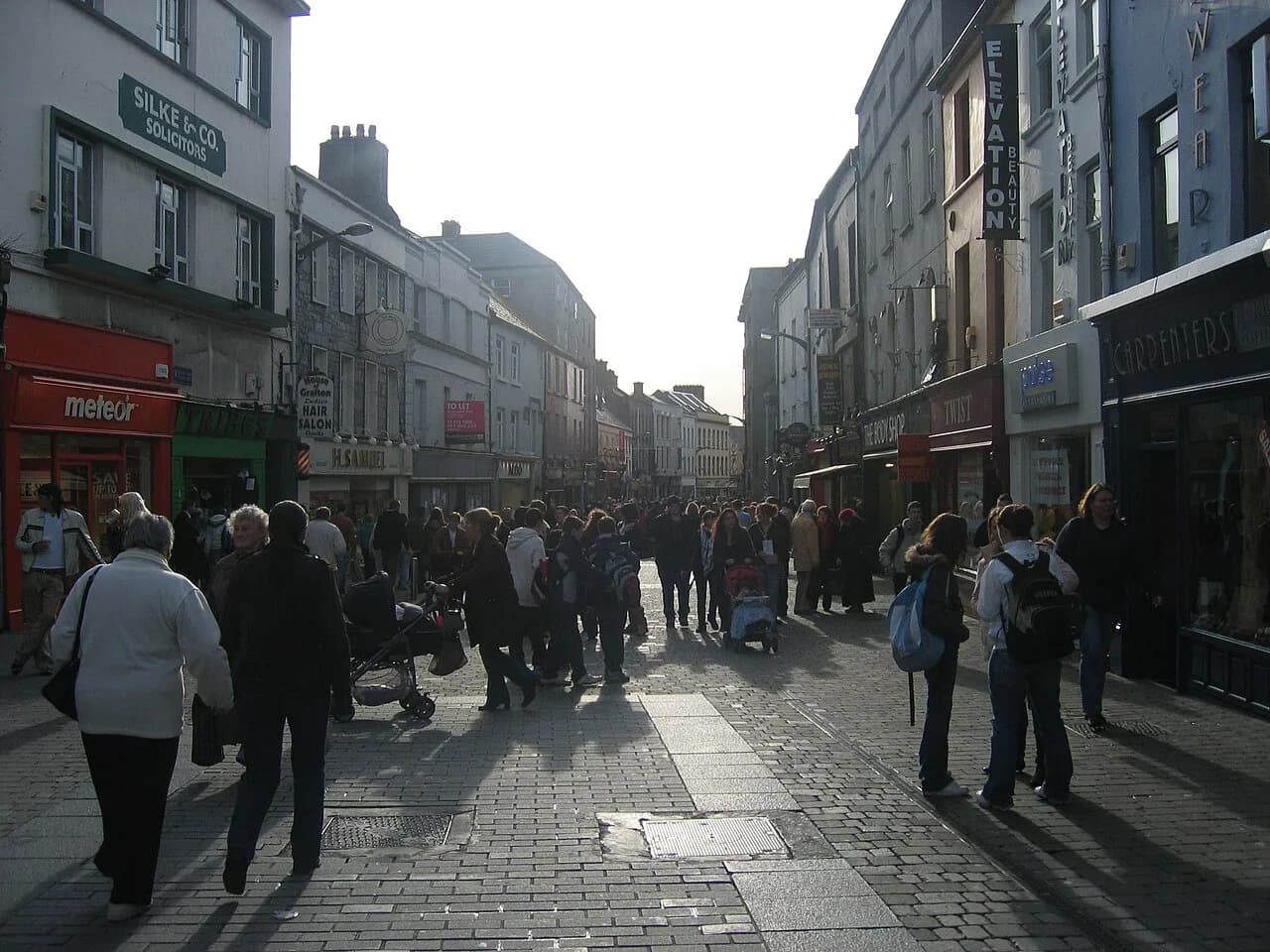
From the square the natural line runs along Shop Street into the Latin Quarter, which one marketplace describes as stretching from the Spanish Arch to O'Brien's Bridge and containing Lynch's Castle, a fortified townhouse. The castle is a facade you read from the street on these walks; nothing in the published material indicates that tours take visitors inside, so plan on exterior viewing and check separately if you want to go further.
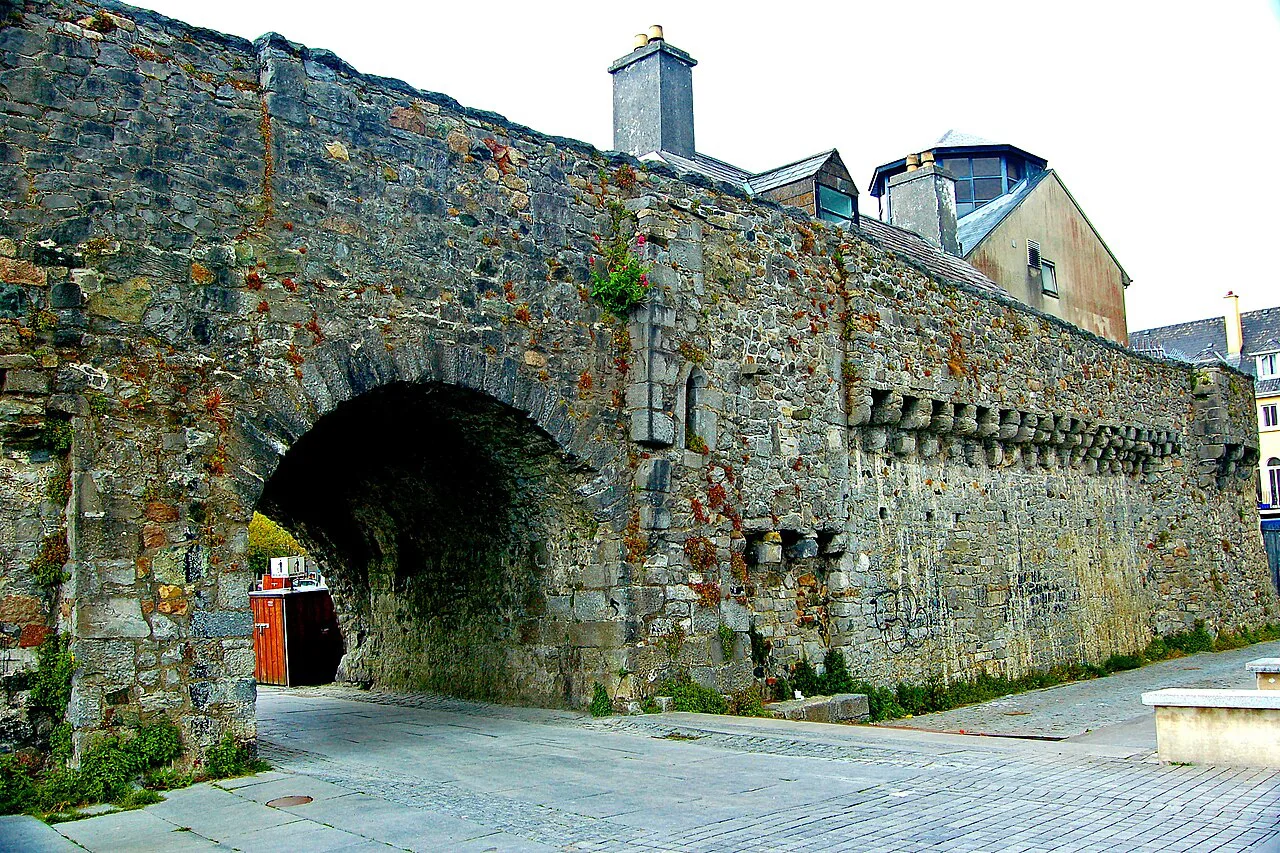
The walk usually resolves at the water. The Spanish Arch, described by one publisher as more than four centuries old and once part of the defensive wall around the quay, stands next to Galway City Museum, and the Claddagh lies across the river, formerly an independent fishing village. The river crossing and the quay give the tour its ending, and the museum's position makes it a natural next stop, with the city's museums covered in more depth elsewhere on this site.
Meeting Points and What They Tell You
A docks-side hotel start places you at the western edge of the centre, close to the Corrib's mouth, and gives the guide room to open with context before the group walks inward. It also means your first view of the city is the river and the quay rather than the commercial square, which changes the tone of the walk from the outset.
The Spanish Arch meeting point suits anyone already exploring the waterfront, and it puts you beside the museum from the first minute. Eyre Square starts feel more conventional and work well if you are arriving from the station side of town or want to begin with the city's main civic space. Choose the meeting point that matches where you will already be, because criss-crossing the centre to reach a start wastes the very time a tour is meant to save.
Group Size, Duration and Payment
Group limits and pacing are operator details, not city-wide standards. The approved-guide listing specifies a maximum of sixteen people, while the tips-based operator declines standard-tour bookings for parties of seven or more and asks larger groups to enquire about a private arrangement. If you are travelling as a family or a group of friends, that threshold is the single most important line to check before booking.
Payment models vary just as much. The tips-based operator describes its city tour as running on donations given at the end at your discretion, while the platform-listed cultural walk is sold as a conventional booking with a stated cancellation window. Duration follows the same pattern: the two-hour figure attached to one city tour should not be assumed for every walk, so read the specific listing rather than averaging them.
The Medieval Merchant Story and the Claddagh
The historical spine most guides narrate is the merchant town of the fourteenth and fifteenth centuries, when leading families dominated trade and left their names on streets and buildings. One publisher refers to the fourteen merchant families as the Tribes and notes that their names still appear on streets and doorways, which is a useful frame for reading the townscape as you walk.
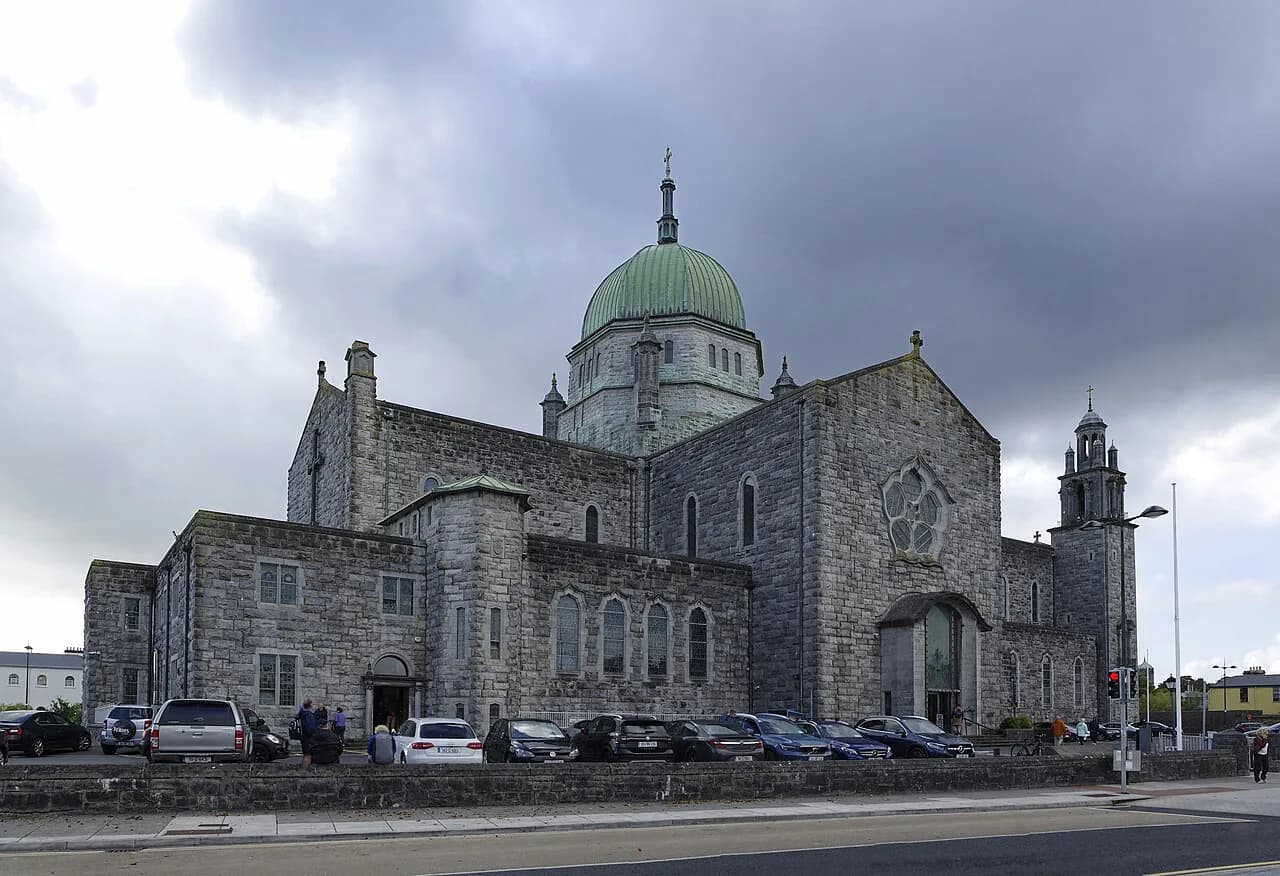
Religious buildings anchor that story. St Nicholas Collegiate Church appears on several itineraries as a legacy of the merchant town, and the city's churches more broadly carry much of the medieval fabric that survives. Walking routes typically pause outside rather than inside, so treat these as exterior stops unless a specific listing says otherwise.
The Claddagh is where documented history and legend blur, and guides tend to lean into that. The story of the Claddagh ring's origin, including the goldsmith credited in local tradition, is legend rather than established fact, and the symbols of hands, heart and crown are best understood as a tale told about the design. Older claims such as a twelfth-century fort at the river mouth or a wall begun in 1270 circulate on tour pages and are worth hearing as tradition while you check the record separately.
Walking the Same Streets Without a Guide
If you skip a tour, the same circuit works as a self-guided walk in an hour or two. Begin at Eyre Square, follow Shop Street into the Latin Quarter, look up at Lynch's Castle, then continue to the Spanish Arch and the museum, before crossing to the Claddagh for the view back over the water. That sequence follows the published routes closely enough that you will recognise the landmarks guides point out.
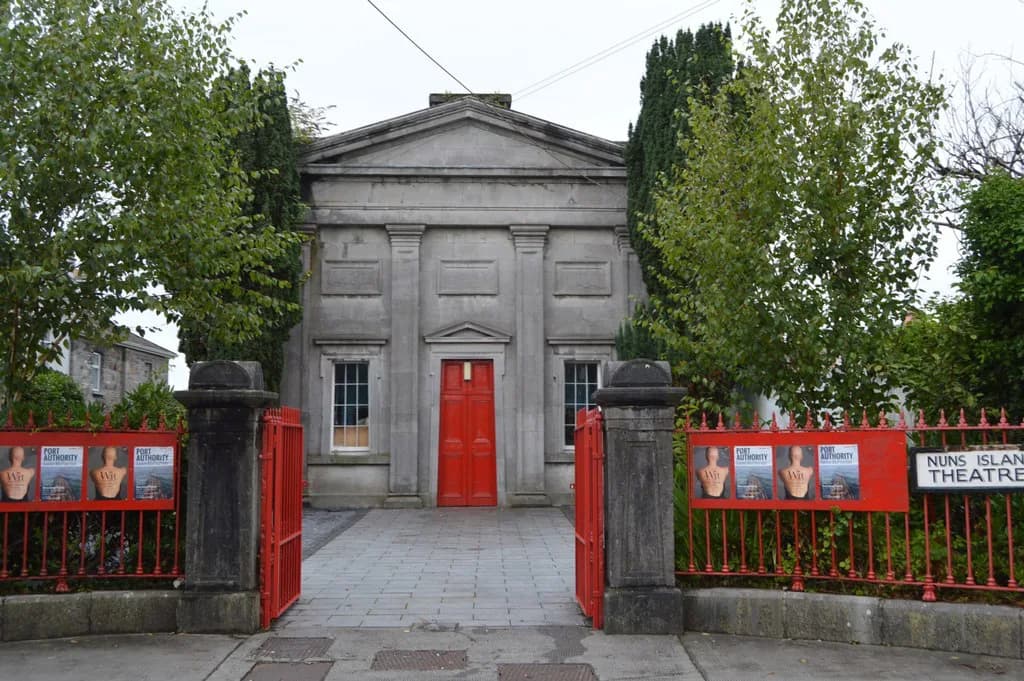
Add stops that reward a slower pace: bookshops along the centre for browsing between sights, and theatres if you want an evening after the walking. Neither needs to be part of the guided route, but both extend a day that would otherwise end when the tour does.
What to Confirm Before Booking
Check the operator's own page shortly before you travel for current start times, availability and the language the walk is delivered in, since these change and no published schedule on a third-party page can be relied on as fixed. Confirm the exact meeting point as well, because the starting points described here — a docks-side hotel, the Spanish Arch, and Eyre Square — are a short but real walk apart.
Ask directly whether any interiors are included, since the published routes read as outdoor walks past buildings rather than visits into them. If steps, uneven stone or the overall pace matter to you, raise it when booking; one marketplace advises checking route details for exactly that reason. The city's art galleries make a good indoor follow-on if the weather turns.
Plan Your Walk
Pick a format by matching its meeting point and payment model to your day: docks-side for a structured small-group walk, Spanish Arch for a tips-based two-hour tour, Eyre Square for a bookable or legend-focused route. Then read the specific listing for current times and group limits rather than assuming any detail applies across operators.
Whichever you choose, keep an hour afterwards to retrace the streets on your own. The compact centre means the landmarks stay close together, and the second pass is where the merchant town, the river and the Claddagh start to make sense as one place. For another heritage guide, read about Bookshops in Galway.
Explore more Galway guides
Frequently Asked Questions
Do Galway walking tours cost anything?
It depends on the operator. One operator describes its city tour as entirely tips-based, with a donation at the end left to your discretion, while a platform-listed cultural walk is a conventional paid booking with a stated cancellation window. Read the specific operator's own page to see which model applies before you reserve.
Where do Galway walking tours start?
Published meeting points differ by operator. One approved-guide walk assembles in a hotel beside Galway Docks, a tips-based city tour meets outside Galway City Museum beside the Spanish Arch, and other routes begin in Eyre Square. Match the start to where you will already be, and confirm the exact spot when you book.
How long is a Galway walking tour?
Duration is operator-specific. One tips-based city tour is advertised as a two-hour walk, but that figure should not be applied to other companies. Check the individual listing for the route length and pace, especially if you have limited time or mobility concerns.
Do Galway walking tours go inside the museum or church?
The published routes read as outdoor walks past landmarks such as Lynch's Castle, St Nicholas Church and the Spanish Arch rather than interior visits. Ask the operator directly whether any building entry is included, and check each site's own information separately if seeing inside matters to you.
What streets does a Galway walking tour cover?
Most routes work the compact medieval core: Eyre Square, Shop Street, the Latin Quarter around Lynch's Castle, then the Spanish Arch and the Corrib waterfront, with some continuing across to the Claddagh. The order varies, but the landmarks overlap heavily between operators.
Can I walk the medieval core of Galway without a guide?
Yes. Start at Eyre Square, follow Shop Street into the Latin Quarter, continue to the Spanish Arch and the museum, then cross to the Claddagh for the view back over the water. The centre is compact enough to cover on foot, and the sequence mirrors what guided routes describe.
Sources
You might also like

Continue reading
More guides you'll find useful