
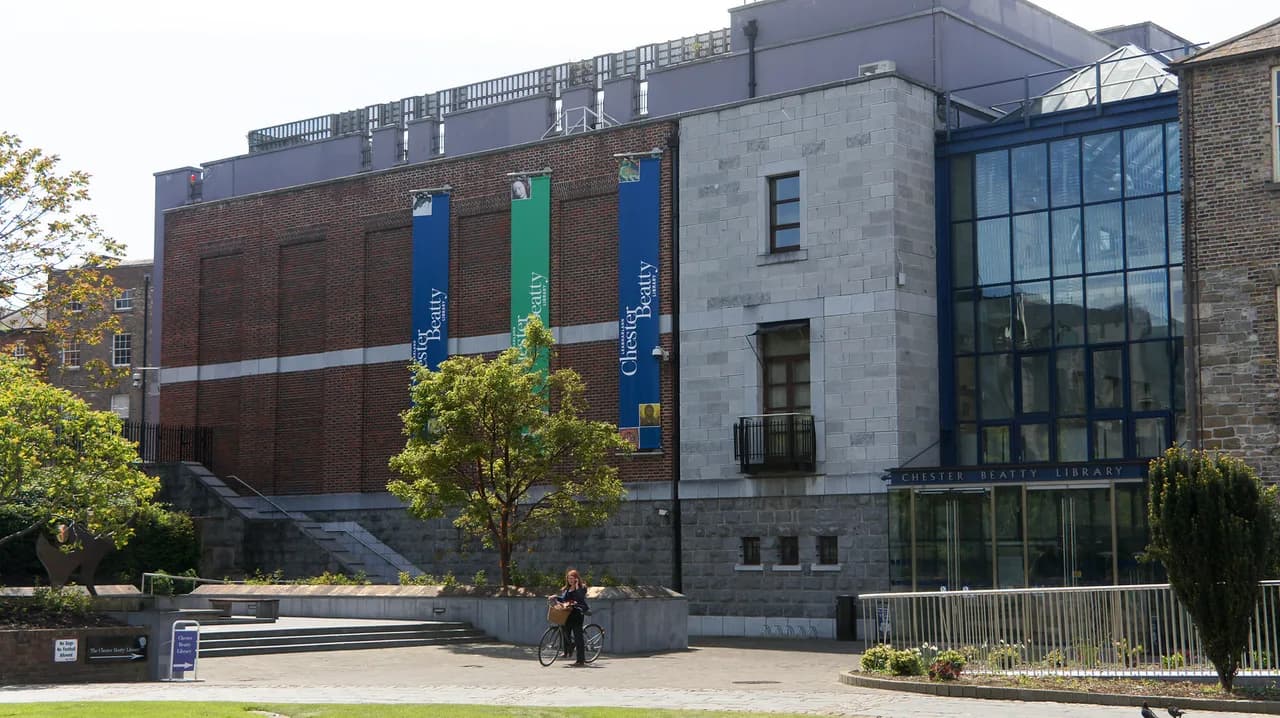
Chester Beatty, Dublin: A Visitor Guide to the Museum at Dublin Castle
The Chester Beatty is closed to the public from 15 June to the end of December 2026, so no gallery visit is possible on those dates. The operator gives the EU Presidency as the reason and publishes no reopening date beyond the end of that year, which means a January 2027 visit cannot be assumed.
The rest of this guide is about the place itself and how to prepare for it: what the museum holds, where it sits within the Dublin Castle grounds, whose collection it is, and what is worth confirming in the week before you travel. Treat any pre-closure practical detail as something to re-verify rather than a promise.
The Confirmed Closure, and What It Does Not Tell You
The official site states plainly that the Chester Beatty is closed to the public from 15 June to the end of December 2026, an arrangement made to facilitate the EU Presidency. Because the notice stops at the end of December, the opening date on the far side of it has not been published.
Visit Dublin carries the same closure notice, which corroborates the dates but does not extend them. A reader planning a spring 2027 trip should therefore check the operator's own pages closer to the time rather than treating the close of 2026 as a reopening day.
It helps to keep the wider context in view: the closure is temporary and tied to a specific event, so the museum's collection and building remain in place. Plan the rest of your Dublin days first, then slot the museum in only once a reopening has been published. For the castle quarter itself, the Dublin history guide sets the surrounding sites in chronological order.
What the Chester Beatty Actually Is
This is a museum of the written and painted word: manuscripts, rare books, miniature paintings, prints, drawings and decorative arts gathered from Asia, the Middle East, North Africa and Europe. Exhibitions are organised as a window on the artistic traditions of major cultures and religions rather than as a single national story.
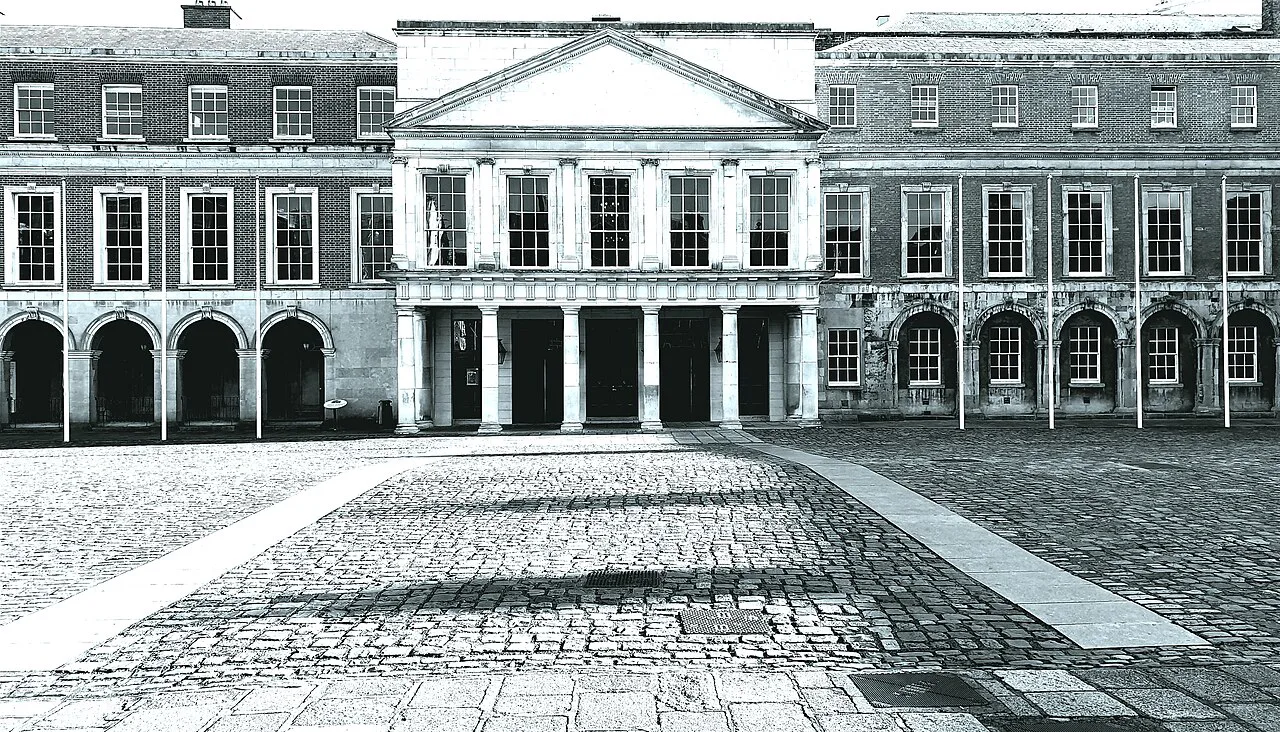
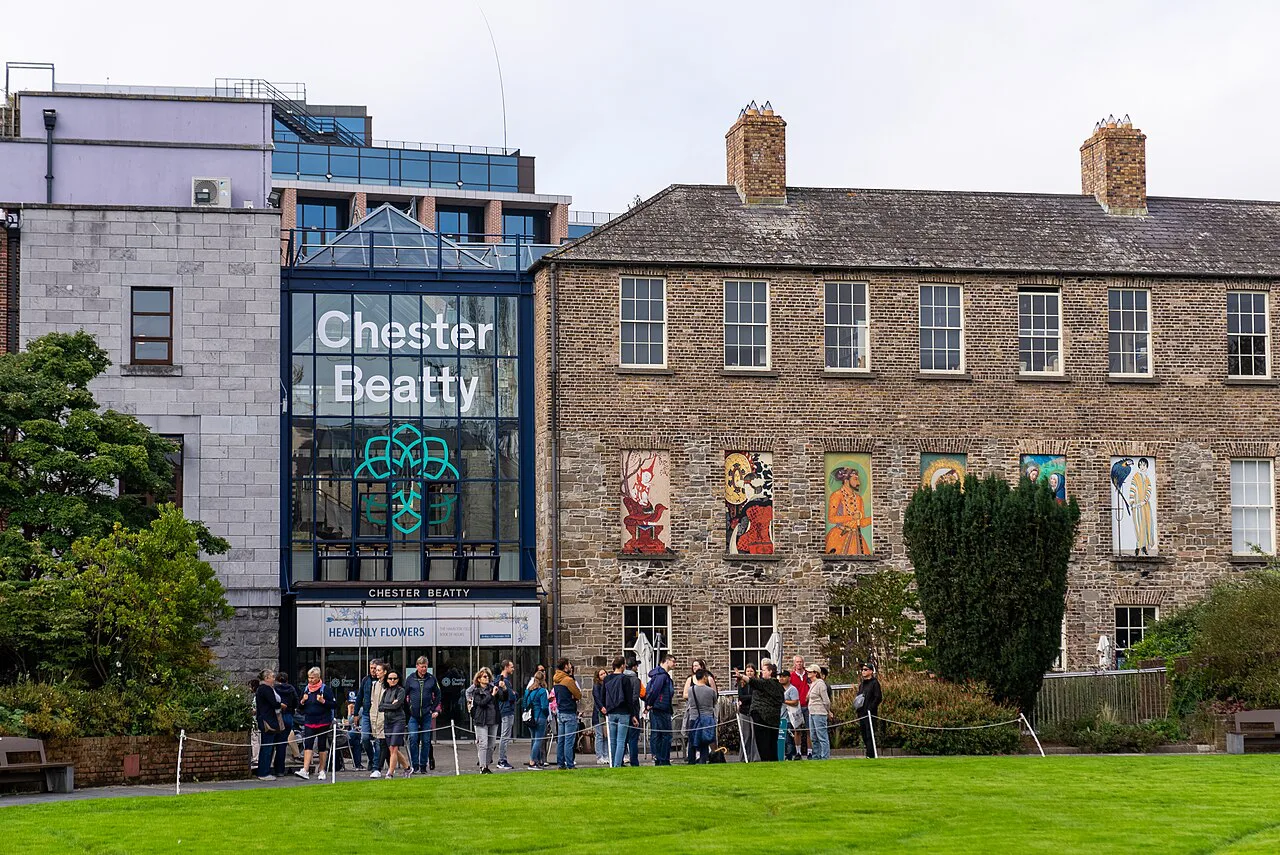
It is easy to confuse the museum with Dublin Castle itself. The Chester Beatty occupies a building within the castle grounds, to the rear of the complex, and a visit to the state apartments or the chapel royal is a separate outing with its own arrangements. Budget for them as two stops, not one.
The subject matter is global book arts and comparative religion, not Irish literary history, so arrive expecting devotional texts, finely painted pages and objects of craftsmanship from several continents. That framing is the most useful thing to carry into planning, because it tells you whether the museum belongs on your shortlist at all.

The Two Gallery Themes
The displays are grouped under two headings, Sacred Traditions and Arts of the Book, which together cover manuscripts, miniature paintings, drawings, rare books and decorative arts. Sacred Traditions gathers material connected with the world's religions; Arts of the Book concentrates on the craft of the manuscript and the printed page.
The operator also names smaller thematic presentations, including one on animals of the Japanese zodiac carved as netsuke, the small toggles worn with traditional Japanese dress. Because the museum is shut, no object should be treated as currently on view; use the theme list to judge fit and leave the specific pieces to the visit.
For a collection of this kind, an hour is rarely enough for a careful reader and often too much for a casual one. Decide in advance which theme interests you more, then treat the other as a shorter pass, so the two galleries do not blur together.
Sir Alfred Chester Beatty and the Gift to Ireland
The museum is named for Sir Alfred Chester Beatty (1875–1968), the collector whose assembled manuscripts, books and objects of art were donated to the Irish nation and form the basis of the displays. The collection is the personal project of one buyer working across decades and markets, which explains both its breadth and its idiosyncrasies.
DoDublin's account describes a fortune made in mining, a first library opened on Shrewsbury Road, honours including the Freedom of Dublin, and a move of the collection to the Clock Tower building at Dublin Castle in 2000. Those biographical and relocation details appear in that one commercial source, so treat them as an outline to be checked against the museum's own published history rather than settled fact.
A collector's biography is context, not a visitor attraction. Nothing in Beatty's story gives access to the galleries while they are shut, and his history is most useful for sharpening your sense of what kind of institution this is before you commit a morning to it.

Where It Sits and How You Reach It
The museum stands behind Dublin Castle. DoDublin describes two approaches: entering the castle grounds through the main gate on Dame Street, or descending the steps from Castle Street. From the Dame Street entrance you continue to the end of the Castle road and turn right; from Castle Street you turn left into the grounds and walk on until you see the memorial gardens, then turn right.
DoDublin describes both routes as a short walk from the O'Connell Street and Grafton Street areas, which makes the castle quarter easy to fold into a wider day on foot. If you are building a walking plan for the centre, the Dublin Attractions: 5 Visitor Guides collection sets out the city's main stops in comparable detail.
None of these approach notes should be read as proof of entry during the closure. They are orientation for the day the doors reopen, and the gates and steps are worth locating in advance only so you are not circling the castle on the morning of a future visit. For readers tracing the quarter's older layers, the Dublin history guide sets the castle and its neighbours in chronological order.
Engaging With the Collection While the Doors Are Shut
The closure does not silence the institution entirely. The education team is taking its programme out into the city, with sessions planned at Dublin City Libraries and in Dublin parks, and the operator directs readers to its What's On guide for the specific locations and events.
That outreach is the one supported way to engage with the museum's work during the closure, and it suits families or anyone who wants a led introduction rather than a silent gallery. Check the official What's On listing close to your dates, because the venues and events change across the season and are published rather than fixed in advance.
For a self-directed substitute, the operator maintains online collections that give a sense of the range of material the museum holds. Whether they are browsable at any given moment is best confirmed on the site itself, since digital services are maintained separately from the physical closure.
What to Confirm Before Any Future Visit
Admission has been recorded as free on the official site, but that is a pre-closure term and should be confirmed for whatever arrangements apply once the museum reopens. Opening hours, tour availability and any booking requirement fall into the same category: published before the shutdown, not guaranteed after it.
A workable routine is to check the operator's visit and opening-times pages, then the What's On listing, a week or two before travelling. If reopening details are still absent, plan the day without the museum rather than holding a slot open on the chance that it returns.
Facilities such as the café and shop should be treated the same way. They feature in older visitor descriptions, but their operation during and after a closure period is not something to assume; confirm on site or by phone once the museum confirms it is receiving visitors again.
The Castle Quarter and Nearby Streets
Because the museum is shut, the sensible plan is to build a half-day around the castle area and give the Chester Beatty a slot only if it is open. Christ Church Cathedral, the Dublinia exhibition on Viking and medieval Dublin, and the National Museum of Ireland sites on Kildare Street and Merrion Street are distinct places with their own published opening hours. The Dublinia page covers that exhibition as a separate visit rather than a stand-in for the library. If you want to place those Viking and medieval layers in a longer sequence, the Dublin history guide sets the same sites in chronological order.
A short walk south brings you to St Stephen's Green, a useful breathing space between indoor stops and one that needs no booking. Pairing the castle quarter with the green works well on foot, and the St Stephen's Green, Dublin guide sets out how to use the park within a city-centre day.
If paintings are what you were hoping for from the Chester Beatty, the national gallery is a genuinely different collection and a straightforward alternative while the manuscript galleries are dark. Georgian Dublin's squares offer another option: the Merrion Square Dublin guide covers one of them at an easy distance from the castle. The castle quarter's older layers also reward a dedicated read, and the Dublin history guide traces them site by site.
For background on how the castle and its surroundings took shape, the city's Dublin history pages provide the long view that a single museum cannot. Read them before you walk the quarter and the streets will make more sense, whether or not the Chester Beatty has reopened.
Planning Around a Closed Museum
The Chester Beatty is a museum of world manuscripts and book arts inside the Dublin Castle grounds, and it is closed to the public from 15 June to the end of December 2026. Plan Dublin without it, then revisit the official pages when a reopening is announced rather than assuming a date.
When it does reopen, confirm admission terms, opening hours, tours and facilities directly, since the published details predate the shutdown. Until then, the library and park outreach programme is the only supported way to meet the collection in the city.
Frequently Asked Questions
Is the Chester Beatty open to visitors now?
No. The museum is closed to the public from 15 June to the end of December 2026 to facilitate the EU Presidency, and the operator gives no reopening date beyond the end of that year. Check the official site before planning any 2027 visit.
Where exactly is the Chester Beatty in Dublin?
It occupies a building to the rear of the Dublin Castle grounds, not the castle itself. The two published approaches are the main Dame Street gate and the steps down from Castle Street, and a castle visit is a separate outing with its own arrangements.
What is in the Chester Beatty collection?
Manuscripts, rare books, miniature paintings, prints, drawings and decorative arts from Asia, the Middle East, North Africa and Europe. Displays are grouped under two themes, Sacred Traditions and Arts of the Book, and no individual object should be assumed to be on view while the museum is shut.
Who was Chester Beatty and why is the museum in Dublin?
Sir Alfred Chester Beatty (1875–1968) assembled the collection, which was donated to the Irish nation. Biographical and relocation details, including the move to the Clock Tower building, come from a single commercial source, so check them against the museum's own published history.
Can I engage with the collection during the closure?
Yes, in a limited way. The education team is running sessions at Dublin City Libraries and in Dublin parks during the closure, and the operator's What's On guide lists the venues and events; check it close to your dates because the programme changes.
What should I confirm before a visit after December 2026?
Confirm that the museum has reopened, then check admission terms, opening hours, tour availability, any booking requirement and whether the café and shop are operating. Published details predate the shutdown, so treat them as needing re-verification rather than settled.