
Dublinia: A Visitor Guide to Viking and Medieval Dublin
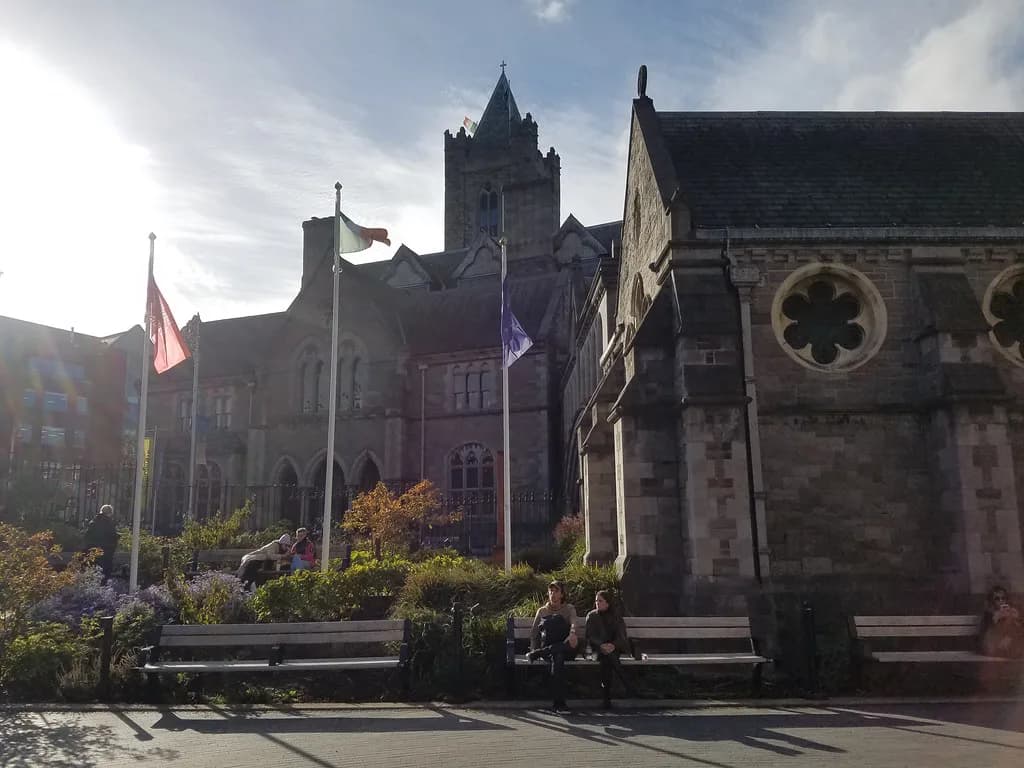
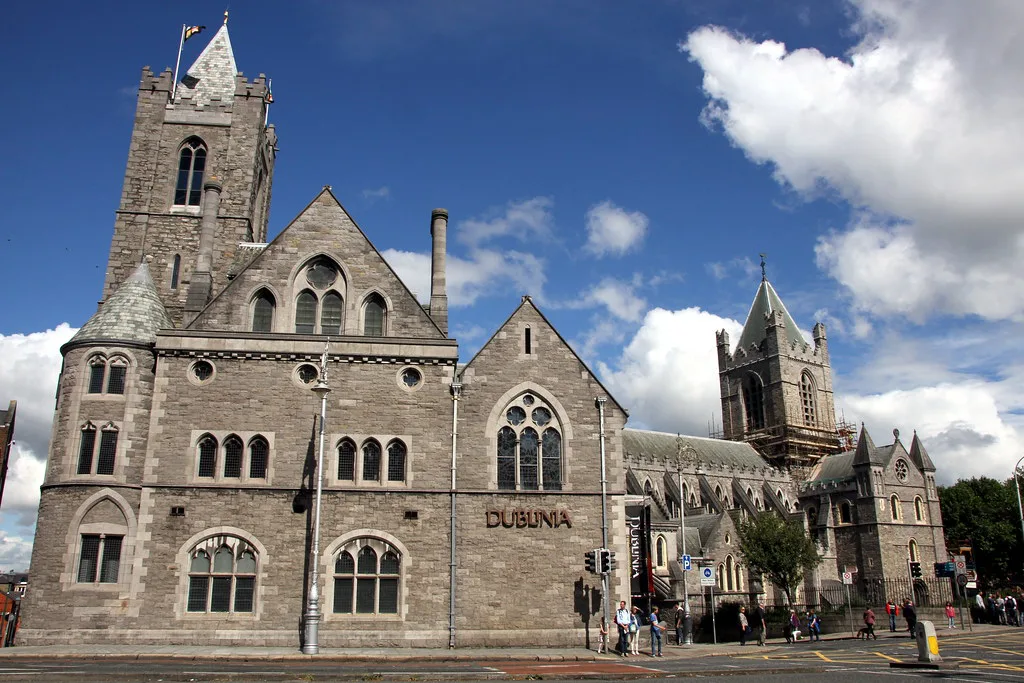
Dublinia is a museum interpreting Viking and medieval Dublin, occupying a landmark building in the city's historic heart beside Christ Church Cathedral. It is a separate attraction from the cathedral, so treat the two as distinct stops. The museum works best for travellers who want the story of the walled town explained across several floors, then a guided walk through the streets that story belongs to.
What the General Admission Ticket Covers
One general admission ticket opens all three of Dublinia's exhibition floors: Viking Dublin, Medieval Dublin and The Past Today. That structure gives the visit a chronological arc, moving from the Norse port through the medieval city to how that past is presented to modern visitors. Budget your attention accordingly, because the floors are the backbone of the museum and the tours are built around them.
The same ticket also includes the guided tours and Living History sessions offered each day, so check what is running when you arrive rather than buying extras separately. If you are weighing up which Dublin museums to prioritise, the wider set of Dublin Attractions: 5 Visitor Guides puts Dublinia alongside other city collections.
Living History Inside the Exhibition
Costumed Living History guides are stationed around the exhibition and are there to be questioned, not just watched. The museum says they cover Viking weapons, the work of the barber surgeon, medieval medicine and herbs, and will show visitors how to play Hnefatafl, the board game often called Viking chess. Approach them directly with questions about a particular object or trade rather than waiting for a set presentation.
For families, these informal stations are often the most engaging part of the visit because they turn displays into conversation. The topics skew towards the practical and grisly side of medieval life, which suits older children able to follow a description of surgery or weaponry. Allow extra time for them rather than treating the floors as a quick walk-through.
The Daily 2.00pm Exhibition Tour
A specialist guide leads a tour of either the Viking or the Medieval exhibition every day at 2.00pm, and the choice of which one runs is confirmed when you arrive rather than published in advance. No advance booking is needed and the tour is included in general admission, which makes it the simplest way to add structure to an afternoon visit.
Two caveats matter when planning around that time. The museum notes that exhibition tours are not available in July, and that all guided tours are given in English only. Availability is also subject to staffing on the day, so treat the 2.00pm slot as the intended schedule rather than a guarantee.
The Viking and Medieval Dublin Walking Tour
A walking tour of Viking and medieval Dublin sets out at 11.00am Monday to Saturday, led by a storytelling guide who links the museum's subject to the surviving streets around it. It is free with your general admission ticket but can be pre-booked, which is worth doing if the walk is the reason for your visit. Like the indoor tours, it runs subject to availability.
The timing creates a useful choice: the 11.00am walk and the 2.00pm exhibition tour sit at opposite ends of the day, so a single visit can take in both if you arrive early and stay through the afternoon. Doing the walk first gives you orientation for the displays afterwards. If you only have half a day, pick one and give the exhibition floors the remaining time.
St Michael's Tower and Its Exhibition
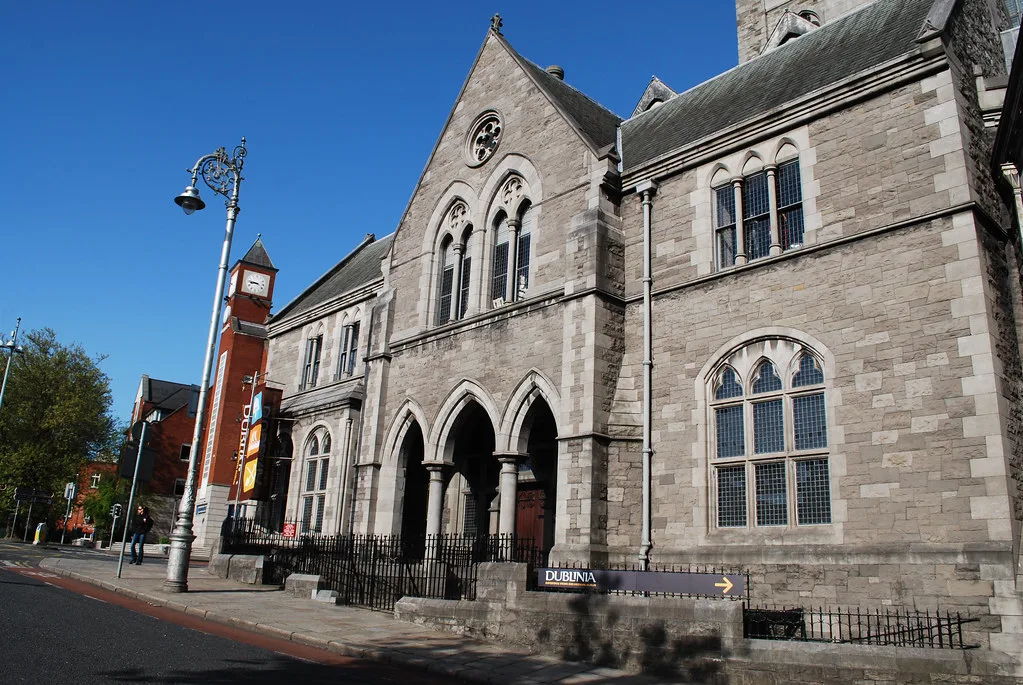
St Michael's Tower is part of the Dublinia visit and adds a vertical element to an otherwise indoor museum. It is a late seventeenth-century viewing tower that belonged to the church of St Michael the Archangel, which once stood on the site Dublinia now occupies. Visitors climb 96 steps to the top for views over the city; for the wider sequence of sites around these streets, see our Dublin history guide.
The tower's history is layered rather than straightforward. The museum explains that the original medieval tower of St Michael's church was incorporated into the design of the Synod Hall, and that remnants of that medieval past can still be traced in the footprint of the nineteenth-century building. An exhibition at the base of the tower covers its history and the surrounding parish, including firebuckets, maps of medieval Dublin and the stone masonry of the tower itself. For the broader sequence of sites and periods around these streets, our Dublin history guide places the tower's medieval layers in context.
The climb is worth factoring into your timings, and the operator publishes no lift or accessibility information for it, so anyone with mobility concerns should ask before committing. The exhibition at the base is a sensible place to pause on the way up or down. Pair the tower with the museum floors rather than treating it as a separate outing.
How Long to Allow
Dublinia recommends 90 minutes to experience everything the museum offers. That figure is a suggested length rather than a measured duration, and it becomes tight if you join the 2.00pm tour or spend time with the Living History guides. A first visit that includes the tower climb and one guided element comfortably fills an afternoon.
If you want both the morning walk and the afternoon tour, plan to be in the building from late morning until mid-afternoon. Visitors with a tighter schedule should choose the exhibition floors plus the tower and leave the tours for another trip, since the same content is available inside the displays.
Opening Hours and Booking
The museum states that it is open daily, Monday to Sunday, from 10.00am until 5.00pm, with last admission at 4.00pm. The operator treats these as current hours, but they can change, so confirm them on the museum's site before you travel. Arriving after 4.00pm means you will not be admitted.
Booking is not compulsory: tickets can be bought at the Welcome desk on the day, or online in advance, and a phone copy of the confirmation is accepted without printing. Groups, including schools, charities, special interest societies and tour operators, are asked to contact the booking department directly for guided tours, Living History sessions and group rates.
Temporary Exhibitions
Dublinia's temporary exhibition space is between shows. The Mystic Dublin exhibition, which explored modern echoes of medieval magic and superstition, is now closed, and the museum has not yet published details of what replaces it. Do not build a trip around a specific temporary show until a new one is announced.
The permanent Viking, Medieval and Past Today floors remain the core of the visit regardless, so a closed temporary gallery does not undermine the main reason to come. Check the museum's site close to your travel date if a particular exhibition matters to you.
Nearby Context in the Historic Heart
Dublinia sits in the historic heart of the city, which means the streets outside carry the same story the museum tells inside. The 11.00am walking tour is the most direct way to connect the two, taking you out from the building into the surrounding Viking and medieval fabric of a city roughly a thousand years old. Walking the district afterwards with the exhibition fresh in mind is the natural way to finish, and our Dublin history guide traces the same story across the city's key sites.
If your trip leans towards art and collections rather than medieval streetscape, the National Gallery of Ireland offers a very different Dublin day. It sits apart from the Christ Church district, so plan it as its own stop rather than folding it into a Dublinia morning.
For a quieter outdoor pause after the museum, St Stephen's Green, Dublin provides a formal city park well away from the tower crowds. It is not next door to Dublinia, so treat it as a separate stop rather than an extension of the same visit.
Plan Your Visit
Dublinia rewards a little planning: arrive in the morning to catch the 11.00am walking tour, stay for the Living History guides, take the 2.00pm exhibition tour if it is running, and climb St Michael's Tower before last admission. Check the current hours and tour availability on the museum's own site before travelling, since the schedule is subject to change.
Keep Dublinia and Christ Church Cathedral as two separate visits in your plan; the museum interprets the city's Norse and medieval past, while the cathedral is its own destination. Treating them distinctly gives each the time it deserves and avoids muddling two very different experiences.
Explore more Dublin guides
Frequently Asked Questions
What can you see at Dublinia?
The general admission ticket covers three exhibition floors: Viking Dublin, Medieval Dublin and The Past Today. Costumed Living History guides move around the displays and discuss Viking weapons, the barber surgeon, medieval medicine and herbs, and the board game Hnefatafl. The visit also includes St Michael's Tower, a late seventeenth-century viewing tower reached by 96 steps, with a small exhibition at its base covering the tower, the surrounding parish and medieval Dublin maps.
Do you need to book Dublinia in advance?
No. Tickets can be bought at the Welcome desk on the day, or online beforehand, and a confirmation shown on a phone is accepted without printing. The 2.00pm exhibition tour needs no advance booking and is included in admission. The 11.00am walking tour is also free with admission but can be pre-booked, which is sensible if the walk is the main reason for your visit. Groups should email the booking department directly.
What time are the tours at Dublinia?
The exhibition tour is scheduled daily at 2.00pm, covering either the Viking or the Medieval displays; which one runs is confirmed when you arrive. It is not available in July. The walking tour of Viking and medieval Dublin sets out at 11.00am Monday to Saturday. All guided tours are given in English only, and both are subject to availability on the day.
Is St Michael's Tower included in a Dublinia ticket?
Yes. The tower is part of the Dublinia visit rather than a separate attraction, and reaching the top means climbing 96 steps. The operator does not publish lift or accessibility details for the climb, so ask staff before setting out if stairs are a concern. Allow extra time for the tower and the exhibition at its base on top of the museum floors.
How long does a visit to Dublinia take?
The museum recommends 90 minutes for the full experience. That is a suggested length, not a measured duration, and it becomes tight if you join the 2.00pm exhibition tour, spend time with the Living History guides or climb the tower. If you want both the 11.00am walking tour and the afternoon exhibition tour, plan to be there from late morning into mid-afternoon.
Is Dublinia the same as Christ Church Cathedral?
No. Dublinia is a museum interpreting Viking and medieval Dublin, housed in a landmark building in the city's historic heart beside the cathedral. Christ Church Cathedral is a separate destination with its own visitor offer, so plan them as two stops. The museum's walking tour is the easiest way to connect its indoor displays with the surrounding streets.
Can you visit without a temporary exhibition?
Yes. The Mystic Dublin temporary exhibition is closed and no replacement has been published, but the permanent Viking Dublin, Medieval Dublin and The Past Today floors remain the core of the visit. Check the museum's site near your travel date if a particular temporary show matters to you, and build your day around the permanent displays and the scheduled tours.