
Kinsale Museum: Visiting the Market House in Kinsale

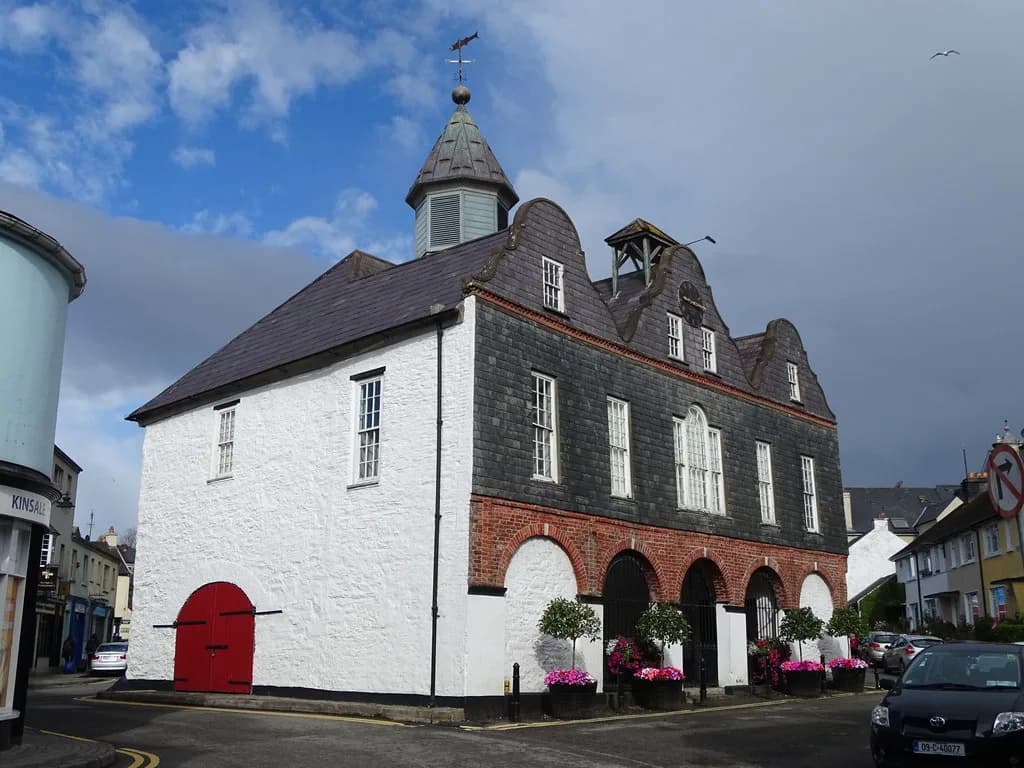
Kinsale Museum is Cork County Council's museum in the former market house and courthouse on Market Square in the centre of Kinsale. It is the natural first stop for anyone who wants the town's history explained before walking its streets. The museum, the Market House and the Old Courthouse are one building, not three separate sights, so any of those names leads you to the same door.
Where Kinsale Museum Is
The museum stands on Market Square, addressed on Market Street, in the compact centre of Kinsale in County Cork. Because the historic core is small, you can reach it on foot from most central streets, and its clock and cupola make the building easy to pick out. Arriving without a car is straightforward if you are already staying in or near the town.
Travellers regularly confuse the site with the Lusitania Museum at Old Head, which is a different place with a different focus. This museum stays anchored in the town centre and tells the story of Kinsale and its hinterland rather than concentrating on the wreck. If your interest is the liner specifically, plan the two as separate stops.

The Building Through Time
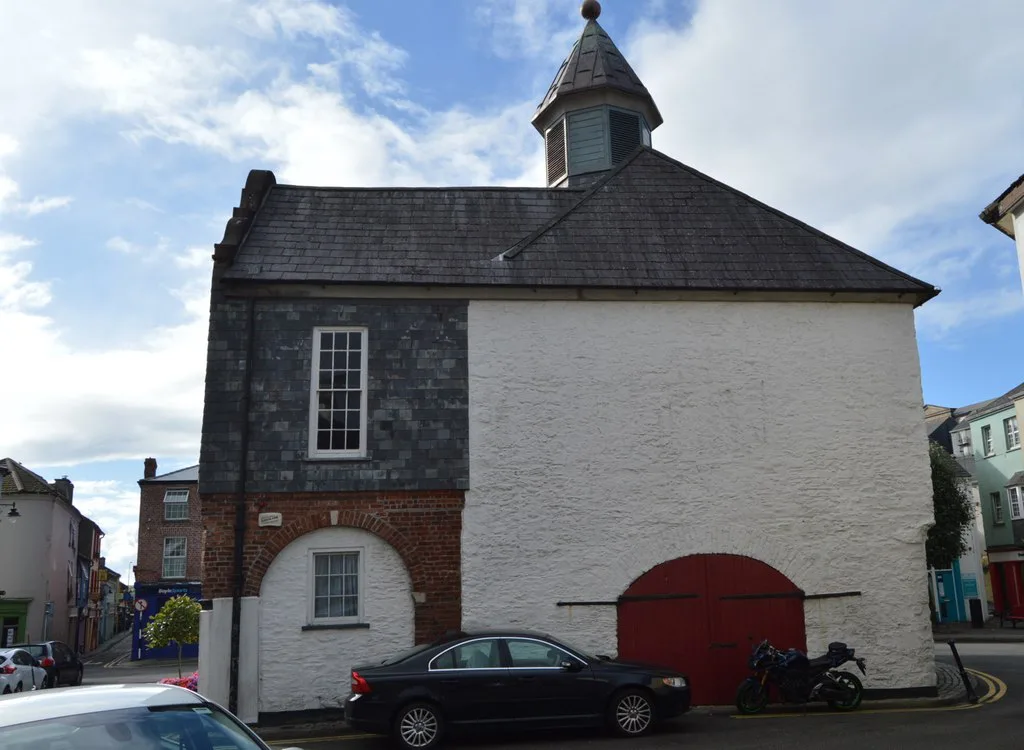
Cork County Council describes the structure as a 400-year-old former market house and courthouse built in 1610, later serving as a courthouse from 1705. That double life explains why the interior feels civic rather than curated for tourists: these were working rooms of local government and commerce before they held display cases. The council owns and operates the museum.
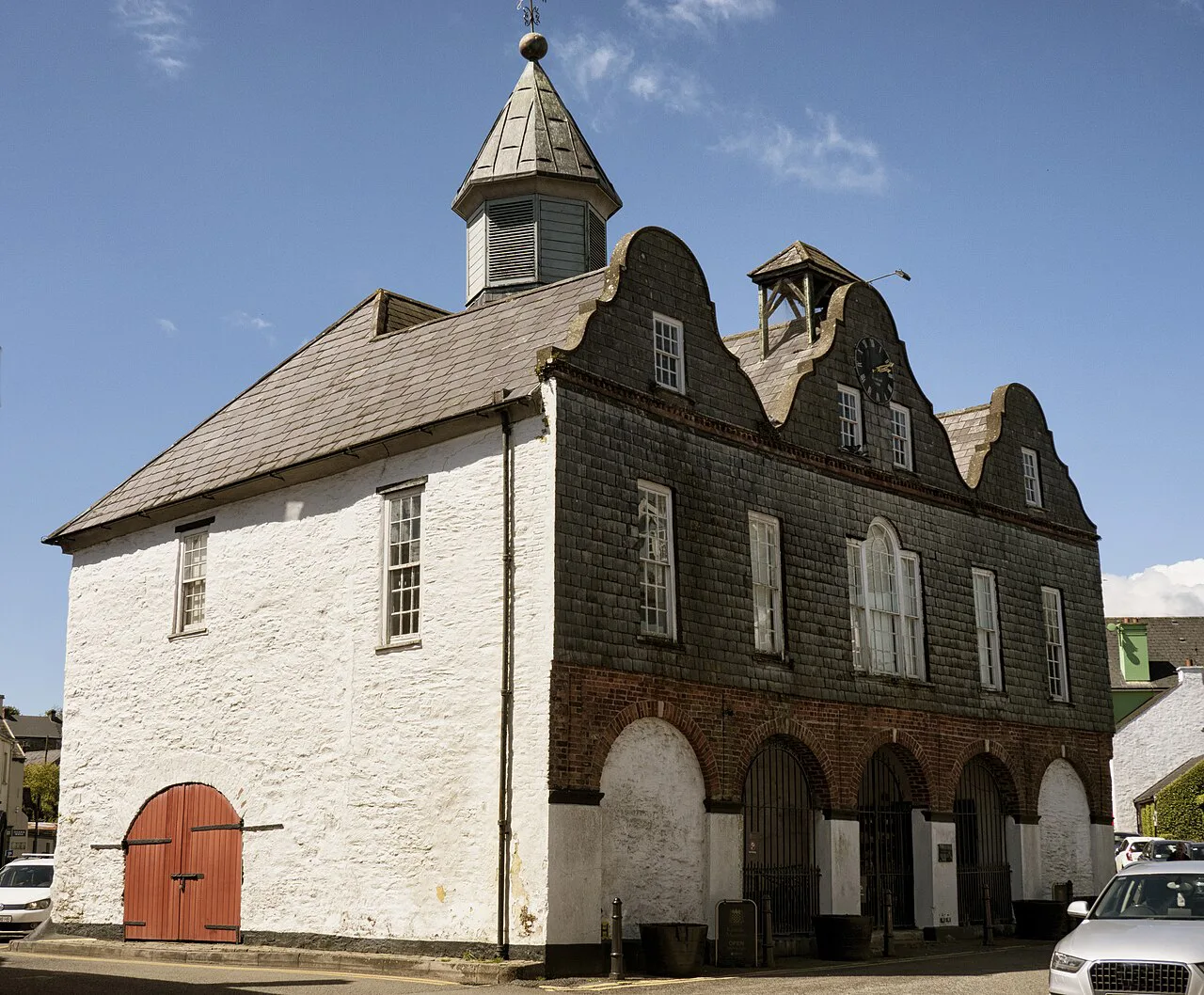
The front elevation mixes materials, and its clock and cupola give the building its landmark profile on the square. Treat the facade as part of the visit rather than something you pass on the way in, since the council notes that these retained features help define the structure. Finer details of the building's architectural phases are not settled in the published record, so read the exterior for what is visible rather than for a definitive chronology.

Why This Building Carries Weight
The inquest into the 1915 sinking of the Lusitania was held in this building, tying a global maritime disaster to a small town's civic rooms. The council bulletin records the inquest as part of the building's history, and the tourism listing repeats it as one of the events the museum interprets. It is a fact about this room and this town, distinct from the wreck-focused displays at Old Head.
That connection is worth holding in mind as you move through the displays, because it shows how local institutions absorbed national and international news. The museum treats the sinking as one thread in Kinsale's wider story rather than as its only subject. Visitors looking for a detailed account of the liner should expect context here rather than a dedicated exhibition.
What the Collection Covers
The museum's themes include the 1601 Battle of Kinsale, local maritime history and the curious story of the Kinsale Giant. These are introduced as subjects the displays explore, so expect orientation and context rather than an exhaustive narrative of any one of them. The battle in particular is treated as a theme the museum covers, not as a room-by-room campaign history.
Maritime material sits naturally in a port town, and the collection reflects Kinsale's long relationship with the sea. The Kinsale Giant strand adds a local curiosity that often surprises visitors who come expecting only military history. Together the themes give a rounded picture of a small coastal town with an outsized place in national events.
How the Collection Is Presented
Displays combine original artefacts, audio-visual elements and interpretive panels, with volunteers on hand to answer questions. That mix suits visitors who prefer a short, readable introduction to a long, complicated history. The volunteer presence is a practical asset: ask about the building itself, since its market and court uses are easy to overlook when concentrating on the cases.
Because the museum is council-owned and operated, its displays carry an official civic voice rather than a private collector's emphasis. The scale is that of a town museum, so plan for a focused look rather than a half-day national collection. If you have visited a larger institution such as Limerick Museum, adjust expectations accordingly and enjoy the local specificity.
Opening Hours: What Has Been Published
Cork County Council's April 2025 heritage bulletin gives a seasonal pattern: in the summer season from 1 April to 31 October the museum opened 10am to 5pm Tuesday to Saturday, and in the winter season from 1 November to 31 March it opened Wednesday to Saturday. That schedule is dated to 2025 and should not be read as a guarantee of current opening. Check directly with the museum or the council before you travel, especially outside the summer months.
The published sources do not establish ticket prices, booking rules, accessibility or on-site facilities. The official council and tourism listings are the right places to confirm admission charges, and you can ask for them alongside the current hours when you get in touch. If your trip depends on a specific day, treat a phone or email confirmation as the only reliable check.
Look Around the Back
Around the rear of the building you can see buoys and anchors, an exterior detail that rewards a slow circuit of the site. They are not a separate attraction, just part of the museum's maritime character spilling outdoors. A few minutes here rounds off the visit neatly before you head back onto the square.
Recent Conservation Context
The council bulletin announced Historic Structures Fund money of more than €72,000 for the repair and protection of the museum, covering internal plaster, external ironmongery, masonry walls, drainage and the front clock. That funding was awarded for works; it does not establish that the repairs are finished or that the clock is running again. Read the announcement as conservation context, not as a visitor status report.
Nearby Heritage to Pair With a Visit
The tourism listing names St. Multose Church, Charles Fort, James Fort and Desmond Castle as other heritage places to explore in Kinsale. They sit in and around the town, so you can fold one or two into a museum day without much extra travel. The published sources give no opening hours, admission details or facilities for these sites, so check each separately before relying on a visit.
For practical purposes, treat Charles Fort and James Fort as separate outings from the museum and from each other, since each has its own arrangements. Check opening and access for each before relying on a visit on a given day.
In the town centre, St. Multose Church keeps you close to the museum and fits a short walk between stops. Desmond Castle rounds out the options within the historic core. Combine them on foot rather than trying to cover everything in one push, but confirm each site's opening before you set out.
How to Use the Museum as an Orientation Point
Treat the museum as your first stop, then walk the town with its themes in mind: the 1601 battle, the port's maritime life and the civic history of the market house itself. The central location means you can return to the square easily between other stops. Allow a focused visit rather than a scheduled block, since the published record gives no recommended duration.
The museum suits travellers who want context on a town's maritime and military past rather than a large national collection. If you are building a day around Kinsale's heritage, use this stop to anchor the others. The guides to Charles Fort and James Fort cover the outdoor fortifications in more depth when you are ready to move on.
Plan Your Visit
Kinsale Museum is one building with three familiar names, and it earns a place at the start of any heritage walk through town. Confirm current opening directly before travelling, since the seasonal pattern published in 2025 may have changed. Then let the building's market house and courthouse past shape how you read the rest of Kinsale.
Explore more Kinsale guides
Frequently Asked Questions
Where exactly is Kinsale Museum?
It is on Market Square, addressed on Market Street, in the centre of Kinsale in County Cork. The museum, the Market House and the Old Courthouse are all the same building, so signs for any of those names lead to the same place.
Is the Market House the same as Kinsale Museum?
Yes. Cork County Council's museum occupies the former market house and courthouse, built in 1610 and used as a courthouse from 1705. You do not need to look for separate sights.
What can you see at Kinsale Museum?
Inside, displays cover the 1601 Battle of Kinsale, local maritime history and the story of the Kinsale Giant, using original artefacts, audio-visual elements and interpretive panels, with volunteers on hand to answer questions. Around the back of the building you can also see buoys and anchors.
Why is the Lusitania connected to Kinsale Museum?
The inquest into the 1915 sinking of the Lusitania was held in this building. The museum treats that event as part of Kinsale's civic and maritime story rather than as its sole subject.
When is Kinsale Museum open?
Cork County Council's April 2025 bulletin gives a seasonal pattern of summer opening Tuesday to Saturday, 10am to 5pm from 1 April to 31 October, and winter opening Wednesday to Saturday from 1 November to 31 March. That schedule is dated, so confirm current hours before travelling.
How long does a visit take?
The published sources do not give a recommended duration. This is a town museum rather than a large national collection, so plan a focused visit and adjust to your interest in the displays.
What else can you see near Kinsale Museum?
The tourism listing names St. Multose Church, Charles Fort, James Fort and Desmond Castle as nearby heritage places. Check each site separately for opening and admission details.
Are the repairs to the building finished?
The council bulletin announced Historic Structures Fund money for repairs to plaster, ironmongery, masonry, drainage and the clock, without stating that the works are complete. Ask the museum about current conditions before your visit.