
Rothe House & Garden, Kilkenny: A Visitor Guide
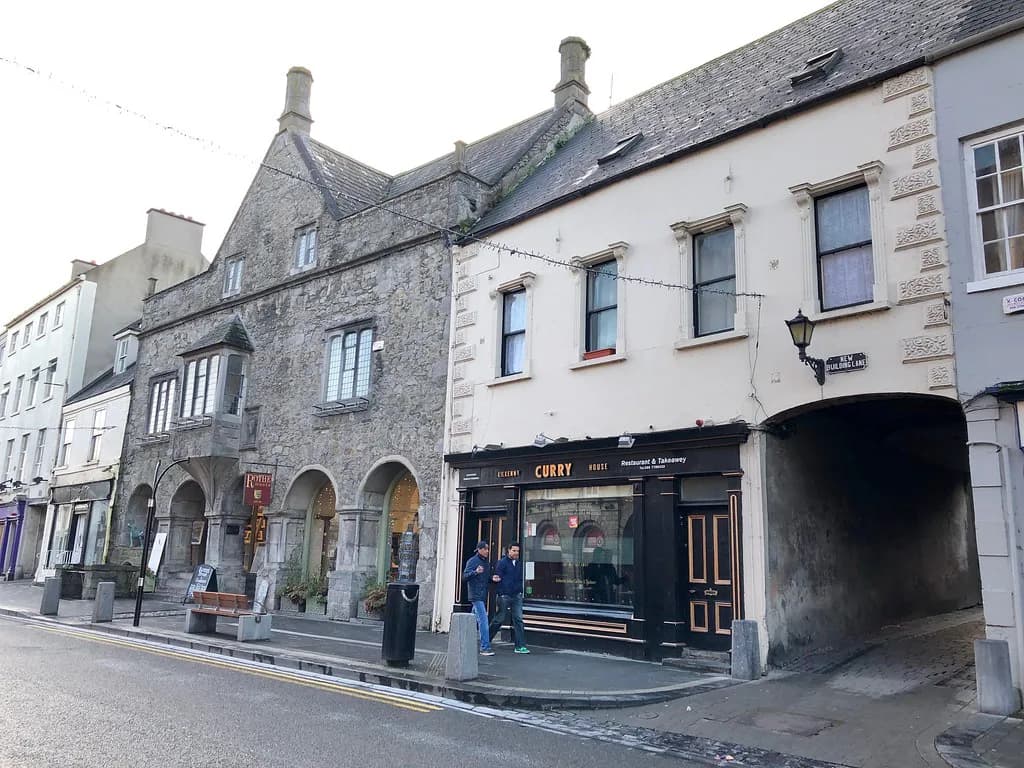
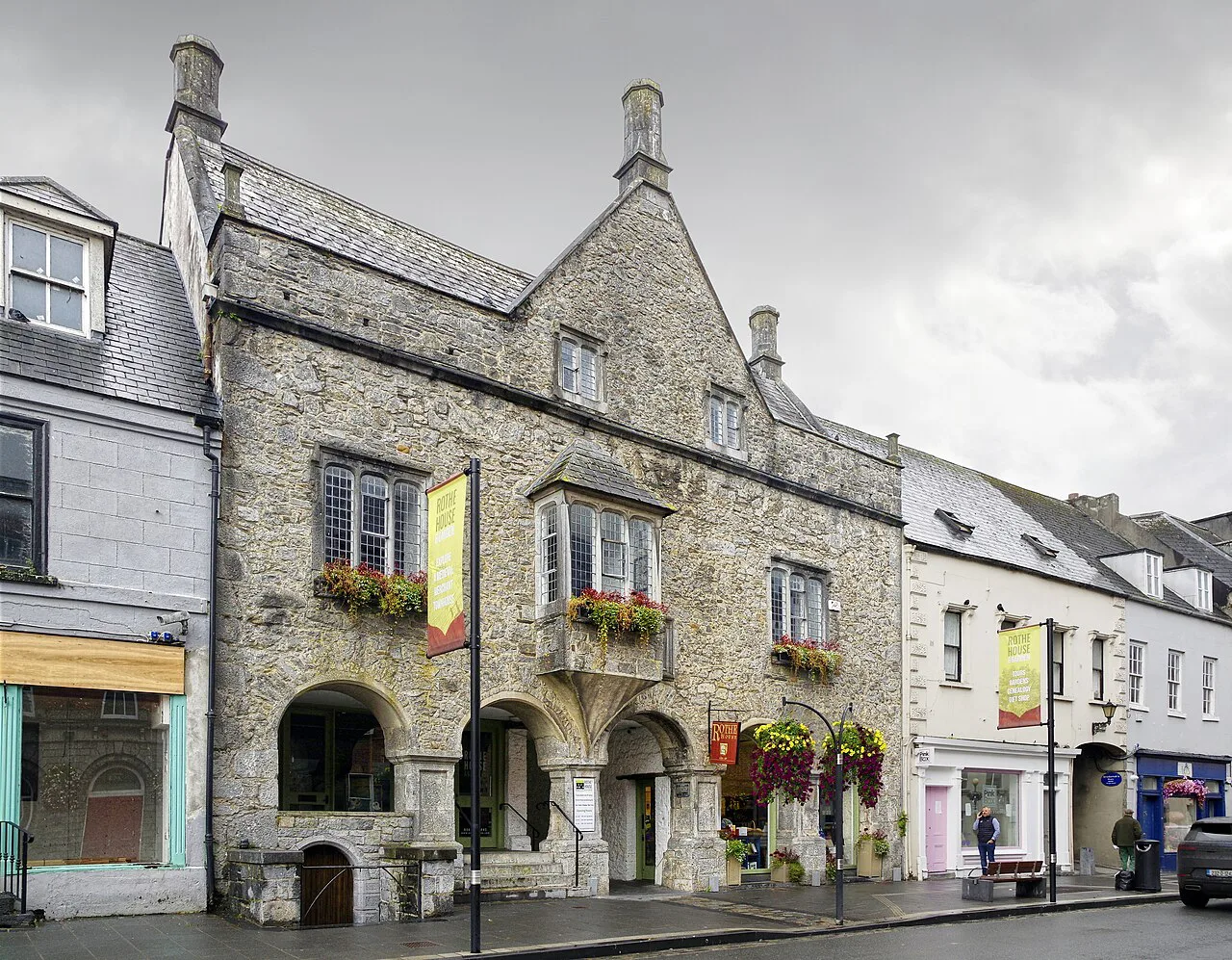
Rothe House & Garden is a merchant townhouse on Parliament Street in the centre of Kilkenny, built between 1594 and 1610 for John Rothe and Rose Archer. It combines three connected houses, cobbled courtyards and a restored walled garden on one burgage plot, and the operator describes it as the only 16th-century merchant house of its kind in Ireland.
The house sits on Kilkenny's Medieval Mile, which makes it easy to slot into a walking day rather than treat as a separate excursion. Whether you take a guided tour or wander at your own pace, the visit is essentially about one family's urban household and the ground it stood on.
The Rothe Household: Home and Business Under One Roof
John Rothe and Rose Archer were among Kilkenny's wealthier merchant families, and their town-centre property served as both residence and place of business. The operator notes that the household was a hub of social, commercial and political activity, which helps explain why the building is so substantial for a townhouse.
The oldest of the three houses was completed in 1594, and an independent heritage account suggests its ground floor was most likely used for trade with living space above. That arrangement is worth keeping in mind as you move through the rooms: you are reading a workplace as much as a home.

Reading the Building: Three Houses, Courtyards and a Walled Garden
The property is laid out as three interconnected three-storey houses linked by cobbled courtyards, with the garden rising behind them. The trust dates the complex to the late 16th century, with the wider construction sequence traditionally placed between 1594 and 1610, so the complex grew with the family rather than being planned in a single campaign.
The walled garden is the reward at the end of the route: a restored half-acre space that the operator presents as laid out much as it was centuries ago. The independent account describes planting in a 17th-century style informed by archaeological evidence, including vegetables and medicinal herbs, plus an orchard near the old city walls.
Allow time to cross the courtyards slowly, since the change in level and the shift from enclosed rooms to open garden is the most distinctive part of the experience. An independent heritage account places the building on the left-hand side of Parliament Street as you head north, a useful orientation point.

Stewardship: Society, Trust and Conservation
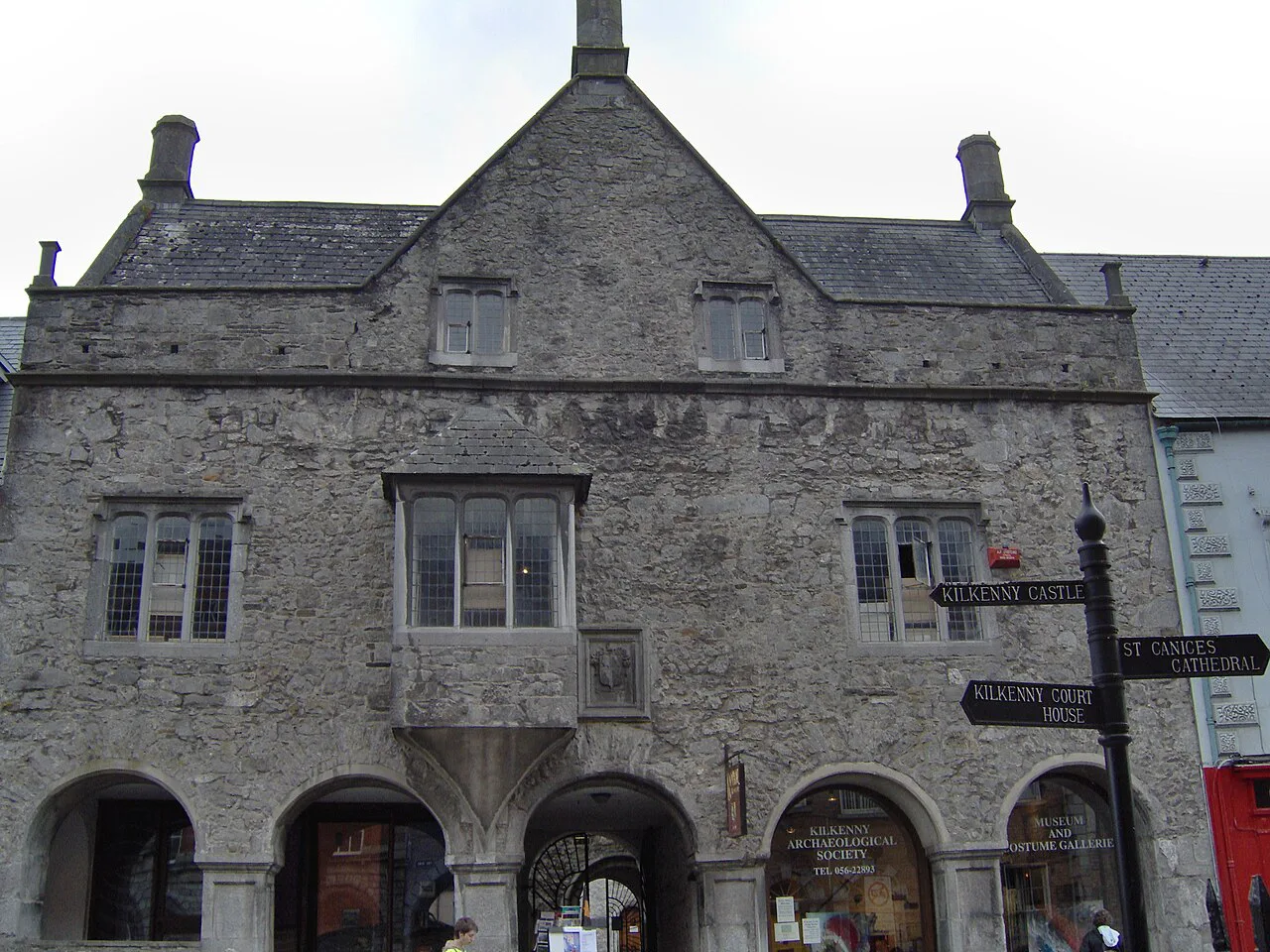
The house is owned by the Kilkenny Archaeological Society and run by Rothe House Trust, a charitable company established in 2004 to operate the property. That split matters to visitors because it explains the site's dual character as a historic house and a home for a local history collection.
A Conservation Plan commissioned in 2001 by the Heritage Council recommended setting up an independent body to manage the house and present its collections to the public. The trust is part-funded by Kilkenny County Council and also relies on commercial income and donations.
Collections and Archive: An Announced Project, Not an Open Facility
Rothe House holds the Kilkenny Archaeological Society's collection, archive and research library, and a LEADER-funded project has been announced to improve public access to it. The plan includes museum-standard visible storage, a public reading room, archive display areas, a learning space and digitisation infrastructure.
Those spaces are described as planned works: the trust says detailed planning, procurement and delivery will follow, so visitors should not expect a finished reading room or visible store on arrival. The trust lists the existing guided tours, garden, shop and genealogy service as already available, while warning that much of the archive material has not previously been widely accessible to the public.
Guided Tour or Self-Guided Visit
The operator offers two formats. A guided tour with one of the house guides covers the Rothe family's story and the building's restoration, and the garden can be enjoyed at leisure afterwards; a self-guided visit lets you move through the houses, courtyards and garden at your own pace during opening hours.
Choose the guided option if you want the family history and restoration narrative explained in sequence, and the self-guided option if you prefer to linger in the garden or move quickly through the rooms. The operator does not publish tour duration or frequency on these pages, so ask when booking or on arrival.
Getting There and What Is Nearby
The entrance is on Parliament Street, a short walk from two of Kilkenny's major landmarks: the operator estimates about ten minutes from Kilkenny Castle and about five from St Canice's Cathedral. McDonagh Station, the main train and bus station, is an easy walk or a short taxi ride away.
Drivers can use public car parks at the Market Yard or Market Cross, both within walking distance; the operator does not state that any parking is free, so check charges and availability locally. If you are building a walking route, the cathedral and castle pages on this site help you order the stops, and our guide to castles in kilkenny takes the same practical approach to visiting Kilkenny Castle near the River Nore.
Hours and Last Admission: Confirm Before You Travel
The operator publishes a seasonal opening scheme rather than a single fixed daily schedule. It indicates different seasonal closing days and variable last-admission times across the year, including Sunday and Monday closures in January and February. Because the same page also carries a general daily-hours FAQ that does not match the seasonal notice, treat the times as a stated plan and confirm before travelling.
Check the operator's site or phone ahead before travelling, especially around bank holidays or out-of-season trips. On the day, ask at the desk which of the seasonal notices applies to your visit rather than relying on a single advertised schedule.
Tickets, Discounts and Access
Admission is ticketed, with separate guided and self-guided categories, and discounts for children, students, seniors and group bookings. Current rates are set out on the operator's plan-your-visit page and tickets can be bought online, so check the published figures rather than relying on older listings.
The courtyards and garden are described as wheelchair accessible, but the historic cobblestones and the many staircases inside the houses can be difficult for visitors with mobility issues. Braille panels are mounted on the garden walls, guide and therapy dogs are permitted, and visitors are asked to phone 056 772 2893 in advance to discuss access arrangements.
Guide dogs and therapy dogs are permitted; other dogs are not admitted because of the restored garden and delicate interiors. Photography is allowed in certain areas but flash and tripods are generally prohibited, so ask staff if you plan to photograph the rooms.
Seasonal Programming: The Savour Kilkenny Example
The house and garden also host occasional programmed events, such as Savour Kilkenny 2026, whose programme runs 22 to 26 October 2026: a Samhain-themed medieval feast in the Great Kitchen on Friday 23 and Sunday 25 October, and a garden-and-kitchen session on Saturday 24 October. These are specific dated events, not evidence of a year-round programme, and the feast dates have now passed.
The same page warns that parts of the events are not wheelchair accessible because of steps in the historic building, and advises contacting the house in advance. Event ticket prices are separate from general admission, so do not read them as standard entry rates.
After Your Visit: Shop and Parliament Street
There is a gift shop on site selling books, souvenirs and local crafts, and no café, but Parliament Street has plenty of nearby cafés, restaurants and pubs within a few minutes' walk. That makes the house a convenient mid-point in a day rather than a stop that needs its own lunch plan.
If you want to extend the heritage theme, the Medieval Mile Museum and the Black Abbey are both in the same central cluster within reach of Parliament Street. The Kilkenny Castle and St Canice's Cathedral guides on this site can help you order a walking route between the main stops. For the larger riverside landmark, our castles in kilkenny guide covers Kilkenny Castle in comparable practical detail.
Plan Your Visit
Rothe House & Garden suits travellers who want one carefully explained merchant household rather than a broad city survey: the three houses, courtyards, garden and archive story fit naturally into a half-day on foot. Compare it with the castle and cathedral only after checking each site's own hours, since opening patterns differ. If you are weighing the city's two headline stops, our guide to castles in kilkenny covers the same practical questions about visiting Kilkenny Castle near the River Nore.
Before you go, confirm the current seasonal hours and last admission, book or price a guided versus self-guided ticket, and ring ahead if anyone in your group has mobility concerns. That short check helps you avoid arriving on a day the house is closed.
Explore more Kilkenny guides
Frequently Asked Questions
Where exactly is Rothe House & Garden?
It is on Parliament Street in the centre of Kilkenny, on the Medieval Mile. The operator puts it about ten minutes' walk from Kilkenny Castle and about five from St Canice's Cathedral, with public car parks at the Market Yard and Market Cross nearby.
Should I take a guided tour or visit on my own?
A guided tour explains the Rothe family's history and the restoration, and you can walk the garden afterwards; a self-guided visit lets you set your own pace through the houses, courtyards and garden. Tour duration and frequency are not published on the operator's pages, so ask when you book.
What are the opening hours?
The operator publishes a seasonal scheme with different closing days and last-admission times across the year, including Sunday and Monday closures in January and February. A general daily-hours statement elsewhere on the same page does not match it, so confirm before travelling.
How much does admission cost?
Guided and self-guided visits are ticketed separately, with discounts for children, students, seniors and groups. Rates are set by the operator and published on the plan-your-visit page; check that page or the online booking system for current figures.
Is the site accessible for wheelchair users?
The courtyards and garden are described as wheelchair accessible, but cobblestones and many internal staircases can be challenging. Braille panels are on the garden walls, guide and therapy dogs are permitted, and visitors are asked to phone ahead to arrange access.
Can I see the Kilkenny Archaeological Society archive?
Not through a finished public facility yet. A LEADER-funded project has been announced to create a reading room, visible storage and archive displays, but the trust describes it as being at the planning and delivery stage. Ask staff what is currently viewable.
Sources
- Rothe House & Garden in Kilkenny City
- Rothe House, Kilkenny
- Savour Kilkenny 2026 at Rothe House & Garden - Rothe House and Garden
- Rothe House Trust awarded LEADER funding - Rothe House and Garden
- Architectural Conservation & Governance | Rothe House
- Plan Your Kilkenny Museum Visit | Rothe House and Garden