
Medieval Mile Museum: A Guide to Kilkenny's Medieval Collection

The Medieval Mile Museum is a museum of medieval Kilkenny housed in the former St Mary's Church, a 13th-century building on a church and graveyard site in the centre of the city. Its displays draw on more than 800 years of local history, from carved stone to objects found during the restoration of the church and its surrounding burial ground.
Importantly, the museum is a single attraction rather than a walking route. The Medieval Mile is the wider trail through the city; the museum sits at its beginning as a place to get your bearings before exploring further, and the displays are built to introduce the medieval city rather than to guide you along the street. For a broader view of neighbouring sites, see Kilkenny Attractions: 6 Visitor Guides.
A Modern Museum in a Medieval Church
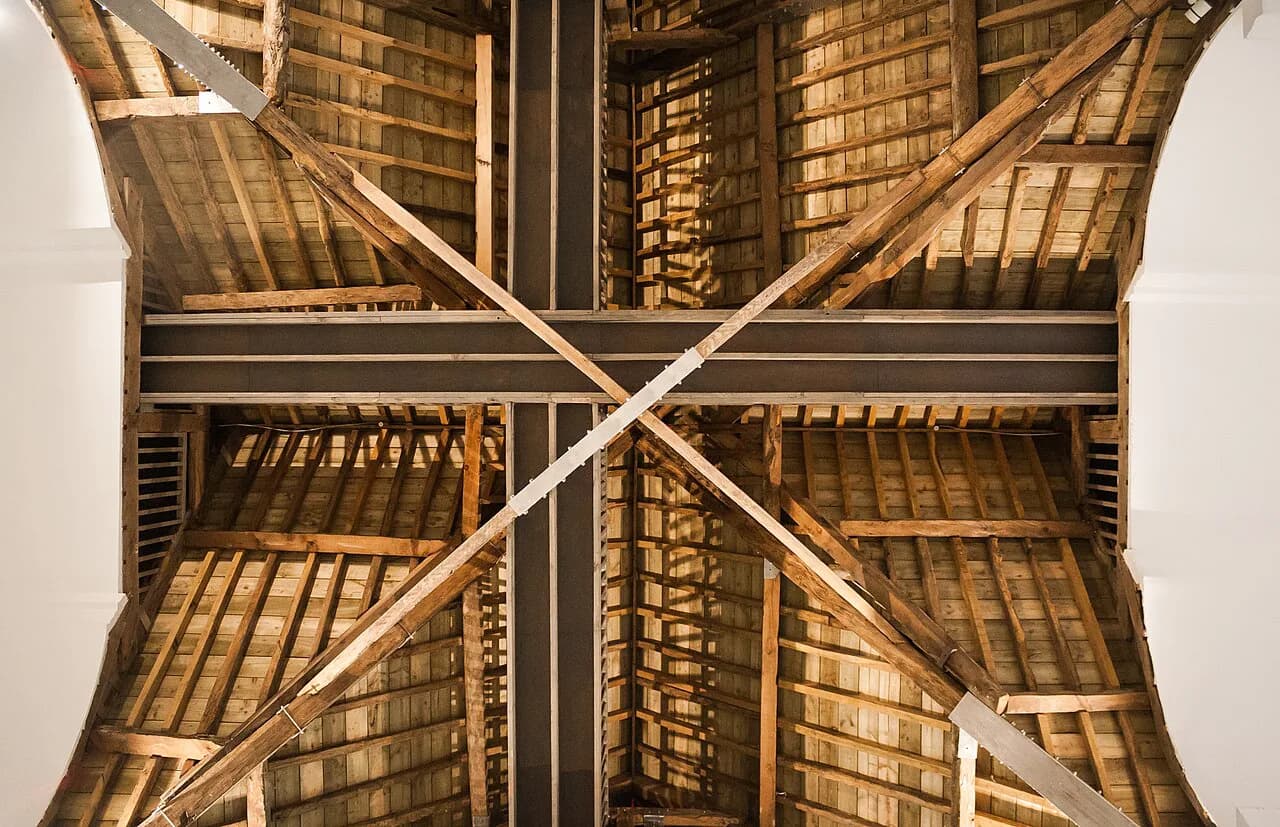
The setting is the core of the visit: a former church, described by Kilkenny's tourism listing as a fine example of a medieval church in Ireland, converted into a modern museum rather than left as a bare ruin. The graveyard around it is part of the same site, and material unearthed there during restoration work has entered the collection.
The conversion gives the museum an unusual double character. You are reading a medieval building and its monuments while also moving through a contemporary installation with screens, projections and an interactive surface. Allow for both: the architecture rewards a slow look, while the exhibition layers are designed to be handled and watched.

Why It Works as a First Stop
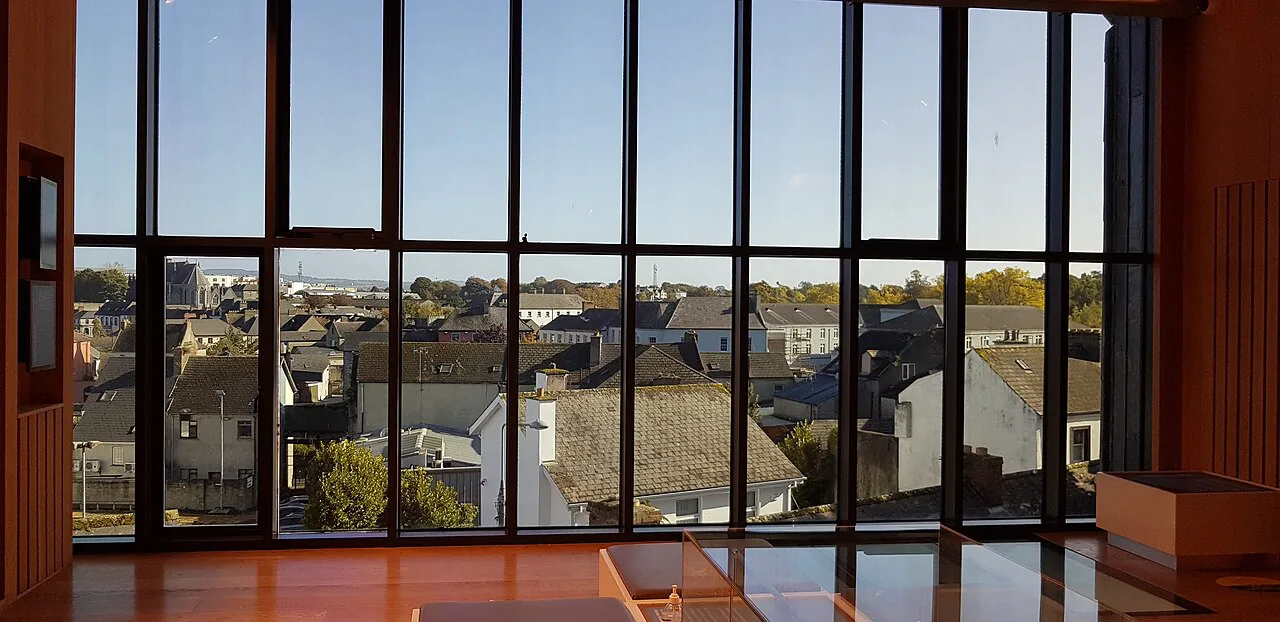
Tourism sources present the museum as the starting point for understanding Kilkenny's medieval history and as the trailhead of the Medieval Mile. That framing is useful for planning: a stop here before walking the city gives you names, dates and context for buildings you will pass later.
Treat that as orientation rather than a route plan. The museum introduces the medieval city; the street itself is separate, and the museum does not function as a trail map or a sequence of stops. The Kilkenny Attractions: 6 Visitor Guides collection sets out other places to see in the city.

The Collection at a Glance
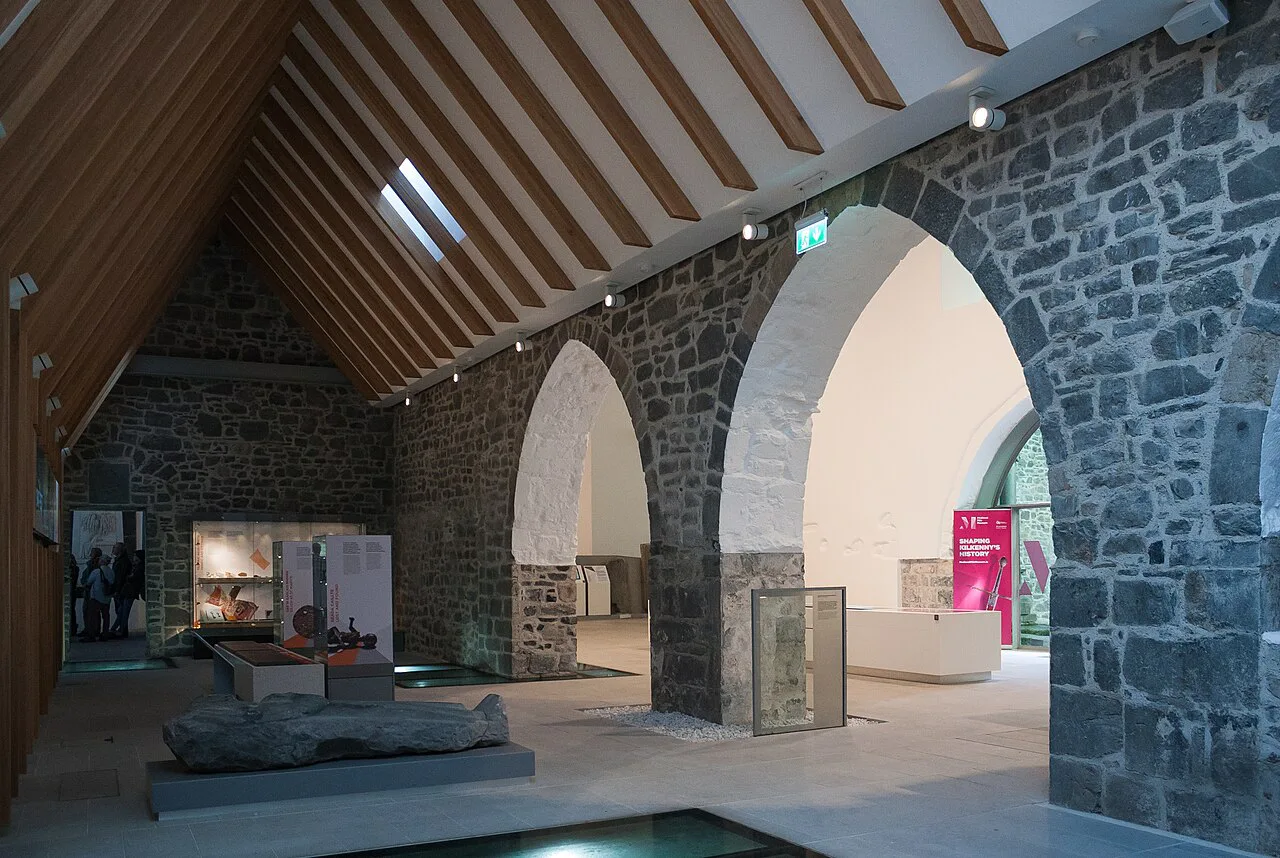
The displays bring together Kilkenny's civic treasures, high crosses, carved stone tombs and artefacts recovered during restoration of the church and graveyard. The span is deliberately broad, covering more than 800 years of the city's history in one building.
For a visitor, that mix means the museum works as a compact primer rather than a single-subject collection. You move from medieval stonework to civic objects in a short distance, which suits anyone who wants an overview before spending time at individual churches and towers around the city.
The Rothe Chapel and Its Tombs
One of the named highlights is the ornate Rothe Chapel, which holds tombs belonging to the medieval merchant Rothe family. It is a specific thing to look for rather than a general feature of the building, so ask at the entrance if you cannot locate it.
The family name recurs in Kilkenny, and a separate merchant house associated with the Rothes survives in the city. Rothe House & Garden, Kilkenny is a different site; the museum chapel is where you see the tombs, not the house.
The High Cross Exhibition
The High Cross Exhibition introduces the High Kings of Ossory and the foundation of the monastery of Kilkenny by St Canice, setting the museum's carved stone in a wider regional story. The displays include replicas of some of the Ossory high crosses rather than the complete set of originals, so read the labels rather than assuming every cross is represented. While the full collection can include a separate exhibition on forensic analysis of human remains, temporary or changing displays are not guaranteed, so check what is on with the museum.
That context is a useful companion to the city's ecclesiastical sites. St Canice's Cathedral, whose name runs through the exhibition, stands in its own grounds with a round tower, and St Canice's Cathedral is covered separately for visitors planning to compare the two.
How the Story Is Told
The interpretation is deliberately contemporary. A long interactive table likened to a giant tablet, an elongated screen and imagery projected across a large wall carry visitors through the city's history with digital aids alongside the physical objects.
A forensic exhibition, 3 Lives, 3 Deaths, One Life Unlived, presents analysis of the physical remains of people who lived in Kilkenny centuries ago. Because it deals with human remains, it is the part of the visit most likely to affect sensitive visitors, and as a changing exhibition it may not always be on display—check its current status with the museum.
With Younger Visitors
Families have a ready-made activity: LEGO minifigures of figures from Kilkenny's history are hidden around the museum, and children who find them all receive a small prize. It is an optional layer that keeps younger visitors moving through the rooms.
Outside, on St Mary's Lane near the museum, a wall mural celebrates Cartoon Saloon's animated film Wolfwalkers, which is set in Kilkenny. It is a street feature on the lane, not part of the museum interior, so treat it as a short detour before or after your visit rather than an exhibit.
Nearby in the City
The museum sits in central Kilkenny, within reach of other heritage stops on foot. Kilkenny Castle is the largest set-piece nearby and a natural pairing if you want one medieval stop and one later big-house visit in the same day, while the Kilkenny Attractions: 6 Visitor Guides collection sets out other options in the city.
The Black Abbey is another ecclesiastical site in the city, useful if carved stone and church architecture are what drew you to the museum in the first place. Further out, St Mary's Cathedral is a separate ecclesiastical site worth checking if you are extending a church-focused walk; if that walk takes you beyond Kilkenny, the Limerick heritage guide covers St Mary's Cathedral, Limerick: A Visitor Guide to the Medieval Cathedral as a counterpart. Black Abbey and St Mary's Cathedral are covered separately for those building a short church-focused walk.
Anyone extending the trip beyond the city centre can compare the county's other castles and towers. The Castles in Kilkenny guide covers fortified sites across the area, while the museum remains the place to start with the city's own medieval story.
What the Museum Is Not
It is not the Medieval Mile itself. The trail is a route through the city; the museum is one building at its start, and its current admission and opening arrangements should be confirmed with the museum before you go. Visitors expecting a ticket that leads them along the street will be disappointed, and those expecting an introduction to the medieval city will find exactly that.
It is also not a full survey of every medieval monument in Kilkenny. The high crosses are represented by replicas of some, and other churches, towers and houses in the city hold their own material. Plan the museum as one substantial stop and leave time to see the buildings it introduces.
Before You Go
Current opening hours, admission prices and any need to book are not published in the sources used here, so confirm them with the museum directly before travelling. The museum has previously operated set entry times and offered a downloadable audio tour, but those arrangements may have changed. For a wider context on the city's past, see our Kilkenny history guide.
Allow enough time for the building as well as the displays: the church, the Rothe Chapel tombs and the high cross material reward a slower pass than a quick circuit. Pair the visit with a walk along the Medieval Mile, or with one nearby site, rather than trying to cover the whole city in a single stop.
Frequently Asked Questions
Is the Medieval Mile Museum the same as the Medieval Mile trail?
No. The Medieval Mile is a route through central Kilkenny, and the museum is a single attraction at its start. Tourism sources describe the museum as the starting point for understanding the city's medieval history, but it does not function as a trail map or provide a guided sequence of stops.
What can you see inside the Medieval Mile Museum?
The displays bring together Kilkenny's civic treasures, high crosses, carved stone tombs and objects found during restoration of the church and graveyard, covering more than 800 years. Named highlights include the Rothe Chapel with the Rothe family tombs and the High Cross Exhibition on the High Kings of Ossory and St Canice's monastery foundation.
What is the Rothe Chapel?
It is the ornate chapel inside the museum holding tombs belonging to the medieval merchant Rothe family. It is one of the specific features to look for during a visit rather than a general part of the building, so ask staff if you cannot find it.
Does the museum display the original Ossory high crosses?
The museum displays replicas of some of the Ossory high crosses rather than the full set of originals. The exhibition sets them alongside the story of the High Kings of Ossory and the foundation of the monastery of Kilkenny by St Canice, so read the labels to see what each piece represents.
Is the museum suitable for children?
Families have a built-in activity: LEGO minifigures of figures from Kilkenny's history are hidden around the museum, and children who find them all receive a small prize. Note that one exhibition deals with forensic analysis of human remains, which some younger or sensitive visitors may find difficult.
How long should you allow for a visit?
No official visiting duration is published, so judge by your interests. The building, the Rothe Chapel tombs, the high cross material and the digital displays reward a slower pass, and most visitors will want time for both the architecture and the exhibition layers rather than a quick circuit.
Do you need to book, and what are the opening hours?
Current opening hours, admission prices and booking requirements are not published in the sources used here. Check directly with the museum before travelling, particularly as it has previously operated set entry times and a downloadable audio tour that may no longer apply.