

St Mary's Cathedral, Limerick: Visiting the Medieval Cathedral Above the Shannon
St Mary's Cathedral is a working Church of Ireland cathedral in the medieval core of Limerick, set above the banks of the River Shannon. It is not a museum: services, choirs and concerts still shape its daily life, so a visit has more in common with entering a parish church than touring a heritage display.
What makes it worth an hour or more is the layering. The building traces its foundation to 1168 and stands on ground associated with a Viking meeting place and a later palace, which means the walls, doorways and furnishings can be read as a sequence of the city's past rather than a single period.
This guide covers the cathedral itself: where it sits, what to look for inside and out, and the practical arrangements the operator and the local authority actually publish. Other places in Limerick are mentioned only as short add-ons nearby.
Where the Cathedral Stands
The cathedral occupies a site in Limerick's medieval quarter, close to the river and within easy walking distance of the castle and the city's historic streets. The cathedral describes itself as standing over the city on the Shannon's banks, which explains the slight rise and the river glimpses from its approach.
Confusingly for first-time visitors, Limerick has more than one cathedral. St Mary's is the Church of Ireland building in the old city; St John's Cathedral is a separate cathedral in Limerick with its own history and its own visitor arrangements.
Because it is an active place of worship, treat the interior as a church first. Visitors are welcome, but quiet and respect for anyone praying or attending a service take priority over sightseeing, and the cathedral's own material frames it as a space for worship, music, art and reflection rather than a visitor attraction alone.
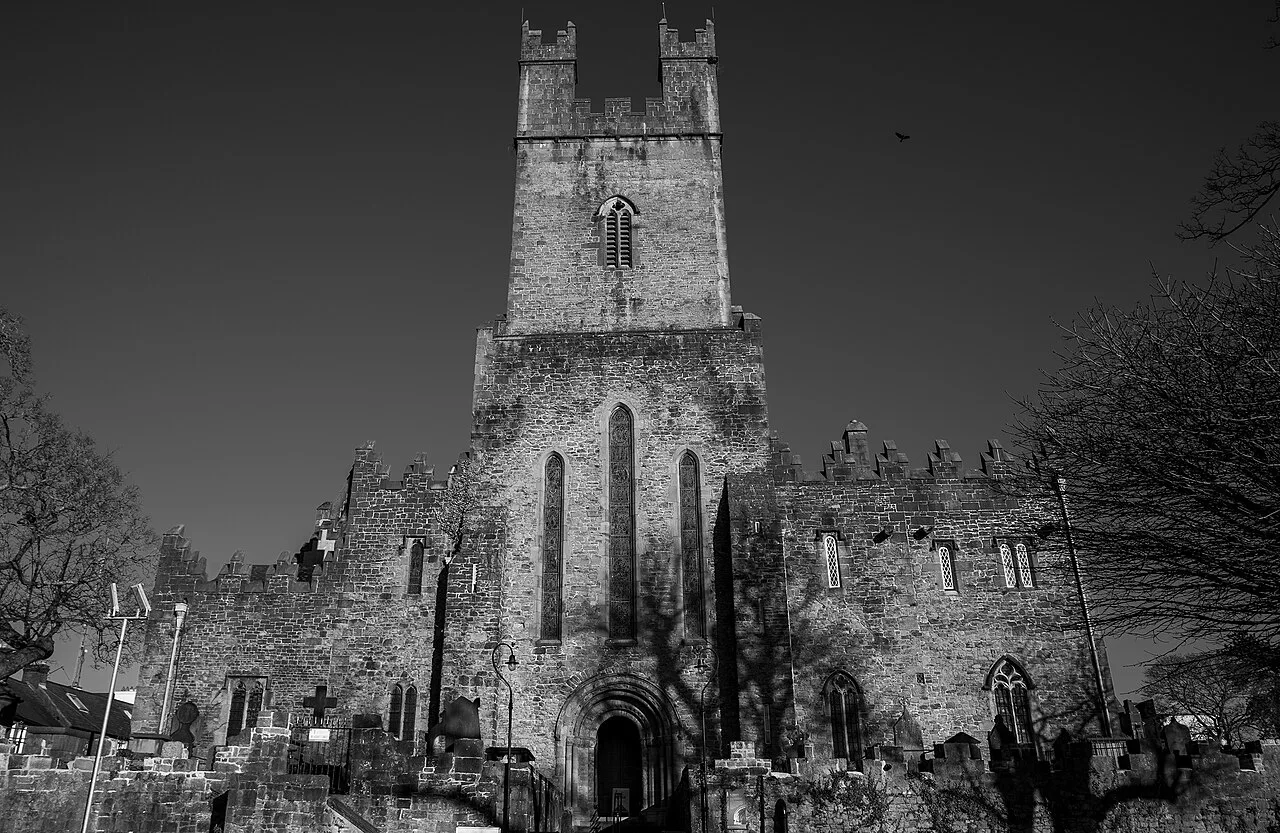

Origins: 1168 and the Layers Beneath
The cathedral's own account dates its story to 1168 and describes more than 850 years of continuous use on the site. Limerick City and County Council's heritage listing agrees on that foundation date, noting that the cathedral was founded on land donated by Donal Mór O'Brien, King of Munster.
According to the council's account, the palace that stood here was built on the site of a Viking meeting house, which it describes as the centre of government in the early medieval Viking city. The same listing records expert belief that parts of the palace fabric survive within the present cathedral, so keep that hedge in mind: these are attributed traditions and expert views, not settled certainties.
That layering is the most useful thing to carry into the building. Rather than looking for one clean medieval plan, watch for where older masonry, later additions and changing furnishings meet, because the cathedral has been altered repeatedly as the city grew around it.
The West Door and Its Ceremonies
The West Door is the element most often singled out, and the council records the tradition that it was the main entrance to the palace that once stood here. Approaching from the old cobbled walkway gives a sense of the cathedral's position over the river, and the view back is one of the best reasons to slow down before going in.
The door is no longer the everyday entrance. Travel writing on the cathedral records that it is now reserved for ceremonial occasions, including the inauguration of a bishop, who by tradition knocks on it to gain admission. Treat that detail as a described tradition rather than a scheduled public spectacle, and do not expect to see a ceremony on an ordinary visit.
If the door is closed during your visit, that is normal rather than a sign that the cathedral is shut. Use the visitor entrance the cathedral directs you to and check its published information if you specifically want to see the door from outside.
Reading the Interior
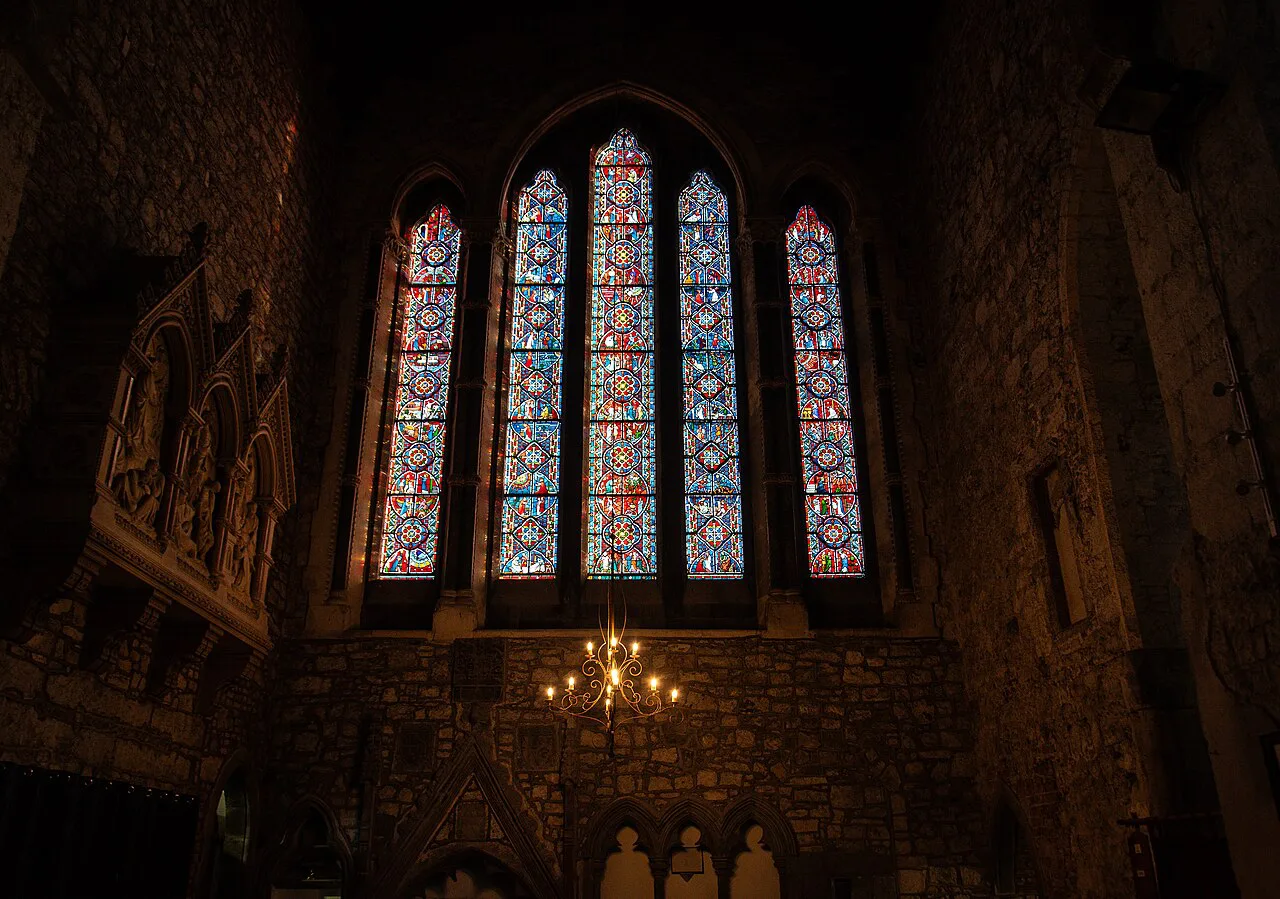
Inside, the building rewards close looking. Descriptions of the interior note a vaulted roof, Gothic stained glass, medieval floor tiles, elaborately carved seventeenth-century choir stalls and marble tombs, a combination that spans several centuries of craftsmanship in one space.
Many of those features carry the city's history in their details: memorials and tombs record families and events, while the choir stalls show how worship was furnished in a later period. Read the fittings as evidence of changing use rather than decoration, and keep an eye out for floor tiles that survive from earlier phases of the building.
The cathedral's own material describes it as a repository of Irish religious art and a place shaped by sieges, invasions and famines as well as peaceful times. That framing is useful when you look at the walls: the building has absorbed the city's upheavals rather than being preserved untouched.
Allow roughly an hour for the cathedral interior and the approach, or longer if you like reading memorials and architectural detail slowly. Apart from the floor of the nave and aisles, the sources reviewed do not confirm access to any tower, belfry or crypt, so plan around what you can see unless the cathedral advertises otherwise.

Worship, Music and Events
St Mary's is a living cathedral, and that shows in its calendar. The cathedral promotes services, choral concerts, lunchtime recitals and other events, and its regular choirs are part of the reason the building still feels used rather than preserved. If you enjoy comparing how other Irish cathedrals balance worship and visitors, St Mary's Cathedral, Kilkenny: A Visitor's Guide offers a useful counterpart.
The council's venue listing also carries concerts and seasonal events at the cathedral, which is a useful reminder to check the what's-on listings before you travel if music is a priority for your visit. Event programmes change, so confirm details and any ticketing requirements directly with the organisers rather than relying on a guide.
Independent accounts mention choral evensong and a New Year's Eve bell-ringing tradition, but these are not presented as guaranteed events. If a service or concert is the reason for your trip, contact the cathedral to confirm what is happening during your dates.
The cathedral also runs a shop with locally sourced gifts and crafts, and invites donations to help maintain the fabric. Support of that kind matters in a building of this age, so budget for it in the same way you would for any historic church you value.
Opening Arrangements and Closures
The cathedral's official site lists Monday to Saturday opening from 11.00am to 4.00pm with last admission at 3.30pm, bank holidays from 11.00am to 3.00pm, and Sundays set aside for service and worship. It also confirms that an admission ticket and group bookings exist, but it does not publish a price.
Limerick City and County Council's listing differs in two places: it gives the Monday to Saturday last admission as 3.45pm rather than 3.30pm, and it says the cathedral is closed to visitors on Sundays. It adds closures on 26 and 27 December and on 1 January, and gives bank holiday last admission as 2.30pm.
These discrepancies cannot be settled from published material, so treat the earlier of the two last-admission times as the safer planning window and do not plan a Sunday sightseeing visit without checking first. Worship takes priority on Sundays whatever the visitor arrangements turn out to be.
The cathedral has not published ticket prices, concession rates or a booking channel in the material reviewed here, but it does say that group bookings are available, so ask about admission when you arrive or check the cathedral's current notices. If you are bringing a group, arrange it in advance rather than turning up unannounced.
Nearby in the Medieval Quarter
The cathedral's setting makes it easy to combine with other historic sites on foot. King John's Castle stands close by, a Norman stronghold whose walls and exhibitions cover a different strand of Limerick's story and make a natural pairing with the cathedral on the same afternoon.
The Hunt Museum, also in the city centre, holds a wide-ranging collection that complements the cathedral's carved stone and church furnishings. Together the two give a more rounded picture of Irish craftsmanship and collecting than either does alone.
For city history specifically, Limerick Museum's collections cover the civic and social past of the city, while the riverside quays and bridges offer the best views back towards the cathedral across the water. Both are simple additions if you are already in the old city.
If you want a broader sense of where this quarter fits in the city, the area guides cover what is within walking distance of the cathedral, while Limerick Attractions: 10 Visitor Guides sets out the other named sites in and around the centre.
What the Sources Do Not Settle
Several questions a visitor might reasonably ask are simply not answered in the published material. There is no confirmation of guided tours, audio guides, tower or roof access, café or toilet facilities, or parking, and no statement of admission prices or concessions.
Sunday access is the clearest unresolved point, because the operator and the council describe it differently. Rather than guessing, contact the cathedral before travelling on a Sunday or a bank holiday and ask what is open to visitors that day.
None of this should put you off: the medieval core, the West Door and the interior features described in the cathedral's own accounts are all solid reasons to visit. Go expecting a working church with a long memory, and let the building's layers do the rest.
Plan Your Visit
St Mary's Cathedral rewards an unhurried hour: approach by the old cobbled way, look at the West Door, then read the interior as a document of Limerick's long history. The 1168 foundation, the Viking and palace associations and the surviving medieval and seventeenth-century fittings are the substance of the visit.
Check the opening arrangements directly with the cathedral before you go, especially for Sundays and bank holidays, because the published statements differ. Aim to arrive well before the published last-admission time so you are not turned away at the door.
Pair the cathedral with the castle, museum or riverside walk to round out a half day in Limerick's medieval quarter, but keep the cathedral itself as the centre of the outing.
Explore more Limerick guides
Frequently Asked Questions
Is St Mary's Cathedral in Limerick open to visitors on Sundays?
The sources disagree. The cathedral's own site says Sundays are given to service and worship, while the city council's listing says the cathedral is closed to visitors on Sundays. Worship takes priority in either case, so contact the cathedral before planning a Sunday sightseeing visit.
How old is St Mary's Cathedral, Limerick?
Both the cathedral and Limerick City and County Council date its foundation to 1168, and the cathedral describes more than 850 years of use on the site. The council adds that it was founded on land donated by Donal Mór O'Brien, King of Munster.
What is there to see inside St Mary's Cathedral?
Visitors can see a vaulted roof, Gothic stained glass, medieval floor tiles, carved seventeenth-century choir stalls and marble tombs, according to descriptions of the interior. The cathedral also describes itself as holding Irish religious art, so allow time to read the memorials and fittings.
Why is the West Door of St Mary's Cathedral significant?
The council records the tradition that the West Door was the main entrance to the palace that once stood on the site, and travel accounts record that it is now used for ceremonies such as the inauguration of a bishop, who knocks to gain admission. Treat these as described traditions.
Is there an admission charge for St Mary's Cathedral, Limerick?
The cathedral's site confirms that an admission ticket and group bookings exist but does not publish a price. The cathedral also asks for donations towards maintaining the building. Ask about admission when you arrive or check the cathedral's current notices.
How long should I allow for a visit to St Mary's Cathedral?
About an hour covers the approach, the West Door and a walk around the interior. Add time if you read memorials and architectural detail closely, and check the published opening window so your visit fits inside it.
What else is close to St Mary's Cathedral in Limerick's medieval quarter?
King John's Castle, the Hunt Museum and Limerick Museum are all in or near the city centre and pair naturally with the cathedral. The riverside quays and bridges also give good views back towards the cathedral across the Shannon.