
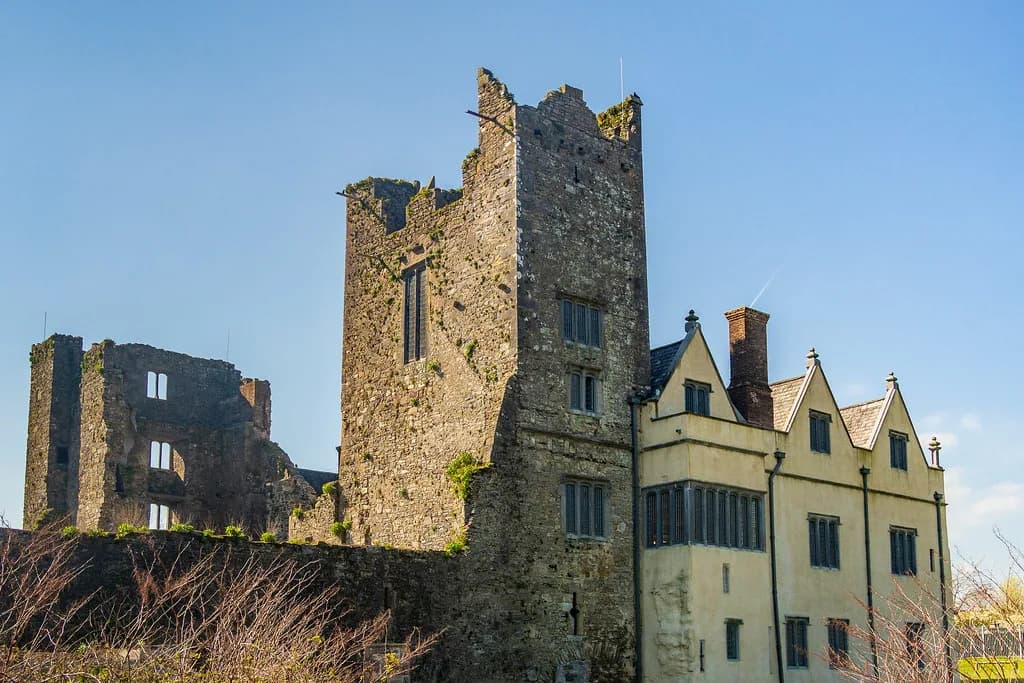
Ormond Castle, Carrick-on-Suir: Ireland's Elizabethan Manor House
Ormond Castle in Carrick-on-Suir is a leading Elizabethan manor house, where a Tudor mansion, royal plasterwork and a riverside castle meet.
On this page
Ormond Castle stands at Carrick-on-Suir in County Tipperary, on the edge of the old town beside the River Suir. It is managed by the Office of Public Works, which presents it through Heritage Ireland and describes it as the finest example of an Elizabethan manor house in Ireland. The site is most rewarding when you read it as two buildings in one: a medieval riverside castle and a Tudor house grafted onto it.
Plan around the interiors rather than the grounds. The elaborate plasterwork and the great hall are the reason the visit repays attention, and a downloadable social guide is published to help first-time visitors, families and people with developmental and learning disabilities prepare. Opening times, admission and any tour arrangements are published by the operator, so check its page before setting out.
What Ormond Castle Is
Heritage Ireland introduces the castle as a medieval riverside structure joined to an Elizabethan manor house, with Thomas Butler, 10th Earl of Ormond, building the newer part in 1565. That pairing explains why the site feels unlike a single-period stately home: older defensive walls and a later domestic block sit side by side. The River Suir setting is part of the original logic of the place, not scenic decoration added later.
The wider county has plenty of fortresses, but most are military in character. Ormond belongs to a different tradition, one where architecture was meant to impress guests rather than resist them. If you are comparing sites across the county, our guide to castles in tipperary helps place Ormond alongside more conventionally defensive neighbours.
Why It Is Singled Out as an Elizabethan Manor House
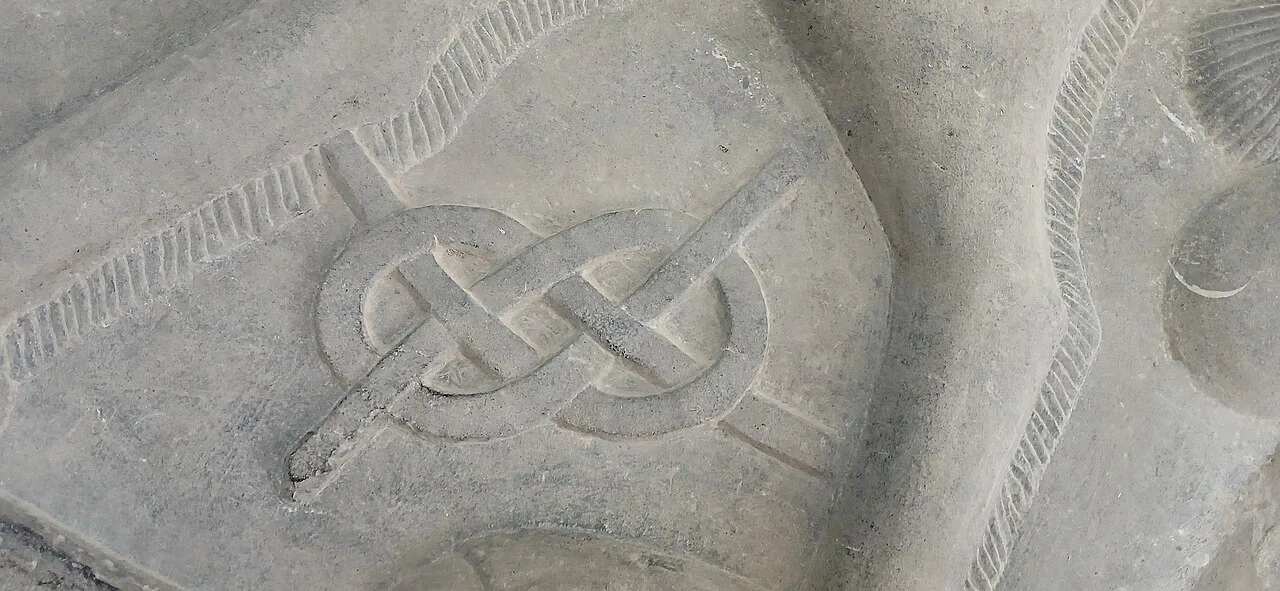
Government and operator material uses two strong characterisations for the site: the best surviving example of an Elizabethan manor house in Ireland, and the only major unfortified dwelling from the Tudor period still standing. Treat those as the OPW's assessment rather than a neutral league table, but they point to something real. Most large Irish houses of the period were built to be defended; this one was not.
That distinction matters when you walk through the building. Windows are generous by medieval standards, the plan opens into a courtyard arrangement, and the exterior is relatively plain while the interior carries the display. The mansion was designed to be read from the inside out, in rooms intended for entertaining and for showing the owner's standing.
The Riverside Castle Before the Mansion
The medieval phase is best described cautiously. Irish Arts Review, in an article by a conservation architect, describes an early fourteenth-century enclosure castle built to control the navigable stretch of the Suir between Waterford and Clonmel, with sections of curtain wall and a three-storey watergate still surviving. Some older accounts, quoted in heritage writing, date the first castle to around 1309, but it is safer to treat the precise foundation date as unsettled and focus on the surviving fabric.
Two five-storey tower houses were added within the walls in the later fifteenth century, and the whole complex formed part of the town's south-eastern defences. When you look at the building today, the watergate and stretches of wall are the clearest witnesses to that phase. They are also a reminder that the site guarded a working river port before it became a residence.
Thomas Butler and the House of 1565
Thomas Butler, known as Black Tom, spent much of his childhood at the English royal court and returned home in 1554 with continental and Tudor architectural ideas. Rather than fortify, he built an unfortified Renaissance mansion in 1565, joined to the older castle by wings that enclosed a central courtyard. The design borrows elements from English courtly houses of the previous generation, adapted to an Irish riverside site.
The choice was political as much as aesthetic. An earl who built a defensible tower signalled local power; one who built a gallery-lit manor signalled alignment with the crown. Irish Arts Review notes that wainscot panelling and glass were sourced in Antwerp in 1566, an imported finish that underlined the household's European connections.
Inside the Great Hall and Long Gallery
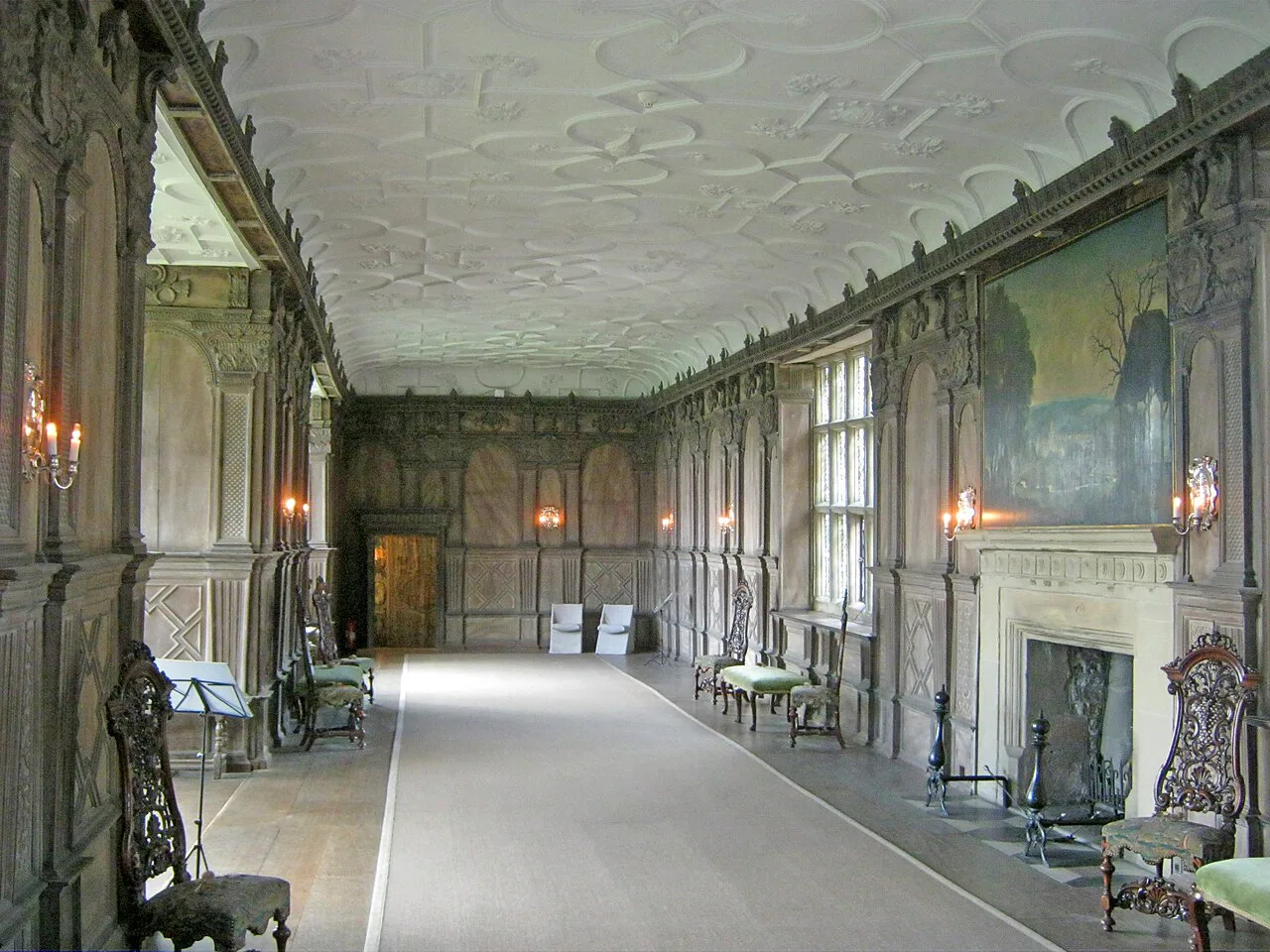
The great hall runs almost the length of the building and carries some of the finest stucco plasterwork in the country, including portraits of Elizabeth I and Edward VI and emblems tied to the Tudor monarchy. Heritage Ireland notes that audiovisual and technological installations help tell the castle's story, so the rooms are interpreted rather than left bare. Look up: the ceilings and friezes are the main event.
The plasterwork dates from between 1565 and 1575 and mixes the royal arms, Elizabeth's monogram and the Tudor rose with the Butler coat of arms and motto. Queen Mary, Elizabeth's Catholic sister, is conspicuously absent from the scheme, which reads as a statement of loyalty to the reigning monarch. Irish Arts Review calls the Long Gallery, which spans the north wing, the earliest of its kind known in Ireland.
Later accounts add colour without settling the history. A nineteenth-century description, gathered in one heritage blog, remarks on the repeated Elizabethan initials and arms in the stucco and on the long upper-storey room with its decorated chimneys. The same source records a longstanding local tradition linking Thomas Butler romantically to the queen; that is reported tradition, not established fact, and worth enjoying as such.
Decline, State Care and Conservation
The family's attachment to Carrick faded toward the end of the seventeenth century, when Thomas's descendants moved north to Kilkenny and the house was let to tenants. It remained in Butler ownership until it came into state care in 1947. That transfer is the reason the interiors can be read today: without public stewardship, a vacated manor of this kind rarely survives intact.
Restoration in the 1980s recreated ceilings and friezes from casts of original motifs, and later works addressed water ingress, re-rendering, roof repairs and upgraded building services. Irish Arts Review reports that an Elizabethan-inspired garden and a new interpretive exhibition were being developed alongside that conservation programme. Neither is confirmed as open on the operator page, so treat garden access as something to ask about rather than assume.
Reading the Castle Today
The OPW's interpretive scheme, as described in its own announcement, introduced digital books on Tudor lecterns offering information in eight languages on the paintings, the restoration and the heraldry in the plasterwork and carved mantelpieces. These are aids to looking, not substitutes for it, and they are especially useful if you want to decode the ceiling without a guidebook open in your hand. The funding figures attached to that project are historical project costs, not current admission charges, and what is running on the day is worth confirming with the site.
A practical way to order the visit is to start with the medieval remains, then move into the Elizabethan rooms so the contrast lands. If carved stone and defensive architecture appeal more, cahir castle offers a strongly fortified counterpoint in the same county and makes a natural second stop for anyone touring Tipperary's castles.
Planning a Visit
Heritage Ireland is the authority for opening times, admission arrangements and any restrictions, and its notices can change with the season. The page has carried a daily pattern with a last-admission cut-off, but because such operational text is not always dated, confirm the current position before travelling rather than relying on a remembered schedule. Admission prices are not set out here for the same reason; the operator page is where to check them.
Download and read the social guide before you go if anyone in your group is a first-time visitor, a family with children, or a person with developmental or learning disabilities. It is a preparation document, not a ticket or a booking, so it supplements rather than replaces checking with the site. Allow time in Carrick-on-Suir itself, since the castle sits at the edge of the former medieval town beside the river.
Other Heritage Places Nearby
The operator page lists other heritage sites in its navigation, including the Main Guard, Greyfriars or French Church, and Reginald's Tower. Treat these as separate days out or add-ons with their own opening arrangements, not as amenities within walking distance of Ormond. Check each site's own page before building an itinerary around it. If you are extending a heritage-focused trip further afield, our Museums in Galway City: Two Places Worth Your Time covers indoor options on the western side of the country.
Elsewhere in the county, nenagh castle and roscrea castle, the latter paired with Damer House and the Black Mills, show different strands of Tipperary's built heritage. For a broader view of prehistoric and early Christian monuments alongside later buildings, ancient sites ireland sets the wider context. If your trip continues west, castles in county galway covers another rich group of sites.
Plan Your Visit
Ormond Castle rewards a slow read: the watergate and curtain wall for the medieval phase, the great hall and Long Gallery for the Elizabethan statement, and the conservation record for how both survived. Go with the operator's page open on your phone for times and admission, and download the social guide if preparation will help anyone in your group.
Frequently Asked Questions
What makes Ormond Castle different from other Irish castles?
Most Irish castles were built for defence. Ormond combines a medieval riverside fortress with an unfortified Elizabethan manor house built in 1565, which the Office of Public Works describes as the finest example of its kind in Ireland and the only major unfortified dwelling from the Tudor period still standing. The interiors, especially the plasterwork, are the main reason to visit.
How much of Ormond Castle is Elizabethan and how much is medieval?
The medieval phase survives in sections of curtain wall, a watergate and the site of two fifteenth-century tower houses. Thomas Butler's mansion of 1565 was built alongside and joined to those older structures, so a visit moves between two distinct building periods. The precise foundation date of the first castle is unsettled in the sources, so it is best treated cautiously.
What can you see inside Ormond Castle?
The great hall and Long Gallery carry elaborate stucco plasterwork with portraits of Elizabeth I and Edward VI, royal emblems and the Butler arms. Digital interpretation on lecterns explains the paintings, restoration and heraldry. Check with the operator for which rooms are open on the day you visit.
Why does the plasterwork feature English royal emblems?
Thomas Butler was raised at the English royal court, and his house advertised loyalty to the crown through its decoration. The scheme, dating from between 1565 and 1575, includes the royal arms, Elizabeth's monogram and the Tudor rose, while pointedly omitting her Catholic sister, Queen Mary.
Do you need to check opening details before travelling to Ormond Castle?
Yes. Opening times and admission arrangements are published by Heritage Ireland, and operational notices are not always dated. Confirm the current position on the operator's page before you travel, and download the social guide if advance preparation would help.
What else is there to see near Carrick-on-Suir?
The operator's page lists other heritage sites such as the Main Guard, Greyfriars or French Church, and Reginald's Tower, each with its own arrangements. Cahir Castle and other castles in County Tipperary make good extensions if you are touring the area by car.
Sources
You might also like



Continue reading
More guides you'll find useful




