
Charleville Castle, County Offaly: A Visitor Guide
Plan a visit to Charleville Castle near Tullamore, County Offaly: its Gothic Revival design, restored interiors, legends and limited guided access.
On this page
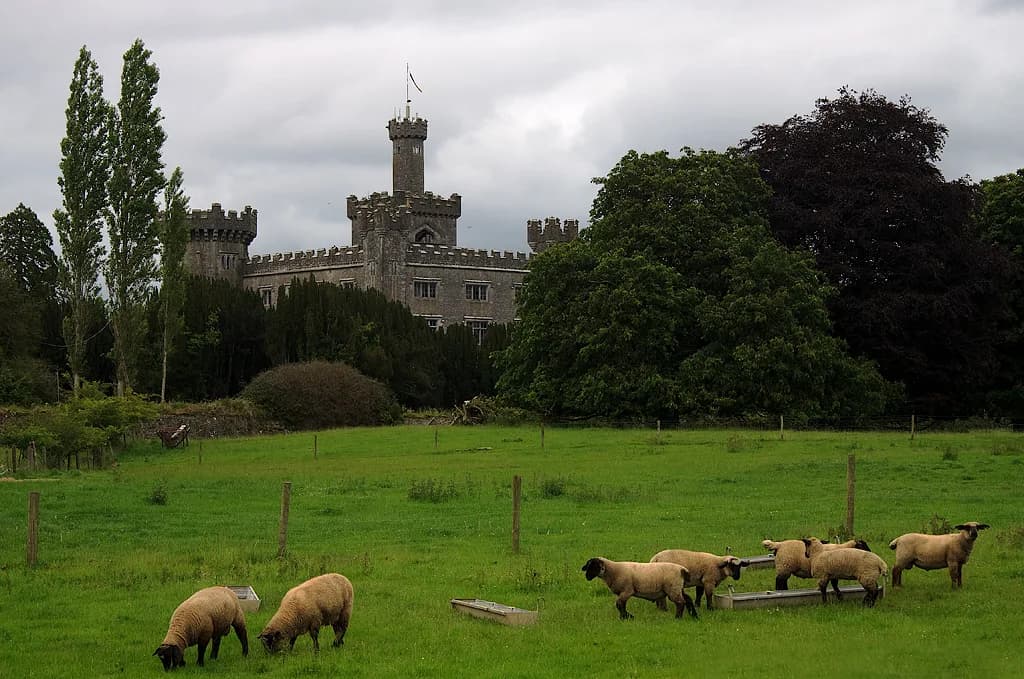
Charleville Castle is a Gothic Revival castle at the edge of Tullamore in County Offaly, surrounded by ancient oak woodland and cared for by the Charleville Castle Heritage Trust. It is not a continuously open museum: the castle sometimes opens to the public, so check arrangements with the operator before you plan a journey.
The visit is best understood as a guided encounter with a restoration in progress rather than a furnished stately home. Ireland.com describes a guide-led tour through rooms whose plasterwork and woodwork survive, and advises pre-booking because the castle is a family home and guides may not otherwise be available.
Where Charleville Castle Stands
The castle sits in County Offaly in the Midlands of Ireland, near the Shannon River and within old oak woods, according to the Charleville Castle Heritage Trust. Ireland.com places it at the edge of Tullamore, reached by an avenue that cuts through that woodland, so the approach is part of the experience rather than a car-park arrival.
That woodland setting is not indoor shelter and does not guarantee that the castle interior will be open on the day you pass. Treat the trees and avenue as landscape context, and confirm with the operator that a visit inside is actually running before building a day around it.
The 1798 Vision and Its Designers
The trust dates the story to 1798, when Charles William Bury, Earl of Charleville, developed paper sketches by Lady Catherine Maria Bury into plans, with Francis Johnston as architect. Johnston also designed Dublin's General Post Office and the Chapel Royal, which helps explain why his name dominates accounts of the building.
Catherine's role is not merely anecdotal. Irish Historic Houses reports that signed window designs and an annotated door sketch by Catherine Maria Charleville survive among drawings associated with the Irish Architectural Archive, evidence that she contributed to the design alongside Johnston.
The same account notes that Charles William Bury served as President of the Royal Irish Academy between 1812 and 1822 and saw himself as the castle's architect. Read the building, then, as a collaboration shaped by taste and drawing as much as by a single professional hand.
Reading the Exterior
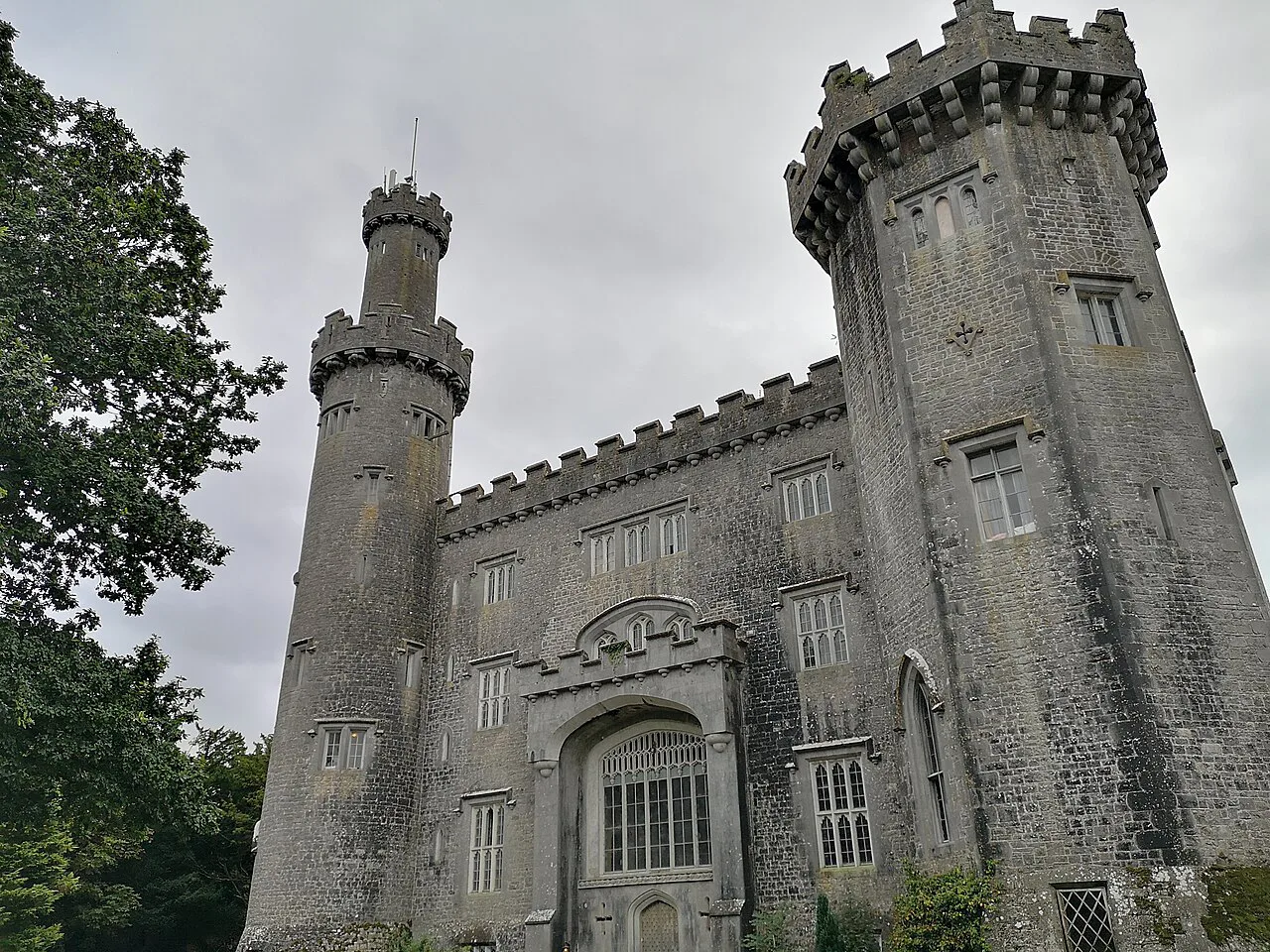
Look first at the massing: a tall castellated block with a heavy octagonal tower and a slender round tower, all in cut stone, as described in the architectural accounts summarised by Irish Historic Houses. The silhouette is deliberately theatrical, closer to a stage fortress than to a plain country house.
The operator calls the castle the finest example of Gothic Revival architecture in the country and describes its imposing appearance as a tin soldier fortress, inspired by Britain's victory over a French revolutionary expedition to Ireland. Those are the trust's characterisations rather than an independent ranking, so treat them as the house's own account of its style.
Interiors and Craftsmanship
On a guided visit, the entrance hall's grand staircase is an early highlight; Ireland.com notes it has stood for more than 220 years. Ireland.com also describes a ballroom with intricate plasterwork and marble fireplaces where the guide evokes opulent past parties and associations with Lord Byron, so enjoy that theatrical storytelling without treating every anecdote as documented fact; the same approach to legend and record pays off at ancient sites in Ireland.
The Gallery is the room to study for architecture when it is open: Irish Historic Houses records a fan-vaulted plaster ceiling with hanging pendants, influenced by Horace Walpole's Strawberry Hill. The same account describes the dining room's family crests, including a boar's head for the Burys, which reward a slower look than a quick walk-through allows.
Build duration is told differently by different sources: the trust says Irish craftsmen spent fourteen years on the castle, while Ireland.com says the work took sixteen. Both agree on a long, craft-heavy campaign, and that is the safer point to carry away.
Decline and Rescue
The trust records that the castle was uninhabited from 1912 and had lost its roof by 1968, before restoration began in 1971 under Michael McMullen and continued with Constance and Bridget Vance. A separate account places a lease to McMullen in 1970 and restoration work from the early 1980s, so dates for the rescue are best read as a sequence of initiatives rather than one clean start.
The Charleville Castle Heritage Trust, founded in 1994, describes itself as a voluntary, not-for-profit company limited by guarantee registered in Ireland, managed by Dudley Stewart and Bridget Vance with core volunteers. Volunteers from France, Canada, the United States, the United Kingdom and Ireland contribute to restoration and sustainable conservation.
Knowing that background changes what you are looking at: missing or unfinished elements are not neglect so much as the ongoing business of a volunteer-led rescue. Expect a working heritage site rather than a polished attraction, and read the unfinished fabric as evidence of the conservation effort still under way.
Stories Told on Tour: Legend and Narrative
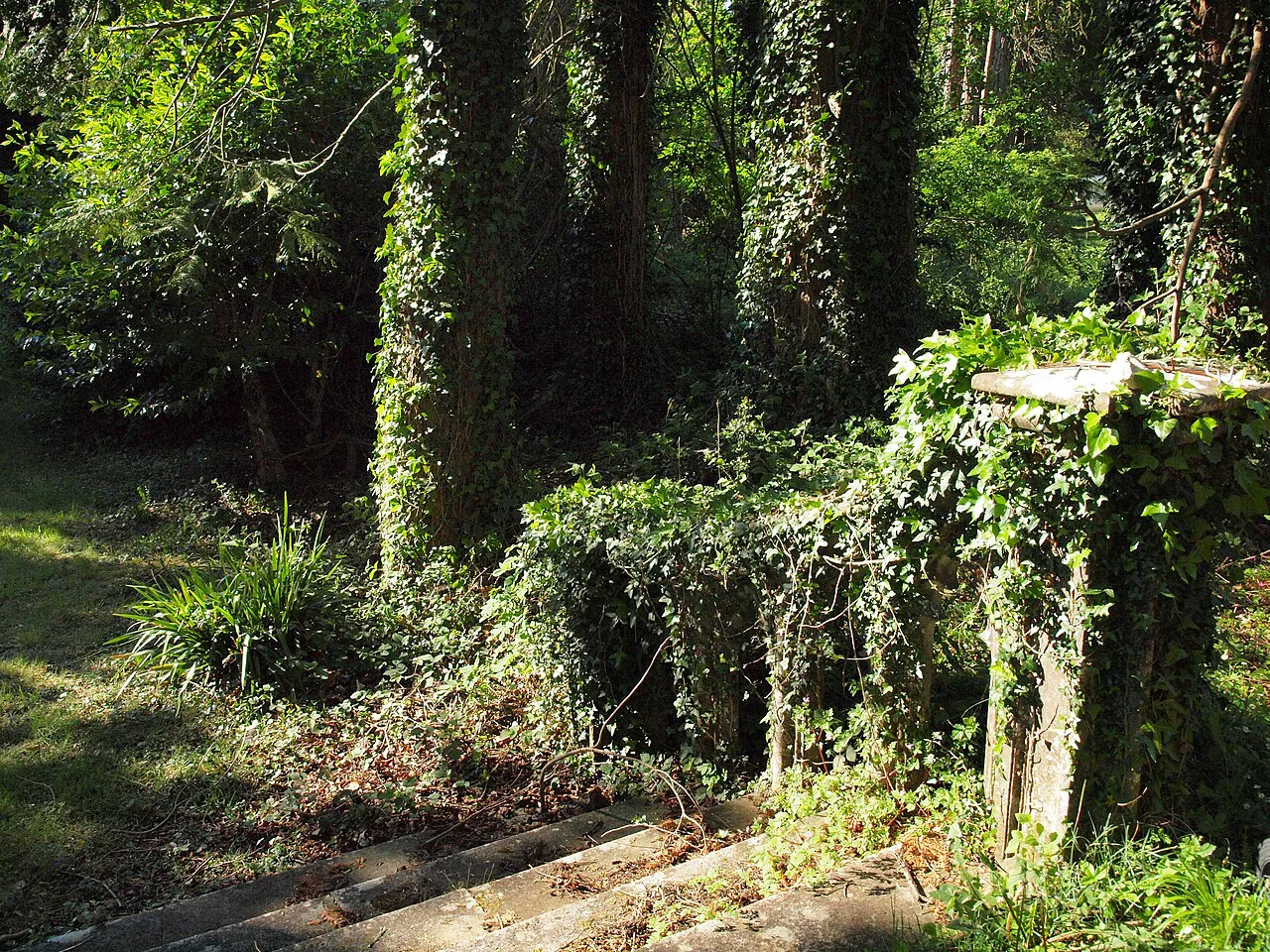
The King Oak near the gate is said to be more than 400 years old, and Ireland.com records a legend that a falling branch foretold a death in the Bury family. The same feature describes the tale of Harriet, a daughter of the third Earl, as a local story of a fatal fall and later sightings, not as verified history.
Likewise, the association with Lord Byron is part of the storytelling told on visits, as is the castle's reputation with paranormal investigators and film crews. Enjoy these as the narrative layer of a visit, and keep them distinct from what the building records actually document.
Visiting with Accurate Expectations
The castle is sometimes open, and Irish Historic Houses notes that it is not a Section 482 property, listing Heritage Week as one known opening period and pointing readers to the operator's website for details. No opening hours or ticket prices are published in the sources available here, so the trust is the place to confirm dates, times and whether booking is required.
Ireland.com's advice to pre-book is specifically because the castle is a family home and guides may not be free otherwise, not evidence of a public booking system. Ask the operator directly rather than assuming a walk-up tour will run on your chosen day.
Access Boundaries and Trade-offs
Not every part of the estate is visitable. Irish Historic Houses records that the Stableyard, though attributed to Francis Johnston, is not open to the public and is derelict, and that the Gallery was closed during a 2024 Heritage Week visit because of filming.
Those are dated observations, not permanent rules: the Gallery closure reflected a film production rather than a structural shutdown. Expect that rooms may be unavailable for conservation or filming, and do not treat any photograph or account as a promise of a particular interior.
Fitting Charleville into a County Offaly Day
Because access is conditional, build your day around confirmed opening rather than around the castle alone. A wider circuit of castles in County Offaly can absorb uncertainty: Leap Castle is another County Offaly site with its own history, and pairing explorations gives the day a fallback if Charleville's interior is unavailable.
If you are travelling for architecture, Birr Castle Demesne offers a contrasting visit with its own grounds and science history. For a different county and a set of sites with published opening arrangements, compare these with the castles in county galway. Keep Charleville as the anchor of a heritage day only once the trust has confirmed that a tour or opening is running.
Plan Your Visit
Charleville Castle rewards a visitor who arrives knowing what it is: a Gothic Revival castle in old oak woods, shaped by the Burys and Francis Johnston, rescued by volunteers and sometimes opened for guided tours. Confirm the current position with the Charleville Castle Heritage Trust before travelling, and treat any room list as conditional. For another heritage guide, read about Clonony Castle.
Frequently Asked Questions
Is Charleville Castle open to the public?
Only sometimes. Irish Historic Houses lists the castle as sometimes open, with Heritage Week as one known period, and directs readers to the operator's website for details. Confirm with the Charleville Castle Heritage Trust before making a journey.
Where is Charleville Castle?
In County Offaly in the Midlands of Ireland, near the Shannon River and at the edge of Tullamore, within ancient oak woodland. The approach is along an avenue through the trees.
Who designed Charleville Castle?
The trust credits Charles William Bury and Lady Catherine Maria Bury with the vision from 1798, working with architect Francis Johnston. Surviving signed drawings by Catherine support her active role in the design.
Why is Charleville Castle called a tin soldier fortress?
That is the operator's description of its imposing Gothic Revival appearance, which the trust links to the celebration of Britain's victory over a French revolutionary expedition to Ireland. Treat it as the house's own characterisation.
What can you see inside Charleville Castle?
On a guided tour you may see the entrance hall staircase, the ballroom and rooms with decorative plasterwork, but room access is not guaranteed. The Gallery was closed for filming during a 2024 Heritage Week visit, so ask the operator what is currently available.
Is Charleville Castle haunted?
Stories such as the King Oak belief and the Harriet legend are told on tour and by local tradition, not established history. They are part of the visit's storytelling rather than verified events.
Do you need to book a Charleville Castle tour?
Ireland.com advises pre-booking because the castle is a family home and guides may not otherwise be available. Contact the operator directly to check whether a visit is running and what arrangements apply.
Can you visit the stableyard at Charleville Castle?
No. Irish Historic Houses records that the Stableyard is not open to the public and is derelict, despite being attributed to Francis Johnston. Plan to see the castle rather than the outbuildings.
Sources
You might also like



Continue reading
More guides you'll find useful





