
Carrickmacross Workhouse: A Visitor Guide to the Famine Poorhouse
Plan a visit to Carrickmacross Workhouse, a restored 1840s poorhouse in County Monaghan, with tour times, booking steps and what the guided tour covers.
On this page
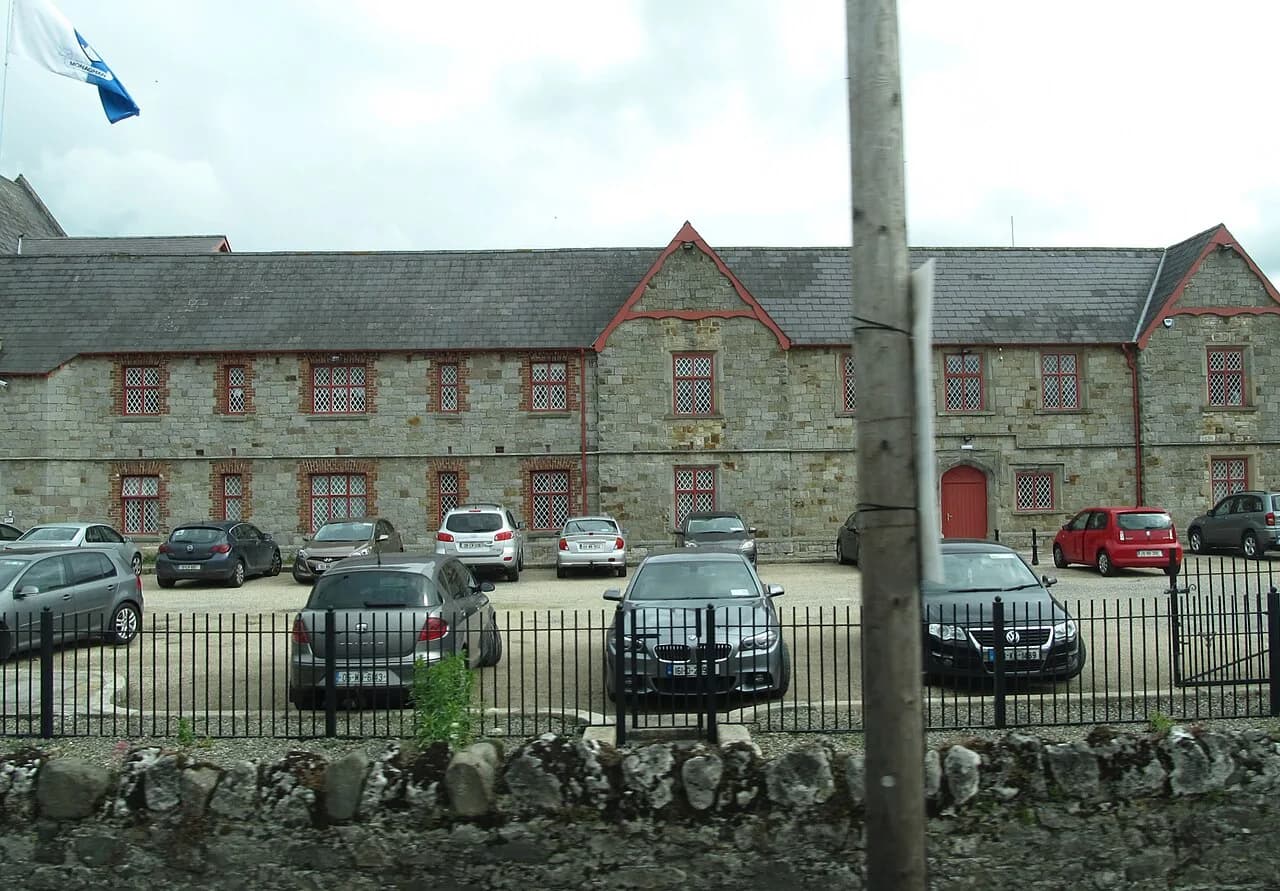
Carrickmacross Workhouse is a restored 1840s poorhouse on Shercock Road in Carrickmacross, County Monaghan, now run as a visitor and community centre. Individual visitors see it on a guided tour rather than by wandering the building alone, and the operator asks that tours be booked in advance by telephone or email.
That booking rule shapes the whole visit: tours run Monday to Friday at 11.30am and 2.30pm all year, each lasting about an hour, with charges set at adult, student and group rates and paid in cash. Treat the operator page as the place to confirm current terms before you set out, since it governs times, rates and booking.
What Carrickmacross Workhouse Is Today
The building has been restored into a Visitor and Community Centre owned by Monaghan County Council and managed by Farney Community Development Group CLG. It is a local authority heritage site with a community function, not a national state museum, so the scale of the display and the pace of the visit reflect a small county operation.
For a traveller, that means a compact, guided experience built around one building's story rather than a large gallery you explore independently. The county tourism listing describes it as a Community Resource, Training and Heritage Centre, which is a fair signal that heritage sits alongside other uses of the site.
The Building and Its Origins
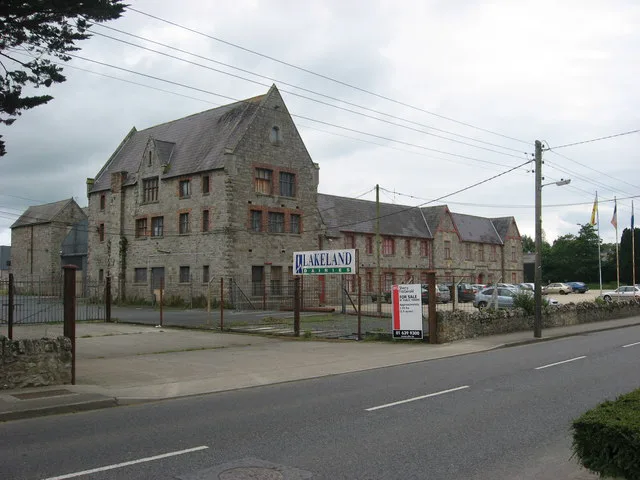
Carrickmacross Workhouse was built in 1841, according to the county tourism listing, and belongs to the wave of roughly 130 workhouses raised in Ireland during the 1840s. The operator gives the Irish name Teach na mBocht, the poorhouse, as the building's original purpose in plain terms: a place to house the poor.
Workhouses were a system of institutional relief rather than charity cottages, and that distinction matters when you walk the rooms. The architecture, the dormitory layout and the scale of the building are the evidence the tour works from, so look at the fabric of the structure as much as the panels.
Designed for 500, Recorded at Nearly 2,000
The workhouse was designed to hold 500 people, yet by 1851 nearly 2,000 men, women and children were recorded in the building, according to the county tourism listing. That gap between intended capacity and actual crowding is the core of the Famine story told on site, and it reframes what looks like a plain institutional interior.
The operator frames the tour around life, death and emigration in the workhouse during the 1840s Great Famine. Placing this single building within the wider history of the period helps: the broader arc of the disaster is covered in The Great Irish Famine, 1845, which gives context for why relief institutions were so overwhelmed.
The Original Children's Dormitory
The tour's anchor room is an original children's dormitory, which the operator says overlooks the Mass Famine Graves on the site. Seeing an original dormitory rather than a reconstructed set changes the register of the visit: it is a surviving interior of the poorhouse, shown as such.
The county listing adds wider workhouse-system context: between 1848 and 1850, 4,112 girls aged 14 to 18 were emigrated from Irish workhouses to Australia as wives and servants of settlers and convicts there. Read that as a system-wide figure and a context for the children's story, not as a Carrickmacross-only count.
Emigration as a theme continues at other Irish heritage sites: a guide to Irish coffin ships and the emigrant crossing approaches the same subject from the voyage rather than the institution.
The Mass Famine Graves
Mass Famine Graves lie on the workhouse site, and the operator places them in view of the children's dormitory, making the burial ground part of the interior experience rather than a separate stop. Expect a sombre moment here; the visit is designed to connect the rooms to the people who died in and around the institution.
Because the graves are on site and tied to the guided route, they are best understood within the tour rather than treated as a standalone monument to seek out independently. That is one reason advance booking matters: the route, access and commentary are organised by the guide.
Inside the One-Hour Guided Tour
The operator says tour guides use an animated film, interpretative artworks, information panels and architectural features to tell the workhouse story across a one-hour tour. That mix suits a small building: film and panels carry the chronology, while the architecture and original rooms carry the atmosphere. If you are weighing this against other heritage stops on your route, Ireland's ancient sites are covered in a separate guide, and castles in county galway are covered in another for the west.
The county listing notes a refurbished exhibition with an audio-visual element and exhibits by local artists, which aligns with the operator's account of artworks within the tour. Neither source describes an open-ended, self-guided exhibition, so plan your day around the scheduled tour slot rather than an arrival time of your choosing.
Planning the Visit: Times, Booking and Charges
Tours run Mondays to Fridays at 11.30am and 2.30pm all year and should be booked in advance by phone or email, according to the operator. Current charges are published as per adult, per student and a reduced rate for group and bus tours of ten or more, with under-fives free, and payment is cash only.
Group tours with a minimum of ten people can be arranged by appointment on Saturdays, Sundays and bank holidays. That does not amount to general weekend opening for individual visitors, so a weekend trip needs a booked group rather than a hopeful arrival.
The site is at Shercock Road, Carrickmacross, Co. Monaghan, A81 E372, with contact details published by the operator for booking and queries. Check the operator page for current times and charges before travelling, since these are set by the operator and can change.
Access and On-Site Facilities
The operator lists free car and bus parking, ground-floor toilets, light refreshments and a two-person lift. It also states plainly that the building is a three-storey historic structure with stairs, so visitors with limited mobility should plan around the lift and ask about the route when booking.
No café, shop or other amenity is advertised beyond those named facilities, so do not build a longer stop around expectations the operator has not set out. Arriving a little before your slot leaves time for parking and the stairs without rushing the guide's start.
Who Runs It and the Genealogy Service
Ownership sits with Monaghan County Council, while Farney Community Development Group CLG manages the centre day to day, per the operator. That dual structure explains the building's mixed identity as both heritage exhibition and community resource, and it is worth knowing whom you are contacting when you ring to book.
Separately from the tour, a genealogy service covers families in south County Monaghan, drawing on records such as graveyards, surveys, visitor books and newspapers, with a nominal charge for queries. Family historians should treat this as a research request distinct from the visitor tour and ask about it directly.
Reading the Workhouse as Heritage, Not Spectacle
A workhouse is an uncomfortable place to present, and the strongest approach is to let the building and its records do the work. Original fabric, a surviving dormitory and graves on the grounds make the site a document of Famine relief policy as much as a museum display.
Before You Go
Carrickmacross Workhouse rewards a booked, unhurried weekday visit: one hour, one guide, one building and the people it held. Ring or email ahead with your preferred time and any access needs, and bring cash for the published charges.
Explore more Ireland guides
Frequently Asked Questions
Do you need to book Carrickmacross Workhouse in advance?
Yes. The operator asks visitors to book tours in advance by telephone or email, with weekdays at 11.30am and 2.30pm as the scheduled slots. Booking also lets you raise access questions, such as using the two-person lift in a three-storey building with stairs.
How long is the Carrickmacross Workhouse tour?
The operator describes a one-hour guided tour. Guides use an animated film, interpretative artworks, information panels and architectural features to tell the story, and the route includes the original children's dormitory overlooking the Mass Famine Graves. Allow extra time before your slot for parking and stairs.
How much does the tour cost and can you pay by card?
The operator publishes separate adult, student and group or bus rates, with under-fives free, and states that payment is cash only. Confirm the current charges on the operator page when you book, and bring cash rather than relying on card payment.
Can you visit at weekends?
Not as an individual drop-in. Weekend and bank-holiday tours are arranged by appointment for groups of at least ten people, according to the operator. Individual visitors should plan a Monday-to-Friday tour and book it ahead.
Is the workhouse accessible for visitors with limited mobility?
The operator provides a two-person lift, ground-floor toilets and free parking, but notes the building is three storeys with stairs. Mention mobility needs when booking so the guide can advise on the route through the tour.
What is there to see inside the workhouse?
The guided tour includes the original children's dormitory, Mass Famine Graves on site, an animated film, artwork and information panels covering life, death and emigration in the 1840s. The county listing also notes an audio-visual exhibition element and works by local artists.
Does the workhouse offer family history research?
Yes. A genealogy service focuses on families in south County Monaghan and draws on records including graveyards, surveys, visitor books and newspapers, with a nominal charge. Ask about it separately from the visitor tour when you make contact.
Sources
You might also like



Continue reading
More guides you'll find useful





