
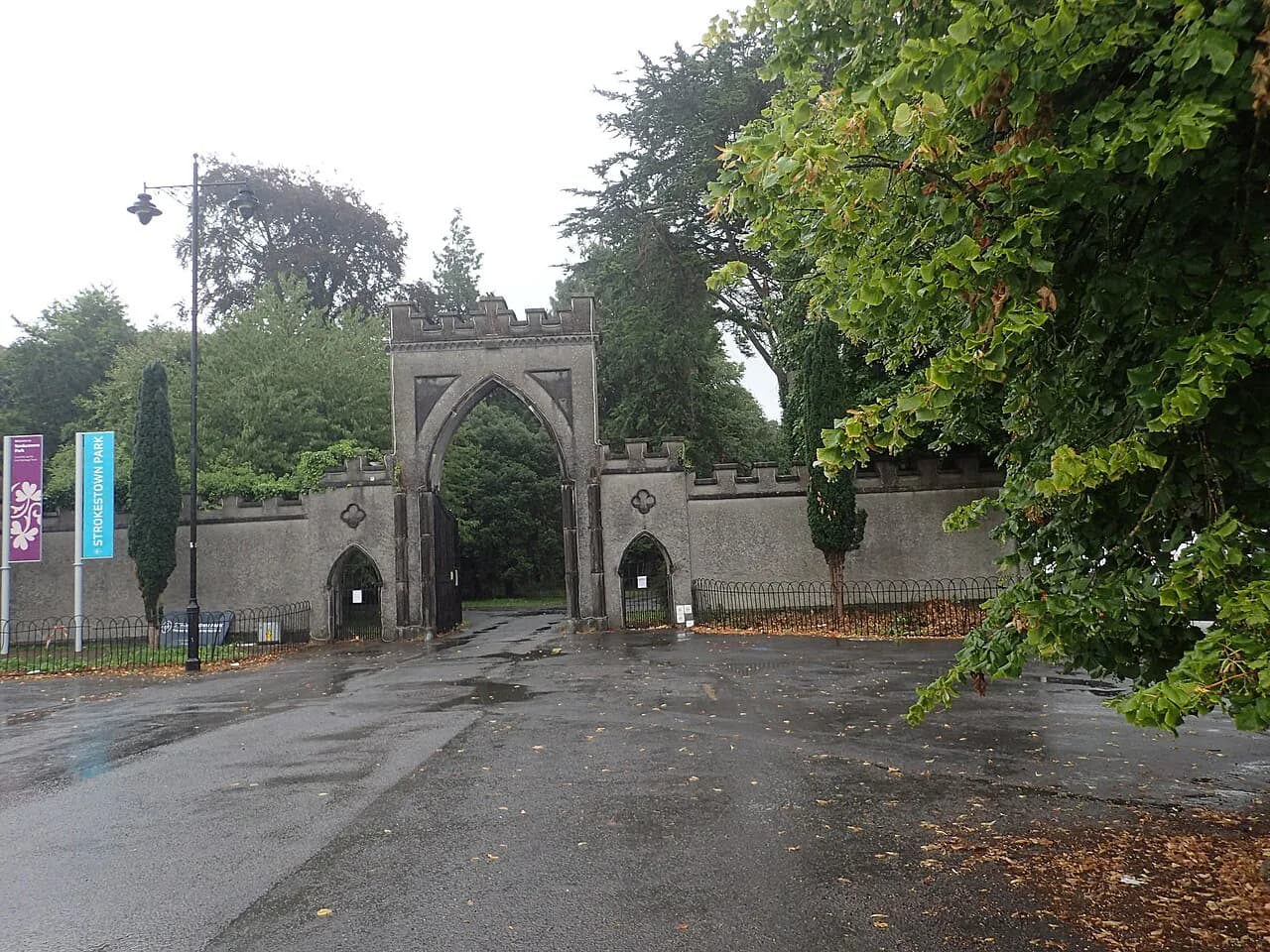
Strokestown Park: House, Famine Museum and Gardens Guide
Plan a visit to Strokestown Park in County Roscommon: the Palladian house tour, the National Famine Museum, gardens and the National Famine Way trail.
On this page
Strokestown Park is a single County Roscommon estate that holds three quite different experiences: a Palladian mansion shown by guided tour, the National Famine Museum, and walled gardens and pleasure grounds. The same estate is also the starting point of the 165km National Famine Way to Dublin.
What ties the layers together is an archive. Documents preserved at Strokestown let the museum set landlord and tenant lives beside each other rather than telling the famine story in the abstract, which is why the visit rewards more than a quick stop.
Current access at a glance
The operator currently posts daily opening from 10.30am to 5pm, along with a specific closure notice for 20 October. Guided tours of the house are listed at 12pm and 2pm, and booking online in advance is recommended, so the tour times are the fixed points around which to build your day.
Two posted notices matter before you travel. The site has advertised a closure on 20 October, and the woodland has been closed since 20 September for works, with the operator saying only that it will reopen soon and giving no confirmed date. Treat both as current notices rather than assumptions about your own dates.
The Woodland Café sits in the old granary and the notice lists it as open daily from 10.30am to 5pm, serving lunch, coffee and sweet treats made with local ingredients. The shop carries gifts, books and famine-related memorabilia if you want reading to take away.
Why the estate works as one visit
Elsewhere in Ireland, a big house, a museum and a garden are usually separate tickets in separate towns. At Strokestown they share one story: the mansion shows how the gentry and their servants lived, the museum draws on the same estate's papers to show the tenants' side, and the grounds and trail carry that history outdoors.
That layering changes how you should plan. Decide in advance whether the house tour or the museum is your priority, because the fixed tour times leave less room for drifting between buildings than a free-flow visit would.
The house and its guided tour
Strokestown Park House is a Palladian mansion shown on a guided tour rather than by wandering at will. The operator describes the interior as a kind of time capsule, with original collections of art, curios and everyday objects spread across grand rooms and servants' quarters, so the tour contrasts life above and below stairs.
Because the tour is the only way in, arriving after the 12pm or 2pm departure means the house may be out of reach for that day. Book online in advance, and if your schedule is tight, choose one departure and give the museum the rest of your time.
Inside the National Famine Museum
The redeveloped National Famine Museum tells the story of the Great Irish Famine through audio-visual displays, interactive exhibits and documents taken from the estate archive. Objects and local accounts carry the narrative, and the interpretation deliberately sets the landlord and tenant experience side by side.
For wider context on how the famine unfolded and how it is commemorated, the site's story is part of a larger national history that includes the emigrant ships and workhouses of the period.
Fáilte Ireland's listing characterises the famine itself as one of the largest social disasters of nineteenth-century Europe, in which more than two million people died or emigrated. The museum's value lies in grounding that scale in named people and papers from this estate rather than general statistics.
The archive behind the museum
Strokestown was the seat of the Mahon family from 1653 until 1981. An estate page records that in 1846 tenants in the townland of Cloonahee wrote to Denis Mahon pleading for relief after their potato crop failed, and that in 1847 Mahon became the first landlord assassinated during the Famine period, with repercussions reaching Rome and Westminster. The gun used in the shooting is displayed in the museum.
That sequence explains the museum's method: a single estate letter, an act of violence and the family seat's long history give the interpretation its anchor. Visitors who read the displays as biography first and famine context second will find the building itself easier to understand.
How the estate was saved and who runs it
By the 1970s, houses like Strokestown faced an uncertain future and were valued mainly for their land. In 1979 the house and estate were purchased by the Westward Garage Group, and its founder Jim Callery found boxes of estate documents while exploring the house, a discovery that changed what the property would become.
The Irish Heritage Trust has worked with Strokestown Park and the Westward Group since 2010 and became responsible for the property, team and archive on 1 August 2015. Restoration has continued since, including the house and gardens and the museum that now shares the papers with visitors.
Gardens, glasshouse and woodland
The grounds combine walled gardens, colourful pleasure gardens and wilder woodland, with features including heritage roses and a fernery. Fáilte Ireland's listing also notes a Victorian rose garden and a restored glasshouse it describes as Ireland's oldest, a characterisation attributed to the national tourism board rather than stated as fact here. The woodland itself has been closed for works since 20 September with no confirmed reopening date.
The operator has created family trails in the walled garden and woodland to give younger visitors a route through the grounds. If a woodland walk is the reason for your trip, confirm the current status first: the woodland has been closed for works since 20 September with no confirmed reopening.
The National Famine Way
In 1847, 1,490 people left the Strokestown estate on foot for Dublin, a journey of 165km, hoping to board ships to Britain or North America. The National Famine Way follows that route, connecting the estate with Rowan Gillespie's Famine Memorial on Custom House Quay in Dublin. For the city at the other end of the walk, the Dublin heritage guide traces the sites those arrivals would have passed.
Walking or cycling the trail links the estate's story to the ports and ships that carried emigrants away. For the maritime side of that history, accounts of the coffin ship passage describe the emigrant vessels of the famine era, the kind of crossing those who reached Dublin hoped to make.
The crowded, disease-ridden passage that followed is treated separately in accounts of the Irish coffin ships, which helps explain why the walk to Dublin was only the first stage of a much harder journey.
Practical detail for the day
Parking is free, and Fáilte Ireland states that the museum, café, gift shop and ground floor of the house are wheelchair accessible, with assistance dogs welcome. Those claims do not extend to the gardens, woodland or upper floors, so ask staff if step-free access to a particular area matters to you.
No admission prices are published in the material available here, so check the operator's booking pages for current ticket costs before you set out. The one ticketing point worth acting on now is that advance online booking for house tours is recommended.
Sequencing your visit around the tour times
With tours at 12pm and 2pm, a sensible pattern is to arrive for opening, take the museum first while you are fresh, then join a house tour, leaving the gardens and café for afterwards. If you take the 2pm tour instead, use the morning for the museum and the grounds.
If the woodland is closed on your date, the walled and pleasure gardens still provide an outdoor element, and the café in the old granary gives you a reason to slow down. Seasonal programming such as an after-dark house tour or a Victorian Christmas experience appears on the venue's events listing, but some sessions sell out, so never plan around an event without checking availability.
Strokestown in a wider Roscommon day
Strokestown sits in the region marketed as Ireland's Hidden Heartlands, and the operator suggests nearby options for extending a visit. Rathcroghan, near Tulsk, is described as the oldest and largest unexcavated royal site in Europe, with guided tours and a visitor centre, making it a natural counterpart to the estate's more recent history.
For prehistoric and early medieval landscapes more broadly, ancient sites ireland offers context that helps place a place like Rathcroghan in a longer timeline.
Closer to the estate's social history, the Derryglad Folk & Heritage Museum is a family-run museum of rural life near Athlone that uses objects and set scenes to show work, play and celebration across the centuries. It works as an onward stop rather than a substitute for Strokestown's archive-led interpretation.
What to expect from the story
Strokestown Park is not a decorative country-house outing. The house tour and the museum together ask visitors to consider who held power on this estate, who depended on the land, and what happened when the potato crop failed, and the archive makes those questions specific rather than abstract.
The museum's focus on landlord and tenant lives also connects to the wider history of institutional responses to poverty in Ireland, including the workhouse system explored in places such as carrickmacross workhouse. Reading those strands together gives a fuller picture than any single site.
Plan Your Visit
Build the day around the house tour times, book online in advance, and check the operator's notices for the posted 20 October closure and the woodland works before travelling. Those two checks are the difference between a smooth visit and one that misses the part you came for.
Allow enough time for the museum after the house, because the estate documents are what make the visit distinctive, and keep the gardens as a slower finish rather than an afterthought.
Explore more Ireland guides
Frequently Asked Questions
Is Strokestown Park the same as the National Famine Museum?
They are on the same estate but are distinct experiences. Strokestown Park covers the Palladian house and gardens, while the National Famine Museum occupies its own space on the grounds and draws on the estate archive. You can visit the museum without taking the house tour, but the house is seen only on a guided tour.
How long should I allow at Strokestown Park?
Plan around the fixed house tour times at 12pm and 2pm and give the museum a solid block of time, since its documents and displays reward reading rather than passing through. Gardens and the café fill the gaps. The operator does not publish a recommended visit duration, so judge from your own pace and the tour slot you book.
Do I need to book the house tour at Strokestown Park?
The operator recommends booking online in advance for guided house tours, which run at 12pm and 2pm. Advance booking is the safest approach if the house is your priority, because arriving after a departure leaves the interior out of reach for that day. Check the booking pages for current availability.
Is the woodland at Strokestown Park open?
The woodland has been closed since 20 September for works, and the operator says only that it will reopen soon, with no confirmed date published. Check the site notices before travelling if a woodland walk matters to you, and plan the walled and pleasure gardens as the outdoor alternative.
Can you walk the National Famine Way from Strokestown Park?
The National Famine Way is a 165km route from the Strokestown estate to Dublin, following the path of 1,490 people who walked it in 1847. It begins at the estate, so the visit makes a natural starting point for understanding the trail. Practical details of the route are published by the trail itself.
Is Strokestown Park wheelchair accessible?
Fáilte Ireland states that the museum, café, gift shop and ground floor of the house are wheelchair accessible, with assistance dogs welcome. Those claims do not cover the gardens, woodland or upper floors, so confirm with staff before relying on step-free access to a particular area.
Sources
You might also like



Continue reading
More guides you'll find useful





