
National Famine Museum Ireland: A Strokestown Park Guide
Plan a visit to the National Famine Museum at Strokestown Park, County Roscommon, where the house, archive and gardens anchor the Great Famine story.
On this page
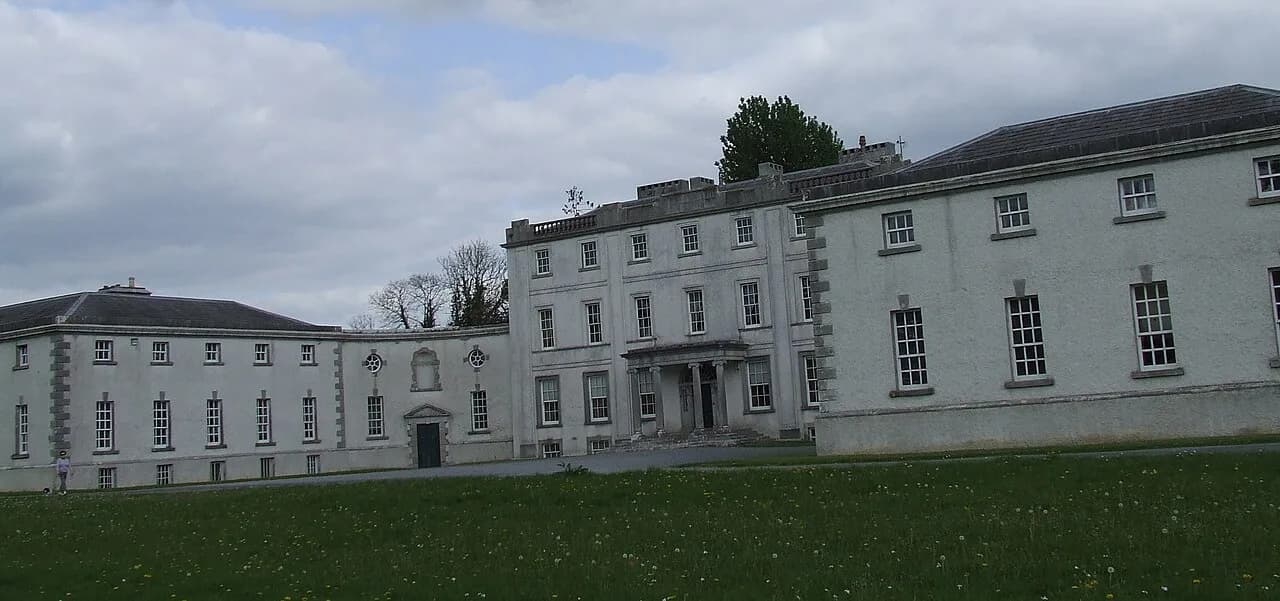
The National Famine Museum is housed at Strokestown Park in County Roscommon, in Ireland's Hidden Heartlands. It is part of a country estate rather than a standalone city attraction, so a visit means moving between the museum, a guided tour of the Palladian house, the gardens and the grounds. That arrangement is the point: the museum's story is tied to the people who lived and worked on this specific estate.
The museum's parent subject is the great irish famine of 1845 to 1852, the disaster that killed roughly a million people and pushed another million to emigrate, according to the Dublin exhibition's account. Strokestown gives that national history a local address through estate documents, landlord history and the stories of tenants forced onto the road. Allow the wider estate, not just the exhibition rooms, to shape your schedule.
What the Museum Presents
The operator describes the National Famine Museum as an immersive presentation drawing on local accounts and documents, intriguing objects and wider national perspectives. Interactive displays are part of the approach, and the museum is pitched at visitors of all ages rather than specialists. The operator calls it award-winning; that is the venue's own description. Expect the exhibition to connect written evidence from the estate to broader history rather than to work as a gallery of isolated artefacts. It sits within the wider story of The Great Irish Famine, 1845 and the years that followed.
That emphasis on documents matters because the museum grew out of an archive found in the house itself. The displays are not a general survey dropped into a convenient building; they are anchored in papers generated by this estate during the Famine years. Reading the exhibition with that in mind makes the local names and petitions easier to follow.
Why This Estate: The Mahon Family and 1847
Strokestown Park was the family seat of the Mahon family from 1653 until 1981, according to the National Famine Way's history of the property. That page records that in 1847 Denis Mahon became the first landlord assassinated during the Famine period, and states that the gun used to shoot Major Mahon is on display in the Famine Museum, without giving details of the display's location or permanence.
That single event gives the museum a direct human anchor, but it is only one thread. The same source notes that the estate spans almost 350 years of Irish history, which lets the museum place the Famine within a longer story of landlordism and tenant life. Treat the assassination as a starting point for understanding power relations on the estate, not as the museum's whole subject.
How the Collection Came Together
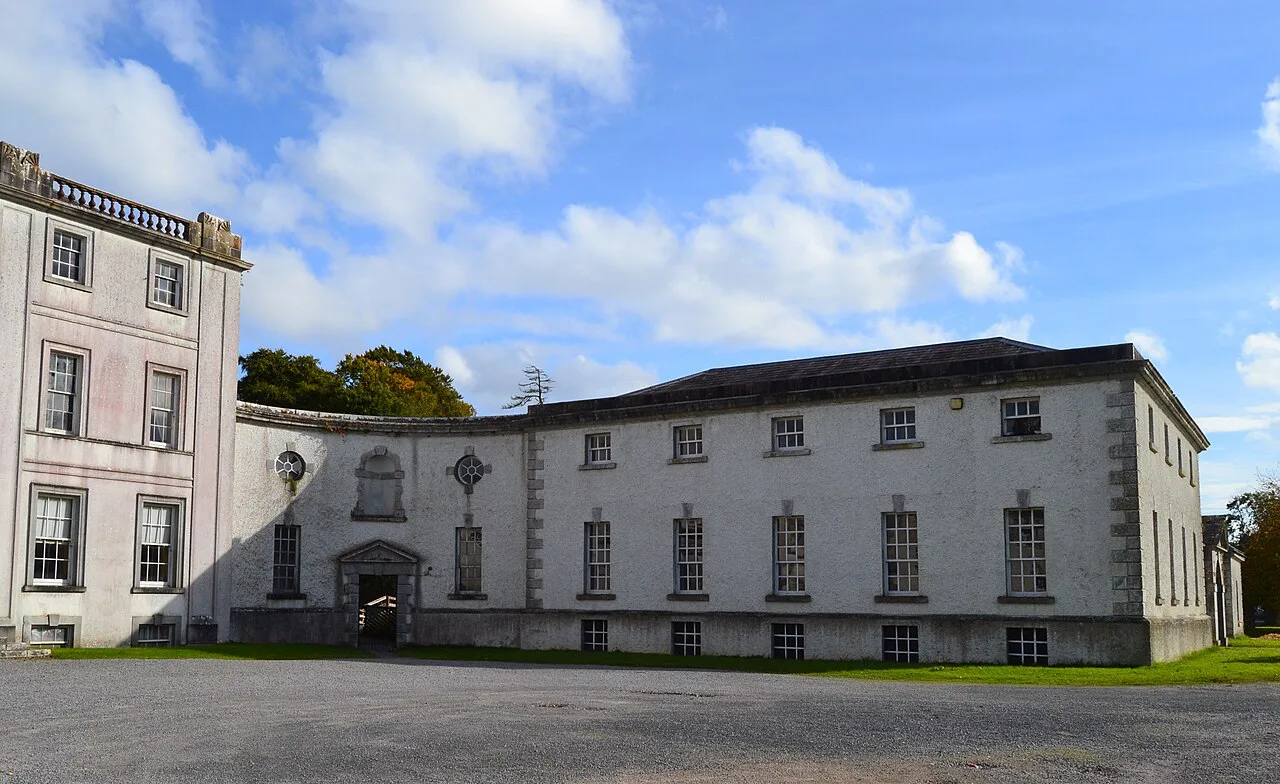
By the 1970s, houses such as Strokestown Park faced an uncertain future and their value lay mostly in the adjoining land. In 1979 the house and estate were bought by the Westward Garage Group, and during an exploration of the house its founder, Jim Callery, found boxes of estate letters and documents. Among them was an 1846 petition from tenants in the townland of Cloonahee, pleading with Denis Mahon for relief after their potato crop failed.
That discovery led to restoration work on the house and gardens and to the establishment of the first Famine museum in Ireland, a description attributed to the National Famine Way page rather than independently verified here. The same source records that the Irish Heritage Trust took responsibility for the property, team and archive on 1 August 2015, supported by the Westward Group's directors. When you walk the exhibition, the documents you see trace back to that chance find.
What the Guided House Tour Adds
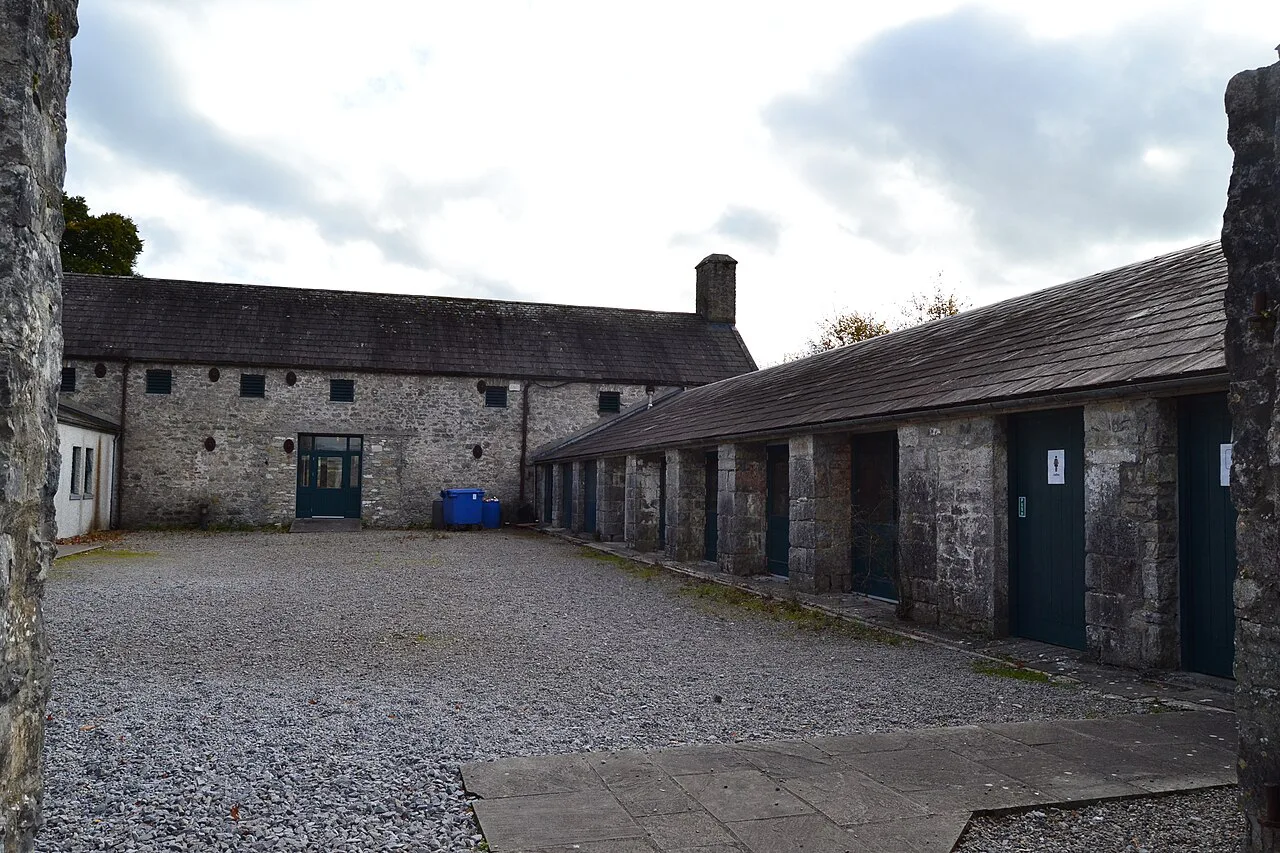
The museum is not the same experience as the house tour, and visitors should plan for both. Strokestown Park House is described by its operator as a Palladian mansion shown on guided tours, with original collections of art, curios and everyday objects spread across grand rooms and servants' quarters. The contrast between the family rooms and the servants' spaces is what makes the house a useful companion to the Famine displays.
The operator lists guided tours of the house at 12pm and 2pm and recommends booking online in advance. Because those are fixed slots, build the rest of your visit around one of them rather than hoping to slot in a tour on the day. The museum, gardens and café fill the time before or after your slot.
Gardens, Grounds and Family Trails
Outside the house, the estate includes walled gardens, colourful pleasure gardens and wilder woodlands, with heritage roses, a fernery and rare plants among the features the operator highlights. These are not a decorative afterthought: the walled garden and surrounding grounds reflect the estate as a working property, and the contrast between cultivated beds and wilder woodland is part of the visit.
The operator has created trails for younger visitors in the walled garden, the woodland and the National Famine Museum, so families can break up the indoor exhibition with outdoor activity. Note that the woodland is currently restricted: a notice on the operator's page records the woodland as closed from 20 September, with reopening described only as very soon. Do not assume the woodland trails are open until the operator confirms it.
Access, Timing and Current Notices
The operator lists the estate as open daily from 10.30am to 5pm. The same page carries a separate line recording a closure on 20 October. That is a single dated notice and does not establish an annual or ongoing closure, but it does show that opening can change at short notice. Confirm the current position with Strokestown Park before travelling.
Admission prices, tour durations, parking and accessibility details are not published in the material available here, so check them directly with the operator when you book. Advance online booking is recommended, which matters most if you want one of the two house tours. Treat any schedule you read as a snapshot rather than a permanent timetable.
School Groups and Younger Visitors
Strokestown Park welcomes school groups of all levels and offers curriculum-linked tours and activities designed to combine learning with enjoyment, according to the operator. For families travelling independently, the children's trails in the garden, woodland and museum serve a similar purpose: they give younger visitors a task rather than a wall of text to read.
If you are visiting with children, allow more time than you would for a solo museum stop. The house tour, museum and garden trails each need their own slot, and the fixed house tour times constrain how the day fits together. Pick one or two elements rather than trying to complete everything in a single afternoon.
The National Famine Way
Strokestown is the starting point of the National Famine Way, a route that traces the footsteps of 1,490 people forced to walk 165km from the Strokestown Park Estate to Dublin in 1847. The operator frames it as a walking and cycling heritage trail that connects the story to modern communities along the way. The National Famine Way's account links it to Rowan Gillespie's Famine Memorial on Custom House Quay in Dublin.
This is a self-directed route, not a guided or timed add-on, so treat it as a separate trip or a longer-term project rather than an afternoon extension. If emigration is your main interest, the irish coffin ships story covers the Atlantic crossing that followed the road to Dublin.
Café, Shop and Practical Pauses
The Woodland Café occupies the old granary of Strokestown Park House and serves lunch dishes, coffee and sweet treats made from local ingredients, with daily hours of 10.30am to 5pm listed by the operator. Its position in a former working building is a small reminder of how estates like this operated. The shop stocks gifts, books and memorabilia relating to the Great Famine, which makes it a useful stop for readers who want to follow up on what they have seen.
For broader context on relief and institutional responses to the Famine, the carrickmacross workhouse record shows how workhouse provision worked in another county. It is not part of the Strokestown visit, but it is a useful companion for anyone mapping the wider landscape of Famine history across Ireland.
A Different Venue: Dublin's Famine Exhibition
Dublin has its own separate Famine exhibition on the second floor of the St Stephen's Green Shopping Centre, across the road from the park's main entrance. Its own account describes a seasonal summer exhibition with original newspaper articles, a high-resolution copy of a letter held in the National Archives of Istanbul connected to the Sultan's donation to Famine relief in 1847, and an original cast-iron famine pot from Donegal, with reference manuals available in four languages. It is independently run and is not the National Famine Museum. If you want to combine it with a walk, see St Stephen's Green, Dublin: A Victorian Park Visitor Guide for the surrounding park.
Visit it as a separate attraction with its own objects and its own account of the Famine, not as a substitute for Strokestown or a branch of it. Its own material also points to the Famine memorial at the north-eastern corner of St Stephen's Green. Pairing a city-centre exhibition with a country-estate museum gives two very different perspectives on the same history.
Check Before You Travel
The National Famine Museum works best when you treat it as the centre of an estate visit rather than a quick city stop. The museum, the guided house tour, the gardens and the café each take time, and the house tour times of 12pm and 2pm shape how the day fits together.
Before setting out, confirm current opening hours, any dated closure notices and the woodland restriction directly with Strokestown Park, and book the house tour online in advance. If you want to extend the story, the wider The Great Irish Famine, 1845 material gives you further places to explore.
Explore more Ireland guides
Frequently Asked Questions
What is the National Famine Museum and where is it?
It is the Famine museum housed within Strokestown Park, an estate in County Roscommon in Ireland's Hidden Heartlands. It is part of a country estate rather than a standalone city attraction, so a visit combines the exhibition with a guided tour of the Palladian house, the gardens and the grounds.
Is the museum inside Strokestown Park House?
The museum and the house tour are separate experiences on the same estate. The house is shown by guided tour through grand rooms and servants' quarters with original collections in place, so plan for both rather than treating the house as the museum building.
Why is Strokestown associated with the Great Famine?
Strokestown Park was the Mahon family seat from 1653 until 1981, and the National Famine Way's history page records that in 1847 Denis Mahon became the first landlord assassinated during the Famine period. Estate papers, including an 1846 tenant petition from Cloonahee, anchor the museum's displays in local evidence.
How long should I allow for the museum and house?
Allow more than a quick stop. The guided house tour, the exhibition and the garden trails each need their own slot, and the fixed house tour times constrain how a day fits together. Pick one or two elements rather than trying to complete everything in a single afternoon.
Can I visit the woodlands at Strokestown Park?
Not automatically. A notice on the operator's page records the woodland as closed from 20 September, with reopening described only as very soon, so confirm the current position with Strokestown Park before you rely on the woodland trails.
What is the National Famine Way?
It is a walking and cycling heritage route that traces the footsteps of 1,490 people forced to walk 165km from the Strokestown Park Estate to Dublin in 1847. It is self-directed rather than a guided or timed add-on, and it connects Strokestown with the Famine Memorial on Custom House Quay in Dublin.
Sources
You might also like



Continue reading
More guides you'll find useful





