
Irish History: Seven Places That Explain the Past
Explore Irish history through seven places, from Neolithic tombs and monastic ruins to famine records and Kilmainham Gaol, with practical visiting context.
On this page
Irish history spans prehistoric monument builders, Christian monastic communities, Viking settlement, medieval lordship, religious and political conflict, famine and the creation of the modern state. Seven places provide a selective introduction to that history through things you can examine: a passage tomb, a church, a defensive wall, an estate document or a prison wing.
The sites below are in the Republic of Ireland. Their locations make them choices for different trips, rather than a single driving circuit. Start with the period that interests you, then decide whether you want an outdoor monument, an interpreted building or a collection of records. Several visits combine more than one of these.
Neolithic Ireland at Brú na Bóinne, County Meath
The passage tombs of Newgrange, Knowth and Dowth were built around 3200 BC. At Brú na Bóinne, the visitor-centre exhibition introduces the Neolithic culture and landscape behind those monuments. The scale of the tombs and their stone decoration give this period a physical presence that a timeline alone cannot convey.
Newgrange and Knowth visits start at the visitor centre, with guided access and shuttle transfer. Monument tickets require advance booking. Knowth’s chambers are not open to the public; Newgrange’s passage is low and narrow. The monuments are exposed, so distinguish the indoor exhibition from the outdoor visit when planning for weather.
Monastic Ireland at Glendalough, County Wicklow
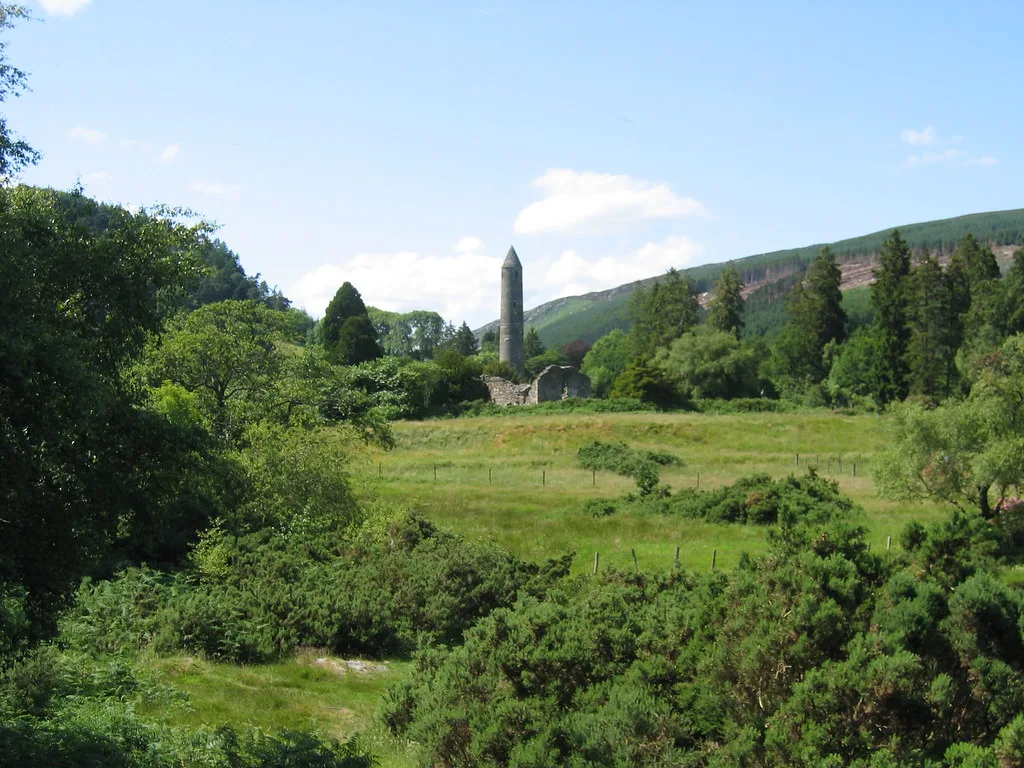
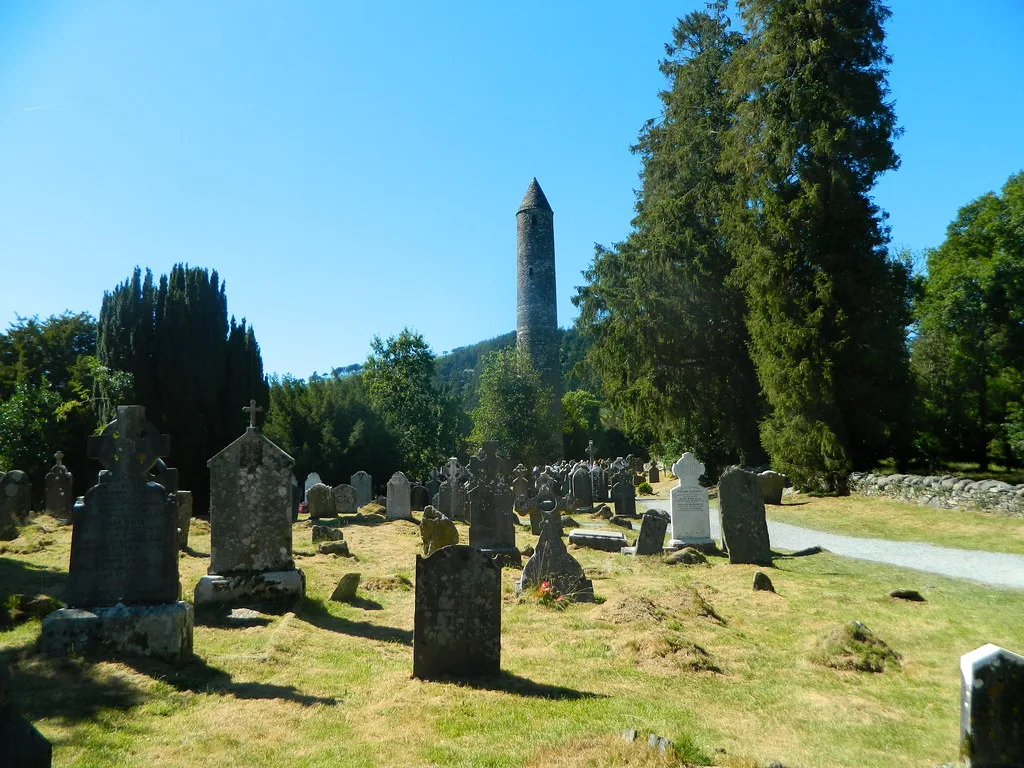
St Kevin founded Glendalough’s monastery in the sixth century. Its surviving remains include a round tower, medieval stone churches and decorated crosses. These buildings belong to different phases of the settlement, so the foundation date should not be taken as the date of everything you see.
Begin with the visitor centre if you want an introduction before exploring the ruins. The centre is accessible, but the graveyard is difficult for wheelchair users. The contrast between indoor interpretation and the layout outside makes Glendalough a useful first encounter with monasteries in Ireland.
Viking Settlement on King’s Island, Limerick
Limerick’s early history has several stages. The King John’s Castle account distinguishes ninth-century raids, a temporary ship camp in 861 and a permanent settlement generally dated to 922 on King’s Island. It also describes trade and craftsmanship, broadening the familiar picture of Vikings as raiders. For the full context of the site itself, see this Limerick heritage guide to King John's Castle, Limerick: A Visitor Guide to the Riverside Fortress.
The standing castle belongs to later history. Its position helps explain an earlier settlement layer, but the surviving walls should not be mistaken for Viking construction. A useful question here is how successive communities used the same strategically placed ground.
Medieval Defence at Cahir Castle, County Tipperary
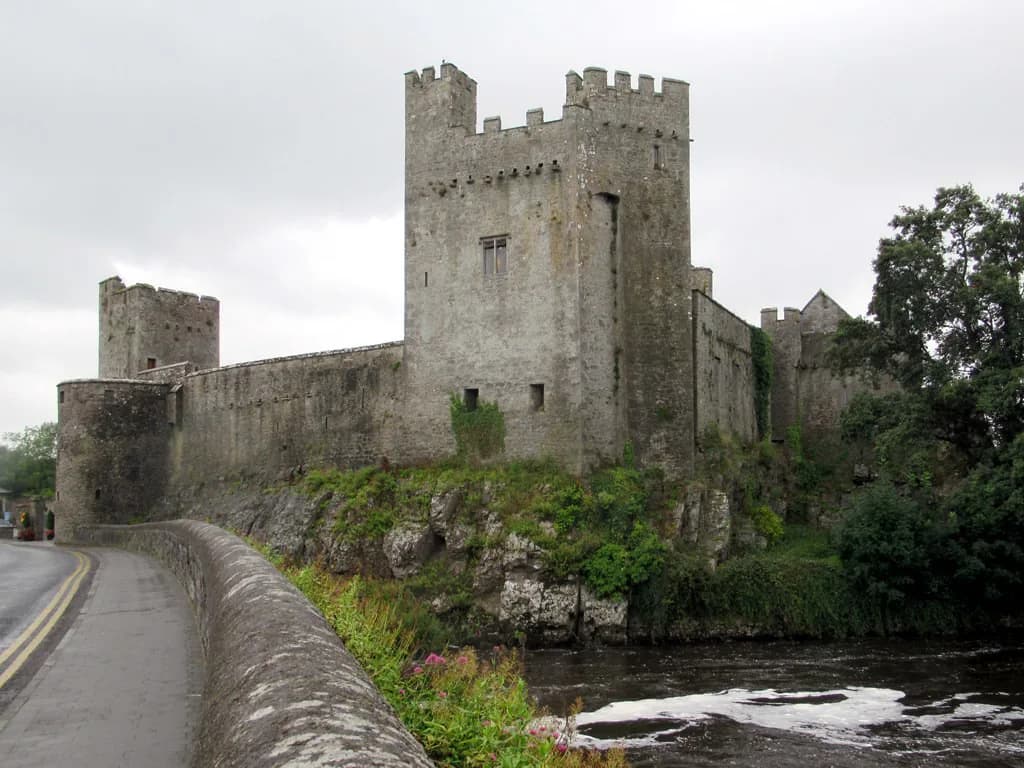
Cahir Castle was built in the thirteenth century on a rocky island in the River Suir and became a Butler stronghold. Much of its original structure remains. Look at the relationship between the water and the defensive building: the setting is part of the explanation, not simply a backdrop.
The castle fell to Essex in 1599 after heavy artillery was used against it, and it faced further sieges during the Confederate Wars. An audiovisual presentation supplies historical context. Uneven walkways and limited access are practical considerations for visitors with mobility needs.
The Battle of the Boyne at Oldbridge, County Meath
In 1690, William III and James II commanded opposing armies at Oldbridge. The Battle of the Boyne involved the British throne, religion in Ireland and the wider balance of power in Europe. Keeping those connections in view helps explain why this battlefield has significance beyond its immediate surroundings.
As of October 2026, Oldbridge House is closed and the current visitor experience is in the adjoining stable yard. Plan for the stable-yard experience rather than an interior tour of the house, and check current access details with the operator when booking.
Famine Records at Strokestown, County Roscommon
The National Famine Museum at Strokestown draws on estate records to explore the lives of landlords, tenants and cottiers. Its archive contains more than 55,000 original famine-era documents. These records bring land, hunger and displacement into focus through individual lives and the decisions that affected them.
A guided house tour adds a different perspective on household and servants’ lives. Choose the museum, house tour or a combination according to your interests and the available ticket options. The woodland is closed for works, with no firm reopening date in the operator’s October 2026 notice; leave it out of the visit for now.
Prison and Political History at Kilmainham, Dublin
Kilmainham opened as Dublin’s county gaol in 1796 and operated until 1924. It held ordinary men, women and children as well as political prisoners associated with rebellions, the War of Independence and the Civil War. Its history therefore includes everyday imprisonment alongside the struggle over Ireland’s government.
Entry is by pre-booked guided tour, with the operator suggesting about 90 minutes for the visit. Some of the route is outdoors and the interior is cold in winter. Allow time for both the prison and museum, and dress for those conditions.
From the 1921 Treaty to the Irish Free State
The Anglo-Irish Treaty was signed on 6 December 1921. It took effect on 6 December 1922, when the Irish Free State came into being as a dominion under the Crown. This distinction matters when reading labels about the revolutionary period: the Treaty and the establishment of the state were separate stages.
The Treaty did not create partition. Under its terms, Northern Ireland could opt to remain within the United Kingdom, and it did so. This constitutional context helps place the events interpreted at Kilmainham within a longer political sequence; it is not an additional heritage site.
Choose a Historical Question, Then a Place
For prehistoric monuments, start in the Boyne Valley. For religious settlement, choose Glendalough. Limerick suits an interest in how towns developed, while Cahir makes defensive architecture the main subject. Strokestown offers documentary and household perspectives, and Kilmainham combines a surviving institution with political history.
A visit becomes more useful when you give yourself a question to pursue. Who commissioned this building? What does its layout reveal about authority? Whose account survives in the archive? Those questions work across periods without requiring you to cover the whole country or memorise every date.
Reading the Layers of One Place: What Survives and What Was Replaced
A question that follows naturally from the seven sites above is a practical one for anyone moving between them: when you stand in front of an old building, how much of what you see belongs to the story you came for, and how much belongs to later rebuilding or to a different history altogether? Ireland rewards this kind of reading because several of the best-known sites deliberately hold more than one period, and the official interpretation often asks visitors to separate them. The King John's Castle material is the clearest example: its operator distinguishes the early ninth-century raids, a temporary ship camp in 861, and the permanent Limerick settlement generally dated to 922 on King's Island. The surviving castle itself is described as belonging to later history, not as a Viking-built castle, though its location helps explain the earlier settlement layer beneath the story. Knowing that distinction turns a visit into an exercise in chronology rather than a single dramatic scene. It also guards against a common shorthand: the same source warns against claiming that Dublin, Cork, Wexford and Limerick were all founded in the ninth century.
Cahir Castle offers the same lesson in stone. The Office of Public Works dates it to the thirteenth century and describes it as a Butler stronghold on a rocky island in the River Suir. The castle fell to Essex in 1599 when heavy artillery was used against it and was besieged again during the Confederate Wars. Much original fabric remains, but the useful visitor question, as the OPW frames it, is how a river position and defensive building worked, and how later warfare altered their effectiveness. An audiovisual presentation explains its history, and the site notes uneven walkways and limited access. The trap here is treating all Irish castles as Norman, medieval-only, or intact furnished homes; Cahir is best approached as a working defensive structure whose value changed as siege technology changed. Visitors who arrive expecting a complete picture will miss the point, while those who ask how the river and walls performed will find the site unusually legible. Even the practical warnings about uneven ground are a small reminder that the building was never designed for crowds.
Glendalough asks for the same discipline in a different key. The monastery was founded by St Kevin in the sixth century, and surviving features include a round tower, medieval stone churches and decorated crosses. The visitor centre provides interpretation before the outdoor remains. The essential caution is that not every surviving building dates to the foundation; the visible complex is the product of a long life, not a single moment. The OPW is itself careful about St Kevin's Bed, treating the cave's saintly association as traditional and noting that it might predate him, so the cave is not put forward as a visitor destination. Graveyard access is difficult for wheelchair users, while the visitor centre is accessible. Approaching Glendalough through its visible buildings, rather than through unverified theories about bishops and abbots, keeps the site honest and makes the round tower and crosses easier to read as evidence rather than as emblems.
Taken together, these sites suggest a habit worth carrying across the whole itinerary: ask what period a feature belongs to before deciding what it means. Kilmainham Gaol, which opened as Dublin's county gaol in 1796 and operated until 1924, held ordinary men, women and children as well as political prisoners associated with rebellions and the War of Independence and Civil War, so a single visit spans penal and political history rather than one list of famous names. The OPW requires pre-booked guided access and suggests allowing 90 minutes, with some of the tour outdoors and the interior cold in winter. At Strokestown, the National Famine Museum contrasts landlords, tenants and cottiers through the estate's records, including an archive of over 55,000 original famine-era documents, while the associated house offers a separate guided look at household and servants' lives. Separating museum access, house tours and outdoor areas, as the operator does, is part of the same discipline: distinct spaces hold distinct histories, and the visit is richer when you let them stay distinct.
Make the History Part of Your Visit
Choose a site that fits your route and the kind of evidence you want to explore. Read its introduction before arriving, then compare that account with the objects, buildings or landscape in front of you. Confirm current access on the operator’s website when booking, especially where only part of a property is open. For related reading, explore battle of the boyne and titanic experience cobh.
Explore more Ireland guides
Frequently Asked Questions
Do Newgrange and Knowth require advance booking?
Yes. Monument visits are guided and begin at Brú na Bóinne Visitor Centre. The operator states that pre-booking monument tickets is essential; Knowth’s chambers are not open to the public.
Is Oldbridge House currently open?
As of October 2026, the house is closed. The current visitor experience is in the adjoining stable yard.
Did the Irish Free State begin in 1921 or 1922?
The Treaty was signed in December 1921. The Irish Free State came into being on 6 December 1922 as a dominion under the Crown.
Can I visit Kilmainham Gaol without a tour?
Access to the gaol is by a pre-booked guided tour. Part of the route is outdoors, and the interior can be cold in winter.
Is Strokestown’s woodland part of the current visit?
The operator’s October 2026 notice says the woodland is closed for works, with no firm reopening date. The National Famine Museum and the guided house tour are separate offerings; check current ticket options with the operator when planning.
Sources
- Brú na Bóinne Visitor Centre: Newgrange, Knowth and Dowth | Heritage Ireland
- Glendalough Monastic Site and Visitor Centre | Heritage Ireland
- Viking History new – King John's Castle
- Cahir Castle | Heritage Ireland
- Battle of the Boyne Visitor Centre – Oldbridge Estate | Heritage Ireland
- The National Famine Museum - Irish Heritage Trust
- Strokestown Park | National Famine Museum, Roscommon
- Kilmainham Gaol Museum | Heritage Ireland
- The Anglo-Irish Treaty, 1921
You might also like



Continue reading
More guides you'll find useful


