
Titanic Experience Cobh: A Visitor Guide to the White Star Line Building
Titanic Experience Cobh is a guided walk-through in the original White Star Line ticket office. Here is how the visit unfolds and what to know before booking.
On this page
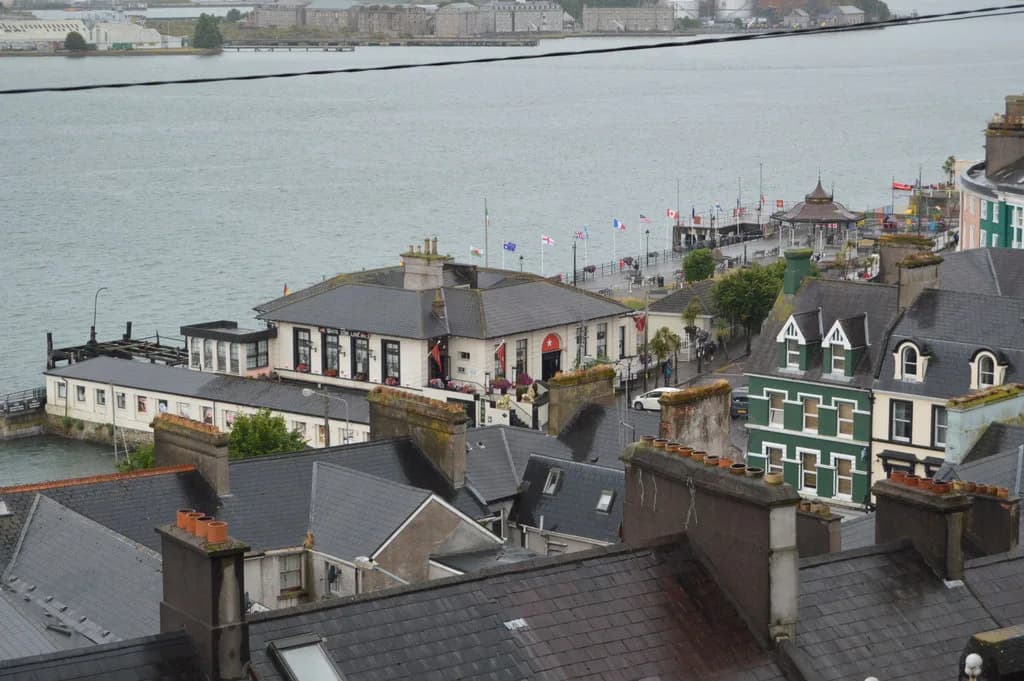
Titanic Experience Cobh is a guided visitor attraction inside the original White Star Line ticket office on Cobh's waterfront, at 20 Casement Square. It is not a conventional museum you wander at will: a guide leads you through the story of the passengers who boarded RMS Titanic at Queenstown, and you then explore an exhibition area independently. That structure is worth knowing before you book, because your arrival time sets the pace of the visit.
The setting does much of the work. The building is the original White Star Line ticket office, the point from which the final Queenstown passengers departed, and the attraction sits harbour-side in Cobh, which the operator describes as about 30 minutes from Cork city centre. If you are weighing up which heritage sites in Ireland to build a day around, this one rewards an interest in emigration and maritime history rather than a quick photo stop.
What Titanic Experience Cobh Actually Is
The attraction combines two things: a guided walk-through built around real passenger stories, and an exhibition area you view at your own pace afterwards. The operator describes it as a guided tour retracing the footsteps of Queenstown passengers, using eyewitness accounts of the disaster. Expect narrative and staging rather than glass cases alone, with a guide carrying the story from room to room before you are released into the displays.
The guided element is short. One regional tourism listing puts it at about 35 minutes, while a family-attractions directory says 30, so treat the figure as roughly half an hour and plan the exhibition time on top. Because the format depends on a guide, arriving at the time on your ticket matters more than it would at a free-flow museum.
Why the Location Carries the Story
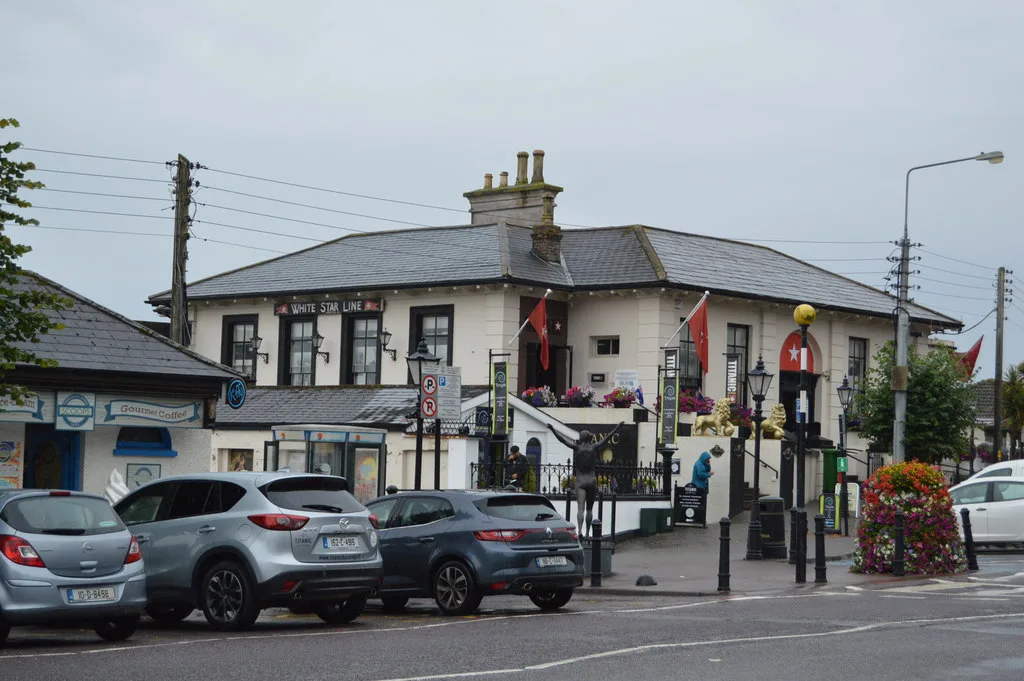
Cobh, then called Queenstown, was Titanic's final port of call before the liner crossed the Atlantic. According to the Ring of Cork listing, 123 passengers came to the White Star Line ticket office there on 11 April 1912 and were the last to join the ship. The building you enter is that ticket office, which is why the address matters as much as the exhibits inside.
That detail connects the attraction to a broader story of Irish emigration through Cork Harbour. A separate museum nearby, Cobh, The Queenstown Story, covers emigration from the harbour in depth, and Cobh's waterfront setting makes the departure point legible in a way an inland exhibit could not. Readers interested in the wider context of Irish history can place this dock-side story within a much longer sequence of departures, migrations and arrivals.
How the Visit Unfolds
On check-in you receive a boarding card carrying the name of one of the 123 passengers who came to the ticket office that April day. The guide then leads you through the process of boarding the tenders and joining Titanic for its maiden voyage to New York. It is a simple device, but it turns a familiar disaster narrative into an individual story you follow from the start.
Along the way the presentation contrasts conditions for first- and third-class passengers. During the sinking sequence, the Ring of Cork listing describes a cinematographic experience meant to convey the chill of the event. Visitors should read this as an interpretive set-piece, not a documentary record of any single cabin or passenger.
A published first-person account notes that the visit follows a guided sequence of rooms and ends with a story room where you look up what became of your assigned passenger. That account also mentions the desk could move a booking to a different time slot on request, which is useful if your travel plans shift. Treat such flexibility as a courtesy rather than a guaranteed policy.
The Exhibition and the Objects on Display
After the guided portion you move into an exhibition area with audio-visual presentations and story boards covering the events that led to the sinking. The Ring of Cork listing also records displays on the role of RMS Carpathia in rescuing survivors, the British and US inquiries that followed, and the discovery of the wreck. Allow time here even if the guided walk feels brief.
The recorded objects are a modest but specific set: material from Carpathia, items from the Odell Family Collection, and original serving pieces from the White Star Line fleet of the early twentieth century. These sit alongside audio-visual presentations and story boards, and the displays are not a comprehensive museum collection. If object-led history is your priority, other museums in Ireland hold larger collections.
Heartbreak Pier and the View to the Water
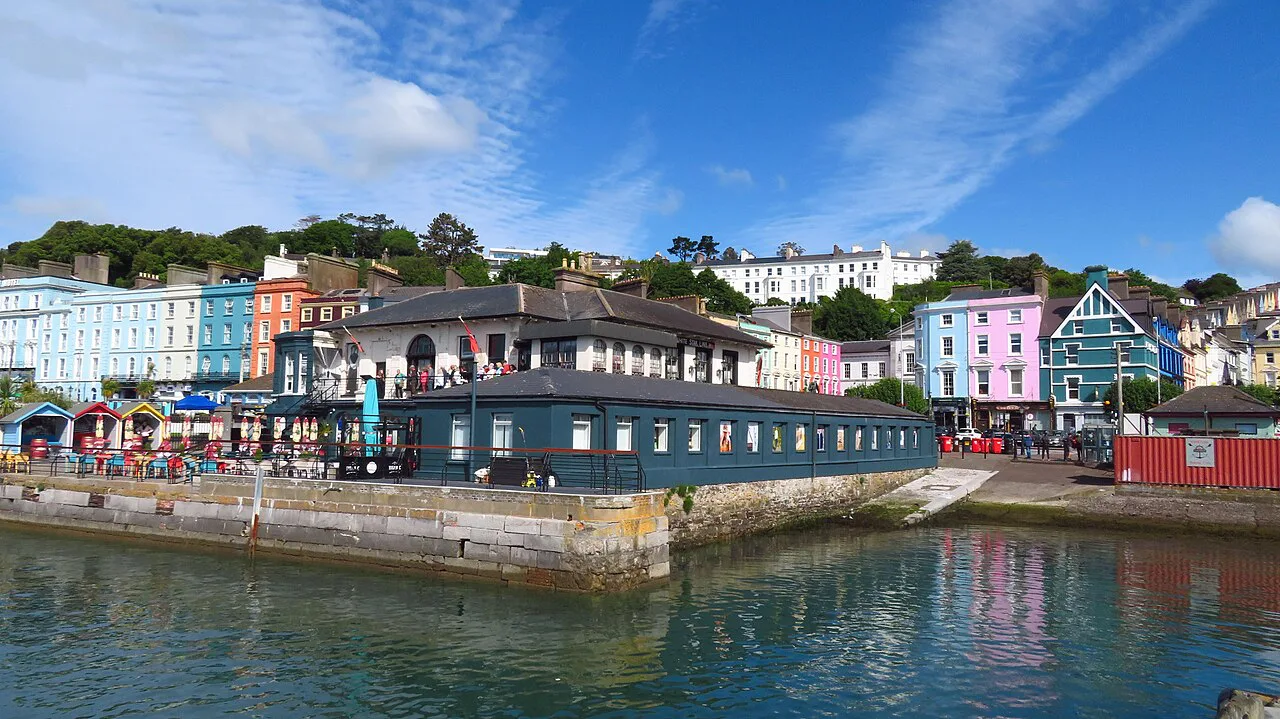
During the guided journey you are shown the original pier, known as Heartbreak Pier, described as the last point of land contact for the Queenstown passengers. The pier is viewed as part of the experience rather than entered as a separate site, so do not plan a standalone outing there expecting independent access. This is one of the points where the harbour setting adds something the exhibits cannot.
The Building's Own History
The structure housing the experience is the original White Star Line ticket office, with a history one directory traces to the early nineteenth century. It served as a departure point for many thousands of White Star Line passengers over time, not only the Titanic group. That longer record is worth holding in mind while the presentation concentrates on a single voyage.
For a sense of how a single event can be told through a guided route rather than a static display, the Battle of the Boyne Visitor Centre on the Oldbridge Estate offers a useful comparison from Ireland's heritage landscape. It is a different event in a different place, but reading its account alongside this one shows how much depends on the story a site chooses to tell.
Practical Access: Hours, Address and Booking
The operator publishes daily opening from 10:00 to 18:00, with last admission at 17:00. Tickets and times are handled by the operator, so check the current hours and the booking page directly before you travel, especially outside the main season. Admission is by timed slot, and a published account notes that slots can sell out. Booking ahead is the simplest protection against arriving to a full tour.
The address is 20 Casement Square, Cobh, County Cork, and the building sits harbour-side within the town rather than on an out-of-town estate. If you are combining several sites in one day, keep the guided time slot fixed and put flexible stops around it. That is the most practical way to use the approximate half-hour guided element without rushing the exhibition afterwards.
Do not budget for admission on the basis of older published figures; independent listings may carry undated prices that no longer match what the operator charges. Confirm the current ticket price when you book. If you are travelling as a group, check the operator's own site for group bookings rather than relying on third-party listings.
Nearby Context for Planning a Day in Cobh
Cobh, The Queenstown Story is a separate attraction with its own admission, not part of the Titanic Experience ticket. It covers Irish emigration through the port across more than a century and fills in the wider migration story that the Titanic narrative touches only briefly. Visiting both gives a fuller picture of why so many people passed through this harbour. The Cobh Heritage Centre is the place to look for that context. If you want to compare how the city's collections tell Cork's maritime and emigration stories, see this guide to museums in Cork.
For separate historical reading, explore our guides to the Battle of Kinsale and the Treaty of Limerick. Those links concern different places and events, rather than stops within the Titanic Experience. For your own Cobh plans, consider how much time you want to reserve for this attraction before adding other bookings.
Plan Your Visit
Titanic Experience Cobh works best when you book a time slot, arrive with the guided format in mind, and leave room afterwards for the exhibition and the harbour view. The building's identity as the White Star Line ticket office is the reason the story lands, so the visit is as much about place as about objects. Travelers heading for Belfast's Titanic museum should treat the two as different experiences rather than substitutes.
Check the operator's current hours, last admission and ticket price before you set out, then plan the rest of your Cobh day around that fixed booking. If your interests extend to Ireland's broader story of land, departure and commemoration, the Irish History You Can Visit guide covers sites across the country, from ancient monuments to later battlefield landscapes.
Explore more Ireland guides
Frequently Asked Questions
Is the visit to Titanic Experience Cobh guided or self-guided?
It is both. A guide leads the first part of the visit through the passenger story, and afterwards you explore an exhibition area with audio-visual presentations and story boards at your own pace. Arriving at your booked time matters because the guided portion starts as a group.
How long does the guided part last?
Published listings give figures of roughly 30 to 35 minutes, so treat it as about half an hour. The exhibition area afterwards is not timed, and most visitors spend additional time there reading passenger stories and viewing the artefacts.
Where is Titanic Experience Cobh located?
It is at 20 Casement Square in Cobh, County Cork, inside the original White Star Line ticket office on the waterfront. The operator describes the town as about 30 minutes from Cork city centre.
What are the opening hours?
The operator publishes daily opening from 10:00 to 18:00 with last admission at 17:00. Hours can change by season, so confirm the current times on the operator's own site before travelling rather than relying on third-party listings.
Do you need to book in advance?
Admission is by timed slot and slots can fill, so booking ahead is the safer choice. A published account notes that staff were able to move a booking to another time on request, but that is a courtesy rather than a guaranteed policy.
What artefacts are on display?
The listed objects are material from the RMS Carpathia, items from the Odell Family Collection, and original serving pieces from the White Star Line fleet of the early twentieth century. These sit alongside audio-visual presentations and story boards rather than forming a large standalone museum collection.
Can you visit Heartbreak Pier separately?
The pier is shown during the guided experience as the last point of land contact for the Queenstown passengers. You view it as part of the visit rather than entering it as an independent site, so plan it as one stop within the tour rather than a separate outing.
Is Cobh, The Queenstown Story included in the ticket?
No. It is a separate nearby museum with its own admission, covering Irish emigration through Cork Harbour over a much longer period. Visiting both gives a fuller picture, but check each venue's current price and hours separately.
Sources
You might also like



Continue reading
More guides you'll find useful





