
Irish National Heritage Park: A County Wexford Guide
Plan a visit to the Irish National Heritage Park in County Wexford, an open-air walk through 16 reconstructed sites spanning roughly 9,000 years.
On this page
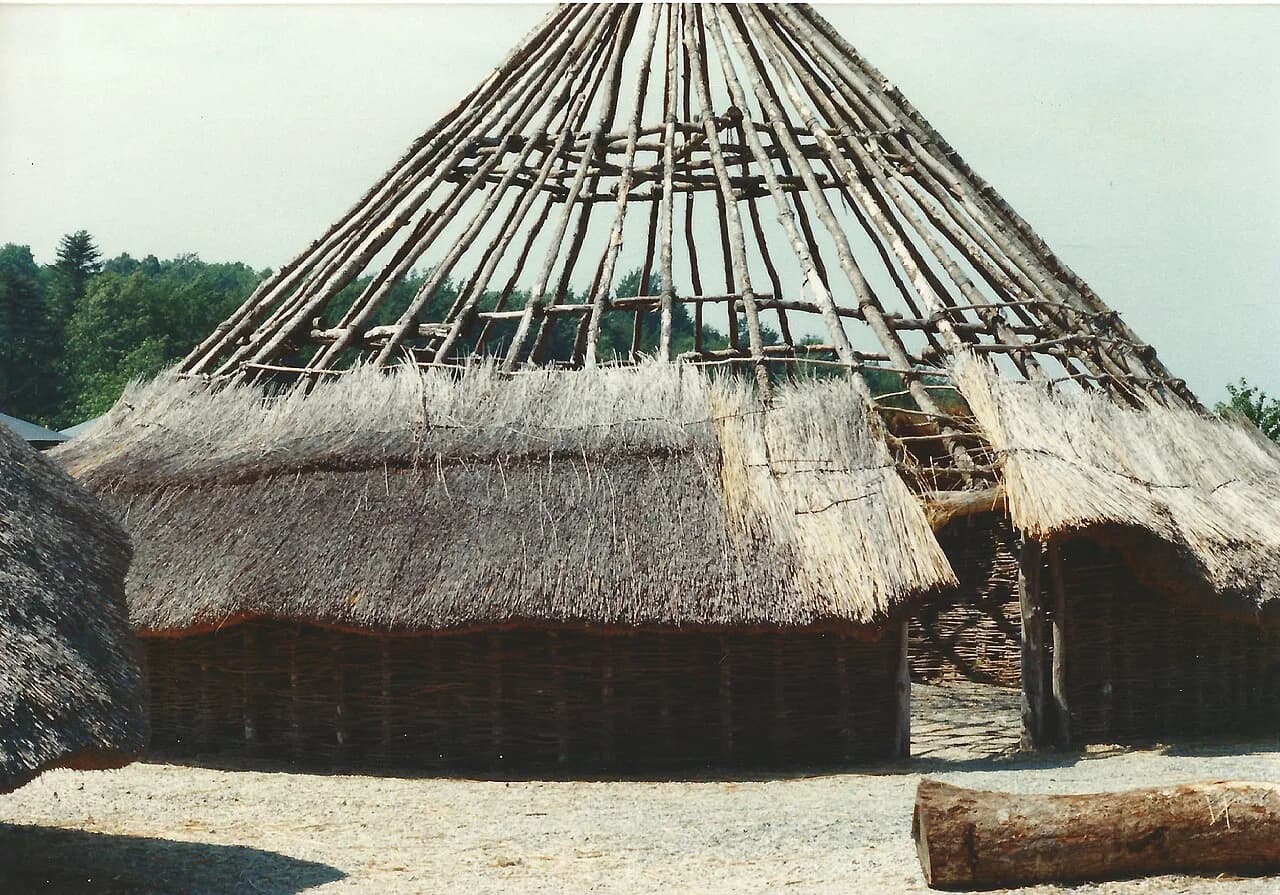
The Irish National Heritage Park is an open-air history site in County Wexford where reconstructed buildings and monuments trace roughly 9,000 years of settlement across 35 acres of hillside, woodland and riverbank, according to the operator. It is a walk-through experience among reconstructed sites rather than an indoor display, so weather and ground conditions belong in your planning.
The layout is built around comparison rather than one showcase building: the operator explains that the park began as a way to set a Stone Age settlement beside a Viking one and see what differed and what they shared. That makes it a structured introduction to Irish settlement history, useful before or after visiting original monuments.
The Idea Behind the Park
The park was conceived so visitors could contrast everyday life at different points in Irish history instead of looking at objects behind glass. The operator frames this as comparing settlements and asking where lifestyles overlapped. That premise explains why the site reads as a sequence you move through on foot rather than a single hall.
For travellers assembling a wider itinerary, this comparative approach complements places where you see original stone and earthworks. The reconstructions help you picture what fragments of a real monument might once have supported. If the park leaves you wanting the originals, our guide to ancient sites in Ireland covers the tombs and forts that inspired these buildings.
The distinction between an open-air reconstruction site and a collecting museum is the other useful frame. A gallery holds original objects under one roof, while this park asks you to move between buildings in the open, so the two suit different moods and weather. Travellers who want an indoor archaeology stop as well can plan a museum visit alongside a Wexford day out.
The 16 Reconstructed Sites
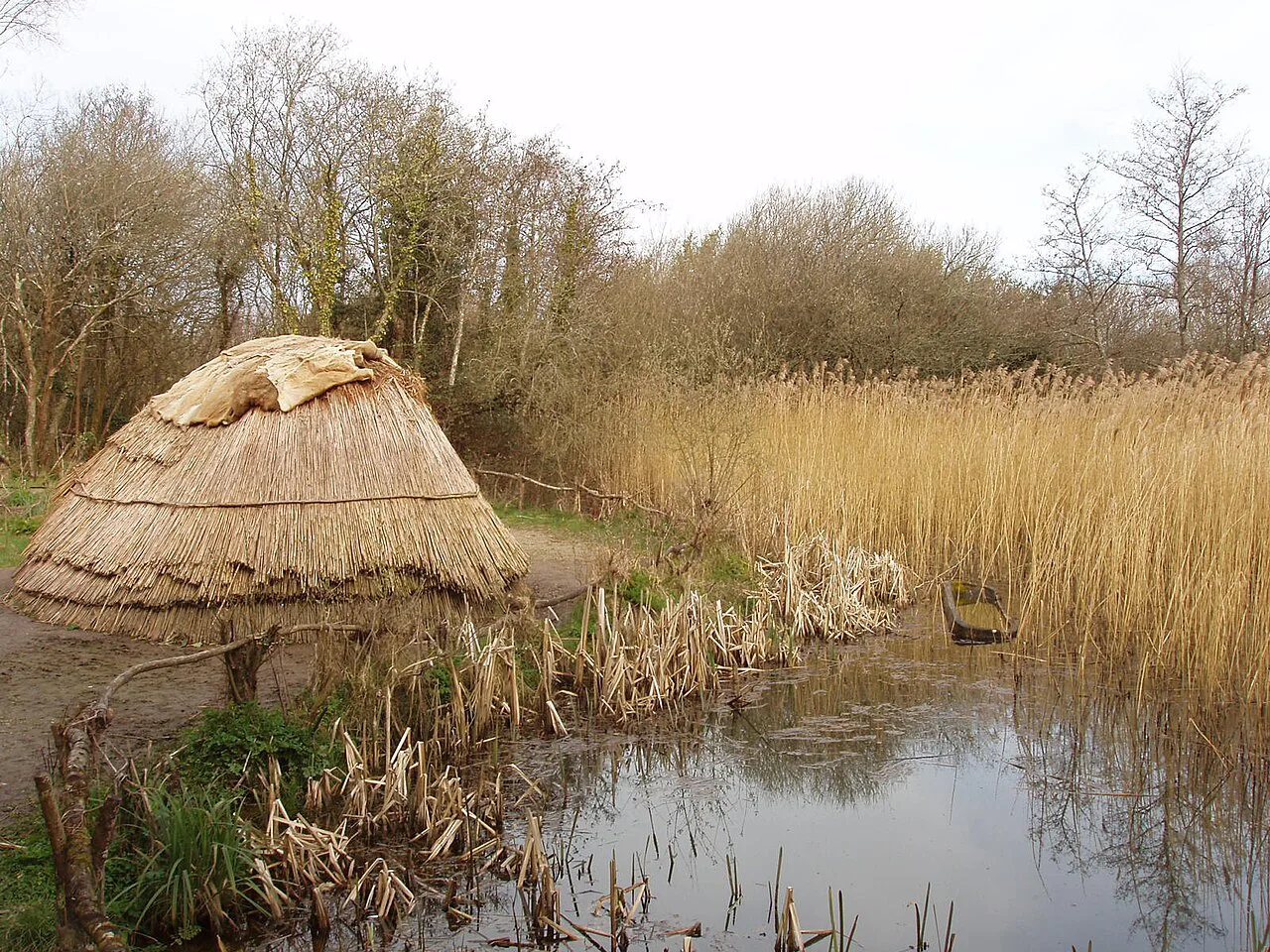
The park's own website lists 16 reconstructed sites and names the Dolmen, the Fulacht Fiadh, the Crannog and the Viking Ship among them. These labels cover very different kinds of place, and walking between them means meeting a range of building traditions rather than one type of structure.
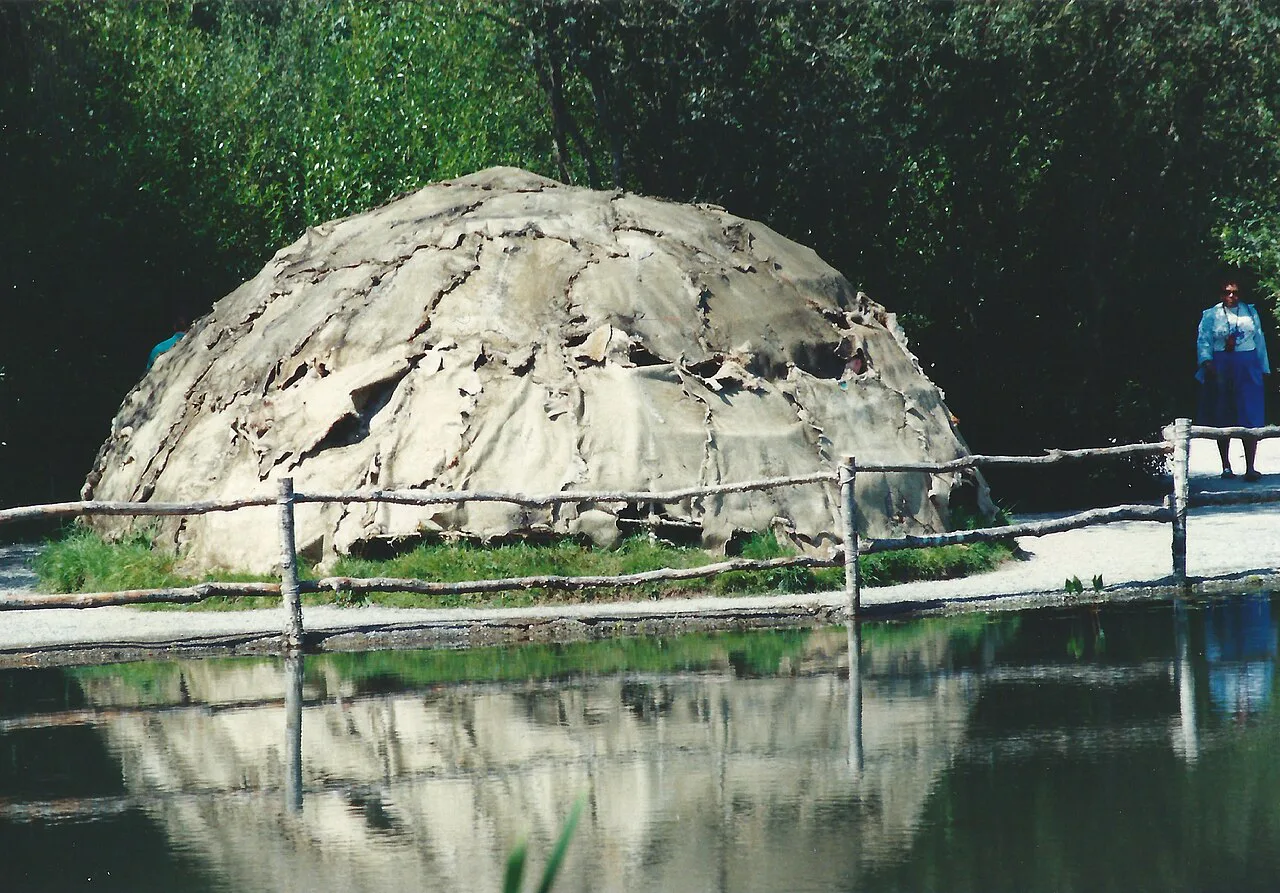
Treat these as interpretation rather than excavated originals. Their value lies in showing scale and construction ideas in three dimensions. Visitors who also want authentic prehistoric fabric should pair the park with a genuine monument among Ireland's ancient sites; the honest trade-off is that reconstructions are instructive but are not archaeological evidence in themselves.
An independent outdoor-routes listing corroborates the general character of the site, describing an open-air setting with representations of prehistoric settlement, early Christian life, and the Viking and Norman eras, including a castle, a monastery, Viking houses and ring forts. It is a third-party description, useful as a cross-check on broad eras and building types rather than as an official inventory.
Eras on Display
The park's span runs from prehistoric settlement through early Christian life to the Viking and Norman periods, the sequence the operator describes and the routes listing echoes. Within that arc, the named reconstructions give concrete anchors, including the crannog, the Viking ship and the monastery.
Later conflicts reshaped the same island, and visitors who want to follow that thread can continue to the Battle of the Boyne Visitor Centre, where a different kind of story takes over. The comparison is loose but useful for seeing how invasion and settlement overlap in Irish history.
For a separate historical attraction, read our guide to Titanic Experience Cobh. Use it as a distinct planning option rather than treating another attraction as part of the Heritage Park visit. Choose the subject that interests you and compare each guide’s own visitor information before committing to another stop.
Landscape as Part of the Story
The operator places the park on 35 acres of native woodland and marsh, from hillside to estuary and shoreline. That setting is not just scenery; it sets the pace and dictates footwear. Expect uneven ground and exposed stretches, and allow for mud after rain.
Because the site is landscape-based, weather shapes the day more than at an indoor museum. Sturdy shoes, a rain layer and a realistic sense of how long you want to be outside are more useful than a tight schedule.
Guided Tours, Events and Birds of Prey
The operator publishes guided tours, a what's-on calendar, birds of prey and themed experiences such as Daily Life in the 10th Century. These are programming items rather than permanent guarantees, so the events calendar on the official site is where to confirm what is running when you plan to visit.
A guided tour can suit visitors who want the comparative idea explained. Check the calendar and booking page for what the operator publishes, and decide based on how much interpretation you want against exploring at your own pace, with current arrangements confirmed on the official site.
On-Site Facilities
The operator mentions a restaurant and café and a gift shop among on-site offerings, and publishes a park map. Hours, menus and stock are not confirmed here, so check the official site before relying on them.
More important practical preparation is confirming tickets and opening arrangements with the operator. The official site handles booking and publishes the park map, which you can use to plan a route through the reconstructed sites instead of back-tracking.
Arriving on Foot or by Bike
The park sits in County Wexford, and precise directions should come from the operator's own location information rather than guesswork. An independent routes platform lists loop walks and rides passing the park, useful evidence that waymarked routes connect to it, though that page does not confirm facilities, parking or opening details.
Travellers without a car should check the operator's published location details before committing to a plan. A local route listing is a starting point for a walking or cycling approach, not a substitute for checking how you will actually get there.
Who the Park Suits
The park suits travellers who want a structured, landscape-based introduction to Irish settlement history and are prepared to be outside for much of a visit. It is less rewarding for anyone seeking original fabric or a quick indoor stop.
Families and first-time visitors often find the comparative layout easier to follow than dispersed archaeological sites, while specialists will read the reconstructions as illustrations rather than sources. Both approaches work on a single visit if expectations are set in advance. Those weighing a reconstructed site against the real thing can also look at the castles in county galway, where original stonework survives in the open.
Two Practical Checks Before You Travel
First, confirm tickets and opening arrangements on the operator's site. Current prices, hours and tour times are not stated here, and third-party figures may be out of date. Second, check the what's-on calendar for guided tours, birds of prey and themed programming, since these vary by season.
Beyond those checks, plan for the outdoors: appropriate footwear, a rain layer and enough time to walk the full sequence of reconstructed sites. Use the park's map to organise the route so the eras build on one another.
Plan Your Visit
The Irish National Heritage Park is best understood as a walk through 16 reconstructed versions of Irish settlement, set across 35 acres of woodland, marsh and shoreline. For travellers building a trip around Ireland's history, it works as context-setting before visiting original monuments. The visit rewards those who accept reconstructions as interpretation and plan for the weather.
Confirm current practical details on the official site before setting out, and treat third-party commentary as a cross-check rather than a schedule.
Explore more Ireland guides
Frequently Asked Questions
What is the Irish National Heritage Park?
It is an open-air history site in County Wexford where reconstructed buildings and monuments trace roughly 9,000 years of Irish settlement. The operator describes a journey through 16 reconstructed sites set across 35 acres of hillside, woodland and riverbank, made on foot outdoors rather than in indoor galleries. The park's own website publishes the park map and the booking route.
Are the buildings at the park original or reconstructions?
They are reconstructions. The operator presents them as a way to compare how people lived at different points in Irish history, from a Stone Age settlement to a Viking one, and names specific types such as the dolmen, fulacht fiadh, crannog and Viking ship. Treat them as interpretation rather than excavated originals, and pair the park with genuine monuments if you want to see authentic prehistoric fabric.
Do you need a guided tour to visit the Irish National Heritage Park?
The operator publishes guided tours and themed programming such as Daily Life in the 10th Century, and these can help first-time visitors understand the comparative idea behind the layout. Scheduling varies, so check the what's-on calendar on the official site for what is running when you travel.
Can you reach the Irish National Heritage Park on foot or by bike?
An independent routes platform lists loop walks and rides that pass the park, which indicates waymarked routes connect to it. That listing is not an official visitor source and does not confirm facilities, parking or opening arrangements. For precise directions and any transport questions, use the operator's own published location information before committing to a plan.
Sources
You might also like



Continue reading
More guides you'll find useful





