
Battle of Aughrim: Visitor Centre, Battlefield and Historical Context
Plan a trip to the Aughrim battlefield in east Galway, with its seasonal visitor centre, displays and trails, plus the wider Jacobite war context.
On this page
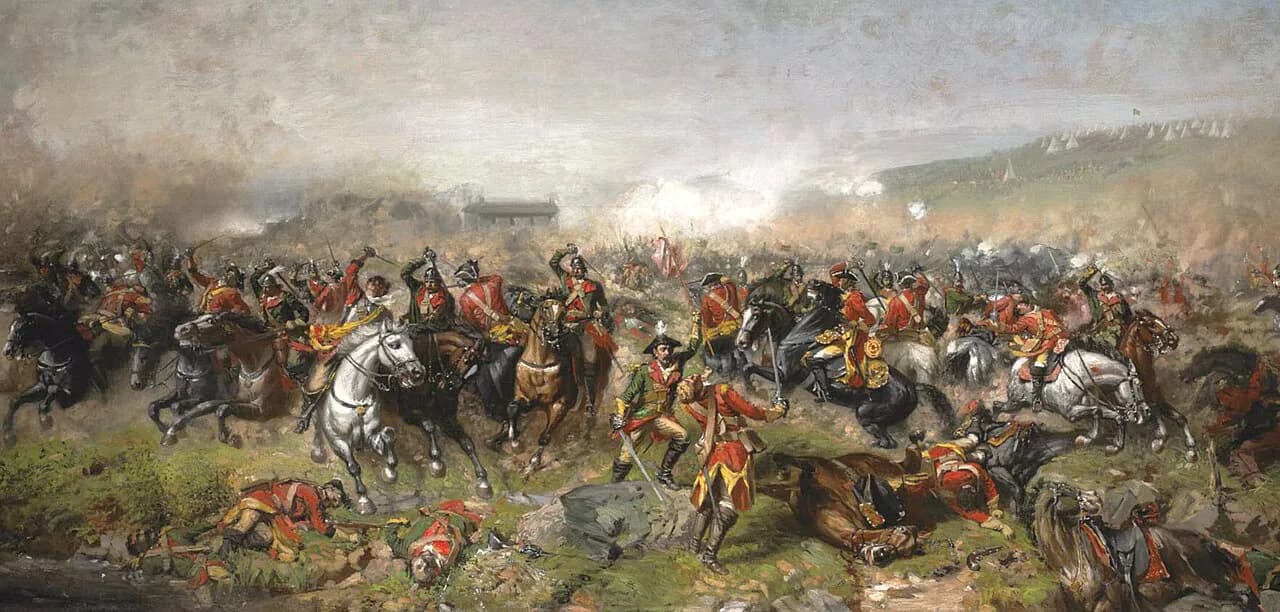
The Battle of Aughrim was fought on 12 July 1691 in eastern County Galway, between the Irish army of James II and the combined forces of William III, according to Galway City Museum. The village of Aughrim now holds a seasonal interpretive centre, which Galway County Council describes as located just off the N6 and Exit 15 on the M6 Dublin to Galway motorway, where the story of the engagement is told.
It helps to treat three things separately: the battlefield landscape, the visitor centre with its May to September season, and the wider war that continued after Aughrim until the Limerick settlement in October 1691. As of 23 October 2026 the centre is outside its advertised season, so travellers should confirm the current position with the Council before assuming indoor displays are available; no reopening date beyond the advertised season is published.
Why the Battle of Aughrim Mattered
Galway City Museum describes Aughrim as the decisive and bloodiest battle of Ireland's Jacobite war of 1689 to 1691, fought between James II's Irish army and William III's forces. The same page notes that the thunder of battle was said to be heard some 30 miles away in Galway city, a characterisation of its scale rather than a figure to plan around.
Galway County Council frames the engagement around three rival European monarchs, William of Orange, James II and Louis XIV, competing for control of Ireland, with more than 35,000 soldiers involved. It also connects Aughrim to other Williamite War events, including the Battle of the Boyne, the sieges of Athlone and Limerick, and the Flight of the Wild Geese. For the wider campaign that preceded Aughrim, the Battle of the Boyne guide covers the earlier 1690 engagement in County Meath.
Characterisations deserve care. The Council's 2025 Summer Ready report calls Aughrim "Ireland's Gettysburg", while Galway City Museum calls it the last great battle in these islands; both are interpretive labels used by their publishers, not neutral measurements. They sit alongside the documented fact that the war did not end on the field. Aughrim as a turning point within the Williamite–Jacobite conflict is well supported; Aughrim as the war's absolute end is not.
Inside the Battle of Aughrim Visitor Centre
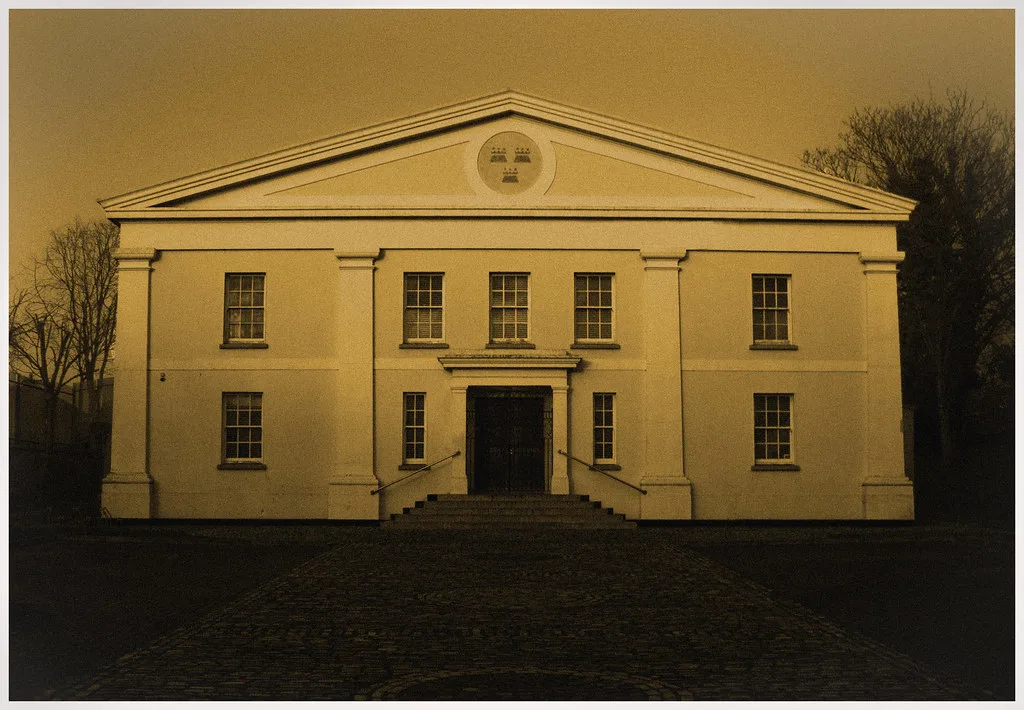
The Council's report describes an interpretive centre built around detailed displays on each of the three kings and their armies, using intricate illustrations and large-scale models to show stages of the day. It also mentions a film presentation, "Dalton's Letter", and historical re-enactments as part of how the story is told. The report is a 2025 summary rather than a live exhibit list, so check with the centre before travelling if a particular display is your reason for going.
The operator page sets out what the centre aims to explain: not only the battle itself but its connections to the Boyne, the sieges of Athlone and Limerick, and the departure of troops for Europe known as the Flight of the Wild Geese. That framing is useful for planning, because it presents the centre as a gateway to a wider campaign rather than a single-day exhibit. Group, school and educational tour enquiries are directed to the Council's battle email address rather than a general tourist office.
The Council's published seasonal schedule runs the centre from May to September, Tuesday to Saturday 10:30 to 16:30 with last admission at 16:00, and Sunday 14:00 to 17:00 with last admission at 16:30, closed Mondays. Those times belong to the advertised season only and should not be read as year-round opening. The Council's centre page does not publish ticket prices or booking requirements.
On the Ground: Tours and Trails
After a self-guided tour of the centre, the Council's report says visitors can take a walk along the Historical Trail or the Battlefield Trail. The two names suggest different emphases, one on the story and one on the ground itself, but the report does not publish route lengths, surfaces or walking times. Treat the choice as something to settle on site or by enquiry rather than something you can budget precisely in advance.
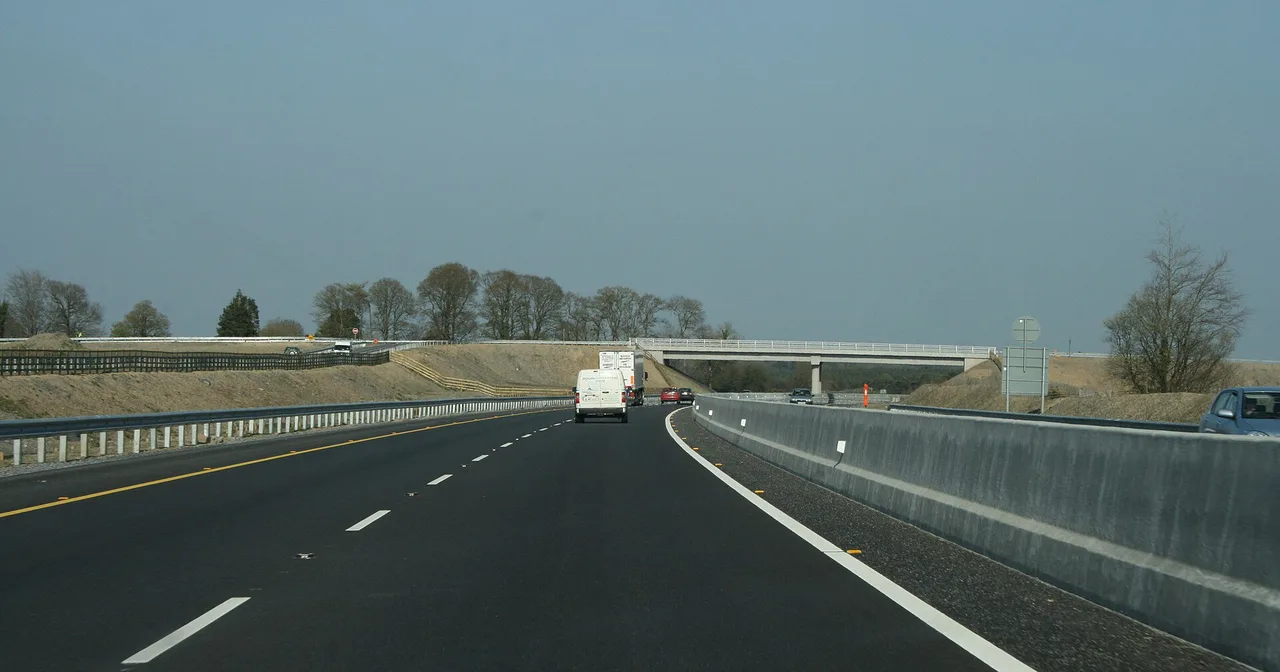
The village location is straightforward to place on a map: the Council puts the centre in Aughrim village, just off the N6 and Exit 15 on the M6, approximately 7 km from Ballinasloe and 22 km from Loughrea. Those are road reference points, not walking distances from the village centre or from any car park. If your wider itinerary leans toward medieval towns and tower houses, castles in County Galway offers a different layer of the same region's history.
Reading the Field Through Photographs
Galway City Museum's online page on the battle is built around photographs by Nic Dunlop, taken over a six-year period between 2016 and 2022. Dunlop describes working in ordinary, empty fields and a patch of bog around Aughrim, photographing in winter to reflect the aftermath, which makes the page a useful counterweight to any expectation of a dramatic monument. It is an online exhibition of photographs, not a physical installation at Aughrim, so read it before or after a visit rather than as a stop on the ground. For the museum behind it, see this Galway heritage guide to Spanish Parade.
That photographic approach is a reminder that battlefields often survive as farmland and minor roads rather than as marked set pieces. If you are building a wider itinerary around how Ireland interprets its past, the museums in Ireland include institutional collections that supply the objects and documents behind events like this one.
After Aughrim: Limerick and the Wider Endgame
Aughrim did not close the war. The CELT project at University College Cork holds the text of the articles agreed on the third day of October 1691 at Limerick, between Ireland's lords justices and the Williamite commander Baron de Ginkel on one part and named commissioners acting for the Irish inhabitants of Limerick and several counties on the other, covering the surrender of the city and terms for the Irish army. Reading it clarifies why Aughrim is a chapter rather than an ending; it is a document of the settlement, not an account of the fighting at Aughrim.
The military articles in that document allowed those willing to leave Ireland free passage to countries beyond the seas, with ships, passports and convoys arranged for troops going to France. That provision is the administrative backdrop to the Flight of the Wild Geese that the Aughrim centre links into its narrative. For the site itself, the treaty of limerick page follows the same settlement from the city where it was concluded, useful if you want to pair the two places in one reading of the campaign.
Practical Planning: Season and Timing
The single most important planning fact is the season. The Council advertises the centre as open from May to September each year, so as of 23 October 2026 it is out of season and should not be treated as currently open. Anyone visiting outside those months should contact the Council directly about access to the village location and the battlefield landscape rather than planning on indoor interpretation.
Within the season, build your day around the published hours rather than around arrival time: last admission falls at 16:30 on Sundays and at 16:00 on other open days, which leaves a shorter window for anyone also walking a trail. Mondays are closed according to the Council's schedule. Enquiries about school, group or educational visits go to the centre's Council email address, which is the right route if you need something arranged in advance.
The centre has been the subject of a digital development project, with the Council reporting work on a new promotional website, an online booking system and related social channels through Fáilte Ireland appointed consultants. Official online information may therefore change, so if a page looks out of date, contact the centre directly rather than relying on a third-party listing.
Approaching Aughrim as History in a Landscape
The most honest way to plan a trip around the Battle of Aughrim is to separate what is reliably there from what depends on timing. The landscape and village are the constant; the interpretive centre is a seasonal resource with published hours, a Monday closure and group arrangements made by email to the Council. If your dates fall outside May to September, as they do on 23 October 2026, scale your expectations accordingly rather than assuming access.
Reading the museum's photographic work and the Limerick articles before you go helps the fields make more sense when you arrive. If this visit is part of a longer look at Ireland's story, the irish history collection links monuments, monasteries and battlefields that each hold a different piece of it.
Explore more Ireland guides
Frequently Asked Questions
When was the Battle of Aughrim fought?
The battle is dated to 12 July 1691 and was fought in eastern County Galway, according to Galway City Museum and Galway County Council. It came during the Jacobite war of 1689 to 1691, and the war continued afterwards until the Limerick settlement in October 1691.
Is the Battle of Aughrim Visitor Centre open all year?
No. The Council advertises a seasonal opening from May to September. As of 23 October 2026 it is outside that season, so check with the Council before travelling if indoor displays matter to your visit.
What are the visitor centre's opening hours?
During its advertised season the Council's published schedule is Tuesday to Saturday 10:30 to 16:30 with last admission at 16:00, and Sunday 14:00 to 17:00 with last admission at 16:30. Mondays are closed. Confirm the current schedule directly with the centre before you go.
What can you see inside the Aughrim visitor centre?
The Council's 2025 report describes detailed displays on the three rival monarchs and their armies, intricate illustrations and large-scale models showing stages of the battle, the "Dalton's Letter" film and historical re-enactments. Because exhibits can change, ask the centre if a particular display is your reason for visiting.
Can you walk the Aughrim battlefield?
The Council's report says visitors can follow either a Historical Trail or a Battlefield Trail after the self-guided tour. Route lengths, surfaces and walking times are not published, so ask on site or in advance if you need to plan around mobility or time.
How does Aughrim relate to the Treaty of Limerick?
Aughrim was a decisive battle within the war, but the war ended with the articles agreed at Limerick on the third day of October 1691, which covered the surrender of the city and terms allowing troops to leave for France. The treaty text describes the settlement, not the fighting at Aughrim.
Where is the visitor centre located?
It is in Aughrim village in County Galway, just off the N6 and Exit 15 of the M6 Dublin to Galway motorway, approximately 7 km from Ballinasloe and 22 km from Loughrea. These are road reference points, not walking distances.
How do I arrange a group or school visit?
Galway County Council directs group, school, special-interest and educational tour enquiries to the centre's Council email address. Contact them in advance rather than turning up expecting a guided arrangement.
Sources
You might also like



Continue reading
More guides you'll find useful




