

Cobh Heritage Centre: Emigration Story, Genealogy and Visiting
Cobh Heritage Centre tells Ireland's emigration story inside a restored Victorian railway station. Learn what the Queenstown Story covers and how to plan a visit.
On this page
Cobh Heritage Centre is an emigration and maritime museum in Cobh, County Cork, housed in a restored Victorian railway station whose own history is part of the visit. Its main exhibition, the Queenstown Story, uses the town's role as a departure port to trace Irish migration and connects Cobh to the Titanic and Lusitania. This guide sets out what the exhibition covers, how the genealogy service works, and the trade-offs in planning a visit.
What and Where Cobh Heritage Centre Is
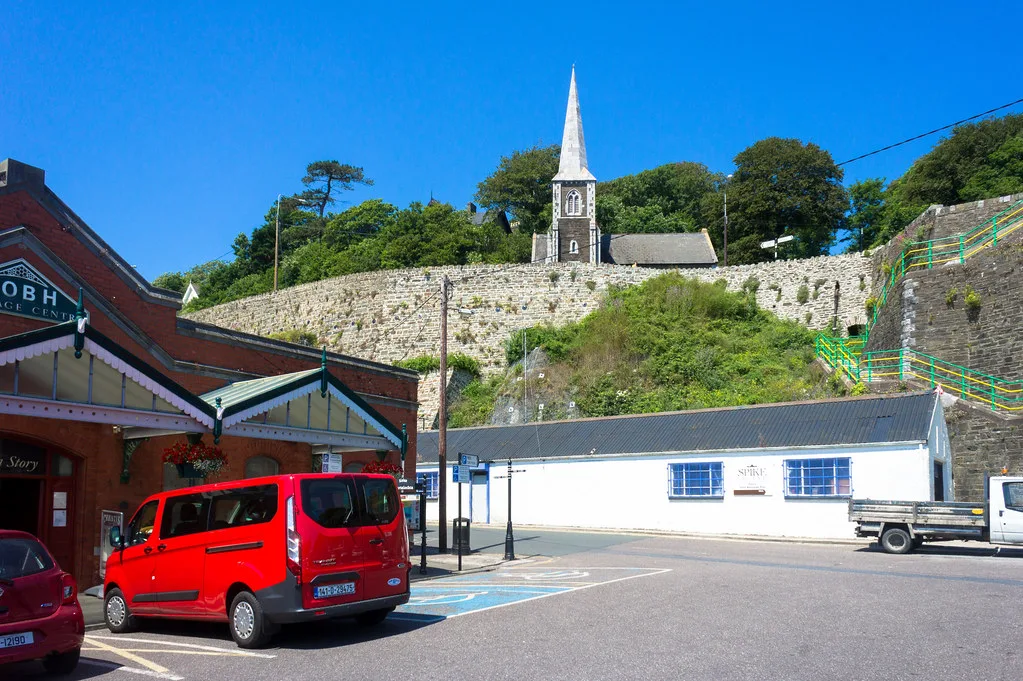
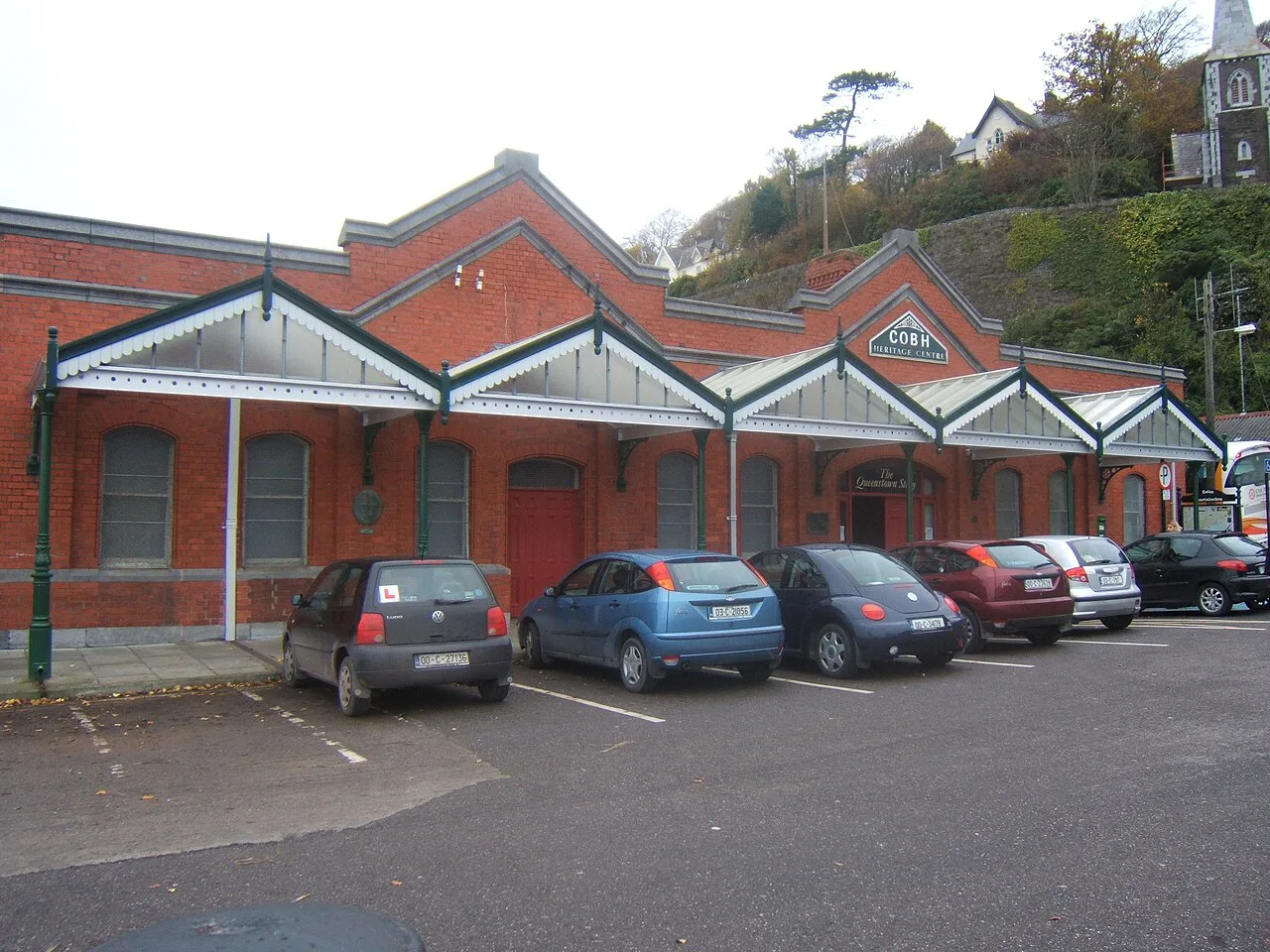
The centre sits in Cobh, the County Cork harbour town known in the emigration era as Queenstown, and the building is a restored Victorian railway station rather than a purpose-built museum. The operator describes the exhibition as situated within that restored station, a building with its own historic story. For visitors, the station setting gives the emigration subject a fitting frame rather than a neutral exhibition hall.
The official operator describes the exhibition as beautiful, informative and sometimes emotive, and positions the centre in the port from which it says three million people left. Treat that figure as the centre's own framing rather than a neutral statistic, since a separate third-party description cites more than 2.5 million departing from Cobh. For a broader set of comparable sites, see this collection of places where irish history can be explored on the ground.
The Queenstown Story: Framing Irish Emigration
The Queenstown Story is the core exhibition, and its narrative begins in the 1600s with transportation to British overseas colonies in places such as Virginia, New England, Barbados, Jamaica and Montserrat. From there it follows the wider scattering of the Irish, including convict transportation to Australia and the mass departures of the 18th and 19th centuries. The result is a long-run migration story rather than a single Famine exhibit.
A third-party visitor description adds that the exhibition covers life in Ireland through the 18th and 19th centuries, the Great Famine, and how criminals were transported to Australia for petty offences. It also states that from 1848 to 1950 over six million adults and children emigrated from Ireland, with more than 2.5 million leaving from Cobh. Those figures come from that source, so use them as context rather than as verified totals.
For visitors deciding whether the exhibition suits them, the useful distinction is between the long migration arc and the disaster stories, which are handled as separate strands. If your interest is in the ships and the lines that operated them, the titanic experience cobh covers the White Star Line story in more depth. The Heritage Centre works best as the broader context for that narrower subject.
Convict Ships and the Coffin Ships Theme
Beyond the headline emigration narrative, the exhibition gives space to convict transportation and to the so-called coffin ships, the vessels associated with the worst conditions of the crossing. The operator lists coffin and convict ships among the exhibition's themes alongside the Titanic, the Lusitania and the Annie Moore story. This strand is what separates the centre from a simple disaster museum: it deals with the machinery of departure as well as the famous ships.
The convict material is a reminder that not everyone who left Cobh went willingly, and the exhibition follows transportation to Australia as part of that story. Visitors with a family story of transportation will find the context useful before moving on to the genealogy service. Those with no convict connection can still read the display as background to the wider migration system.
Titanic, Lusitania and the Port's Maritime Memory
Cobh was the Titanic's last port of call before it sank, and the centre connects that fact to the wider story of the port rather than treating the ship in isolation. The operator also names the Lusitania as a theme, linking the town to two of the early 20th century's biggest shipping disasters. Expect the two ships to sit inside the emigration story, not to dominate the whole exhibition.
The Lusitania connection matters because it shows how a port town becomes tied to events far beyond its own population. If the maritime disaster narrative is your main reason for visiting, the centre provides the local framing, and Discover Ireland notes a Heritage Combination ticket that pairs the centre with the Titanic Trail guided walking tour for an outdoor route through the town. A guided walk gives the harbour context that an indoor exhibition cannot, but confirm the pairing and current ticket terms with the centre.
The Annie Moore Story as an Emigration Emblem
The operator lists the Annie Moore story as one of the exhibition's named strands, which places a single emigrant's experience alongside the mass statistics. Rather than treating her as a curiosity, the section turns an abstract migration narrative into a human one.
The Annie Moore section rewards a slower read than the headline disaster rooms, because it shows how an individual life can sit within a mass movement. It also sets up the genealogy service, which offers a records-based research profile on a named ancestor. If you plan to research your own family afterwards, start here for a sense of what such records can and cannot tell you.
Tracing Irish Roots: The Genealogy Service
The centre offers a genealogical family history research profile designed for someone with no knowledge of Irish records to receive a custom analysis of the records relevant to a particular ancestor. The operator charges €100 for a one-hour session with its genealogist. That is a separate paid booking rather than a self-guided option, so decide before you travel whether you want it.
The service suits visitors who arrive with at least a name, an approximate date and a place, because the value lies in the analysis of what can be found rather than in a guaranteed result. Those with no starting information should treat it as an orientation session rather than a breakthrough. Confirm the session format and the current charge directly with the centre before booking, since the published fee can change.
Practical Visit Planning: Hours, Audio Guide and Amenities
The operator publishes hours of 9.30 to 5.30, seven days a week, with last admission at 4.30, as stated at retrieval in October 2026. Treat those times as the operator's opening hours rather than a guarantee, and check the centre's own site before a special trip. Arriving close to last admission leaves little time for the exhibition and the genealogy material together.
The national tourism authority notes a multilingual audio guide, a café and shops at the centre, which makes it more than a ticket desk and worth allowing room for after the exhibition. If you use the audio guide, allow extra time because the commentary adds to the reading. The café and shops are named amenities, not a full list; do not assume more than the operator and tourism authority state.
For a sense of how long to allow, the practical limit is the last admission rather than any stated tour length, since the centre does not publish a fixed visit duration. Most visitors with an interest in the exhibition should plan to arrive well before 4.30 to work through the emigration strands and the disaster sections at a reasonable pace. The genealogy session is the element that needs separate scheduling.
Combining the Centre with the Titanic Trail and Group Visits
The tourism authority notes a Heritage Combination ticket that pairs the centre with the Titanic Trail guided walking tour, which is useful if you want both the indoor exhibition and an outdoor route through the town. The trade-off is time: doing both properly consumes more of a day than either alone. Decide whether you want the walking context or a slower, single-site visit.
The operator also runs group tours and school tours, with a variety of tour choices for large groups and schools. Individual schedules, durations and group pricing are not published on the source pages, so a group organiser should contact the centre directly rather than infer terms from the website. School groups should ask about the education programme when booking.
Plan Your Visit
Cobh Heritage Centre is a strong option for travellers interested in Irish emigration, convict transportation and the port's maritime links, and its railway-station setting gives the visit a distinctive frame. The genealogist session is the element with a clear extra charge, so decide in advance whether that hour is part of your plan. Check the operator's published hours and book any genealogy session before you travel. If you want to round out a County Cork stay with more indoor collections, this guide to museums in Cork makes a useful next stop.
If your interest extends beyond emigration to the wider story of conflict and settlement in Ireland, places such as the Battle of the Boyne Visitor Centre at Oldbridge Estate offer a different angle on the same past. They are not a substitute for the Cobh exhibition, but they help place the migration story in a broader historical landscape. Choose based on which thread of Irish history you want to follow.
Explore more Ireland guides
Frequently Asked Questions
What does the Queenstown Story exhibition at Cobh Heritage Centre cover?
The Queenstown Story traces Irish emigration from the 1600s, including transportation to British overseas colonies and convict transportation to Australia, and connects Cobh to the Titanic and Lusitania. It also includes the Annie Moore story as a personal emblem of departure. The exhibition is the centre's main permanent display.
Can you trace Irish ancestors at Cobh Heritage Centre?
Yes. The centre offers a genealogical family history research profile with a one-hour session with its genealogist, for which the operator states a charge. It is designed for people with no prior knowledge of Irish records. Book in advance and confirm the current fee and session format with the centre.
Why is Cobh linked to the Titanic and Lusitania?
Cobh was the Titanic's last port of call before it sank, and the centre connects the town to both the Titanic and the Lusitania disasters. The exhibition places those ships inside the broader emigration story rather than treating them as separate attractions.
How long should you allow for a visit to Cobh Heritage Centre?
The centre publishes opening hours and a last admission time but does not state a fixed visit duration, so plan around those limits. Arriving well before last admission gives you time for the exhibition and any audio guide. A genealogy session needs separate scheduling.
Is the Cobh Heritage Centre worth visiting if you are not researching family history?
Yes, if you are interested in Irish emigration, convict transportation or the port's maritime history. The Queenstown Story covers those themes, and the Titanic and Lusitania connections add further context. The genealogy service is optional and not required to enjoy the exhibition.
Should you pair Cobh Heritage Centre with the Titanic Trail?
A Heritage Combination ticket pairs the centre with the Titanic Trail guided walking tour, according to the national tourism authority. It suits visitors who want both the indoor exhibition and an outdoor route through Cobh. The trade-off is that doing both properly takes more time, so decide based on your schedule.
Sources
You might also like



Continue reading
More guides you'll find useful



