
Irish Fairy Trees: Hawthorn Lore and Where to Meet It
Irish fairy trees are rooted in recorded folklore, especially the lone hawthorn. Learn what tradition says and where museum and village trails interpret it.
On this page
Irish fairy trees are, above all, the flowering hawthorn, known in Irish as sceach gheal and in English as whitethorn or Maybush. The National Museum of Ireland's interpretation explains that the tree's summer blossoming carries a long association with fairies, alongside widespread unease about harming it, especially when it stands alone in the open.
That association is recorded belief, not a claim about the supernatural and not a legal designation. Visitors meet it in three distinct layers: traditional accounts of hawthorn, the archival record of Irish folklore, and modern creative trails that interpret both for families and curious walkers.
What Tradition Records About the Hawthorn
The museum's hawthorn sheet sets out why the tree is treated with caution rather than simple affection. It records a widespread Irish belief that bringing hawthorn blossom indoors is unlucky, with some traditions holding that it could foreshadow a death in the household. In west Cork, the same sheet notes a belief that the tree carried a kind of temper, so that even striking someone with a hawthorn stick was thought to invite trouble and discontent.
May Eve emerges from the same account as one of the year's two most dangerous nights, alongside Halloween. Decorating the Maybush with ribbons, flowers, eggshells and bright scraps of cloth was understood as a way to secure luck and protection for the household for the night and the year ahead. These are customs recorded as protective practice, and reading them as folk reasoning rather than fact is the honest approach.
Why Lone Trees Carry Extra Weight
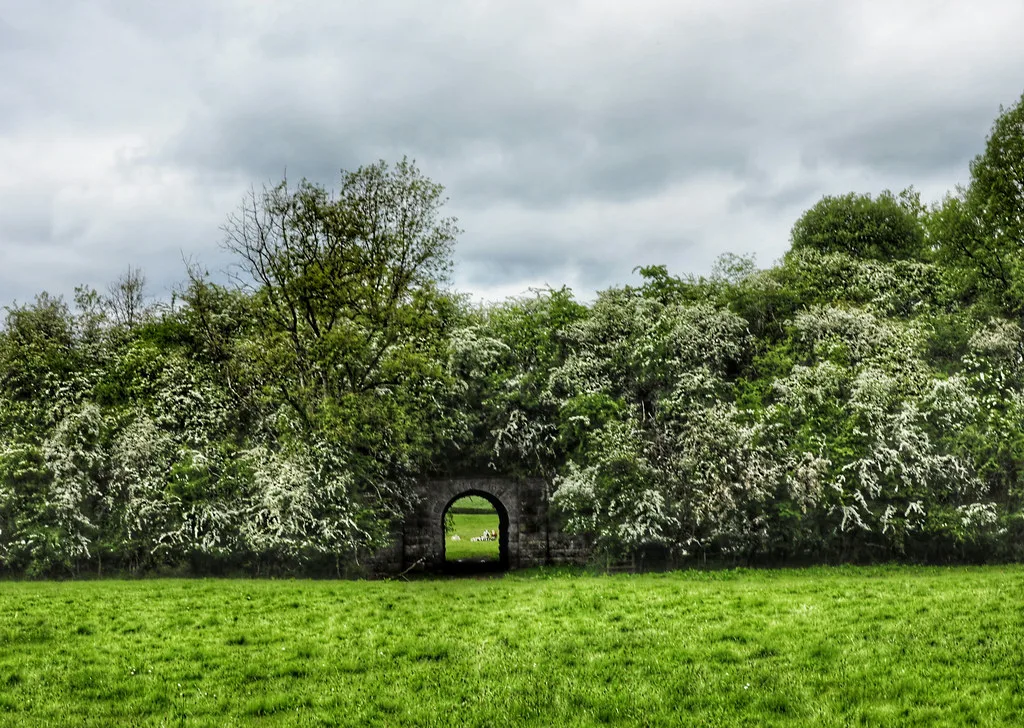
The hawthorn sheet singles out a tree standing alone and in the open as the one a sensible person would not dare to damage, for fear of angering the fairies. That cultural prominence is the point; it does not make every isolated hawthorn an official monument.
Respect in this tradition is customary and social, not statutory. The accurate framing for a walker is that harming a lone hawthorn runs against strong local feeling, so leave growing trees untouched, take no cuttings and keep gates as you find them. Treat any story you hear about a specific tree as local lore to verify locally rather than as documented fact.
The Archival Record: How the Lore Was Captured
The National Folklore Collection, held at University College Dublin, preserves the raw material behind much of this tree lore. Its published overview describes holdings of roughly two million manuscript pages, about half a million index cards, some twelve thousand hours of audio and around eighty thousand photographs, with subject areas that include Nature and Mythological Tradition.
For hawthorn and fairy beliefs, a particularly useful layer is the Schools' Collection, compiled by pupils from about five thousand primary schools between 1937 and 1939. Its scale, roughly 740,000 pages across bound volumes and original exercise books, means the lore was gathered simultaneously in thousands of localities, which is why regional variations survive. Many items are digitised on duchas.ie, so a reader can pursue a county or parish account directly instead of relying on retellings.
Bealtaine and the May Bush
Fingal County Council's heritage page on May Day describes Bealtaine as rooted in the ancient past and traditionally a period when the fairies, or Sídhe, were thought especially active. It records that flowers were usually gathered before dusk on May Eve or before dawn on May Day and scattered at the threshold to protect against the fairies and bring luck.
The same page gives the Fingal version of the May bush custom, where children decorated a hawthorn or May bush with flowers and ribbons and danced around it while collecting money. The council credits this account to the National Schools Collection of 1937 to 1939, which is a useful reminder that a single county account should not be generalised into a uniform national practice.
Other Named Trees in the Tradition
Hawthorn is central, but the museum's fairy tree trail material lists it among several species with their own associations. The map records oak as Ireland's national tree and describes ash as a symbol of wisdom, kingship and mystical knowledge. Its artwork was created for the trail by Wandering Lighthouse Arts, and its species list runs through hazel, sycamore, yew, copper beech and beech alongside hawthorn.
These are attributions of meaning, not botanical or historical claims about the individual trees on site. The map lists species rather than planting dates, so nothing in it supports describing any tree on the grounds as centuries old. Read the associations as strands of tradition the museum has chosen to explain, and look at the trees themselves as living specimens.
Walking the Trail at Turlough Park
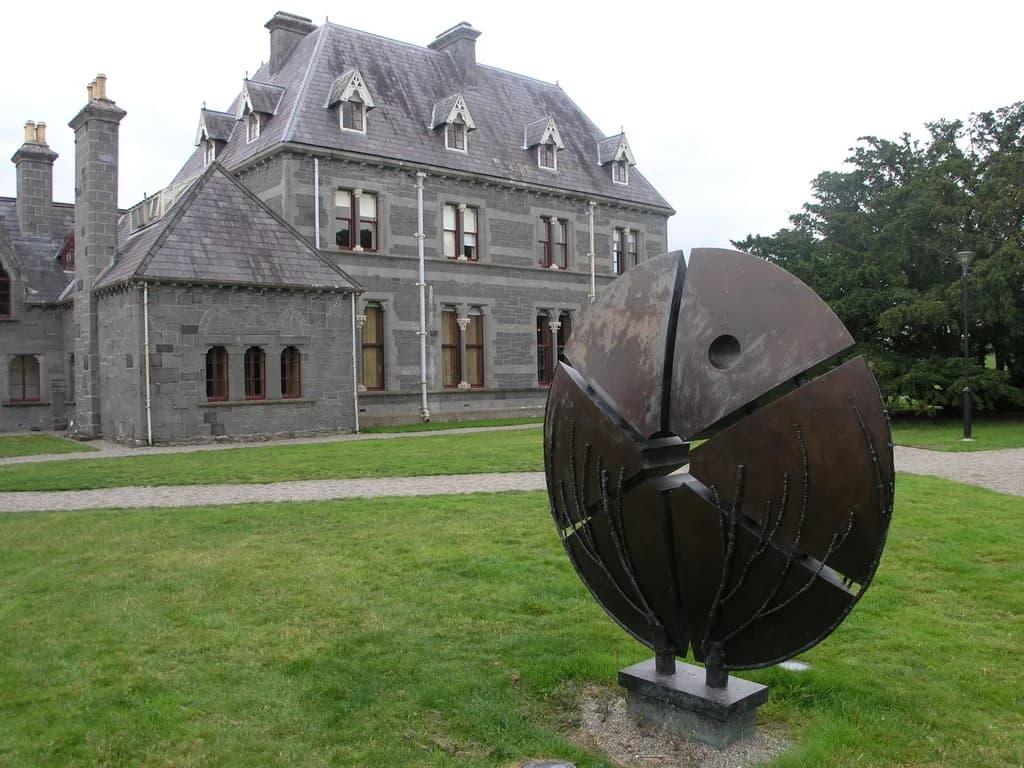
The National Museum of Ireland – Country Life, at Turlough Park near Castlebar, County Mayo, runs a self-guided magical trail through its woodlands, along its waterways and across its gardens. The museum's map invites visitors to find fairy settlements hidden along the route and learn the folklore of the trees they are linked to, which makes the trail an interpretation of tradition rather than a set of ancient sites.
Country Life can anchor a wider folklore itinerary, just as earthworks and enclosure sites anchor other days. Ringforts are traditionally discussed in the same breath as fairy belief, so walkers curious about how such places are presented today can compare them with ringforts in Ireland before deciding whether to add one to the same trip.
Practical Details for Turlough Park
The museum is at Turlough Park, Castlebar, County Mayo, F23 HY31, just off the N5 and well signposted in both directions. Published opening hours are Tuesday to Saturday 10am to 5pm and Sunday and Monday 1pm to 5pm, with closure on Christmas Day, St Stephen's Day and Good Friday. These are the museum's general hours; the grounds trail has no separately published timetable, so plan around gallery opening times.
Parking on site is free, including designated disability spaces and a set-down area in front of Turlough Park House. Route 454, operated by Mayo Local Link, connects the museum daily with Castlebar and Ballina. The museum is fully wheelchair accessible with lifts to all floors, and facilities include a café, gift shop, playground, picnic areas and restrooms, which makes a half-day visit practical for families.
The Roundstone Fairy Trail: A Modern Village Experience
Roundstone in Connemara hosts a separate, clearly contemporary trail aimed at children and curious adults. The village organiser describes a free, self-guided circular walk of about 2.2 km, with a walking time of 30 to 45 minutes and stations placed directly along the route. The starting point is the fairy tree between the bus station and the take-away.
The published season ran from 21 March to 21 September 2026, and that window has now closed, so the walk should not be planned as a current attraction without checking whether the organiser has announced a new season. The organiser describes stations using a multilingual QR-code system, with printed punch cards showing the route and seven station symbols. These are described features rather than guarantees, so confirm any card or end-of-trail item with the organiser before relying on it.
Folklore, Respect and Research
Keep three categories apart when reading about Irish fairy trees. The first is recorded belief, which explains what people traditionally held and why customs such as keeping hawthorn blossom outdoors made sense within that worldview. The second is the archive, where those accounts are preserved as primary material. The third is contemporary interpretation, such as the museum trail and the Roundstone walk, which turns tradition into an activity without asserting it as fact.
For deeper research, search duchas.ie by county, school or subject heading rather than through general retellings, and note that the collection's own subject categories separate Nature from Mythological Tradition. If a visit matters, confirm opening hours and trail seasons directly with the museum or village organiser before setting out, since both publish their arrangements online.
Planning Around the Hawthorn Tradition
The most rewarding approach is to treat the hawthorn as a subject of recorded belief and the trails as modern ways of encountering it. Turlough Park offers an institutional interpretation of tree lore within a free-parking, accessible museum day out, while Roundstone offered a short seasonal village walk with a clear start and finish during its published 2026 season.
Whichever you choose, leave living trees alone, read signs as interpretation and verify seasonal arrangements before travelling. The folklore itself is best explored through the National Folklore Collection's digitised material, where Schools' Collection and other records can be browsed by county, school or subject heading.
For another heritage guide, read about Irish Fairy Folklore, or broaden the view with Dublin History: A Chronological Guide to the City's Key Sites.
Explore more Ireland guides
Frequently Asked Questions
What is an Irish fairy tree?
In recorded Irish tradition, the tree most closely associated with fairy belief is the flowering hawthorn, also called whitethorn or Maybush. The association is cultural and appears in folklore archives and museum interpretation, rather than resting on any verified sacred status.
Why is the hawthorn linked with fairies in Ireland?
The National Museum of Ireland's interpretation records a long-standing belief that hawthorn has magical associations and is tied to the fairies, with particular unease about harming a tree that stands alone. It also notes beliefs that bringing hawthorn blossom indoors was unlucky and that the tree carried a temper.
Where can I follow a fairy tree trail in Ireland?
The National Museum of Ireland – Country Life at Turlough Park, County Mayo, has a self-guided trail through its woodlands, waterways and gardens that explains the folklore of named tree species. Roundstone in Connemara has a separate, village-run circular trail with stations along a short walking route.
When did the Roundstone Fairy Trail run?
The village organiser published a season from 21 March to 21 September 2026 for the free, self-guided walk. That window has passed, so check the organiser's own page for any announced new dates before travelling.
Are fairy trees protected by law in Ireland?
The tradition counsels respect for lone hawthorns, especially those standing alone and in the open, but that is customary rather than a legal protection applying to every such tree. Visitors should avoid damaging any growing tree regardless of its folklore associations.
What are the opening hours at Turlough Park?
The museum publishes Tuesday to Saturday 10am to 5pm and Sunday and Monday 1pm to 5pm, with closure on Christmas Day, St Stephen's Day and Good Friday. The grounds trail has no separately published hours, so plan around the museum's opening times.
Where can I research Irish tree folklore myself?
The National Folklore Collection at University College Dublin holds the main archival record, including the Schools' Collection gathered between 1937 and 1939. Many items are digitised on duchas.ie, where you can browse by county, school or subject heading.
Sources
You might also like



Continue reading
More guides you'll find useful



