
Killruddery House: House Tours and 17th-Century Gardens
Killruddery House is a lived-in Tudor Revival mansion in County Wicklow, with separate house tours, formal gardens and a farm-yard area to plan around.
On this page
Killruddery House is a lived-in Tudor Revival mansion at the heart of an estate in County Wicklow, and a visit is really three separate decisions: a guided house tour, admission to the formal gardens, or simply time in the farm-yard area with its shop, cafe and restaurants. Knowing which of these you want shapes how long you spend and what you book before leaving Dublin.
A Lived-In House Rather Than a Museum Set-Piece
This is a family home first. The estate says the Brabazon family has lived at Killruddery since 1618 and that three generations are resident today, with the Earl and Countess of Meath and Lord and Lady Ardee welcoming visitors. That continuity matters practically: rooms are presented as part of an ongoing household rather than a frozen display, so expectations should be set accordingly.
The estate's own framing also explains why the grounds and the house feel connected to a working farm rather than a park. Killruddery describes itself as an estate shaped by one family over four centuries, with gardens, woodland, farmland and heritage buildings used for events and dining. Visitors who arrive expecting a single ticketed attraction should instead plan around distinct, separately managed elements.
The House: Tudor Revival Character and the Orangery
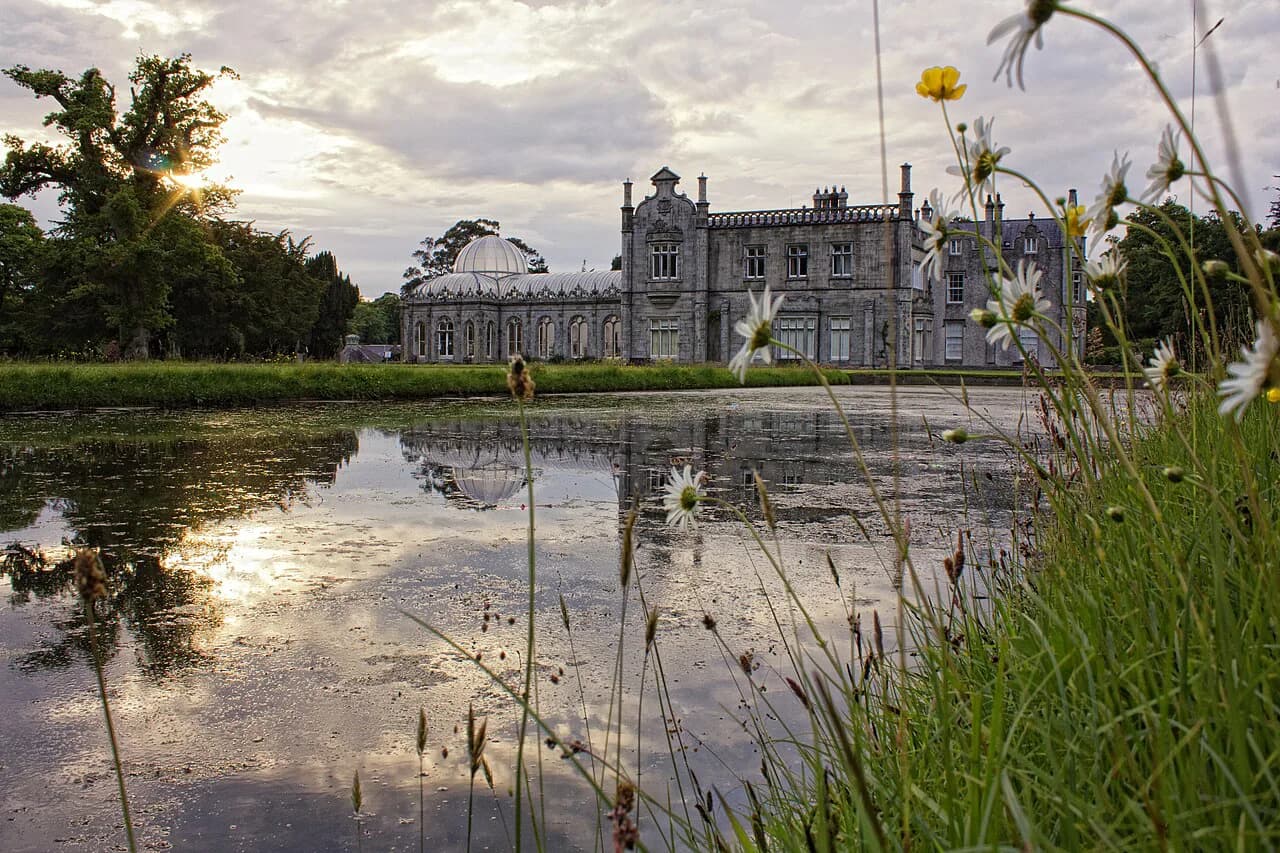
Architecturally, the mansion is described as a Tudor Revival house, not Georgian, which helps explain the gabled, romantic silhouette many visitors recognise. Ireland.com notes that the house has appeared on screen in My Left Foot, Far and Away and Angela's Ashes, so its exterior may look familiar even on a first visit. Those credits are context for the building's public image, not a reason to expect film-set displays inside.
One of the most distinctive structures is the domed Orangery, which Discover Ireland attributes to the architect William Burns and dates to 1852, citing the Crystal Palace in London as its inspiration. That attribution comes from the tourism body rather than an independent architectural survey, so treat the detail as the published account. The domed conservatory reads as a deliberate statement piece within the estate's otherwise domestic architecture.
Inside, Ireland.com describes elaborate chimney pieces, stained glass, stucco work and repeated hawk and wyvern motifs associated with the Brabazon family across the interiors. Which of these you see depends on the guided tour offered that season, because the estate does not publish room-by-room access or guarantee particular interiors outside tour times. Treat the interior description as a guide to what the tour covers, not a promise of open-door access.
The Library and Why the Guided Tour Matters
The library is singled out by Ireland.com as the only room reported to remain unchanged from the 17th century, which makes it the clearest surviving link between the house and its earliest Brabazon occupants. That claim comes from Ireland.com's editorial description rather than a published conservation report. Even so, it is the reason a guided tour is worth considering rather than walking the grounds alone.
House tours and garden admission are presented as separate offerings, so a garden ticket should not be assumed to include the interiors. The estate does not publish tour prices, frequency, duration or group size on the sources reviewed here, so the practical step is to check availability directly before setting a travel date. If the house is the main reason for your visit, confirm a tour runs on the day you plan to arrive.
The Formal Gardens and Their Mixed Chronology
The formal gardens are among the oldest surviving examples of the original 17th-century style in Ireland, according to Discover Ireland, which also notes 18th- and 19th-century additions layered over the earlier layout. That mixed chronology is useful to hold in mind: you are walking a historic framework that has been replanted and altered repeatedly, not a single-period reconstruction. Expect formal structure combined with later planting decisions.
The garden's origins are attributed to a French landscape designer named Bonet. Discover Ireland describes him as a pupil of André Le Nôtre and records him as employed by the Earl of Meath in 1682, while Ireland.com characterises the design as inspired by Versailles and dates Bonet's work to the mid-1600s. Because the two published accounts differ on dating and on the specific inspiration, treat both the attribution and the chronology as reported tradition rather than settled fact.
Landmarks to Look For on a Garden Walk
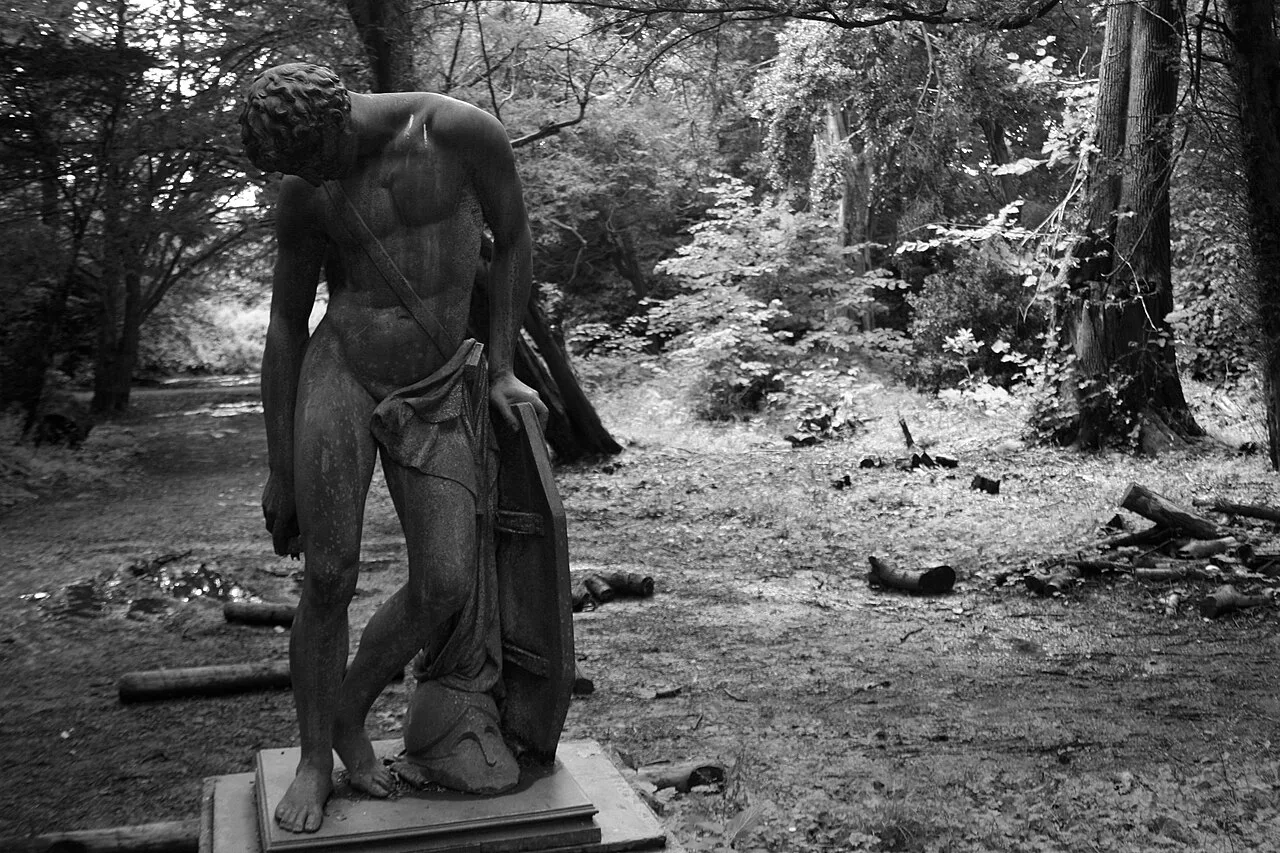
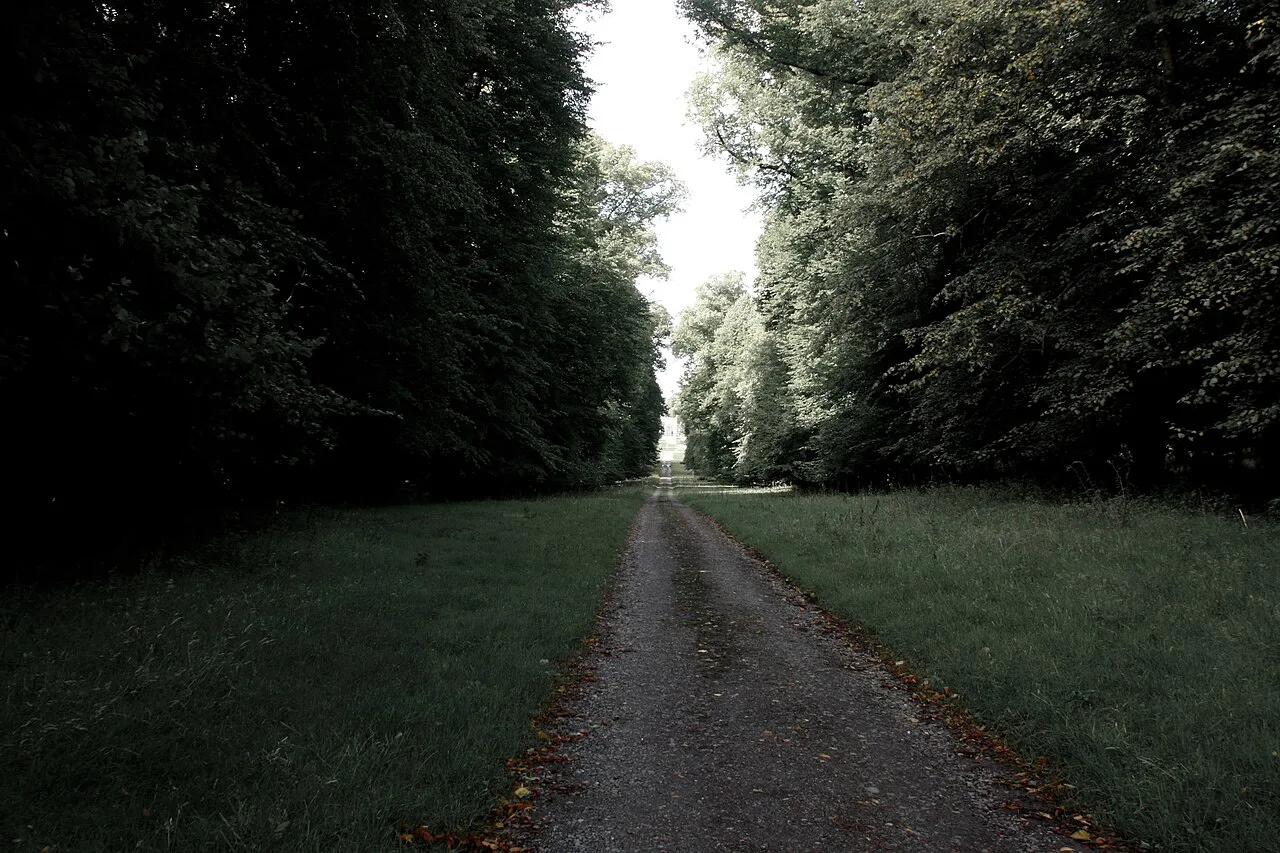
Within the grounds, look for the high-hedge sylvan theatre, the long ponds and the walled garden, all named in Discover Ireland's description of the estate. Tourism Ireland specifies two reflecting ponds measuring 187 metres, which makes them a natural orientation point when planning a route through the grounds. These are outdoor features with no indoor shelter on the route, so plan the walk around the weather rather than expecting cover.
The walled garden has been extensively renovated and now supplies produce to the estate's kitchen, which ties the ornamental grounds to the food side of a visit. The estate also includes flowering woodland and a working farm across 800 acres, so the garden walk is one part of a much larger landscape. Allow time to wander beyond the formal beds rather than treating the parterre as the whole visit.
Two stories attached to the grounds should be enjoyed as stories. Discover Ireland reports a legend that the family tiara was sold to fund the Orangery and that its crenellations echo the tiara's design, while Ireland.com notes a natural amphitheatre said to have inspired the novelist Sir Walter Scott. Neither is presented as documented fact, and repeating them as history would mislead. If you are comparing Wicklow estates, Powerscourt House and Gardens offers a useful contrast in scale and garden style.
Access: Garden Season and What Is Not Published
The operator confirms gardens open from 1 April to 30 October 2026, with house tours offered separately within that garden season. Beyond those dates the sources do not describe garden access, so do not assume winter opening. If your trip falls near either end of the season, verify the current position with the estate before booking travel.
Published hours for the yard, Farm Shop and Cafe and the restaurant differ by facility and by day, so a single opening time does not cover the whole visit. Treat the times shown on the operator's site as the published position rather than a permanent schedule. This is the point at which a quick check before travelling saves a wasted journey.
Killruddery Yard and the Working Farm
Killruddery Yard is the estate's central gathering space, bringing together the Farm Shop and Cafe, the Grain Store restaurant and the Pizza Shed. The estate frames the food around produce it rears, grows and makes, with the walled garden supplying the kitchen. This makes the yard a sensible base for a visit rather than an afterthought once the gardens are done.
The Farm Shop stocks plants, books and home and garden items alongside estate produce, and the Grain Store serves seasonal lunch on selected days. The Pizza Shed adds a simpler option using estate-grown toppings. Because these are working food businesses within a farm setting, availability can shift with the season, so check the published hours for the day you plan to arrive.
Weekend Versus Weekday Visits
Discover Ireland lists a Saturday farm market running from 10:00 to 16:00, featuring crafts, fashion, homeware and vintage items. Tourism Ireland describes the same market as weekly, so if browsing is part of your plan, treat Saturday as the day supported by the more specific listing and confirm current market dates on the operator's site. Garden and house-tour arrangements do not depend on the market, so any day in season works for those.
Other estates in the county reward a longer trip. Mount Usher Gardens is known for a different, more informal garden character, while Avondale House sits within Avondale Forest Park and offers a contrasting house-and-woodland day. Neither substitutes for Killruddery's formal 17th-century framework, but together they make a coherent garden-focused itinerary, and our Gardens in Wicklow roundup sets out how the county's designed landscapes differ.
Getting There and Setting Expectations
The estate sits in County Wicklow, and its own material frames it as roughly 35 minutes from Dublin, a description worth treating as the estate's travel estimate rather than a guaranteed journey time. Because the site is spread across gardens, woodland and farm buildings, plan for time on foot between the yard and the formal grounds. Readers building a wider heritage itinerary can pair it with nearby houses and ancient sites in Ireland without expecting them all to be in one place, and a Dublin heritage guide covers the city-side sights if you are starting from there.
The estate is a member of Historic Houses of Ireland, which is useful context for the kind of property you are visiting. Russborough House is another substantial Irish house with public access if you want a second comparison. Confirm garden opening, tour availability and food-service hours before travelling, since these are published rather than fixed.
Plan Your Visit
Decide first whether you want the guided house tour, the gardens, or simply the yard and its food, because these are separate elements rather than one combined ticket. Check the operator's site for the dates of your trip and confirm whether a tour runs on that day. With those two points settled, Killruddery works as a half-day or full-day stop within easy reach of Dublin.
Explore more Ireland guides
Frequently Asked Questions
Is Killruddery House open to visitors without a tour?
The published information describes guided house tours as the route into the interiors, and the estate does not state that rooms are open to walk-in visitors outside tour times. If seeing the house is essential, confirm a tour is running on your chosen date before you travel.
Are the gardens and the house tour included in the same admission?
No. Garden admission and house tours are presented as separate offerings, so a garden visit should not be assumed to include the interiors. Check the operator's site for how each is arranged on the day you plan to visit.
What style of architecture is Killruddery House?
It is a Tudor Revival house, not a Georgian one. Ireland.com describes it as a Tudor Revival mansion, and its exterior has appeared in several films, which helps explain why it can look familiar on a first visit.
How old are the gardens at Killruddery?
The formal gardens are described as among the oldest surviving examples of the original 17th-century style, with 18th- and 19th-century additions. A French designer named Bonet is credited with the early work, with sources giving slightly different dates, so treat the attribution as reported tradition.
What is there to do at Killruddery besides the house?
You can walk the formal gardens, woodland and walled garden, and spend time in Killruddery Yard, where the Farm Shop and Cafe, the Grain Store restaurant and the Pizza Shed are located. The estate is also a working farm, which explains the emphasis on estate-grown food.
Is the farm shop open every day, and how does it relate to the Saturday market?
The operator publishes its Farm Shop & Cafe hours as Tuesday to Sunday plus bank holidays, so Monday opening is not stated. Discover Ireland lists a Saturday farm market from 10:00 to 16:00 featuring local crafts, fashion, homeware and vintage items, and Ireland.com describes the market as weekly. Both are in the estate's yard, so check current hours and market dates on the operator's site before planning a weekend visit.
How far is Killruddery House from Dublin?
The estate describes itself as about 35 minutes from Dublin, which is its own framing rather than a guaranteed journey time. The house sits in County Wicklow, so allow for traffic and for walking between the yard and the gardens once you arrive.
Sources
You might also like



Continue reading
More guides you'll find useful





