
Ardfert Cathedral: A Guide to the Medieval Kerry Complex
Ardfert Cathedral is closed for the 2026 season, with reopening stated for 2027. Read its medieval fabric, St Brendan's cult and the friary nearby.
On this page
Ardfert Cathedral is not currently open to visitors: Heritage Ireland, the Office of Public Works listing for the site, marks it as closed for the 2026 season and states an intention to welcome visitors again in 2027. Planning around that status matters more than any published daily timetable, which the closure notice overrides for now.
This is a guide to the monument and its setting rather than an invitation to turn up today. It sets out what the medieval complex contains, why St Brendan the Navigator's cult shaped it, how the cathedral relates to the separate Franciscan friary nearby, and which details to confirm on the operator's page before you travel.
Where the Complex Sits and What It Contains
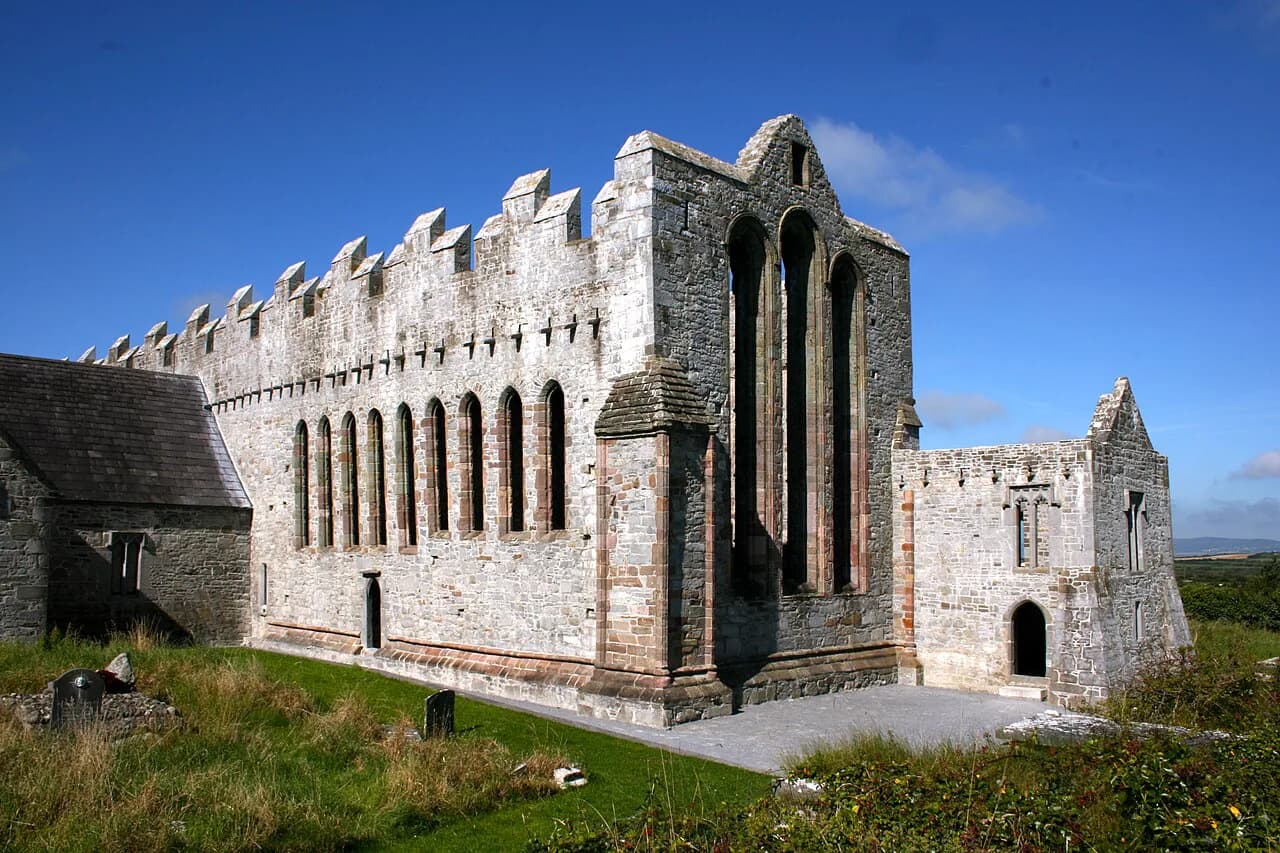
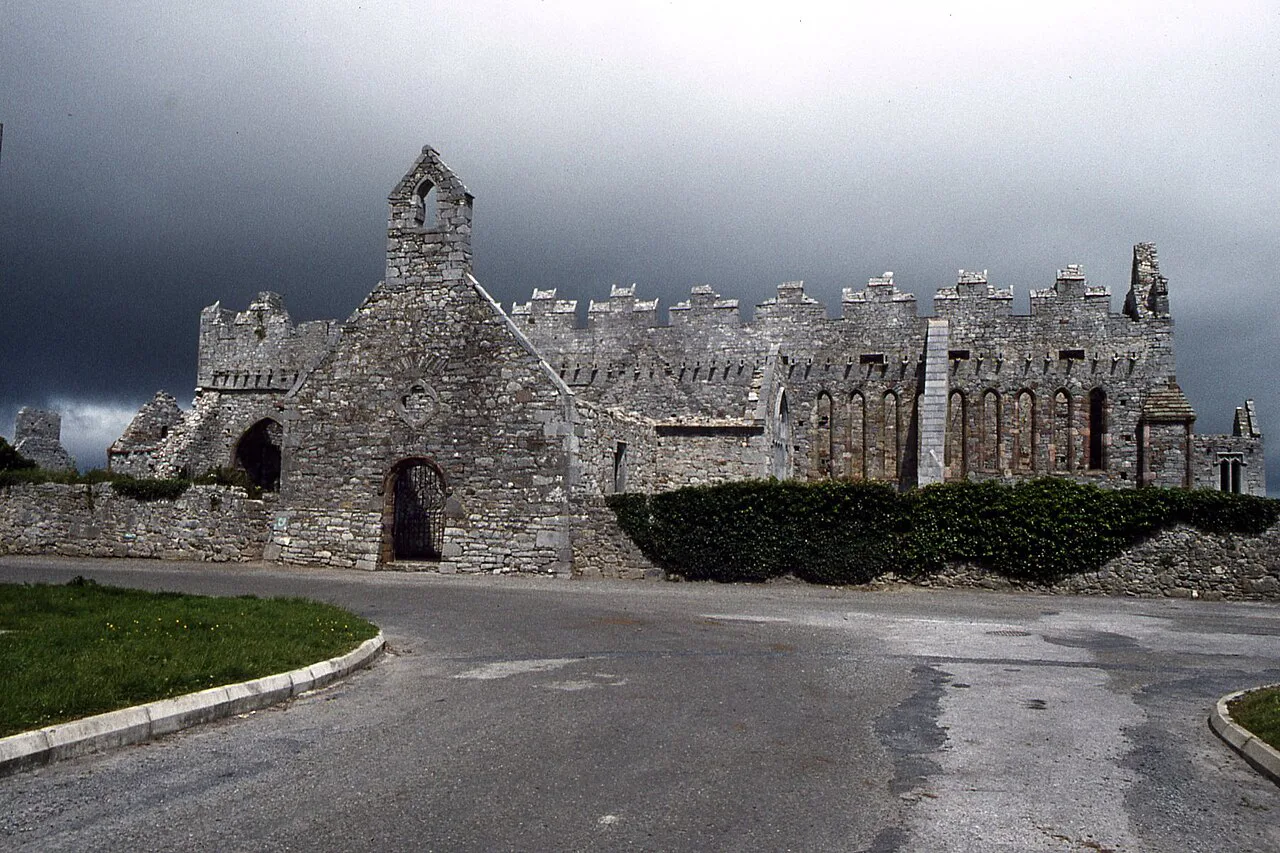
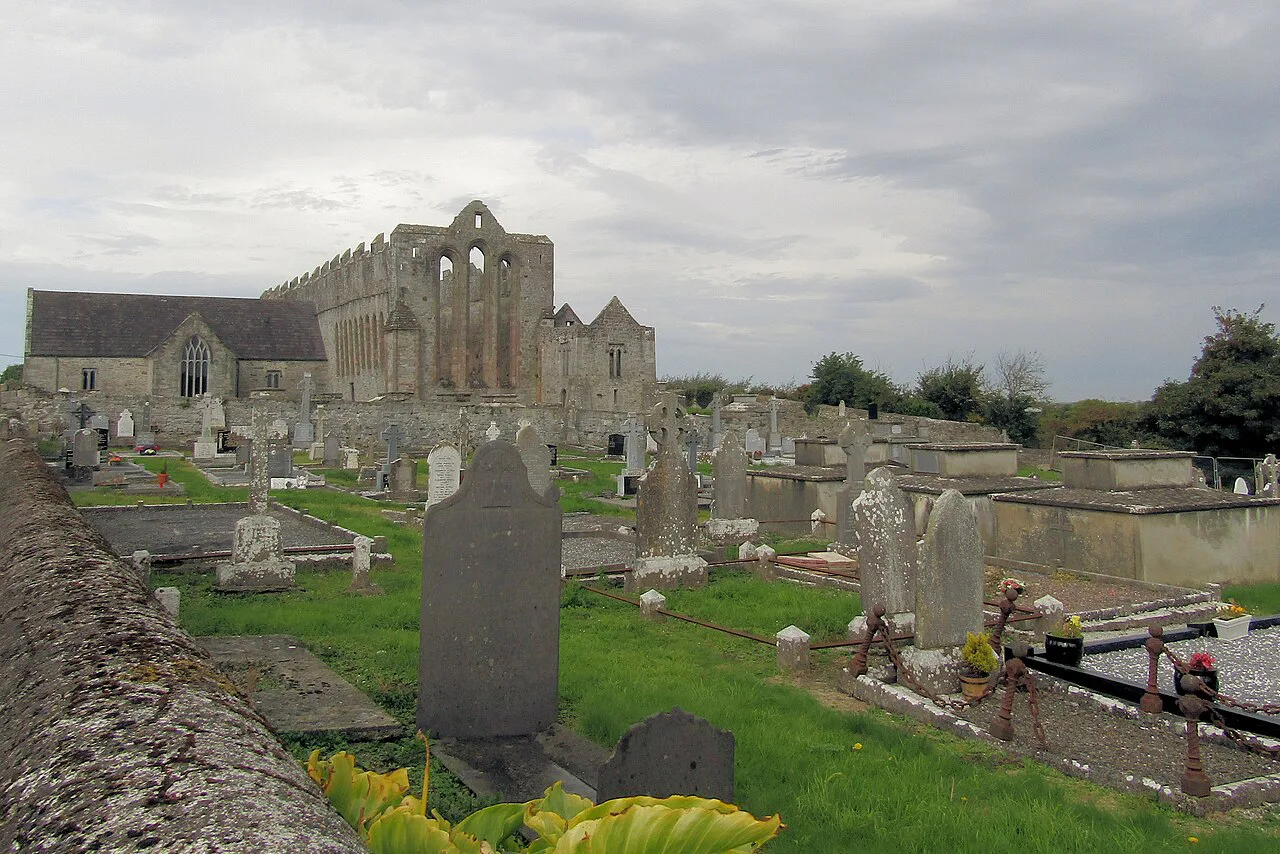
Ardfert lies in County Kerry, and the cathedral site holds three medieval churches standing together. Heritage Ireland explains that the earliest is the cathedral itself, begun in the twelfth century, with two smaller churches alongside it. That grouping, rather than a single roofless shell, is what makes Ardfert worth understanding before you arrive.
The site belongs to a wider ecclesiastical landscape rather than to the cathedral alone. Monastic Ireland describes Ardfert as an important town from the early medieval period and a diocesan centre from the early twelfth century, with the cathedral as the nucleus of the settlement. Reading the three churches as one designed sacred precinct helps you interpret the fragments you see.
St Brendan the Navigator and the Cult Behind the Churches
Heritage Ireland records that St Brendan the Navigator was born in the Ardfert area in the sixth century and founded a monastery there not long before his legendary voyage in search of the Island of Paradise. Brendan's cult, in the operator's account, inspired the three medieval churches that occupy the site today.
Treat the voyage story as legend attached to a real cult, not as documented travel history. The useful distinction is that the buildings are medieval and verifiable, while the sea journey belongs to hagiography. Knowing that, the visitor can read the architecture as an expression of devotion to Brendan rather than as a monument to a literal expedition.
Reading the Cathedral Fabric
The cathedral was begun in the twelfth century, according to Heritage Ireland, and preserves a magnificent thirteenth-century window plus a spectacular row of nine lancets in the south wall. Those two features reward a slow look at the surviving walls: the lancet group is a rhythm of narrow openings, not a single large window.
The masonry spans more than one building campaign. Monastic Ireland notes pre-Romanesque masonry in the standing remains, a Romanesque west doorway and later medieval features, which is why the cathedral reads as layers rather than a single design. Look for the doorway as the clearest surviving marker of the Romanesque phase.
For broader context on Irish ecclesiastical architecture, the guide to Cathedrals in Ireland sets Ardfert beside other medieval and later buildings. Comparing doorway types and window forms across a few sites makes the Ardfert sequence easier to recognise on the ground.
The Two Smaller Churches and Temple na Griffin
Heritage Ireland identifies one of the two smaller churches as an excellent example of late Romanesque architecture. The other, Temple na Griffin, takes its name from a carving inside depicting a griffin and a dragon conjoined.
Monastic Ireland describes a fifteenth-century church beside the cathedral carrying a carving of a wyvern, a dragon with eagle's legs, while the operator's listing describes a griffin and dragon conjoined in Temple na Griffin. The sources do not treat these as the same carving, and the differing beast names are a reminder that such carvings are often interpreted differently by different writers. Look at the stone itself and weigh the descriptions rather than expecting one fixed label.
Carved stonework and Romanesque detail reward attention on any Kerry church-crawling day, and the guide to Churches in Ireland sets out a range of ecclesiastical sites with their own histories and access arrangements. Treat any companion medieval stop as a separate place to verify individually rather than assuming it shares the cathedral's status.
Ardfert as an Ecclesiastical Town
Ardfert's standing rested on more than one building. A 1989 RTÉ News report, held in the broadcaster's archive, records that the Synod of Kells designated Ardfert as the seat of the Bishop of Kerry in 1152. That is a dated historical claim from a period news item, useful for context but not a statement about present conditions.
Excavation has added a human dimension to the precinct. Monastic Ireland reports that over eight hundred burials were found during excavations at the cathedral, including one interred with a Roman intaglio mounted on a ring and glass mounts around the head, possibly the grave of an early bishop.
Taken together, the diocesan status and the burials show a cemetery and administrative centre in use across centuries, not an isolated ruin. That shift in perspective is the most valuable thing to carry into a future visit.
The Franciscan Friary Nearby
The Franciscan friary is a separate monument on the outskirts of the medieval town, not part of the cathedral site. Monastic Ireland attributes its foundation to about 1253 under Thomas Fitzmaurice, first lord of Kerry and Lixnaw, and treats that date as an attribution rather than a certainty.
The friary's church shared architectural features with the cathedral expansion in the later thirteenth century, particularly its windows, and a substantial tower was added at the west end in the fifteenth century in a position the source calls unusual, resembling a tower house. Its later history is turbulent: the friars were expelled in 1584 and the buildings were fortified as a barracks during the Desmond conflict.
Do not assume the friary is publicly accessible simply because it stands nearby; its visitor arrangements are documented separately. If you want to compare a roofless medieval church with an intact roof, the guide to Churches in Ireland covers a range of ecclesiastical sites with different access arrangements.
Change over Time: A Window That Moved and a 1989 Restoration Plan
Monastic Ireland records that the friary's fifteenth-century transept window was moved into the cathedral transept in 1670 when the cathedral was adapted as the Protestant parish church of Ardfert. It stayed there until 1815, when it was returned to the friary as part of settling the estate of John Crosbie, last Earl of Glandore.
The 1989 RTÉ report offers a snapshot of a different moment, describing plans to restore a neglected cathedral with an archaeological dig and a stated intention to reroof the south transept. Its figures and condition descriptions are those of a 1989 broadcast, not a current assessment. Read it as evidence of how the site's care has been debated over time.
Practical Planning Around the 2026 Closure
Start any planning with status. The operator lists Ardfert Cathedral as closed for the 2026 season and states an intention to welcome visitors again in 2027; it does not publish a specific reopening date beyond that. Check the operator's page before travelling rather than relying on the daily hours shown elsewhere on the listing, which the closure notice overrides.
For forward budgeting, the operator's listing shows adult admission of €5; that figure is the published listing amount, not a quote for a future visit, and no child, family, group or card rates are given for it. Confirm the current admission on the same page when the site reopens.
While the cathedral is closed, other Irish heritage sites can anchor a day out, but plan them separately and check each one's own access arrangements. Roundups of ancient sites in Ireland can help you shortlist options without assuming any single monument is open. If you want a like-for-like comparison, the castles in county galway guide shows how another group of medieval monuments handles current access.
Plan a Visit for When the Site Reopens
Ardfert Cathedral deserves attention as a layered medieval complex: a twelfth-century cathedral with a thirteenth-century window and nine lancets, two smaller churches including Temple na Griffin, and a setting shaped by devotion to St Brendan. The operator's 2026 season closure and stated intention to reopen in 2027 mean the present task is to read up, not to turn up.
Before a future trip, check the operator's page for current status and the published admission, and treat nearby monuments such as the Franciscan friary as separate places with their own arrangements. That careful sequencing protects you from wasted journeys and sharpens what you notice once the gates open.
Explore more Ireland guides
Frequently Asked Questions
Is Ardfert Cathedral open to visitors?
The operator's listing marks the site as closed for the 2026 season and states an intention to welcome visitors again in 2027. It gives no more specific reopening date, and the closure notice overrides any daily timetable shown on the same page. Check the operator's page for current status before making plans.
Why is Ardfert Cathedral significant?
It is the earliest of three medieval churches on one site, begun in the twelfth century and preserving a thirteenth-century window and a row of nine lancets in the south wall. Heritage Ireland links the group to the cult of St Brendan the Navigator, who was born in the area in the sixth century. Monastic Ireland notes a Romanesque west doorway and pre-Romanesque masonry in the standing remains.
How does Ardfert Cathedral connect to St Brendan?
Heritage Ireland records that Brendan was born in the Ardfert area in the sixth century and founded a monastery there shortly before his legendary voyage. His cult is credited with inspiring the three medieval churches on the site. The voyage itself belongs to legend rather than documented travel history.
Is the Franciscan friary part of the cathedral site?
No. Monastic Ireland treats the Franciscan friary as a separate monument on the outskirts of the medieval town, with its own history, including an attributed foundation around 1253 and a fifteenth-century west tower. Do not assume it is publicly accessible just because it stands nearby; its visitor arrangements are documented separately from the cathedral listing.
What should I check before planning a visit?
Confirm the site's status on the operator's page first, since the 2026 season closure takes precedence over published hours. The listing shows an adult admission figure that serves as forward-planning context rather than a quote for a future visit, and no child, family or group rates are given. Treat the friary and other nearby monuments as separate places to verify individually.
Sources
You might also like



Continue reading
More guides you'll find useful





