
Doneraile Court: Georgian House and Free Park Guide
Plan a visit to Doneraile Court in County Cork: free parkland, a separately guided Georgian house tour, and the St Leger story behind the estate.
On this page
Doneraile Court is the Georgian house at the heart of a landscaped estate in north County Cork, and the practical decision for visitors is simple: the historic parkland is free to visit during opening times, while the house is seen on a separately arranged guided tour. Treat these as two experiences rather than one ticket, and check the current schedule before travelling.
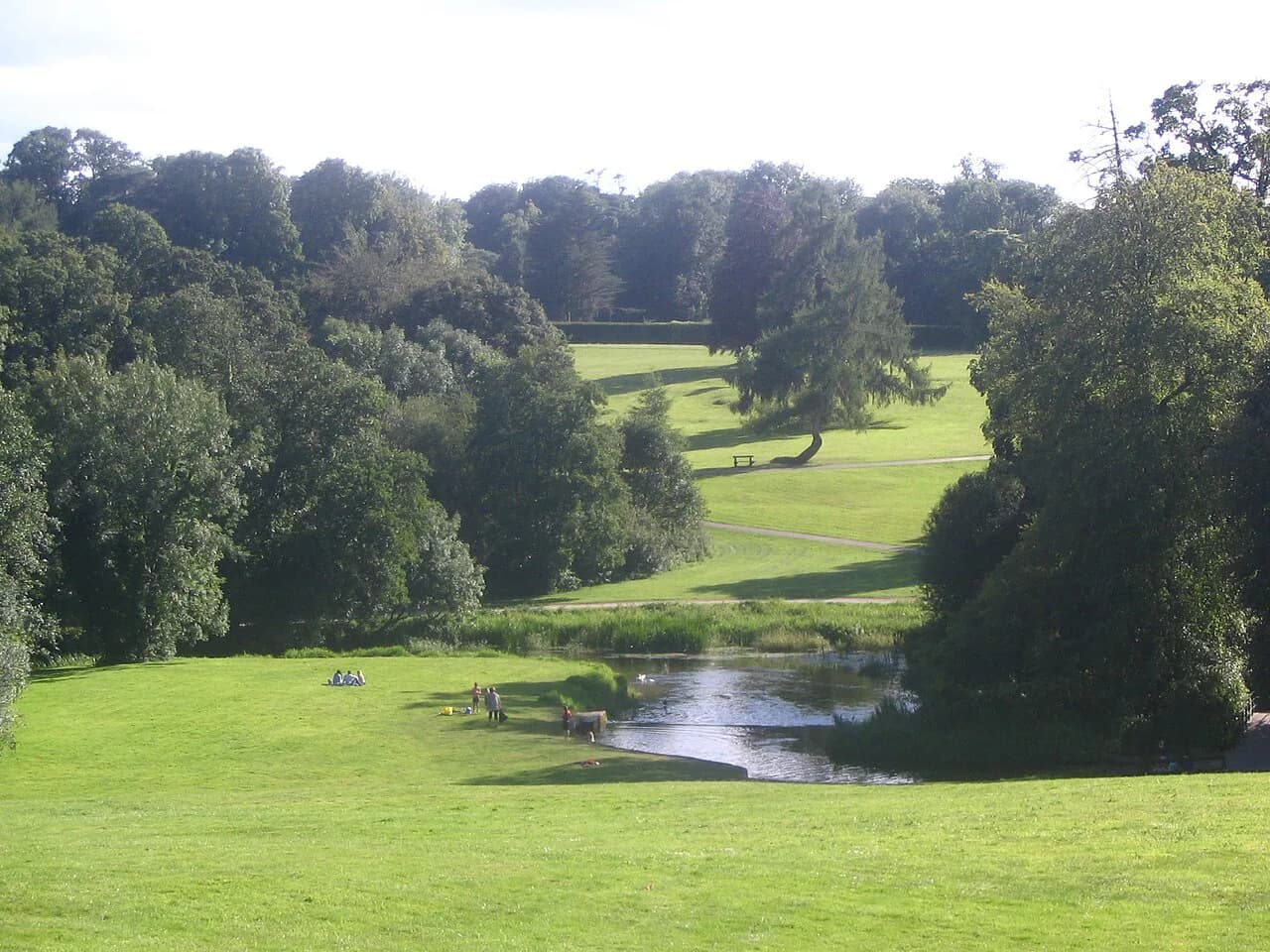
The estate sits beside the River Awbeg, roughly 12 kilometres north of Mallow, and covers about 160 hectares of parkland with water features, gardens and roaming deer. Sources disagree over the house's origins, so this guide presents the competing accounts rather than picking one date.
Doneraile Court at a Glance
Heritage Ireland, the Office of Public Works visitor site, describes Doneraile Court as a house towering over a 160-hectare landscaped park and wildlife estate, built by the St Leger family. The estate is the main draw for walkers, while the house rewards anyone interested in Irish Georgian Architecture and the family that shaped the surrounding landscape.
An independent travel guide puts the park at around 166 hectares and places the estate on both sides of the River Awbeg, about 12 kilometres north of Mallow. Those figures differ slightly from the operator's count, which is a good reason to treat acreage as approximate scale rather than a precise boundary.
Plan your day around the split between free parkland and guided house access. If you only have an hour, choose one; if you have a half day, walk first and take a tour afterwards, when the tearooms are a natural place to finish.
Getting Here and Finding Your Bearings
Heritage Ireland directs drivers from the N20 Limerick road onto the Mitchelstown road, the R581, for roughly eight kilometres before joining the R522. A hotel blog puts the estate about seven kilometres off the N20, so the exact approach matters less than following the signed route into Doneraile village.
Look for the Triumphal Arch at the entrance, which a 2020 feature dates to around 1830 and attributes, in some accounts, to George Pain. It was reportedly raised after a new road was cut around the edge of the park, replacing one that ran directly in front of the house.
The courtyard works as your practical anchor: it is where the operator notes gate closure times, and it is the sensible meeting point if part of your group wants the park while others take the tour. Note that courtyard gates may close earlier than the wider estate, so a late-afternoon walk needs checking on the day.
The Park and Estate: Free to Enter
Heritage Ireland states that the historic parklands are free to visit during the listed opening times, which makes the estate one of the more accessible landscaped demesnes in Munster. The park is laid out in the naturalistic style associated with Capability Brown, with water features, a parterre walled garden and gardeners' cottages; the sources describe the style, not Brown's personal authorship.
The Irish Road Trip guide reckons that walking every trail adds up to about ten kilometres, with shorter options available for anyone who wants a gentler loop. Paths run through mature deciduous planting and past restored water features, so the estate works as well for a short stroll as for a longer circuit.
Allow time for the formal gardens close to the house, which one account divides into pleasure grounds, a parterre garden and a walled garden. These are the most structured part of the estate and the easiest to see without joining the house tour.
Wildlife on the Estate
Heritage Ireland lists red deer, fallow deer and sika deer along with Kerry cattle among the animals living on the estate. This is a wildlife estate rather than a visitor attraction with enclosures, so it is sensible to keep to the paths, give the herds space and avoid approaching the animals, especially where a path narrows between grazing areas.
Binoculars are worth bringing if wildlife is the reason for your visit: deer are easier to spot at the edges of tree groups than in open sightlines. The sources do not publish a species list beyond the deer and cattle named by the operator, so treat any other sightings as a bonus rather than a guarantee.
The Guided House Tour
House tours are arranged separately from park access, and Heritage Ireland states that tours run on the hour from 10:00. The ticket cost is not fixed in these sources, so check the current charge on the operator page rather than budgeting from a blog. The Irish Road Trip describes the tour as lasting around 30 minutes, which makes it easy to slot into a park visit.
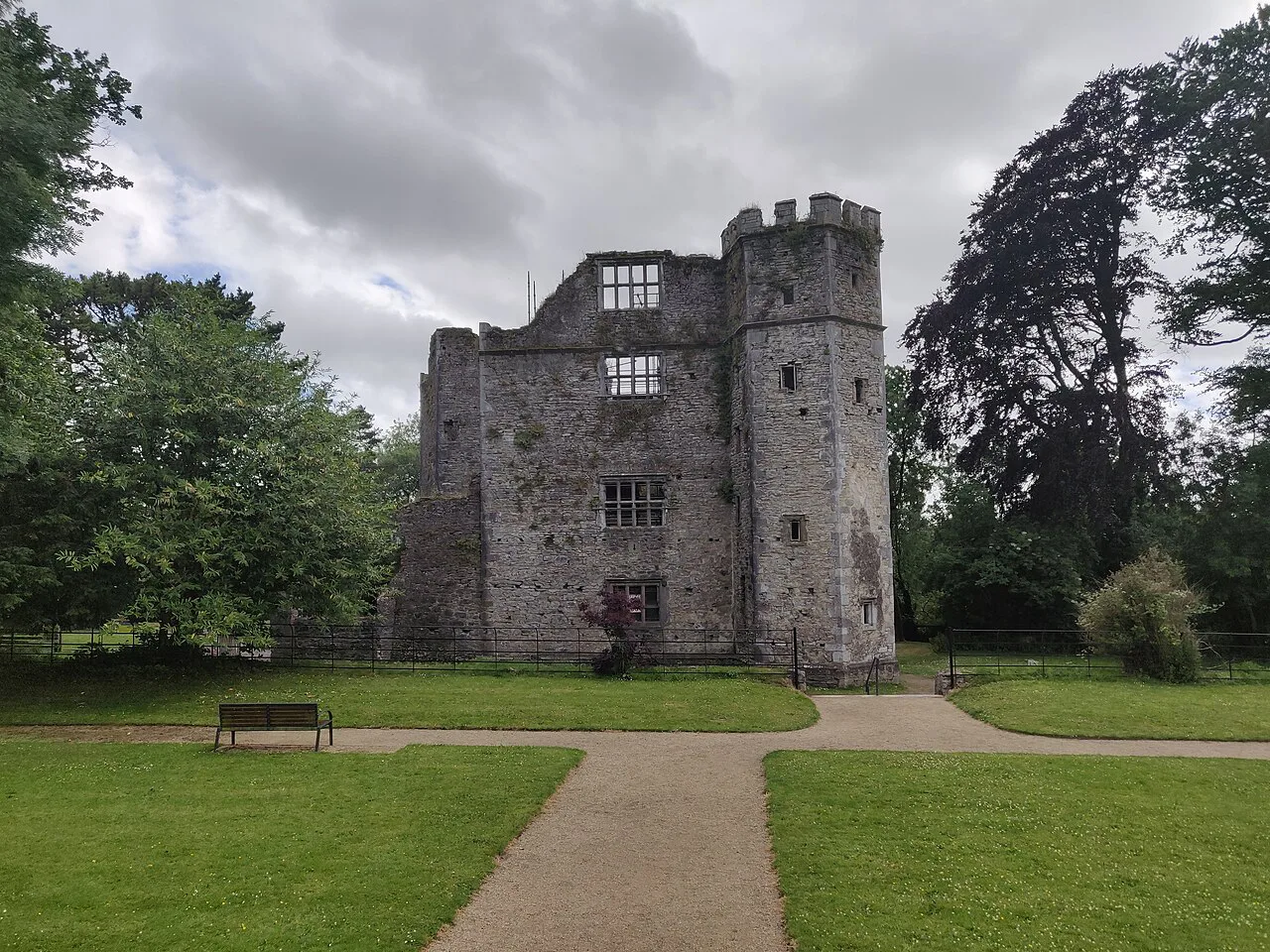
Inside, a 2020 account reports the architectural detail that makes the house worth the detour: a seven-bay stone facade with curved end bows, an early eighteenth-century panelled room and a late eighteenth-century oval staircase hall with Adams-style plasterwork. That same account attributes the 1725 facade to Isaac Rothery; treat these as one dated description to confirm on the tour rather than settled fact.
If you are building a tour of Irish houses, this one sits naturally alongside other restored Georgian interiors. Belvedere House, Gardens and Park is a worthwhile comparison for anyone extending the theme across the Midlands.
The St Leger Story
Heritage Ireland records that thirteen generations of the St Leger family lived at Doneraile over three centuries, and describes Elizabeth St Leger as the first woman Freemason in the world in 1712, in the operator's own wording. That is a striking family detail rather than a confirmed universal claim, so repeat it as the operator phrases it.
The family name also attaches to the St Leger Stakes in horse racing, a link the operator notes alongside the house's literary associations. Racing and literature both belong to the estate's story, and holding them as context makes the parkland read differently as you walk it.
Literary Doneraile
The estate's literary associations are a backdrop rather than an itinerary. Heritage Ireland mentions Elizabeth Bowen among the writers connected with Doneraile, while a 2020 feature describes a room in the house dedicated to her and notes that her nearby home at Bowen's Court in Kildorrery was demolished in 1961. Treat that room as part of the house tour, not a separate attraction you can visit on its own.
Edmund Spenser wrote of the River Awbeg, which runs through the estate, and Canon Patrick Sheehan is another name in the local literary tradition. Whether a particular room or display is open depends on house access, so confirm on the operator page before travelling with a specific literary interest.
Closure, Restoration and Reopening
The house had a long fallow period before visitors could see it again. A 2020 account records that the property was sold to the Land Commission in 1969, leased to the Irish Georgian Society in 1976 on condition that the society restore it, and later handed to the Office of Public Works; the same account dates the public reopening to 2019.
A hotel blog gives a similar outline, noting that the St Leger family remained in residence until 1969 and that the house came under OPW stewardship in 1994. Restoration costs from the 2020 piece are historical figures, not current facts, and should not be quoted as present-day budgets.
Knowing this history changes how the interiors read: much of what you see reflects twentieth-century rescue work rather than untouched survival. If similar stories interest you, Castletown House in County Kildare tells a parallel tale of a grand Irish house brought back into public use.
What the House Holds Now
A 2020 account reports that the Office of Public Works, in partnership with the Crawford Art Gallery, exhibited works at Doneraile Court, and that guided tours were available. That is dated context rather than a guarantee of what is on show now; if art is the priority, check with the operator before travelling.
Because exhibitions rotate and rooms open and close with restoration work, neither the sources nor this guide can promise a specific display on a given day. A quick look at the Heritage Ireland listing before you set out is the only reliable way to know what the tour includes.
Tearooms, Courtyard and Playground
Heritage Ireland lists tearooms trading from Thursday to Monday and closed on Tuesday and Wednesday, with opening times that vary by day. A hotel blog instead says the tearooms open seven days a week, which conflicts with the operator's pattern, so plan around the operator's listing and confirm on arrival.
Heritage Ireland lists Sarah's Tearooms within the estate, while a hotel blog places the tearooms in the kitchen wing of the nineteenth-century house; the operator does not confirm that building detail, so treat it as likely but unverified. The operator also notes a playground and public toilets, with those facilities closing around 16:30, earlier than the wider estate.
The practical consequence is that a late start can leave you with a fine walk but no cup of tea. Aim to be at the courtyard by mid-afternoon if the tearoom or the playground matters to your group, and check the day's closure notices on arrival.
Practical Trade-Offs for Your Day
A park-only visit suits anyone short on time or travelling with children who need space to run, and it costs nothing beyond the car journey. Adding the house tour takes roughly half an hour and gives you the interiors, the family history and the art context that the parkland alone cannot supply.
The main risk is misjudging the closing times. Park gates and courtyard gates may shut earlier than the wider estate, and facilities such as the playground and toilets close earlier still, so build in a buffer and treat published times as a guide to confirm on the day.
One check-current-details reminder covers the whole visit: before travelling, look at the Heritage Ireland page for hours, tour times and the day's closures. If you are comparing estate visits across the country, Westport House offers another landscaped demesne worth setting against Doneraile's.
Extending the Day in North Cork
The Irish Road Trip lists Mallow Castle, Bridgetown Abbey, the Donkey Sanctuary at Liscarroll and Blarney Castle among options within reach of Doneraile. These are approximate pairings rather than a fixed itinerary, so check opening arrangements for any stop before committing to a route; if wet-weather alternatives appeal, our guide to museums in Cork is a useful companion for the same decision.
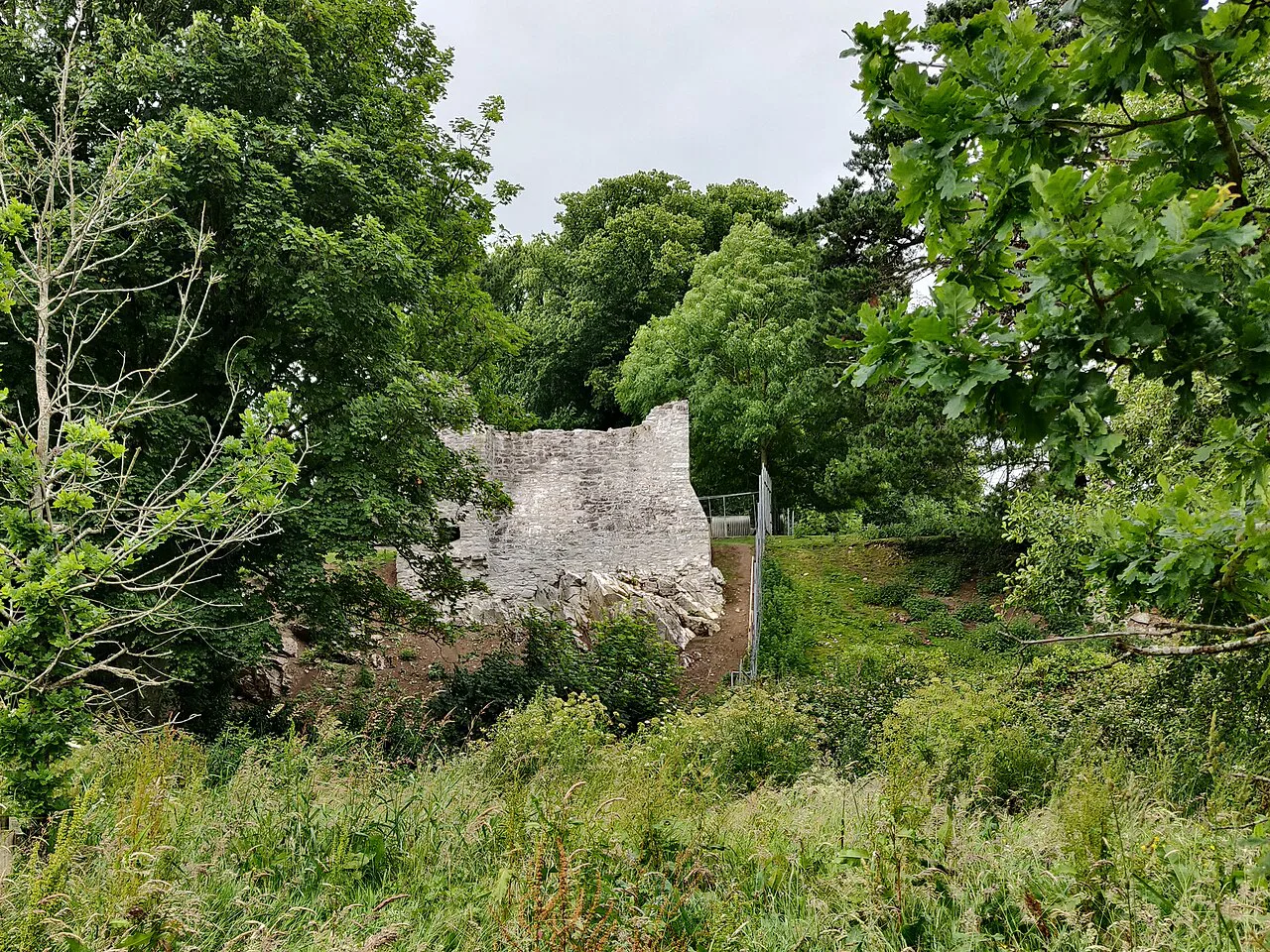
Bridgetown Abbey is described as a thirteenth-century Augustinian foundation dissolved in 1540, with ruins that remain free to visit and interpretive signs at the entrance. It pairs well with Doneraile for anyone interested in medieval church ruins as well as Georgian domestic architecture, but confirm current access before making it a stop.
For a broader survey of Ireland's ruined monastic and prehistoric monuments, the ancient sites guide gives useful background before you start adding stops. If instead you want another Georgian house on the same day, Emo Court in County Laois sits on the route between Cork and Dublin.
Plan Your Visit
Doneraile Court works best when you decide first what you want: a free walk in a designed landscape, or an hour inside a restored Georgian house. Doing both, in that order, gives you the family history and the architecture with the parkland as the setting they belong to.
Before you go, check the Heritage Ireland page for current hours, tour times and any day-of-week closures, particularly for the tearooms and courtyard gates. That single check is the difference between a smooth day and a locked gate.
Explore more Ireland guides
Frequently Asked Questions
Is Doneraile Court free to visit?
The historic parkland is free to enter during the estate's opening times, according to Heritage Ireland. The house itself is seen on a guided tour, which is arranged separately; the operator lists guided-tour admission separately from the free park, so check the current charge on the operator page before you travel.
Do you have to join a tour to see inside Doneraile Court?
To see inside the house, yes. The park, gardens and walks are open for independent visits, while Heritage Ireland lists house tours on the hour from 10:00, so the interiors are visited with a guide rather than self-guided.
How long does the Doneraile Court tour take?
The Irish Road Trip describes the tour as lasting around 30 minutes, which is short enough to combine with a walk. Confirm the current tour length and start times with Heritage Ireland, since schedules can change.
What can you see in Doneraile Park without going into the house?
The park offers naturalistic parkland, water features, a parterre walled garden, gardeners' cottages and graded walking routes. Deer and Kerry cattle roam the estate, and the courtyard, playground and tearooms serve as the practical base for a visit.
When was Doneraile Court built?
The sources disagree, which is worth knowing before you read a single date elsewhere: the operator describes a house built by the St Leger family around 1645 on the site of a ruined castle, while other accounts describe a late seventeenth-century first build with a 1725 facade. Treat the construction history as layered rather than settled.
Why was Doneraile Court closed for so long?
A 2020 account describes the house falling into neglect after the 1969 sale to the Land Commission, followed by restoration work led by the Irish Georgian Society and later OPW care. It records that the house reopened to the public in 2019, so much of the interior reflects recent rescue work.
Are there deer and cattle at Doneraile?
Yes. Heritage Ireland lists red, fallow and sika deer as well as Kerry cattle on the estate. Keep to paths and give the animals space, since this is a wildlife estate rather than a petting farm.
What else is there to do near Doneraile Court?
Mallow Castle, Bridgetown Abbey, the Donkey Sanctuary at Liscarroll and Blarney Castle are among the options listed by one travel guide. Treat the pairings as approximate and check each site's arrangements before building a route.
Sources
You might also like



Continue reading
More guides you'll find useful





