
Newbridge House, Donabate: A Visitor Guide to the Georgian Mansion
Plan a visit to Newbridge House near Donabate, County Dublin, from its intact Georgian interiors and Cabinet of Curiosities to the farm and walled garden.
On this page
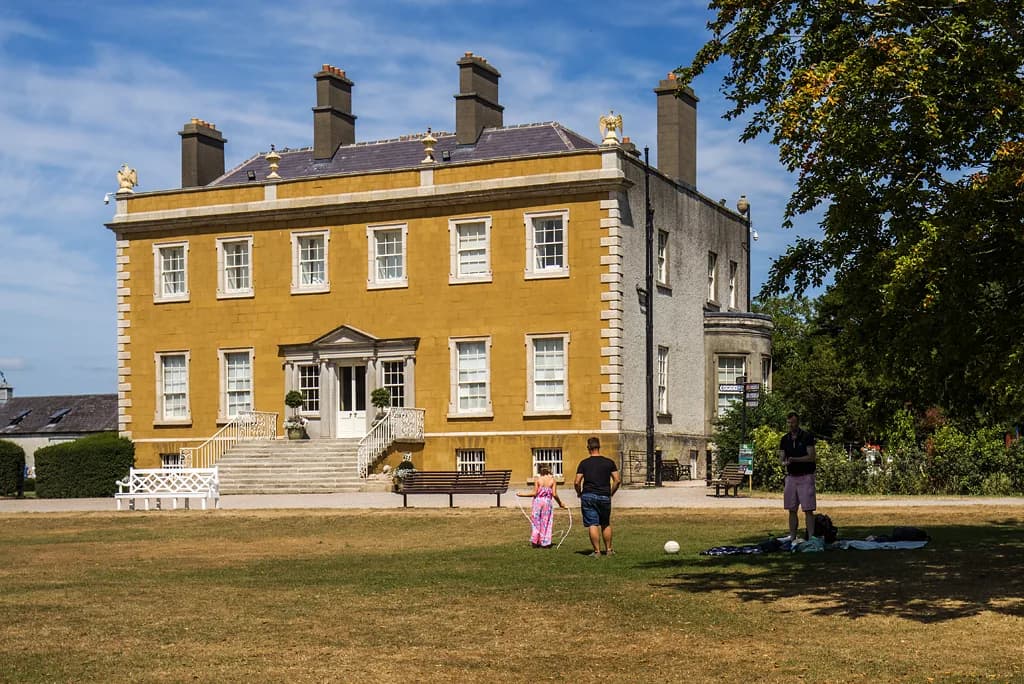
Newbridge House is a Georgian mansion on the Donabate peninsula in north County Dublin, visited by guided tour and set inside a much larger demesne of farm, walled garden and parkland. Its appeal lies less in spectacle than in continuity: the interiors retain their family pictures, furniture and belongings, which makes a tour feel like stepping into a preserved household rather than a staged exhibition. This guide covers what to see, how the estate is laid out and how to reach it.
The practical catch is that the house, farm, garden and parkland are separate propositions with different rhythms. The demesne is a public regional park managed by Fingal County Council, while the mansion interior follows its own tour arrangements and closure notices. Read the operator's current notices first, then plan the rest of the estate around them.
Where Newbridge House Sits
The estate spreads across gently undulating ground on the Donabate peninsula, within easy walking distance of Donabate village and signposted from the M1/N1 just north of Swords. Fingal County Council describes roughly 370 acres of pastureland, woodland walks, a deer park, a lime kiln, the ruins of Lanistown Castle, watercourses and pleasure grounds. That scale matters: the mansion is the focal point, not the whole visit.
For orientation, think of a working estate around a formal house. The cobbled courtyard holds a restaurant and a range of outbuildings, and the traditional farm, walled garden and playground sit within the same park. You can treat the demesne as a park visit on its own, but the mansion interior requires a deliberate plan.
Check House Access Before You Travel
The operator's site carries two separate conditions that should shape any trip aimed at the interior. One is a standing pattern that the house is closed on Mondays until spring. The other is a dated notice stating that from Monday 5th October the house will close for the month while delicate plasterwork is carried out; no year is given with that start date, so treat it as a live notice to verify rather than a fixed calendar entry. Because these are distinct conditions, confirming directly with the operator before travelling is the sensible step.
Do not assume that a closed house means a closed estate. The council presents the demesne, farm and walled garden as parkland attractions in their own right, so a farm-and-garden visit can stand alone when the mansion is unavailable. Operator notices can also touch the farm as well as the house, so confirm current arrangements for whichever part of the estate you plan to visit.
The 1740s Building Campaign
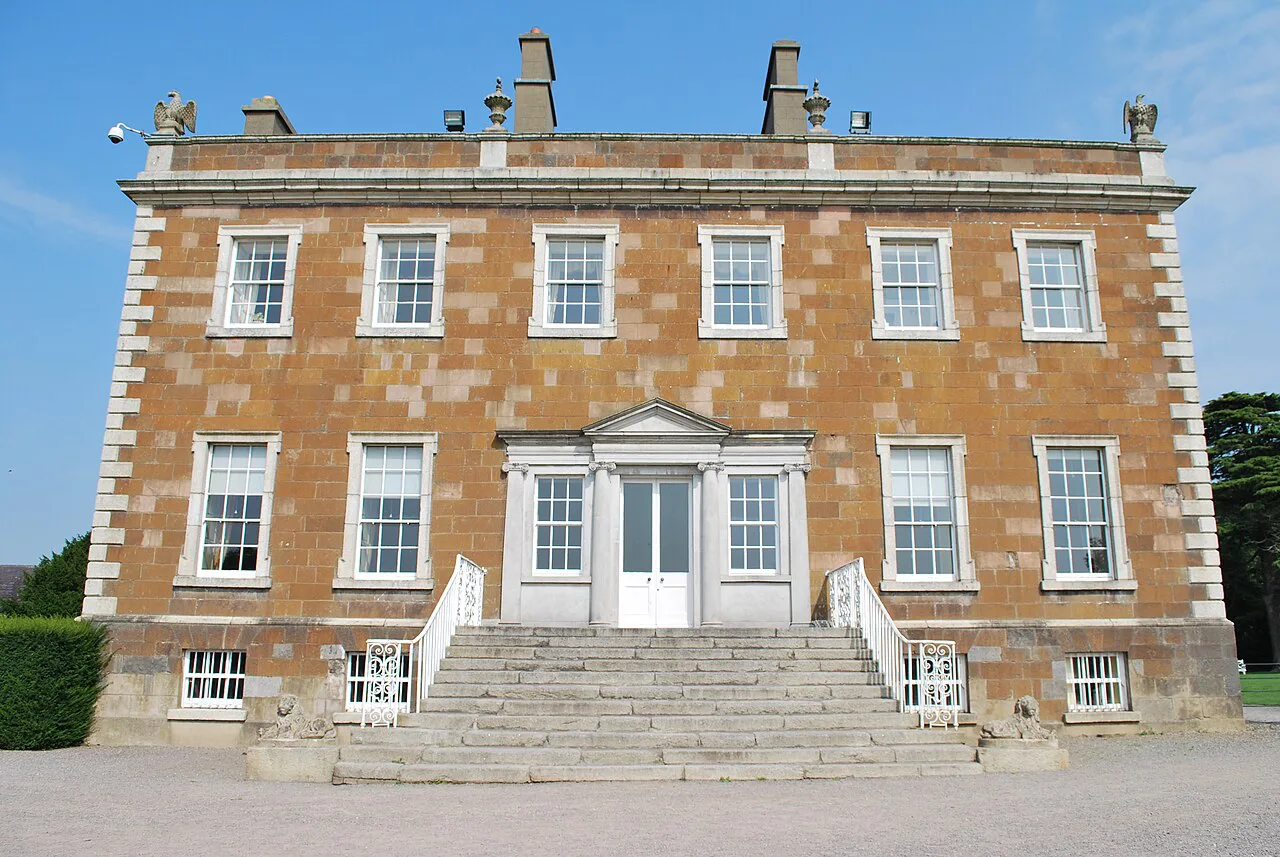
The council's account traces the house to Charles Cobbe, who came to Ireland in 1717 as private secretary and chaplain to the Lord Lieutenant, Charles Paulet, 2nd Duke of Bolton. Cobbe began buying land on the Donabate peninsula in 1736 and commissioned the architect James Gibbs in 1744 to design a plan for rebuilding Newbridge House, with work beginning in 1747. The council describes Newbridge as Gibbs's only executed work in Ireland, giving it a specific place in Irish Georgian architecture, and it sits well alongside this Dublin heritage guide when you are tracing the city's key sites.
The national tourism listing frames the same house differently, describing it as built in 1747 for Archbishop Charles Cobbe by architect James Gibbs. Read the two accounts side by side rather than forcing them into one sentence: one emphasises the commission and start of work, the other gives a construction framing. Both point to the same mid-eighteenth-century campaign.
Inside: Guided Tours and Intact Collections
Interior visits are guided tours, and the operator presents the house as a rare survivor in which most original furnishings and contents remain. That is the central reason to go inside: you are looking at furniture, artwork and personal belongings associated with the families who lived there, not objects gathered from elsewhere to illustrate a period. The operator also frames part of the experience as an eighteenth-century family museum.
Two specific strands are named in the house tour material. One is the Cabinet of Curiosities, a collection of antiquities and oddities that the operator highlights as a distinctive feature. The other is the life below stairs content, which turns attention to domestic service and the working side of the household. Together they balance the formal rooms with the people who kept the house running.
The tourism listing corroborates the substance of this: period furniture and artwork in the interiors, and a Museum of Curiosities as part of the visit. It is worth noting that the sources describe these strands in general terms only, so specific works of art, individual pieces of furniture and the exact contents of the cabinet are best discovered on the tour itself rather than anticipated in advance.
Why the Interiors Feel So Complete
The condition of the interiors is explained by an unusual arrangement rather than by chance. According to the council, the Cobbe family gave the house and sold the demesne to Dublin County Council in 1985, entering an agreement under which the historic family-owned pictures, furniture, chattels and documents stay in situ while the family remains in residence. The council characterises the resulting interiors as remarkably complete and among the best preserved in Ireland.
For a visitor, that arrangement has a practical consequence: the family's continued residence does not open private quarters to the public. What you see is the tour route, interpreted by guides, within a house that is still lived in on some level. Approaching the visit as a guided view of a family home, rather than a free run of a museum, sets the right expectation.
It also explains why the estate as a whole feels layered. The demesne opened as a regional park in 1986, and the tourism listing separately records the house as opening to the public in 1986. Those are distinct statements about different aspects of the site, and neither should be read as describing a single event.
Courtyard, Traditional Farm and Walled Garden
Beyond the front door, the cobbled courtyard is the natural hinge of the visit, with a restaurant and a range of outbuildings around it. The traditional farm is entered through that courtyard and keeps old breeds of farm animals, alongside displays of machinery that belonged to Irish farming life in earlier centuries. The sources do not set out animal-handling arrangements, so ask on arrival if that matters to your group.
The walled garden is a separate reason to linger, with extensive orchards and a collection of old Irish apple varieties. Two nineteenth-century glasshouses have recently been restored, and sections of the garden have been replanted with herbaceous borders. Together with the farm, this gives the estate a productive rather than purely ornamental character.
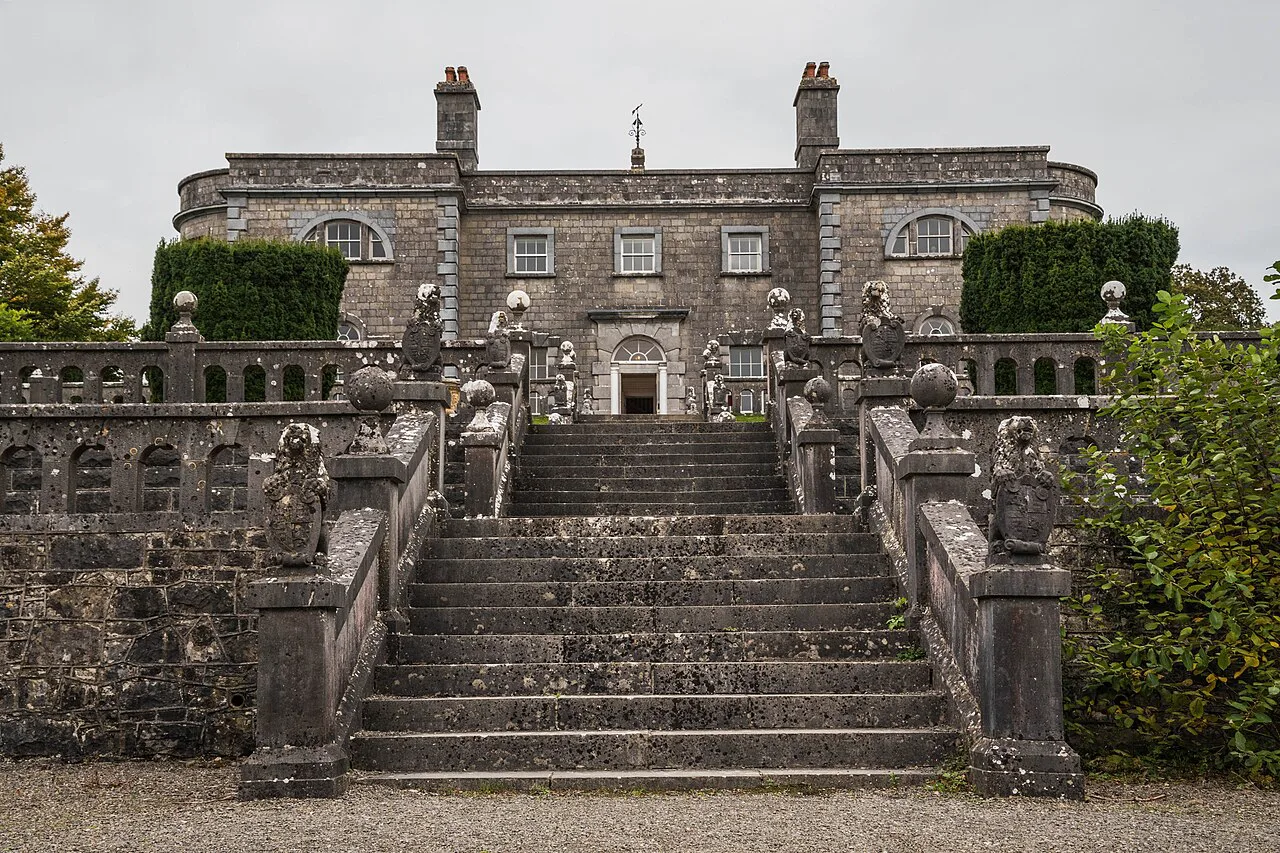
If your wider interest is in Irish country houses and their designed grounds, Newbridge sits comfortably in that company. Belvedere House is another demesne framed by its landscape, while Castletown House and Parklands is a useful reference for anyone building an itinerary around Irish Georgian houses and their estates. Both help frame the setting that survives around Newbridge.
Walking the Wider Demesne
The parkland rewards a slow circuit. The council lists woodland walks, a deer park, a lime kiln, the ruins of Lanistown Castle, watercourses and pleasure grounds across the pastureland. These are outdoor features spread over the demesne, so plan on walking and wear what suits the ground rather than treating them as a single stop on an indoor itinerary.
Families have their own anchors: the council mentions a major children's playground and sports pitches as part of the park. That makes the estate a flexible day out in which one group can take a house tour while others use the grounds, provided you have confirmed the house is running tours that day.
The blend of formal house, productive farm and open parkland is not unique, but the proportions here are distinctive. If you are assembling a broader itinerary, the estate works best as a full day in its own right rather than a brief stop between other Georgian houses.
Getting There from Dublin
Public transport is straightforward for a country estate. The council directs visitors to northbound trains from Connolly or Pearse Street stations that stop at Donabate, notes that the 33 bus stops close by, and says the park is within easy walking distance of Donabate village. The tourism listing likewise describes a short walk from Donabate station. No timetables or fares are published in these sources, so check the journey with the transport operator for your date.
By car, the estate is signposted from the M1/N1 just north of Swords, and the operator states that there is free parking on site. The operator also gives drive times of about ten minutes from Dublin Airport and about thirty minutes from Dublin city centre, a figure the tourism listing matches for the city centre. Those are estimates rather than guarantees; build in slack at busy times.
The operator notes that the site opens from 9.30am and describes plenty of public transport options, but that does not settle the question for the house. The park, farm and house follow different patterns, with the house closed on Mondays until spring and subject to a separate temporary closure for plasterwork work. Use the 9.30am opening as a starting point for planning, and confirm the day's arrangements, including which parts of the estate are open, before setting out.
Shaping Your Day and Seasonal Context
A sensible structure is to fix the house tour first, then fill the rest of the day with the farm, walled garden and parkland. If the house is closed for maintenance or because it is a Monday, the estate offers alternative things to do, but check the latest notices first, because a house closure notice and a farm update can appear together. If the house is open, let the tour anchor your timing and keep the grounds as the flexible part.
Events and Membership in General Terms
The estate hosts seasonal events, and the tourism listing names Halloween and Christmas celebrations and the Flavours of Fingal Fair without publishing dates. For specific event information, go to the operator's own listings rather than relying on a general description.
The operator also describes an annual membership scheme offering unlimited visits across several Fingal attractions, including Malahide Castle and Gardens, the Casino Model Railway Museum, and Newbridge House and Farm. The sources do not set out prices or detailed conditions, so compare the scheme against your own plans only after reading the operator's own terms.
Plan Your Visit
Newbridge House is worth the trip for the interiors above all: a Georgian house whose family collections stayed in place, shown by guided tour alongside a cabinet of curiosities and the service rooms below stairs. The farm, walled garden and parkland make it a full day rather than a single stop, and the demesne can carry a visit even when the house cannot.
The one firm rule is to check the operator's notices before you travel. Treat the Monday closure and the plasterwork closure notice as separate conditions, and confirm house access directly rather than assuming it. With that done, the trains to Donabate and the signposted drive make the estate an easy addition to a Dublin itinerary built around Georgian Ireland. For a wider choice of country-house visits, compare Georgian houses in Ireland.
Explore more Ireland guides
Frequently Asked Questions
Where is Newbridge House and how do I get there from Dublin?
Newbridge House sits on the Donabate peninsula in north County Dublin, within walking distance of Donabate village and signposted from the M1/N1 just north of Swords. Northbound trains from Connolly or Pearse Street stop at Donabate, and the 33 bus stops close by. By car the operator gives drive times of roughly ten minutes from Dublin Airport and thirty minutes from the city centre, with free parking on site.
What can I see inside Newbridge House?
Interior visits are guided tours. The operator presents the house as retaining most of its original furnishings and contents, so you see furniture, artwork and personal belongings connected with the families who lived there. The tour material also highlights a Cabinet of Curiosities and life below stairs content, and the tourism listing confirms period furniture, artwork and a Museum of Curiosities as part of the visit.
Is the house open every day?
No. The operator lists a standing closure on Mondays until spring, and separately carries a dated notice that the house will close for the month from Monday 5th October for delicate plasterwork work, with a farm update flagged on the same page. No year is given with that start date, so check the current notice before travelling. Other days should not be assumed open either; confirm house access with the operator directly.
What else is there to visit on the demesne besides the mansion?
The demesne includes a cobbled courtyard with a restaurant and outbuildings, a traditional farm with old breeds of farm animals and displays of historic machinery, and a walled garden with orchards, old Irish apple varieties and two restored nineteenth-century glasshouses. The wider park has woodland walks, a deer park, a lime kiln, the ruins of Lanistown Castle, watercourses, a children's playground and sports pitches. Check current notices, as temporary closures may affect parts of the estate as well as the house.
Why are the interiors considered unusually intact?
In 1985 the Cobbe family gave the house and sold the demesne to Dublin County Council, now Fingal County Council, under an agreement that kept the family's pictures, furniture, chattels and documents in place while the family remains in residence. The council describes the resulting interiors as remarkably complete and among the best preserved in Ireland.
How long should I allow for a visit?
The sources do not publish tour lengths or frequencies, so no fixed duration can be given. A practical approach is to fix your house tour time first, then add time for the farm, walled garden and a parkland walk. If you want to see the deer park, lime kiln and Lanistown Castle ruins as well, budget a longer half-day and check the house schedule before setting out.
Are there events at Newbridge House?
The tourism listing mentions seasonal events including Halloween and Christmas celebrations and the Flavours of Fingal Fair, but does not publish dates. Event details should be checked on the operator's own site. The operator also runs an annual membership scheme covering several Fingal attractions, with terms available from the operator rather than summarised here.
Is Newbridge House suitable for families?
The estate works well for mixed groups. The council lists a major children's playground, sports pitches and the traditional farm among the park's attractions, so one part of a group can take the house tour while others use the grounds. Animal-handling arrangements are not described in the sources, so ask staff on arrival if that matters.
Sources
You might also like



Continue reading
More guides you'll find useful





