
Newgrange: A Practical Guide to Brú na Bóinne
Newgrange lies in the Brú na Bóinne landscape in County Meath. Every monument visit starts at the visitor centre, by guided tour and shuttle bus.
On this page
Newgrange is a prehistoric passage tomb within the Brú na Bóinne World Heritage Property, a landscape set inside a bend of the River Boyne in County Meath. The same property contains the tombs of Knowth and Dowth, and the Office of Public Works describes the group as holding the largest collection of megalithic art in Western Europe. The single most useful thing to know before planning is that you do not go to the mound directly.
All access to Newgrange and Knowth begins at the Brú na Bóinne Visitor Centre, from which visitors are brought to the monuments by shuttle bus. Entry to the tombs is by guided tour only, and the operator states plainly that people who go straight to the monuments will not gain entry. Treat the visitor centre as the start of the visit rather than an optional add-on.
What Newgrange Is and Where It Sits
Newgrange, Knowth and Dowth are described by the Office of Public Works as prehistoric passage tombs built around 3200BC. They are ceremonial structures rather than isolated curiosities, set within a working archaeological landscape along the Boyne. That date is the only construction figure worth quoting; claims that the tomb predates other famous monuments belong to secondary sources and are not needed to appreciate the site.
The concentration of carved stone across the Brú na Bóinne tombs is what lifts the place above a single mound in a field. The operator notes that the property contains the largest collection of megalithic art in Western Europe, which is a reason to give the visitor centre exhibition real time rather than rushing to the shuttle. If carved stones are your main interest, the Knowth tour rewards a separate booking day.
Dowth is the third named tomb in the property and is often treated as an afterthought beside its neighbours. It belongs to the same Brú na Bóinne landscape and to the same prehistoric building tradition, so it makes sense as context for what you see at Newgrange rather than a substitute for the guided tour.
Why the Visitor Centre Comes First
The Brú na Bóinne Visitor Centre is the mandatory starting point for every visit to Newgrange and Knowth, and the shuttle bus departs from there. Arriving at the monuments by car or on foot is not a shortcut; the operator states that visitors who go directly to the monuments will not gain entry. Build the centre into your timetable before you think about the mound.
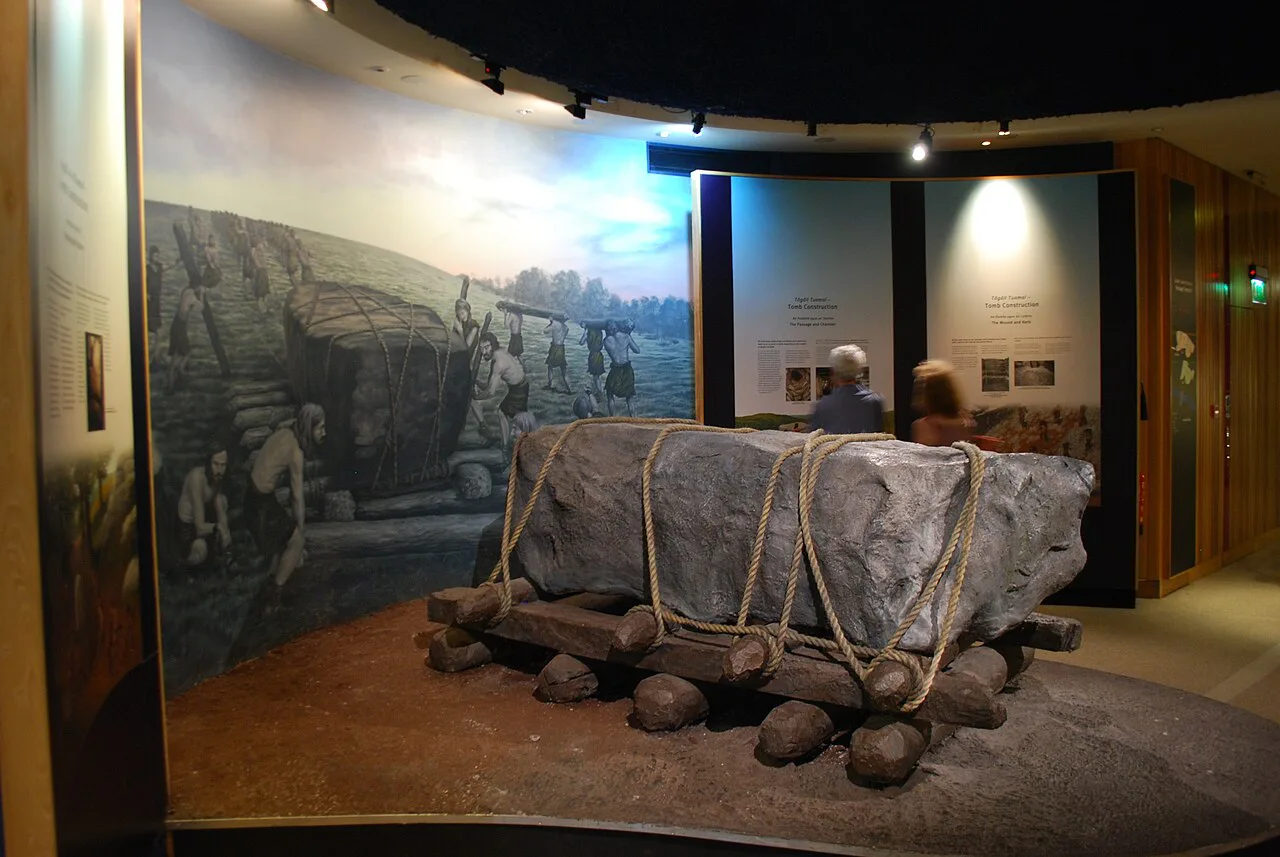
There is a useful distinction in the booking rules that many visitors miss. Pre-booking is essential for the guided monument tours, but a visit to the visitor centre exhibition alone does not require a booking. That makes the exhibition a genuine option on a day when tour tickets have gone, since the centre's displays cover Neolithic culture, the landscape and the monuments themselves.
Booking: The Real Constraint
Every visitor on a monument tour needs a ticket, including children and infants, and unaccompanied minors are not admitted. The Newgrange Tour plus Exhibition, which includes the chamber, is described as limited to one such tour per day, so availability is tight by design rather than by accident. Plan your dates around that scarcity instead of assuming a slot will be waiting.
Tickets are released online at midnight Irish time, and cancellations are pushed back online at short notice when they occur. The operator warns that access is not guaranteed without a pre-booked ticket and that visitors may face long delays or be turned away. Check the booking page shortly before travelling, because a released cancellation may be the realistic route in.
Groups of 15 to 30 must pre-book one of the designated group slots by emailing the site in advance, so larger parties cannot simply buy individually and turn up together. Independent travellers should not assume any walk-up capacity exists on the day.
Buy Official Tickets Only
The Office of Public Works states that no third-party organisations are authorised to sell tickets for Newgrange and Knowth, and that tickets bought from other sites, including ticketing resale platforms, will not be valid. Such ticket-holders are refused entry at the site, which means a resale purchase can cost you both money and the visit itself. Buy through the official channel and nothing else.
The operator also flags look-alike websites with domain names close to its own that have no connection to the Office of Public Works. Before entering payment details, confirm you are on the official Heritage Ireland booking pages linked from the site's own visitor page. If tickets appear strangely available when everything else is sold out, treat that as a reason for caution rather than excitement.
The Winter Solstice Story
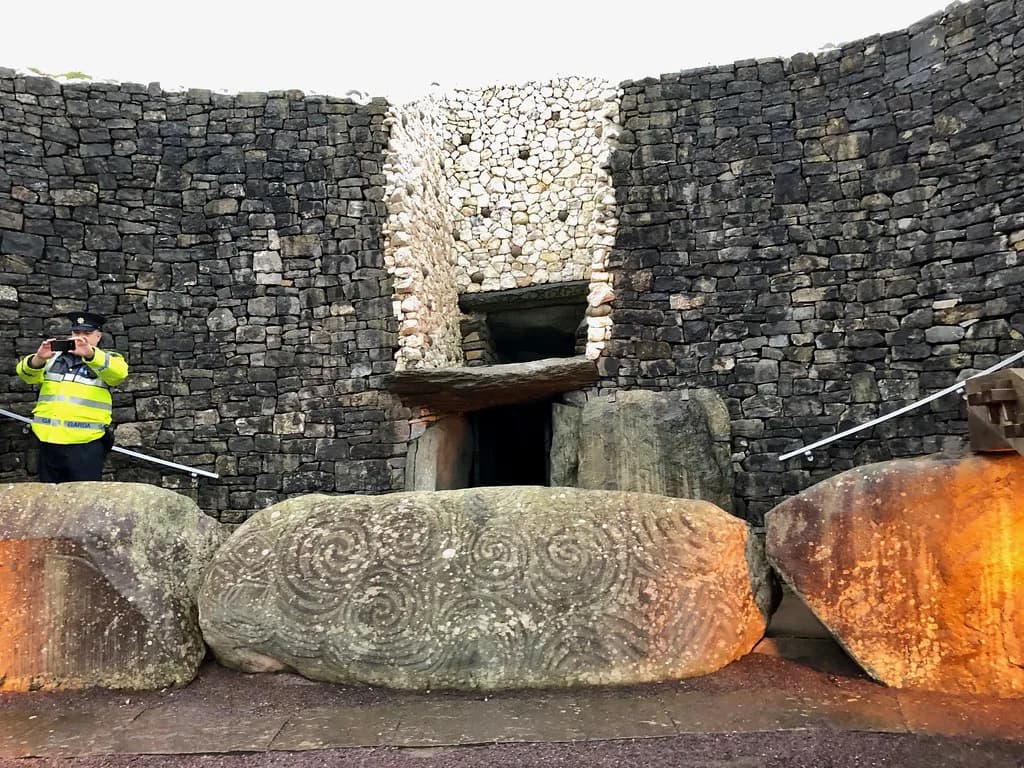
The solstice alignment is the element most visitors have heard of before they arrive. Above the entrance to the passage is an opening known as a roof-box, and on mornings around the winter solstice a beam of sunrise light passes through it and travels along the passage towards the chamber. That description comes from the operator and from an independent account of a tour that included an in-chamber demonstration; it is worth separating the phenomenon itself from speculation about what the builders intended, which remains interpretation rather than record.
The same independent account singles out the entrance stone with its triple-spiral carving as one of the details to look for on the way in. The operator's visitor page does not publish lottery arrangements for solstice mornings, so treat popular figures about crowd numbers or access draws as unverified and confirm the procedure directly with the site if that is your reason for going.
Around the solstice itself, the operator advertises earlier opening on winter-solstice mornings from 19 to 23 December, with regular tour options suspended on those days. The sites are also closed from 24 to 27 December inclusive and on 1 January. Anyone travelling in late December should build a flexible day around those dates rather than a fixed itinerary.
Inside the Passage and Chamber
The passage and chamber at Newgrange are low and narrow, and the operator warns they may not suit visitors with claustrophobia or mobility issues. That is a decision to make before booking rather than at the entrance, because the chamber tour is the scarce ticket. If you have doubts about confined spaces, contact the site in advance and ask what the tour involves.
Photography is not permitted in the passage or chamber, and commercial filming or photography requires a permit. Plan on experiencing the interior without a camera and save your photographs for the exterior and the landscape. The exhibition at the visitor centre is the place to absorb the detail you cannot photograph underground.
Access, Weather and Practicalities
Universal access is limited at the monuments, so wheelchair users and anyone needing special assistance should email the site in advance of booking to discuss what is possible. The tombs are outdoor sites with no shelter, which makes weather protection part of the visit rather than an afterthought. Rain gear and shoes suited to uneven ground matter more here than in a museum.
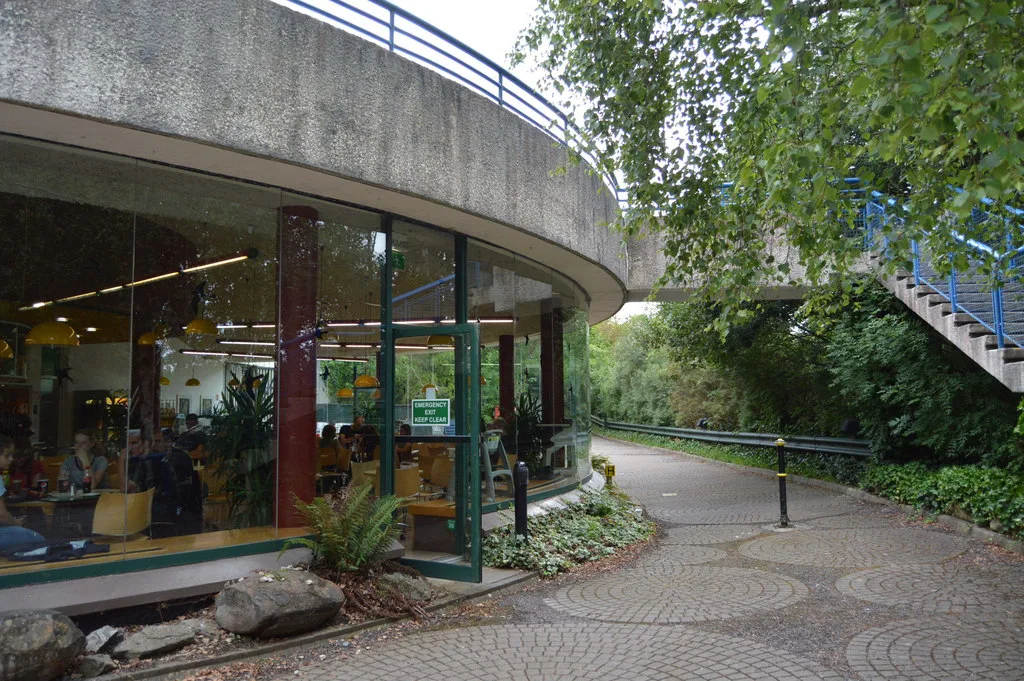
Access can change at short notice because of weather, and the operator advises checking the site's open or closed status if conditions look doubtful. That is the second point worth verifying on the day, alongside your booking. Neither the centre's facilities nor refreshment options are set out on the visitor page, so plan food and drink without assuming an on-site café.
Nearby Sites That Are Separate Properties
The Hill of Tara is a distinct Office of Public Works site, not part of Brú na Bóinne, and its story runs from a late Stone Age passage tomb through its role as the seat of the high kings. Its earthworks and the Lia Fáil standing stone on An Forradh survive, though the halls and palaces do not; the stone's link to legendary treasures is tradition, not documented fact. The site is open across the year, but guide presence has ceased for the 2026 season and access for visitors with disabilities is restricted. For other monuments in the same care, our guide to ancient sites in Ireland covers tombs, forts and trackways nationwide.
Old Mellifont Cistercian Abbey was Ireland's first Cistercian monastery, founded in 1142, and its two-storey octagonal lavabo is the architectural highlight. The page carries a Site Closed notice while also listing grounds-only free entry and charges for the visitor centre and guided tours, a conflict the operator has not resolved publicly. Confirm the current status before making the trip, and do not assume the exhibition is open.
The Battle of the Boyne visitor experience at Oldbridge covers the 1690 clash between William III and James II, but Oldbridge House itself remains closed and the exhibition is currently reached through the adjoining Stable Yard. The grounds and Walled Garden are free, and the operator has advertised free self-guided exhibition entry for a limited time only, alongside a published adult rate. A dated road notice from 11 April 2025 restricted vehicular access for that day and should not be read as current.
The Battle of the Boyne page notes that TFI Local Link Route 163 links Brú na Bóinne with the Battle of the Boyne site, so a car-free day combining the two is feasible. Those broader contexts are worth adding only after the Newgrange booking is settled, since the monument tours are the fixed point in any Boyne Valley day. If you extend the trip westward, historic castles in county galway make an equally rewarding stop to plan around.
Choosing Your Day
The main planning question is whether the chamber tour suits everyone in your group. If it does, organise the trip around a booking rather than around accommodation or transport, because the daily chamber tour is the tightest constraint. If it does not, the exhibition plus the outdoor landscape still makes a coherent half day without entering the tomb.
If your interest is passage tombs more broadly, other cemeteries around Ireland reward the same curiosity in different settings, and Loughcrew Megalithic Cemetery is one comparison worth reading about before you commit your dates. For the wider picture beyond a single cemetery, our guide to ancient sites in Ireland covers tombs, forts and trackways across the country.
Plan Your Visit
Newgrange rewards preparation more than most Irish monuments because so much of the visit is controlled by booking rules and shuttle logistics. Secure an official ticket through the Heritage Ireland booking pages, start at the visitor centre, and keep your day flexible enough to absorb a weather change. Verify the two details that shift: live ticket availability and the site's open or closed status on the morning you travel.
If dates remain open, adding a second passage-tomb site elsewhere in Ireland gives useful perspective on what makes Brú na Bóinne exceptional, and Carrowmore Megalithic Cemetery in County Sligo is one option to research in parallel. For a county-by-county overview of similar monuments, our guide to ancient sites in Ireland is a sensible next read.
Frequently Asked Questions
Do you have to go to the visitor centre to see Newgrange?
Yes. The Brú na Bóinne Visitor Centre is the starting point for all visits to Newgrange and Knowth, and a shuttle bus takes ticket-holders to the monuments. The operator states that visitors who go directly to the monuments will not gain entry, so the centre is part of the visit rather than an optional extra.
Can you visit the exhibition without a monument tour?
Pre-booking is essential for the guided monument tours, but a visit to the visitor centre exhibition alone does not require a booking. If tour tickets are unavailable, the exhibition on Neolithic culture, landscape and monuments is a reasonable alternative, subject to the centre's own opening arrangements on the day you travel.
How far ahead should you book?
There is no reliable safe interval published. The chamber-inclusive Newgrange tour is limited to one such tour per day, tickets are released online at midnight Irish time, and cancellations are re-released at short notice. Check the official booking page early, and again shortly before travelling in case a cancellation has appeared.
Can you take photos inside the chamber?
No. Photography is not permitted in the passage or chamber at Newgrange, and commercial filming or photography requires a permit. Photographs are fine outside, and the visitor centre exhibition is where to take in the detail you cannot capture underground.
Is the chamber suitable for claustrophobic visitors?
The passage and chamber are low and narrow, and the operator warns they may not be suitable for visitors with claustrophobia or mobility issues. If you are uncertain, contact the site before booking and ask what the tour involves, since the chamber tour is the most scarce ticket.
What should you do if winter weather threatens your visit?
Access can change at short notice due to weather, and the operator advises checking the site's open or closed status if conditions are doubtful. Around late December, note that regular tours are suspended during the special solstice-morning opening from 19 to 23 December, and the sites are closed from 24 to 27 December and on 1 January.
Sources
You might also like



Continue reading
More guides you'll find useful




