
Old Croghan Man: The Iron Age Bog Body and Where to See Him
Old Croghan Man is an Iron Age bog body found in County Offaly in 2003. Learn what research established and how to see the remains at the National Museum.
On this page
Old Croghan Man is an Early Iron Age bog body recovered in 2003 from a bog in County Offaly and now held by the National Museum of Ireland; remains are displayed in the free Kingship and Sacrifice exhibition at Kildare Street, Dublin. The findspot itself is archaeological context rather than a visitor site, so the museum gallery is where the evidence can actually be encountered. This guide separates what the research record supports from what remains interpretation, then sets out the practical terms of a visit.
The 2003 discovery in County Offaly
Old Croghan Man was recovered in 2003 during the cutting of a drainage ditch in a bog in the Irish Midlands, according to a Queen's University Belfast study of the findspot. That detail matters for how the evidence should be read: the body was not excavated from an undisturbed grave in controlled conditions, and only some fingernails and a fragment of a withe remained in their original position in the drain face. Those remnants were the sole basis for reconstructing where the body had lain, which is why later peat analysis at the spot carried so much weight.
The discovery came in the same year as another Iron Age bog body find at Clonycavan, County Meath, and the two together prompted the National Museum of Ireland to establish its Bog Bodies Research Project. The project's purpose was scientific rather than antiquarian: to examine and document the human remains systematically rather than piecemeal. That institutional response is the reason Old Croghan Man is now documented to a standard that older bog body finds never received.
Dating the remains: two overlapping statements
The museum's research project page dates the Oldcroghan and Clonycavan remains to roughly 400 BC to 200 BC, a broad bracket that covers much of the Iron Age. The Queen's University study works at a finer scale for Oldcroghan specifically: it identifies a bog pool that formed at the site in the mid-fourth century BC and argues the body was most likely placed in that pool during the third century BC. The two statements overlap rather than compete, and the narrower one depends on peat stratigraphy at a single spot.
For a wider chronological frame, it helps to set the find against the broader Irish context of iron age Ireland, when connections with Britain and continental Europe are visible in the archaeological record. The point for visitors is precision: treat the museum's range as the headline dating and the third-century proposal as a research refinement tied to one findspot, not a corrected verdict on every Irish bog body. For the capital's later sites, see this Dublin heritage guide.
Reading the landscape around the findspot
The Queen's University researchers reconstructed the depositional setting by analysing a peat monolith taken at the findspot, and the results describe a landscape with a long human history. Pollen showed intensive activity in the surrounding area during the Later Bronze Age, followed by apparent abandonment across the transition to the Iron Age; woodland clearance then recurred shortly before or around the time of deposition, as the extended pollen record shows. The study also found no carrion beetle remains, which it takes to indicate that the body was fully submerged in the pool rather than exposed.
The limits of this work are worth stating plainly. It is a single-site, multi-proxy study of one peat column, so it can describe conditions at that pool but cannot stand in for a regional picture of Iron Age ritual or settlement, and its findings should not be transferred to Clonycavan or to other bog bodies. Readers interested in the preceding period can compare the pollen record with the broader archaeology of bronze age Ireland, where clearance and farming are traced through the same kind of peat evidence.
What the scientific programme examined
The Bog Bodies Research Project drew on a multi-disciplinary team of international experts, with thirty-five specialists working alongside the museum's Irish Antiquities Division and Conservation Department. The analyses listed by the museum include CT and MRI scanning, palaeodietary analysis, fingerprinting, and histological and pathological work. Each of those techniques answers a different question, which is why the project published an overview of methods and significance rather than a single narrative of the man's life.
What the exhibition presents is an interpretation, not a biography. The sovereignty-and-kingship reading is advanced by the museum as a theory rather than demonstrated fact about any individual, and the analyses named by the project concern methods and significance rather than a settled account of one man's life. Visitors who want the comparative material can read the separate account of clonycavan man, the County Meath find that triggered the same research programme.
The Kingship and Sacrifice exhibition at Kildare Street
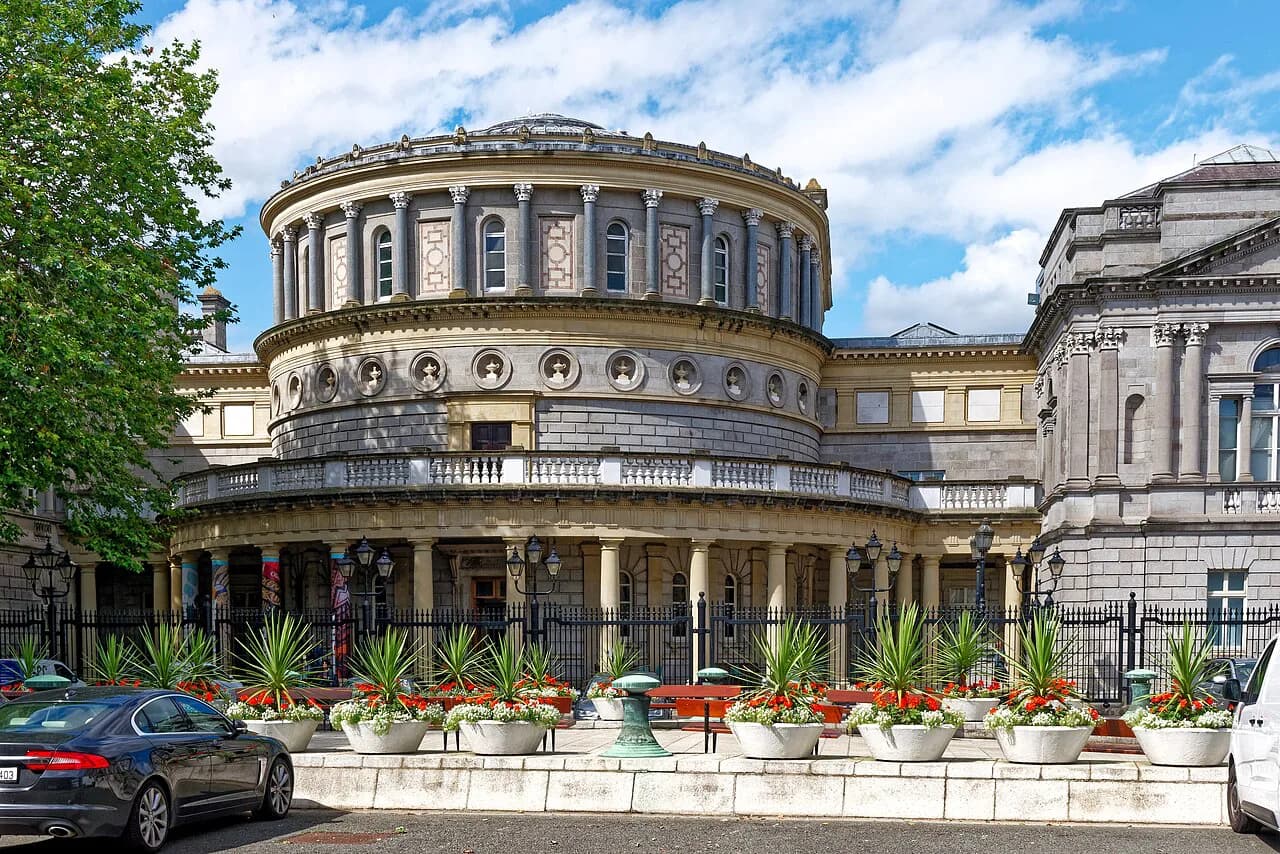
The remains are displayed in Kingship and Sacrifice, described by the National Museum of Ireland as a permanent exhibition at its Archaeology site on Kildare Street, Dublin 2, D02 FH48. Admission is free, and the gallery presents the archaeological significance of the bog bodies alongside the results of the analysis. The exhibition also sets the Irish finds in a European frame, with information on bog bodies from Denmark, Germany, the Netherlands and England.
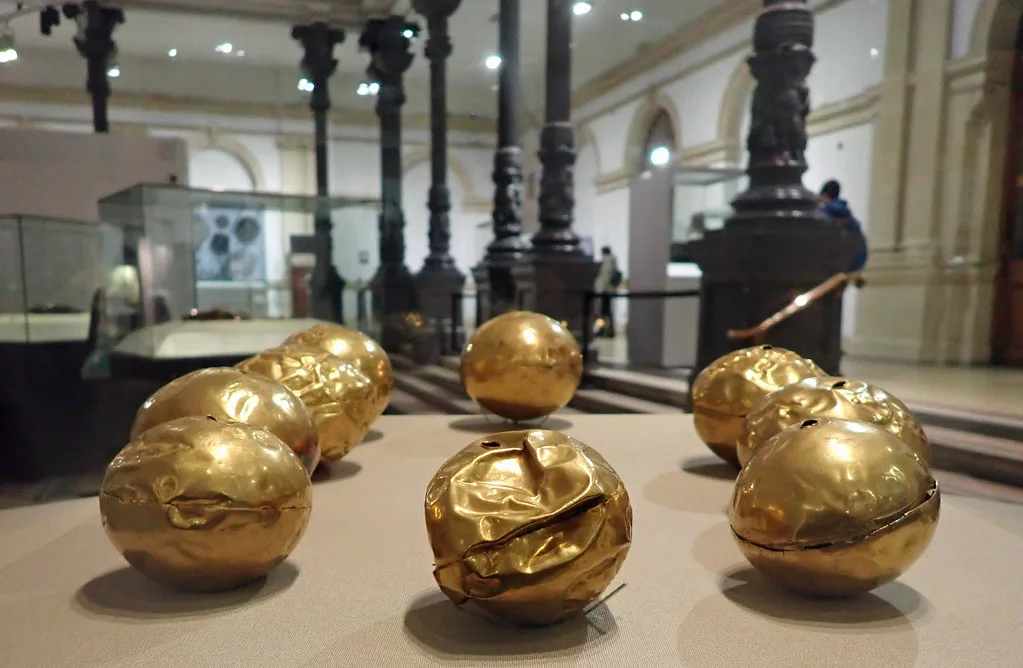
Old Croghan Man is not shown alone. The same gallery features two other Irish bog bodies from the museum's collections, Gallagh Man from County Galway and Baronstown West Man from County Kildare, so a single visit allows comparison across finds rather than a focus on one individual. Associated material on display includes items of royal regalia, horse trappings, weapons, feasting utensils, boundary markers and votive deposits of butter known as bog butter. Reading those objects as a group is more instructive than treating the human remains as a standalone spectacle.
The sovereignty theory: framing, not verdict
The exhibition is built around the theory that human sacrifice and the deposition of victims in bogs along tribal boundaries relate to sovereignty and kingship rituals in the Iron Age. That is the museum's stated interpretive frame, and it is framed as a theory rather than a demonstrated fact about any individual. Visitors should hold the distinction firmly: the gallery argues a case from deposition patterns and associated objects, and the labels are where that argument is set out.
Because the interpretation rests on analogy and deposition patterns rather than on the analysed remains alone, the most useful preparation is to read the labels slowly and note which statements rest on analysis and which rest on comparison with other European finds. The comparative material from Denmark, Germany, the Netherlands and England exists precisely because the argument is broader than one bog. For a wider survey of the corpus, the guide to irish bog bodies puts the named individuals in sequence.
Planning the visit: hours, closures and gallery conditions
Published opening hours at Kildare Street are Tuesday to Saturday 10am to 5pm, and Sunday and Monday 1pm to 5pm, with a late opening on the last Thursday of each month. The museum recommends 4.30pm as the last entry time to allow for the full galleries, and admission is free across all four National Museum of Ireland sites. Two dated exceptions apply in autumn 2026: the site is closed on Sunday 25 October and on the Bank Holiday Monday 26 October 2026 because of industrial action.
Groups of eight or more must book in advance through the Bookings Office, while families, individuals and small groups do not need a booking. The cloakroom is currently unavailable, so large bags and motorcycle helmets should be left behind rather than carried into the galleries. Hand-held cameras are permitted, but flash, video, tripods and professional equipment are not.
Individual galleries can close at short notice, and the museum advises calling ahead on +353 1 677 7444 if you are travelling for a particular object. That is the one check worth making before a dedicated trip, since advance notice of gallery closures may not always be possible. Accessible toilets are on the ground floor beyond the central rotunda, and the reception desk at the main entrance is the place to ask about the collection.
Where the findspot fits
The County Offaly bog where Old Croghan Man was recovered is not a public attraction and should not be treated as one; the drainage-ditch context described in the findspot study is archaeological documentation, not a visitor route. The museum holds the remains and the analysis, and that is where the evidence can be examined responsibly. For anyone building a wider itinerary around comparable monuments, ancient sites in Ireland offers a way to place museum collections alongside field monuments, and the account of castles in county galway is useful if a western route is on the plan.
A Research-Led Visit
Old Croghan Man rewards a visit framed around evidence rather than sensation: a 2003 discovery during drainage work, a national research programme built in response, and a findspot study that reconstructs a bog pool and a landscape. The sovereignty reading in the gallery is the museum's interpretive argument, and the dating should be quoted as the published range rather than as a fixed date of death.
Go to Kildare Street with the hours confirmed, leave the large bag at home, and allow time to read the labels that tie the human remains to regalia, weapons, feasting equipment and bog butter. If one object is the reason for the journey, telephone ahead so a short-notice gallery closure does not undo the trip.
Frequently Asked Questions
Where can you see Old Croghan Man?
The remains are displayed in the Kingship and Sacrifice exhibition at the National Museum of Ireland's Archaeology site on Kildare Street, Dublin 2. Admission is free. Because individual galleries can close at short notice, the museum advises telephoning ahead if you are travelling specifically to see one object.
When was Old Croghan Man found and how old are the remains?
He was recovered in 2003 during the cutting of a drainage ditch in a bog in the Irish Midlands, in County Offaly. The museum dates the Oldcroghan and Clonycavan remains to roughly 400 BC to 200 BC, while a findspot study argues the body was most likely placed in a pool there during the third century BC.
What did the Bog Bodies Research Project do?
Established by the National Museum of Ireland in 2003 after the Oldcroghan and Clonycavan finds, it brought together international specialists with the museum's Irish Antiquities Division and Conservation Department. Documented analyses include CT and MRI scanning, palaeodietary work, fingerprinting, and histological and pathological examination.
What does the findspot study say about the County Offaly site?
Analysis of a peat column showed intensive Later Bronze Age activity around the spot, apparent abandonment in the transition to the Iron Age, and renewed woodland clearance around the time of deposition. A bog pool formed there in the mid-fourth century BC, and the absence of carrion beetles suggests the body was fully submerged.
Is the County Offaly findspot open to visitors?
No. The location is recorded as archaeological context and is not presented as a public attraction. The place to encounter the remains and the research is the museum gallery in Dublin.
What else is displayed alongside Old Croghan Man?
The gallery also features two other Irish bog bodies, Gallagh Man from County Galway and Baronstown West Man from County Kildare, plus royal regalia, horse trappings, weapons, feasting utensils, boundary markers and bog butter. Comparative information covers bog bodies from Denmark, Germany, the Netherlands and England.
Is the exhibition free and what are the opening hours?
Admission is free. Hours are Tuesday to Saturday 10am to 5pm and Sunday and Monday 1pm to 5pm, with a late opening on the last Thursday of each month and a recommended last entry of 4.30pm. The site is closed on Sunday 25 and Bank Holiday Monday 26 October 2026 due to industrial action.
Can you take photographs in the gallery?
Hand-held cameras are allowed in the galleries for personal use, but flash, video, tripods and professional equipment are not permitted, and commercial use is not allowed. The cloakroom is currently unavailable, so avoid bringing large bags or motorcycle helmets.
Sources
- Bog Bodies Research Project | National Museum of Ireland
- A multi-proxy palaeoenvironmental investigation of the findspot of an Iron Age bog body from Oldcroghan, Co. Offaly, Ireland - Queen's University Belfast
- Kingship and Sacrifice | Archaeology | National Museum of Ireland
- Opening Hours, Location and Facilities | Archaeology | National Museum of Ireland
You might also like



Continue reading
More guides you'll find useful



