
Iron Age Ireland: Bog Roads, Bog Bodies and Hilltop Sites
Iron Age Ireland explained through places you can actually visit: the Corlea trackway, Tara's earthworks, Galway's metalwork display and Dublin's bog bodies.
On this page
Iron Age Ireland left few of the stone monuments that draw visitors to older periods. What survives is more scattered: timber roads preserved in peat, metalwork decorated in the La Tène style, defended homesteads reduced to earthworks, and human remains recovered from bogs. Four places let you encounter that material directly, and they are not interchangeable.
Corlea in County Longford keeps an Iron Age roadway inside an interpretive centre and admits visitors by guided tour only. The Hill of Tara in County Meath is open ground you walk yourself. Galway City Museum covers the western archaeological sequence, while the National Museum of Ireland at Kildare Street in Dublin displays bog bodies and the research behind them, and our guide to Old Croghan Man follows the human story further. Choosing between them is mostly a question of how much structure you want.
What the Period Actually Covers
Galway City Museum frames the Iron Age as running from 500 BC to 500 AD, beginning with the emergence of iron technology in Ireland and ending around the introduction of Christianity. That is a working range rather than a fixed rule; Heritage Ireland's page for the Hill of Tara uses 600 BC to 400 AD for the site's rise to prominence. Archaeological period boundaries vary between regions and institutions, so treat any single date range as a convention, not a hard edge. For the western sequence in more depth, see the Galway heritage guide.
The technological change that names the period was real but gradual. Iron had been worked in continental Europe long before it was adopted in Ireland, and much of the metalwork produced here carried decoration in the La Tène style, an art tradition shared across Europe. Visitors reading museum labels will meet this term repeatedly, attached to spearheads, swords, horse harnesses and personal ornaments such as pins and brooches.
Reading the Objects in Galway
Galway City Museum's Prehistoric Galway exhibition sets out the regional sequence and is the most useful single place to understand how the period is reconstructed in the west; for the wider material record of the island, see our Bronze Age Ireland guide. Its account notes that the Iron Age population lived in rural homesteads, many defended by earthen or stone ramparts, some within hilltop enclosures. Pottery appears to have fallen out of favour in favour of wooden or metal containers, a shift that shapes what archaeologists recover and what visitors see.
The same display also refers to a network of wooden trackways discovered in the Irish midlands, which the museum's account says indicate that wheeled transport such as horses and carts was in use during the Iron Age. It also names the Turoe Stone near Loughrea in County Galway as an example of exceptional stone-working in the La Tène style. That reference is to the object's carved decoration and its rough location, not an invitation to visit it, so check locally before planning any trip around it.
Corlea: An Iron Age Road in the Bog
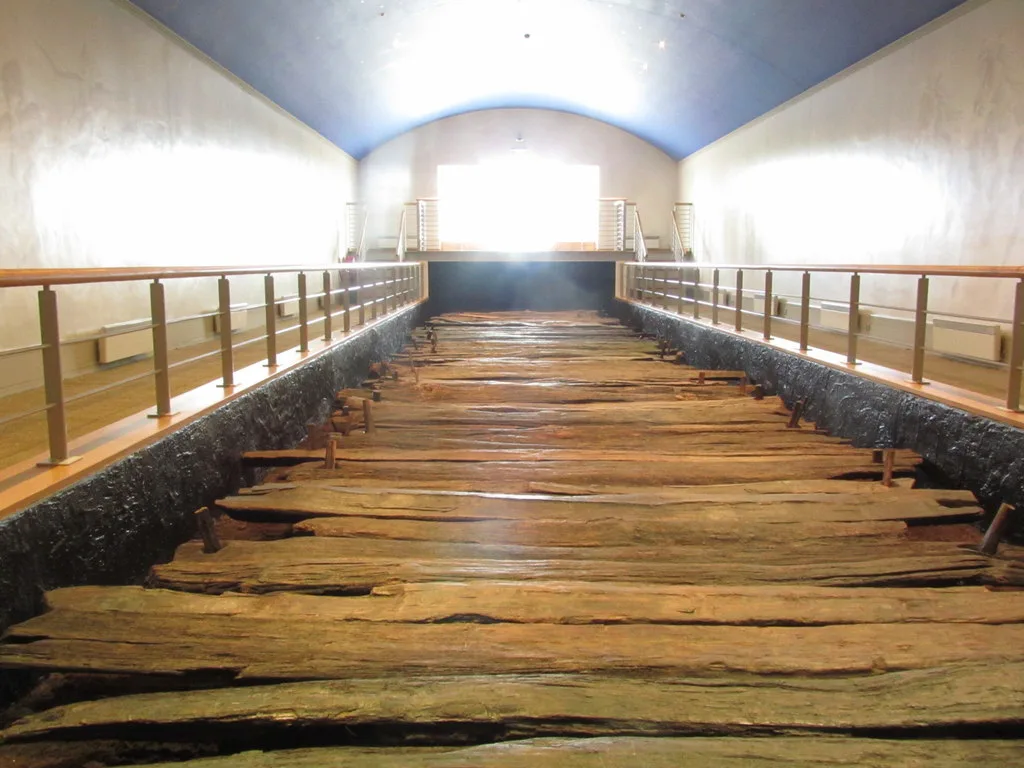
The Corlea trackway is a togher, a road built through bogland, dated to 148 BC. It was constructed from heavy oak planks that sank into the peat shortly after building, which made it useless as a route but preserved the timber for two millennia. Heritage Ireland describes it as the largest structure of its kind to have been uncovered in Europe, and an 18-metre stretch is displayed in a hall designed to keep it stable.
Interpretation at the site raises the possibility that the road formed part of a ceremonial routeway connecting the Hill of Uisneach, a ritual centre, with the royal site of Rathcroghan. That link is a hypothesis rather than an established fact, and it is worth holding in mind as you look at the timbers: the dated structure is the certainty, the purpose is the argument.
Visiting Corlea on a Guided Tour
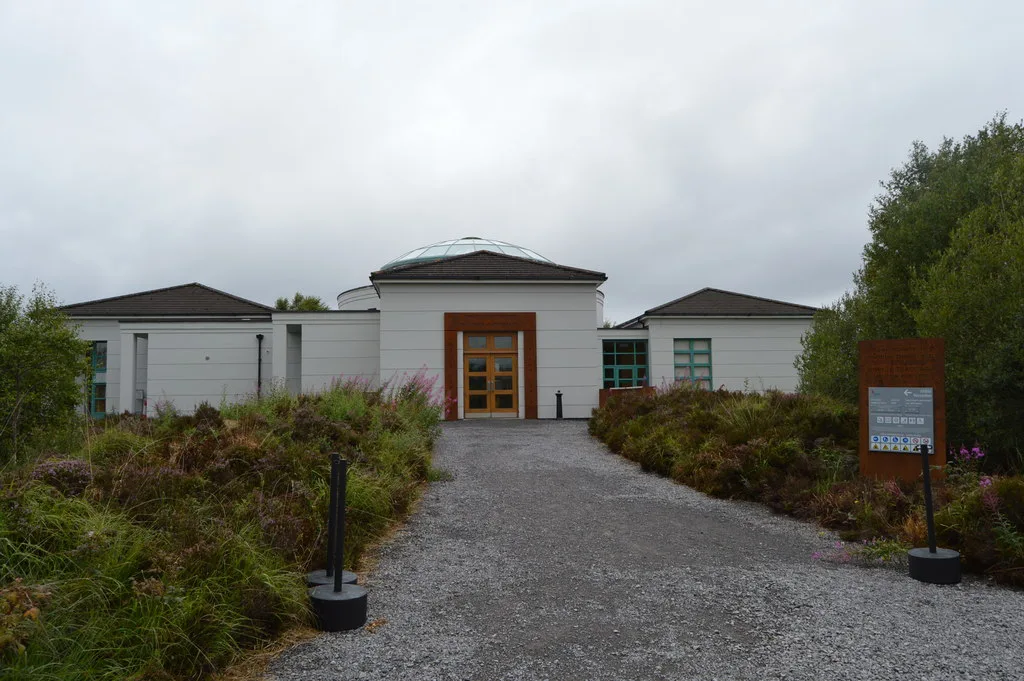
Access to the Corlea Trackway Visitor Centre is by guided tour only, so the final tour time, not the closing time, is what should govern your schedule. For the 2026 season the centre is open daily from 14 March to 4 November, 10:00 to 18:00, with last admission and the final tour at 17:00. It sits 3 kilometres from Kenagh village on the R357, with an audio-visual show, picnic area and toilets listed among its facilities.
Because the season has fixed end dates, an autumn visit needs planning rather than assumption. If the trackway itself is the reason for your journey, confirm the tour is running on your chosen day before setting out, since a long detour to County Longford leaves little else nearby to fill the time.
Tara: Earthworks and Legend
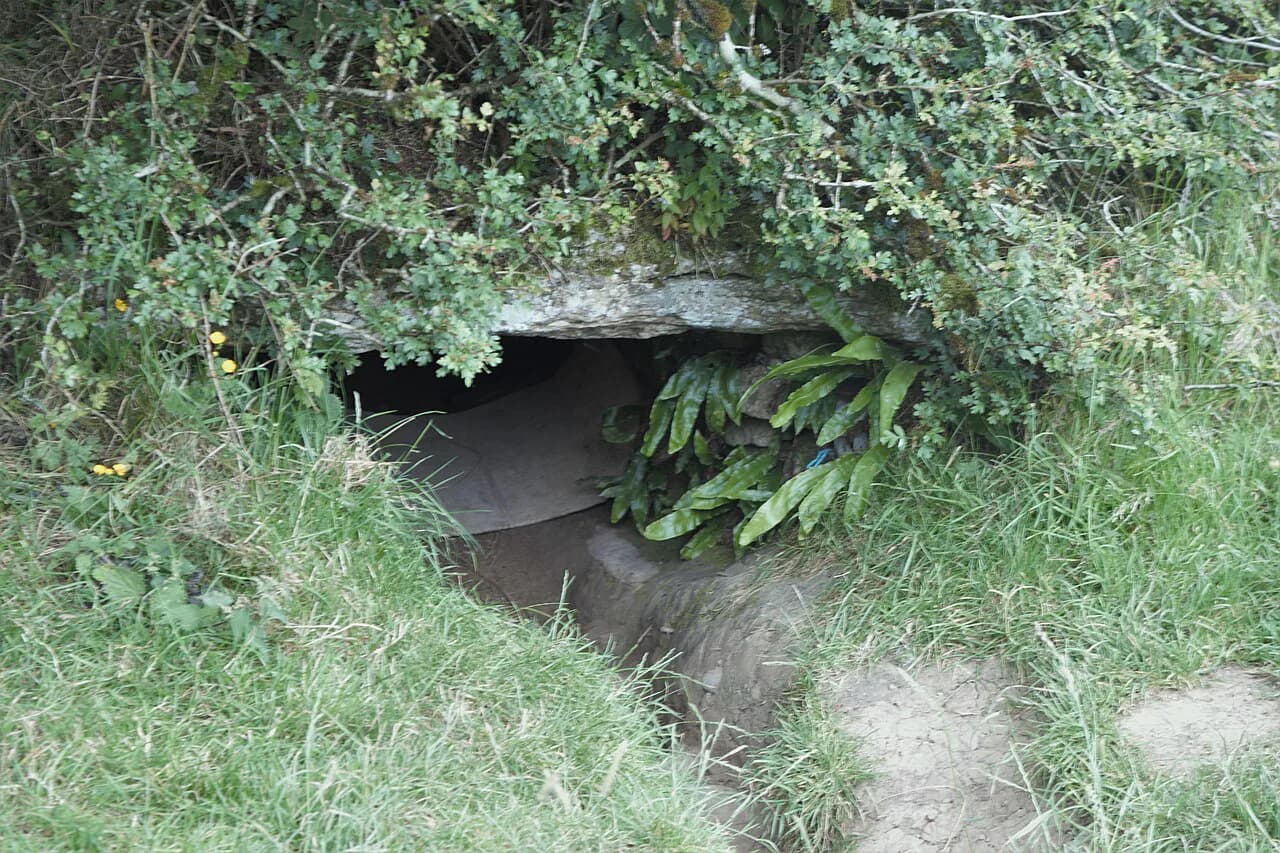
The Hill of Tara was important from the late Stone Age, when a passage tomb was raised there, but it became truly significant in the Iron Age and into the early Christian period, when it rose to prominence and was traditionally regarded as the seat of the high kings of Ireland. Its halls and palaces have vanished, leaving earthworks as the tangible remains. Walking the site is therefore an exercise in reading ground levels and outlines rather than admiring standing structures. For other early sites in the same tradition, see our guide to ancient sites in Ireland.
The Lia Fáil, the coronation stone standing on the monument known as An Forradh, belongs to legend as much as to archaeology: Heritage Ireland lists it among the four legendary treasures of the Tuatha Dé Danann. The high-kingship association is traditional framing built over a genuinely long-lived ceremonial site, and the two strands are best kept separate in your own reading of the hill.
Walking Tara Without a Guide
Tara is an open site accessible throughout the year, and guide presence ceased for the 2026 season, so plan a self-directed walk rather than expecting a tour. The terrain is uneven and much of the visit is outdoors, which makes weather-protective clothing and proper shoes a practical necessity rather than a suggestion. Access is restricted for visitors with disabilities, so check the site's own guidance before travelling.
Dogs must be kept on leads in outdoor areas and are not allowed on tours or in the visitor centre except for guide and assistance dogs. Toilets and a gift shop are in the car park offsite. Set aside enough time to walk between the main earthworks rather than treating the hill as a quick photo stop, because the scale only becomes clear on foot.
Bog Bodies at Kildare Street
The National Museum of Ireland's Kingship and Sacrifice exhibition is built around a specific theory: that human sacrifice and the deposition of victims in bogs along tribal boundaries related to sovereignty and kingship rituals during the Iron Age. It is a free permanent exhibition at the Archaeology site on Kildare Street in Dublin, and it presents the theory as interpretation, supported by analysis rather than proven motive.
The display also includes royal regalia, horse trappings, weapons, feasting utensils, boundary markers and votive deposits of bog butter, and it sets Irish finds in a broader European context that takes in bog bodies from Denmark, Germany, the Netherlands and England. Two further Irish bog bodies from the museum's collections, Gallagh Man from County Galway and Baronstown West Man from County Kildare, are also shown. For the full context, including the Kingship and Sacrifice exhibition, see our Irish bog bodies guide.
The Research Behind the Display
Kingship and Sacrifice grew out of the museum's Bog Bodies Research Project, established in 2003 after Iron Age bog bodies were found at Oldcroghan in County Offaly and Clonycavan in County Meath. Those two remains were dated to roughly 400 BC to 200 BC; the dating applies to them specifically and should not be extended to every bog body in Ireland.
A multidisciplinary team of 35 specialists worked with the museum's Irish Antiquities Division and Conservation Department, using CT and MRI scanning alongside palaeodietary, fingerprinting, histological and pathological analysis. This is laboratory research on recovered remains, not an excavation you can watch, and the findspots themselves are not visitor sites. The exhibition is where that work becomes visible.
Practical Notes for Kildare Street
Ordinary opening hours at Kildare Street are Tuesday to Saturday 10:00 to 17:00 and Sunday and Monday 13:00 to 17:00, with late opening on the last Thursday of each month and a recommended last entry of 16:30. Admission is free at all four National Museum sites, and groups of eight or more must book in advance, though families and individuals do not.
One dated exception matters if you are planning a late-October trip: the Kildare Street site is closed on Sunday 25 and Monday 26 October 2026 because of industrial action. That affects those two days only and should not be read as a general weekend closure. Galleries can also shut at short notice, so if a particular object is your reason for going, telephone ahead to confirm it is on view.
The cloakroom is currently unavailable, so large bags and suitcases should be left at your accommodation. Hand-held photography without flash is permitted for personal use. Budget around two hours if you want to read the bog body material properly rather than pass through the case. To follow the wider story of these finds, see our Old Croghan Man guide.
Choosing Between Indoor and Outdoor
If you want to see original Iron Age timber, Corlea is the only one of these places where the structure itself is on display, but it demands a booked tour inside a fixed season. If you prefer open ground and a self-paced walk, Tara delivers atmosphere and earthworks with no fixed hours but no guide in 2026. The museum options in Galway and Dublin suit wet days and short visits.
Each place leaves something out. Corlea does not set the road in a broad artefact collection, Tara has lost its buildings, and museum galleries cannot convey the scale of a landscape. Combining one outdoor site with one museum collection gives a fuller picture than either alone, and the sequence matters less than allowing time for both.
Plan Your Visit
Iron Age Ireland rewards travellers willing to look at timber, earthworks and museum cases rather than monumental stone. Start with a clear idea of which access model fits your trip: guided tour at Corlea, open ground at Tara, or free galleries in Galway and Dublin. Check the specific season windows and any dated closure notices before you commit to a route.
Explore more Ireland guides
Frequently Asked Questions
Can you visit an Iron Age site in Ireland without a guided tour?
Yes. The Hill of Tara is an open site accessible throughout the year and is walked self-directed, though guide presence ceased for the 2026 season and the terrain is uneven. The National Museum of Ireland galleries in Dublin are also self-guided, with no booking needed for individuals and families. Corlea is the exception: access to the trackway centre is by guided tour only.
What is actually on display at Corlea Trackway Visitor Centre?
An 18-metre stretch of the Iron Age oak roadway is displayed in a hall designed to preserve it, alongside an audio-visual show. The road itself is dated to 148 BC and is described as the largest structure of its kind uncovered in Europe. Access is by guided tour, and the last tour begins well before closing time, so plan around that rather than the closing hour.
Is the Hill of Tara an Iron Age site?
Partly. Tara was important from the late Stone Age, when a passage tomb was built, but its real prominence came during the Iron Age and into the early Christian period, when it was traditionally regarded as the seat of the high kings. The halls and palaces are gone, leaving earthworks as the physical remains. The Lia Fáil on An Forradh belongs to legendary tradition as much as archaeology.
Where can I see Irish bog bodies?
The National Museum of Ireland at Kildare Street in Dublin displays Kingship and Sacrifice, a permanent free exhibition built around the theory that bog deposition related to sovereignty and kingship rituals. It includes two further Irish bog bodies from the museum's collections, Gallagh Man and Baronstown West Man, and sets Irish finds alongside European examples. The findspots themselves are not visitor sites.
How old is the Corlea trackway?
Heritage Ireland dates the Corlea togher to 148 BC. It was built from heavy oak planks that quickly sank into the peat, which ended its usefulness as a road but preserved the timber in waterlogged conditions for roughly two millennia. An 18-metre section is now displayed indoors under controlled conditions.
Do you need to book the National Museum of Ireland?
Not for ordinary visits by individuals, families or small groups, and admission is free. Groups of eight or more must arrange a booking in advance through the museum's bookings office. If you are travelling specifically to see one object, telephone ahead, since individual galleries can close at short notice for reasons the museum cannot always flag in advance.
Sources
- https://galwaycitymuseum.ie/exhibition/prehistoric-galway/
- Corlea Iron Age Roadway and Visitor Centre | Heritage Ireland
- Hill of Tara | Heritage Ireland
- Kingship and Sacrifice | Archaeology | National Museum of Ireland
- Bog Bodies Research Project | National Museum of Ireland
- Opening Hours, Location and Facilities | Archaeology | National Museum of Ireland
You might also like



Continue reading
More guides you'll find useful





