
Coole Park: Literary Heritage and Trails in County Galway
Plan a visit to Coole Park near Gort, County Galway. Explore Lady Gregory's literary legacy, the Autograph Tree, and the reserve's woodland trails.
On this page
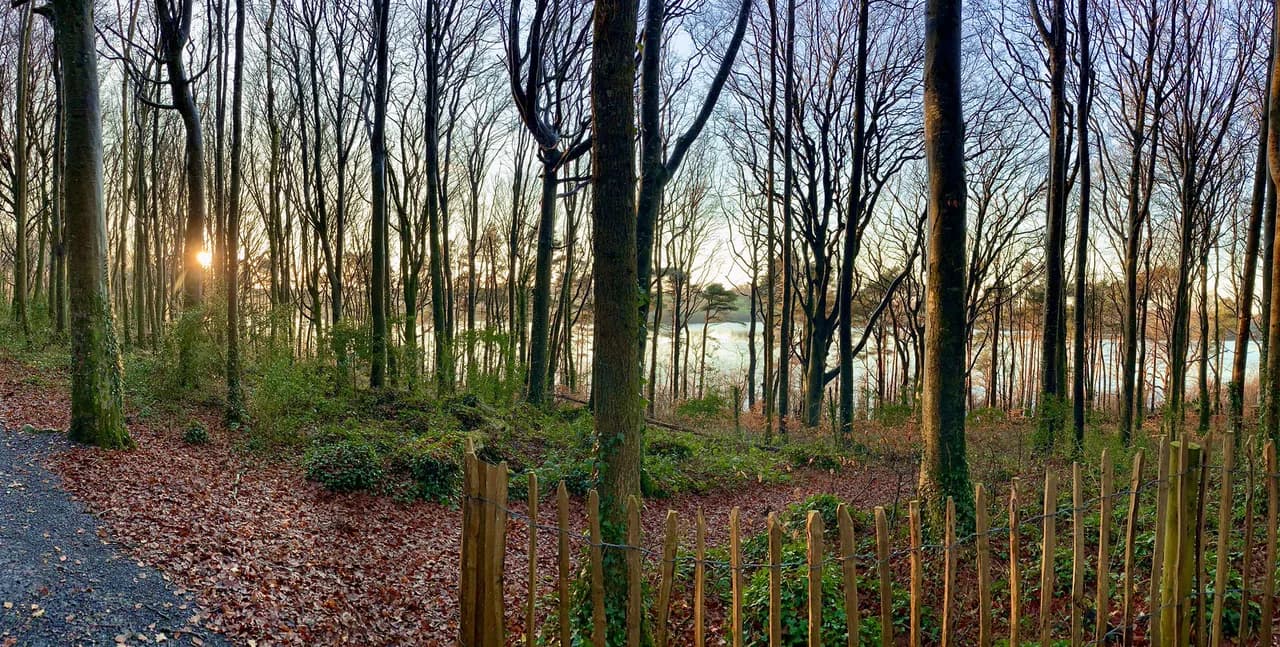
Coole Park is not a house visit. It is a nature reserve of roughly 400 hectares west of Gort, County Galway, managed by the National Parks and Wildlife Service, where the former Gregory estate's grounds, woods and wetland carry most of what a visitor comes to see. The big house that anchored its literary history no longer stands, so plan for walking and looking rather than rooms.
What distinguishes Coole is the pairing of ecology and literature in one small compass. A landscape of limestone, seasonal lakes and woodland was, in the early twentieth century, a gathering place for writers including W.B. Yeats, George Bernard Shaw, John Millington Synge and Sean O'Casey, and a copper beech in the walled garden still carries carved initials from that circle.
What Coole Park is and where it sits
The reserve lies in the low-lying karstic limestone country west of Gort, in County Galway, where wetland and woodland meet across about 400 hectares, or roughly 1,000 acres. The National Parks and Wildlife Service manages it as a nature reserve at the centre of a complex wetland system of underground rivers, turloughs, springs and swallow holes, which is the reason the site is protected and interpreted as a landscape rather than a garden.
An independent cycling-route description puts the reserve, together with adjoining Garryland, at approximately 405 hectares and notes about 6 kilometres of trails maintained by the service. The slight difference in area figures is worth knowing if you are cross-checking distances: treat trail lengths as approximate, and confirm current details on the reserve's own site.
Location matters for planning a day. Gort is the nearest town, and Coole is often paired with other stops in the area such as Kiltartan and Kilmacduagh, which the cycling route suggests as a wider loop. If you are building a literary itinerary rather than a single outing, the broader Literary Ireland trail offers context on other writer-associated places in the country.
A landscape shaped by water and stone
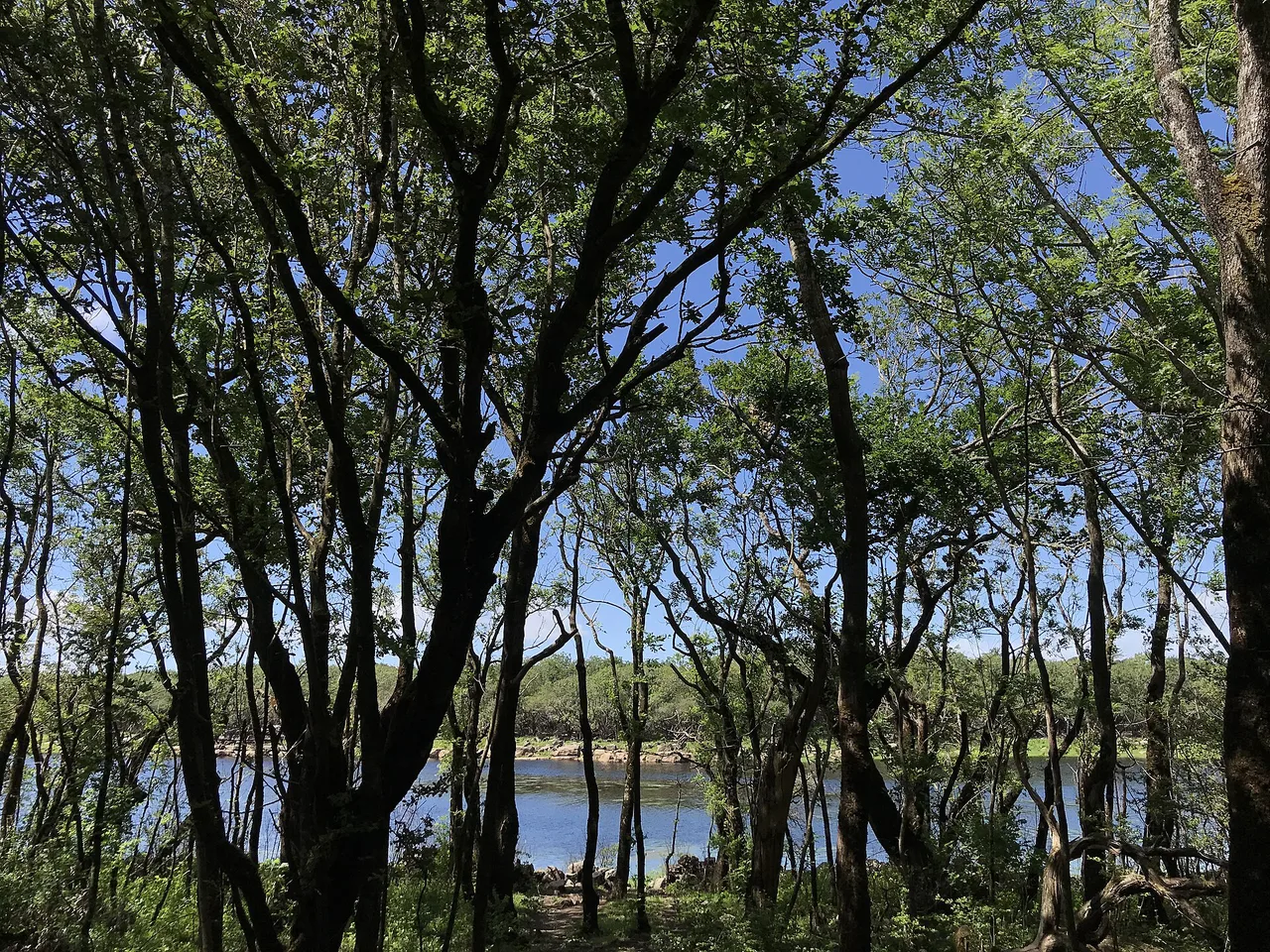
The reserve's character comes from water moving through limestone. Seasonal lakes known as turloughs fill and empty, springs rise, and streams disappear into swallow holes, so the ground underfoot and the views across it change through the year. When you walk, the bare limestone pavement, the reed beds and the open water of Coole lake are the visible expressions of that system rather than separate attractions.
That hydrology explains why the site is managed for nature. It also sets expectations: after wet weather some ground will be soft, and the interest lies in plants, birds and the shape of the land rather than in built features. Bring footwear suited to uneven, sometimes damp terrain and allow more time than a short park stroll would need.
Lady Gregory and the Literary Revival circle
Coole was home to Lady Augusta Gregory, a dramatist and folklorist best known as a co-founder of the Abbey Theatre alongside Edward Martyn of nearby Tullira Castle and the poet W.B. Yeats. In the early twentieth century the estate became a centre of the Irish Literary Revival, drawing Yeats, Shaw, Synge and O'Casey among others. The historical interest is inseparable from the place: the woods, water and garden were the setting these writers knew.
For readers who want to follow the thread further, the Yeats society sligo documents another centre of the poet's life and work in the west, while the wb yeats grave page covers his burial place. Neither substitutes for Coole, but together they map a literary landscape across Sligo and Galway that rewards a longer trip.
Gregory's own work as a folklorist and translator of stories from the west of Ireland gives another way into the material. An overview of irish storytelling traditions helps explain the collection and retelling that occupied her alongside theatre work, and why a visit to the estate is also a visit to a working writer's intellectual world.
The absent house: what to expect
Visitors should be clear that the mansion does not survive. Nothing in the sources describes furnished rooms, an interior tour or a reconstructed house, and the official account frames the visit around appreciating the environment that drew writers to Coole. Come for the grounds, the trees and the wetland, not for architecture.
That absence changes how you read the place. The house site sits within the trail network, so the shape of the former demesne is legible even without the building: open ground, planted woodland and the walled garden give structure to a walk. If you want a comparable indoor literary collection elsewhere, the Blasket Centre, Dún Chaoin interprets island writing and community life on the Kerry coast. For an urban counterpart in the west, Museums in Galway City: Two Places Worth Your Time covers small indoor collections that pair well with a Coole outing.
The Autograph Tree and walled garden
The Autograph Tree is an old copper beech standing in the walled garden, and it carries initials carved by visitors, among them Yeats, Shaw, Synge and O'Casey. It is the single most tangible link between the literary history and the ground you walk on, and it is the reason to make the walled garden part of your route rather than a passing glance.
Look at the tree as a historic object rather than a living noticeboard. The point is the survival of a specific set of carvings in a specific place, which is why the official history treats the beech and the garden as part of the estate's record. Keep to paths and avoid adding anything of your own.
Nearby, the Glebe gallery and its surrounding demesne in County Donegal shows how another historic garden and house setting has been opened to visitors as a cultural destination. It is useful context for what Coole does not offer: an interior collection, but rather an outdoor historic landscape.
Walking the reserve: Family Trail and Seven Woods Trail
Two marked routes organise a visit. The Family Trail is an easy 1.75 km walk that passes the deer pen, the site of the house and the walled garden with the Autograph Tree. The 4.5 km Seven Woods Trail links the woods celebrated in Yeats's poetry, and the reserve's network totals around 6 km maintained by the National Parks and Wildlife Service. Distances are as reported, not surveyed.
Choose by time and interest rather than difficulty. The short trail suits anyone wanting the literary highlights and a gentle outing; the Seven Woods Trail rewards walkers prepared to spend longer among trees, river, turlough and lake. The reserve's own material describes the seven woods as part of trails taking in these habitats, so a modest pair of boots is more useful than a checklist.
If you are also visiting monumental sites in the area, ancient sites ireland gives context on the wider archaeological landscape around Gort and the Burren, and castles in county galway covers fortified sites of a different kind. Neither is inside the reserve, but both help interpret the region on the same trip.
The longer Coole–Garryland route
For a more substantial outing, a route of over 11 km runs from Coole to Garryland and back through adjoining woodland. The cycling-route source describes it as the more demanding option, and it rewards those with a half-day rather than an hour. It is best treated as a walk in its own right, distinct from the two shorter interpretive trails.
Because the reserve sits within a larger wetland and woodland system, the longer route gives a fuller sense of the terrain than the garden and house site alone. Plan for changing underfoot conditions and carry what you need, since services in a nature reserve should not be assumed. Check the official site for any notices affecting access before committing to the full distance.
Wildlife and seasonal interest
The cycling-route description notes that the seasons bring different sightings: bluebells and violets, jays and treecreepers, red squirrels and stoats, butterflies and dragonflies, or swans and other wetland birds. These are possibilities rather than promises, and the wetland setting means birds and insects can be abundant without being predictable on any given day.
The reserve describes itself as part of a wetland system considered to be of global importance, with the lake and turloughs supporting the wildlife interest. Bring binoculars if you have them, walk quietly along the trails, and accept that the quietest visits are often the most rewarding for watching.
Access, notices and planning your visit
Visitor services can be curtailed at short notice. A notice dated 13 October 2026 stated that National Parks and Wildlife Service visitor services would be restricted by industrial action on 14 October 2026, with national park visitor centres closed that day while parks remained accessible and some amenities affected. That was a one-day event; it is not a description of the reserve's current status.
The official site also lists an Autumn Gathering 2026 and a free shuttle bus service among its news and events. Do not treat either as a permanent fixture: check the linked listings on the site for dates and operating arrangements before planning around them. The site is also the place to check for current notices and what is open when you travel.
Details such as admission arrangements, opening times and on-site facilities should be confirmed rather than assumed, since published information changes. If you are combining Coole with other stops, the Patrick Kavanagh centre in County Monaghan shows how a single-writer venue handles interpretation indoors, which is the sort of experience Coole deliberately does not offer.
Plan Your Visit
Coole Park rewards a visit planned around the outdoors: the walled garden and Autograph Tree for the literary thread, the Family Trail for a short introduction, the Seven Woods Trail for a longer read of the landscape, and the Garryland route for a half-day. Expect a former estate without its house, managed as a nature reserve, where limestone and water set the terms.
Before travelling, confirm current notices and event arrangements on the official site, and check that nothing on the day affects visitor services. Build in time to walk slowly, and treat wildlife sightings as a bonus rather than a schedule item.
Frequently Asked Questions
Can you go inside a house at Coole Park?
No. The house that stood on the Gregory estate no longer stands, and the reserve is visited as grounds, garden and trails rather than as an interior. Expect the house site within the walk, but no rooms to tour.
What is the Autograph Tree at Coole Park?
It is an old copper beech in the walled garden whose trunk carries initials carved by visitors, including writers associated with the estate in the early twentieth century such as Yeats, Shaw, Synge and O'Casey. It is the most direct physical link between the literary history and the present landscape.
How long are the walking trails at Coole Park?
The Family Trail is reported as an easy 1.75 km route past the deer pen, house site and walled garden, and the Seven Woods Trail as about 4.5 km. A longer Coole to Garryland route and back runs over 11 km. Treat these figures as approximate.
Who was Lady Gregory and why is Coole Park associated with her?
Lady Augusta Gregory was a dramatist and folklorist who co-founded the Abbey Theatre with Edward Martyn and W.B. Yeats. Coole was her home, and in the early twentieth century it became a gathering place for figures of the Irish Literary Revival, which is why the estate is identified with her.
Is Coole Park free to visit and what are the opening hours?
Admission arrangements and opening times are not stated here because they can change. Check the official Coole Park site before travelling for current information on access, services and any notices affecting the reserve.
What wildlife might you see at Coole Park?
Depending on the season, the reserve's woodland and wetland can offer bluebells and violets, jays and treecreepers, red squirrels and stoats, butterflies and dragonflies, and swans and other waterbirds. Sightings vary, so treat any list as a guide to what is possible rather than a guarantee.
Where is Coole Park in relation to Gort?
Coole Park lies west of Gort in County Galway, in low-lying karst limestone country where wetland and woodland meet. Gort is the nearest town and the natural base for combining the reserve with other stops in the area.
Sources
You might also like



Continue reading
More guides you'll find useful




