
Drishane House, Castletownshend: A Visitor Guide to the Somerville Home
Drishane House is a private 1790 cliff-top home above Castletownshend tied to writer Edith Somerville. Learn its history, gardens and seasonal visit rules.
On this page
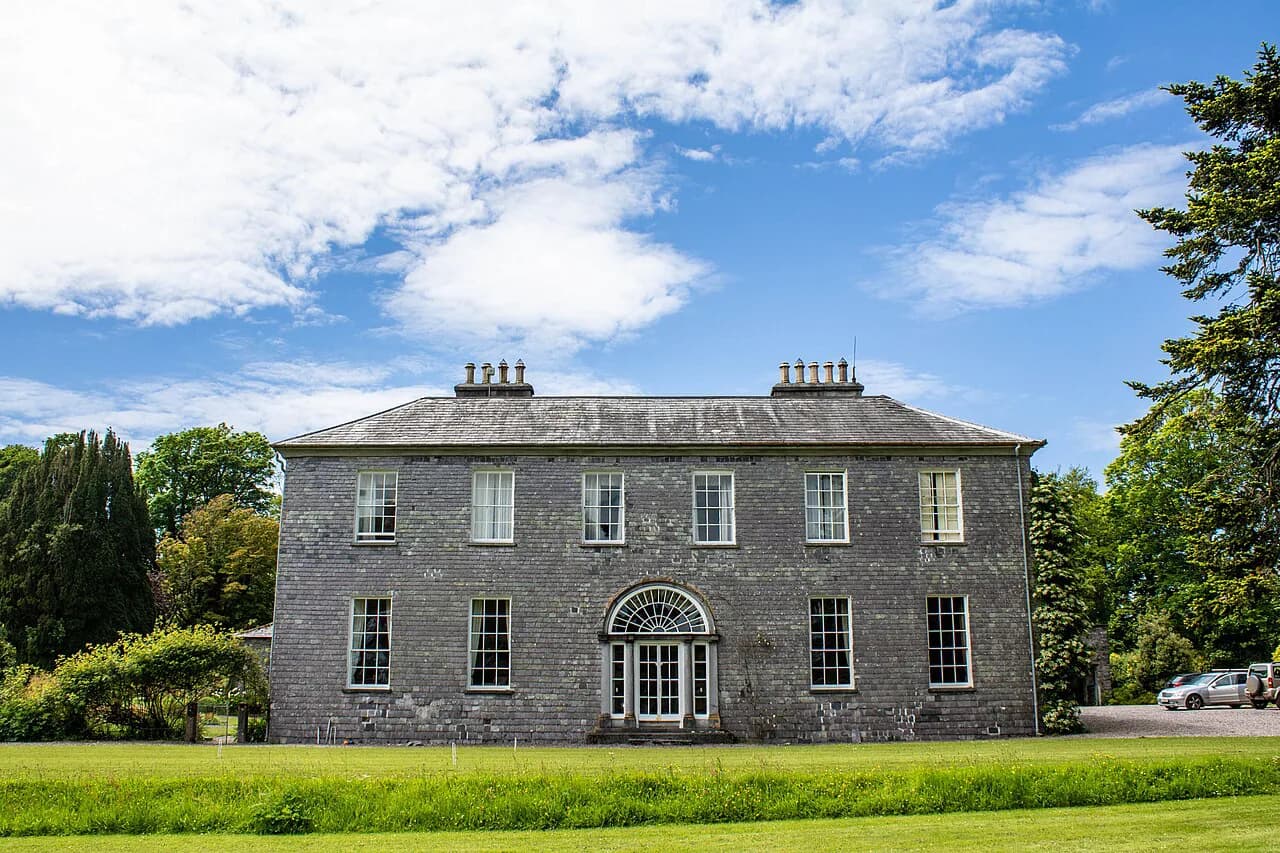
Drishane House is a privately owned Georgian house completed in 1790, standing on a cliff edge above the village of Castletownshend in West Cork, overlooking Castlehaven bay. It is best known as the long-time home of Edith Œnone Somerville, co-author of the Irish RM books, and it is promoted through Historic Houses of Ireland rather than as a daily visitor attraction. That matters for planning: the house has traditionally received visitors only in short seasonal windows, so this guide explains what the place is and how to approach a visit rather than promising you can walk in.
The house sits high above the village, its walls hung with slates as protection against the Atlantic weather, a detail the heritage listing notes. Below and around it lie gardens and woodland with coastal views. The combination of a literary family home, a dramatic cliff setting and a small West Cork village makes Drishane a rewarding stop for travellers interested in Irish country houses, provided they treat access as something to arrange in advance.
Setting and First Impression
Drishane stands on the edge of Castletownshend, its main walls facing the bay of Castlehaven from a raised position above the village. The heritage listing describes the house as standing high on a cliff at the edge of the picturesque village, which is the right way to picture it: a country house woven into a coastal settlement rather than isolated in open fields. Approaching from the village, the roofscape and slate-clad walls are the first signals that this is a building shaped by its climate.
Those slate-hung walls are a deliberate answer to West Cork weather. The listing notes the slates as protection against the famous local expression for a penetrating sea-rain, suggesting a house designed to shed driven Atlantic moisture rather than merely to look handsome. For visitors, this is a useful reading key for Irish coastal houses generally: render, slate and colour often record practical decisions as much as decorative ones.
The Builder and the 1790 House
Thomas Somerville, a clergyman's son of Scots extraction, built the house after success in the West India trade, according to Historic Houses of Ireland, which gives 1790 as the completion year. The same source frames the project as a fashionable new house on a small estate. That pairing — modest landholding, mercantile wealth and up-to-date architectural taste — is characteristic of many Irish Georgian houses, and it helps explain why a relatively small West Cork estate could produce a house of this quality.
Dating is worth a small caveat. A third-party visitor listing puts construction at about 1780, while the heritage body says 1790; the article follows the heritage figure because it comes from the sector body, but the decade-level difference is minor and no visitor decision turns on it. If you are comparing Drishane with other Irish Georgian houses, treat the 1780s–1790s as the window and the heritage listing as the reference point.
Edith Œnone Somerville: Life at Drishane
Historic Houses of Ireland gives Edith Oenone Somerville's dates as 1858 to 1949, the span of her life, and identifies the house as her family home; it also names her as co-author of Some Experiences of an Irish RM. That is biography, not a promise about what you will see inside. What it establishes is why the house carries literary weight: it was a Somerville seat bound up with a long life that produced a distinctive body of comic fiction about Irish rural society.
For readers of the Irish RM stories, the house and its surroundings provide the physical context for the books' world of hunt, petty officialdom and village life. Approach the literary association as a lens on the place rather than an expectation of a curated literary exhibition: the sources confirm her residence and authorship, not a particular display. That distinction keeps a visit grounded in what is actually documented.
Living Legacy: Family Home and Museum
Drishane remains a Somerville family home. An RTÉ feature from 2018 describes the house as restored as a family home by Tom and Jane Somerville, and notes Edith's preserved studio and gardens overlooking the Castlehaven coastline. That programme appearance is useful context about the house's character, but it is 2018 broadcast material, not evidence that the studio is open to the public today; treat anything about interiors or the studio as something to ask about when you enquire.
A third-party visitor listing adds detail that the heritage body does not: family portraits and memorabilia spanning generations, and a museum created in Edith Somerville's memory in the courtyard. These are aggregator claims rather than operator-confirmed facts, so they are worth confirming when you ring. If a courtyard museum and family portraits are part of your reason for going, say so when you enquire; that is more useful than assuming a literary house visit automatically includes them.
The Studio and the Literary Visitor
A preserved studio is a particular kind of literary heritage: it promises the working space of a writer rather than a formal reception room. The 2018 RTÉ feature mentions Edith's preserved studio, which suggests the room has been kept as a memorial to her working life. However, the sources do not establish that visitors can enter it, or that it features on any tour. Plan on the basis that the studio may be viewable and ask directly.
The wider lesson for literary house visits is to separate the person from the display. Drishane's claim on a reader's attention is Somerville's long residence and her Irish RM co-authorship, both supported by the heritage listing. Whether the house presents that through rooms, objects or a museum is a separate question, and one that a telephone enquiry answers better than any listing.
The Gardens and Grounds
The gardens are the part of Drishane most consistently described in visitor-facing terms. The aggregator listing describes 18 acres of informal woodlands and gardens with views over the West Cork coast, specimen trees and rare plants, plus spring daffodils and bluebells and summer montbretia. Because this comes from a third-party listing rather than the house itself, treat the acreage and planting notes as indicative rather than exact.
The same listing adds social history: the gardens hosted plays, picnics, tennis and croquet involving local families including the Somervilles, Townshends, Coghills and Chavasses. That detail turns the grounds from scenery into a record of a particular coastal gentry network, which is the sort of context that repays a slow walk rather than a quick circuit. If gardening is your main interest, spring and early summer planting are the obvious hooks, but confirm what is actually accessible before building a day around it.
Planning a Seasonal Visit
Drishane is a seasonal destination, not a daily attraction. The Historic Houses of Ireland listing gives opening windows of 1–31 May, 15–23 August and 3–22 October, each from 11am to 3pm. All of those listed windows had passed by late October 2026, and no later dates appear in the sources, so there is no basis for assuming the house is currently open or that any 2027 schedule exists.
Booking has been by telephone rather than by an online system. The heritage listing gives the address as Drishane House, Castletownshend, Skibbereen, Co. Cork, P81 Y008, with the telephone number +353 28 36126, and the visitor listing advises ringing ahead for visiting arrangements. The sensible sequence is straightforward: call first, confirm whether a window applies to your dates, and only then commit to a West Cork journey.
Weigh the effort honestly. A three-hour afternoon window in a remote coastal village suits travellers already based in West Cork or touring the area; it does not justify a long detour on its own unless the literary or architectural interest is strong. The trade-off is real: short seasonal access protects a private family home but makes Drishane a destination for the committed rather than a casual stop.
Beyond the Gates: Castletownshend and West Cork
Castletownshend itself is a small, walkable village and part of the point of coming. The visitor listing recommends the Harry Clarke windows in the village church and mentions Mary Ann's Bar as a nearby place to eat; both are attributions from that listing rather than independently verified, so check locally. The same listing cites the village's inclusion by Fitz-Simon and Palmer in a book on Ireland's most beautiful villages — the authors' judgement, not an objective ranking, but a fair indication of its character.
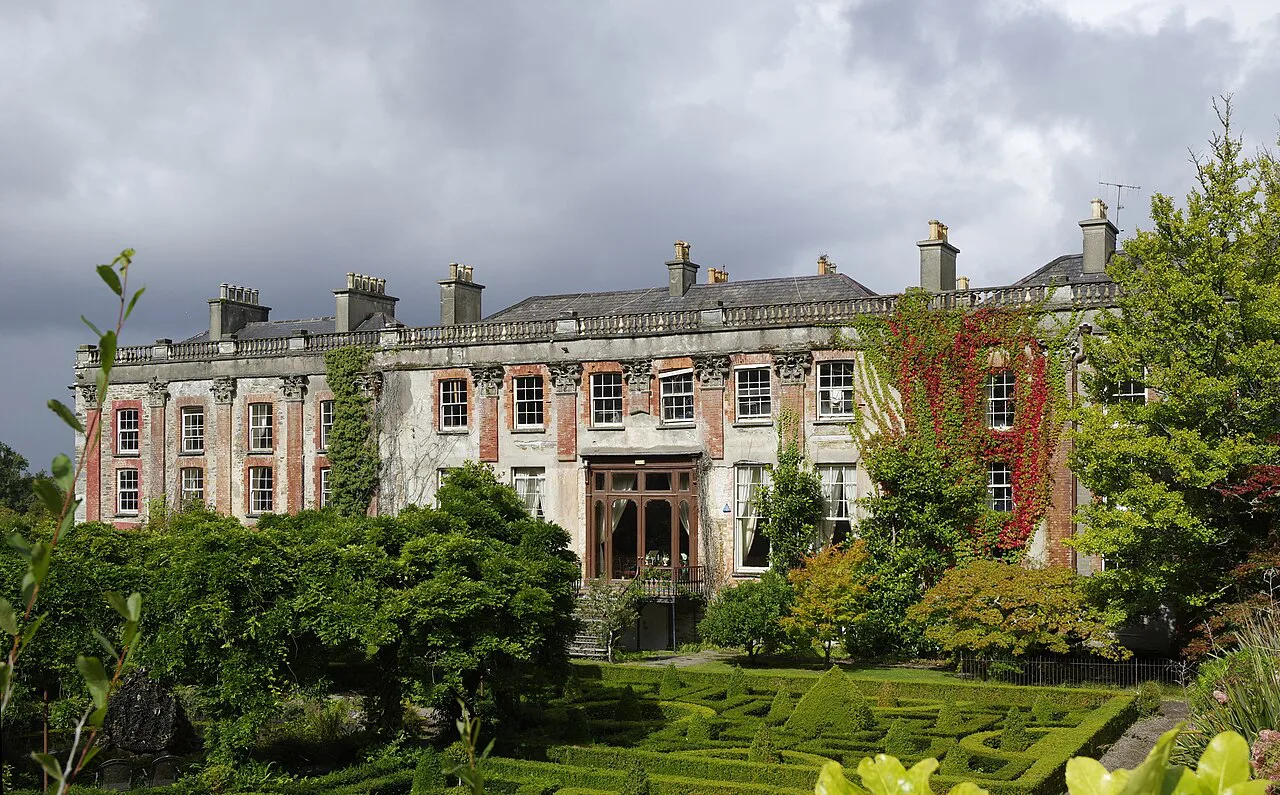
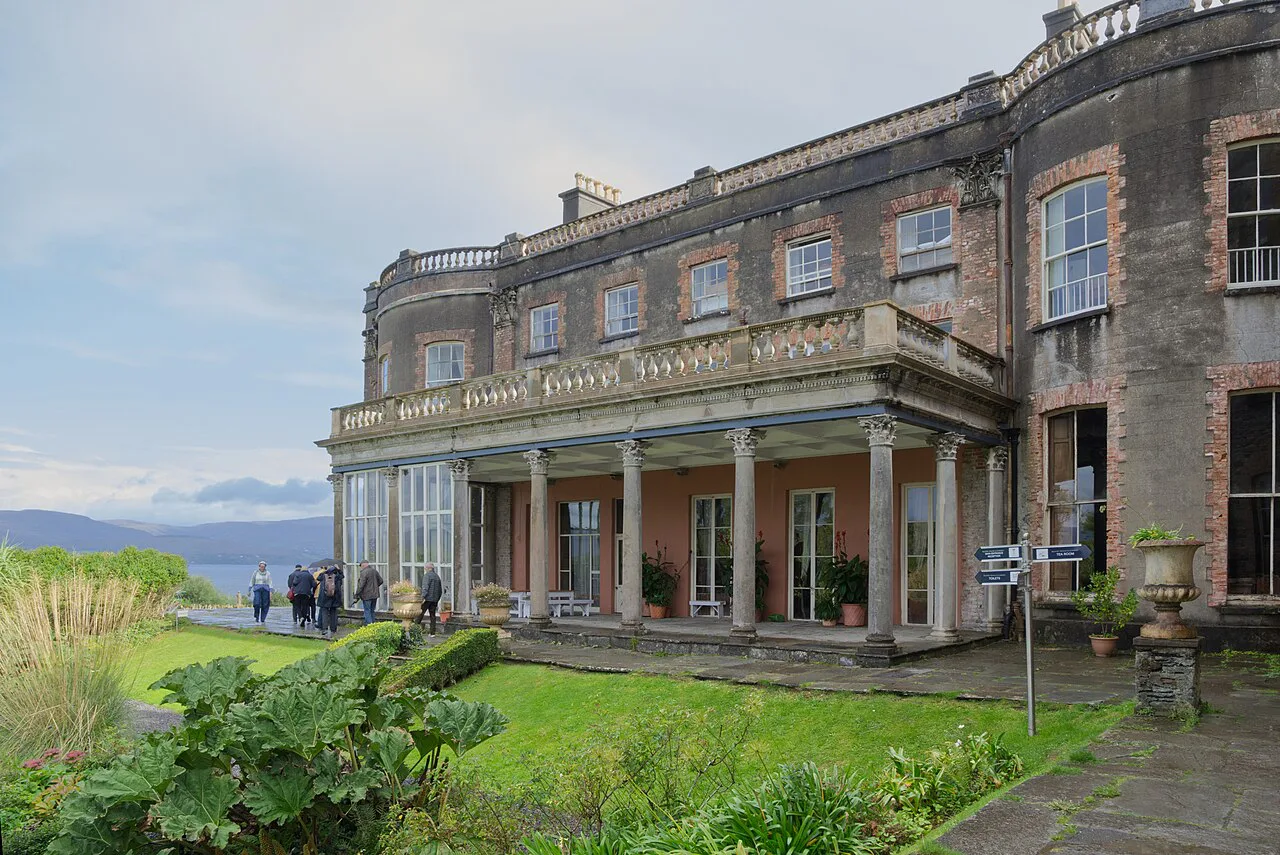
For travellers building a house-and-garden itinerary, West Cork rewards pairing. Drishane's cliff-top coastal setting is a different experience from the larger demesne landscape of Bantry House, further west on Bantry Bay, and the two together show how varied the Irish country-house visit can be. If town collections appeal as a rainy-day alternative, our guide to Museums in Cork: City and County Collections covers the city and county options. Plan the day around confirmed opening times rather than assuming both are available on the same date.
Confirm Before You Travel
Drishane House is a genuine literary and architectural destination: a slate-hung 1790 house on a Castlehaven cliff, bound up with Edith Somerville's long life and the Irish RM books. A retained studio and a courtyard museum are mentioned only in secondary sources, and the level of access to either is not confirmed; the listed 2026 windows have closed. Treat any visit as a seasonal arrangement to be checked by telephone.
The practical rule is simple: ring ahead on the listed number, confirm that a visiting window applies to your dates, and ask specifically about the studio and gardens if they matter to you. If the answer is no, Castletownshend and the wider West Cork house circuit still justify the journey. Readers comparing Irish Georgian houses more broadly will find useful context in our Georgian Houses in Ireland guide.
Explore more Ireland guides
Frequently Asked Questions
Can you visit Drishane House right now?
Do not assume so. The house is a private family home promoted through Historic Houses of Ireland, and its listed seasonal windows have passed. Ring the listed number to ask whether any visiting arrangement applies to your dates before planning a journey.
Who built Drishane House and when?
Historic Houses of Ireland credits Thomas Somerville, a clergyman's son of Scots extraction whose West India trade wealth funded the house, and gives 1790 as the completion date. A third-party visitor listing says about 1780, so the decade is firm but the exact year is not universally agreed.
Who was Edith Somerville and what is her connection to Drishane?
Historic Houses of Ireland gives Edith Oenone Somerville's dates as 1858 to 1949 and identifies the house as her family home, and it names her as co-author of Some Experiences of an Irish RM. That is why the house carries literary significance. The sources confirm her life, home and authorship, not any particular display inside.
Can visitors see Edith Somerville's studio or the courtyard museum?
The studio is mentioned in a 2018 broadcast feature, and a courtyard museum appears in a third-party visitor listing, but neither source confirms current public access. Ask specifically when you telephone; treat both as possible rather than guaranteed parts of a visit.
What can you see in the gardens at Drishane House?
A visitor listing describes 18 acres of informal woodland and gardens with coastal views, specimen trees, rare plants and seasonal daffodils, bluebells and montbretia. That acreage and planting detail comes from a secondary listing, so confirm what is accessible before relying on it for a garden-focused trip.
Is Drishane House a National Trust or OPW property?
No. It is a privately owned Somerville family home promoted through Historic Houses of Ireland, not a state or National Trust property. That matters for access: opening depends on the family's seasonal arrangements rather than a standard public heritage site schedule.
Sources
You might also like



Continue reading
More guides you'll find useful





