
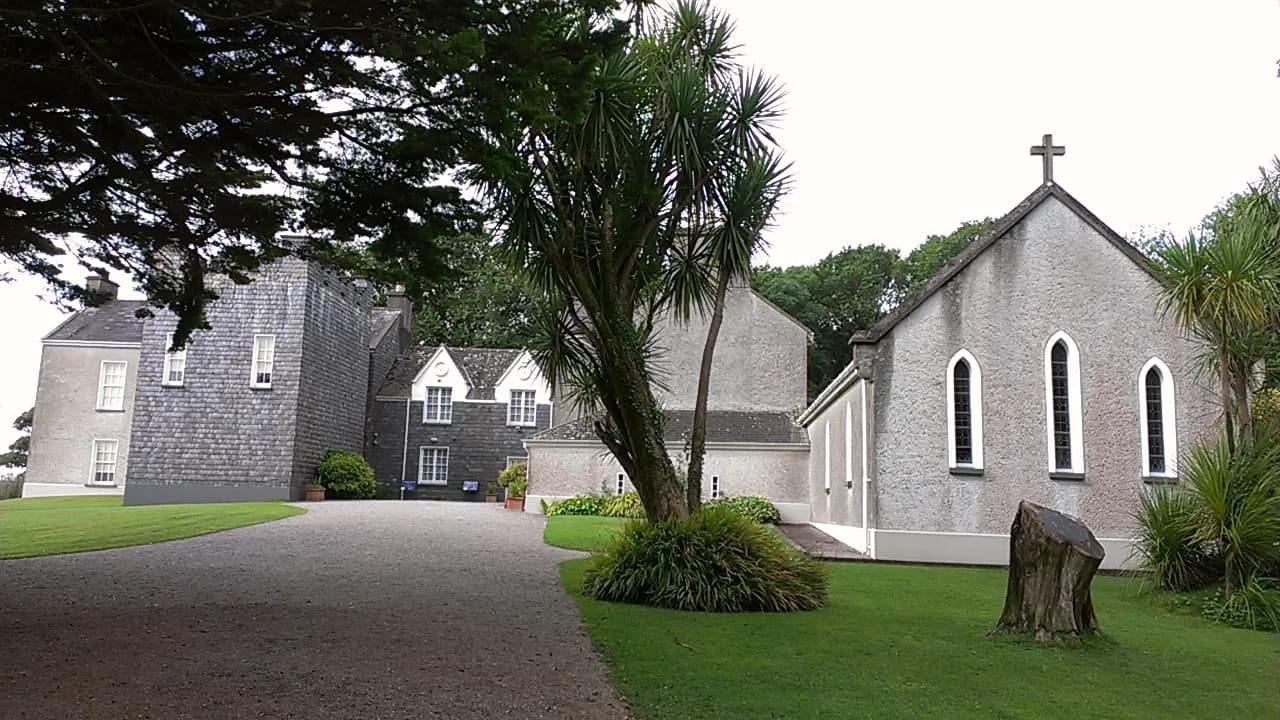
Derrynane House: Daniel O'Connell's Kerry Home and Parkland
Visit Derrynane House in Kerry, the O'Connell family home with an 1844 triumphal chariot and his deathbed, set in a 120-hectare historic park.
On this page
Derrynane House is the ancestral O'Connell family home at the southern tip of the Iveragh Peninsula in County Kerry, now run as a museum within Derrynane National Historic Park. A visit combines biography-led house displays with a large coastal demesne, so the practical question is how to divide your time between the two. Start with the official page for current admission, opening times and directions.
Where Derrynane House Sits
The house stands at the southern tip of the Iveragh Peninsula, the long Kerry ring of land that ends in the Atlantic. It sits within Derrynane National Historic Park, more than 120 hectares of land that the Office of Public Works describes as rich in archaeological, horticultural, botanical and ecological interest.
That setting changes how you plan the stop. Treat the visit as a house plus parkland rather than a single building to tick off, because the demesne is a destination in its own right. If you arrive expecting only period rooms, the grounds are the part you are most likely to under-budget.
The O'Connell Family Story
Derrynane was home to the O'Connell family for generations, and the young Daniel was raised there before returning almost every summer for the rest of his life. That long, repeated attachment is the thread the museum follows, which is why the displays read as a life story rather than a decorative-arts collection.
Daniel O'Connell is introduced as a lawyer, politician and statesman known as The Liberator. Keep that label in mind as context for what you see inside, but do not expect the house to function as a full political history museum; the collection is shaped around the man and his family home.
What the Collection Shows
The house displays unique relics of O'Connell's life, including a triumphal chariot presented to him by the citizens of Dublin in 1844 and the bed in which he died three years later. Those two objects anchor the visit: one marks public acclaim, the other a private ending, and together they give the rooms a clear biographical arc.
Plan around that story rather than a checklist of furniture or artworks, and read the on-site interpretation as you go, since it is where the objects are explained. Allow time to absorb the two named pieces rather than rushing past them to look for more.
Reading the Building Honestly
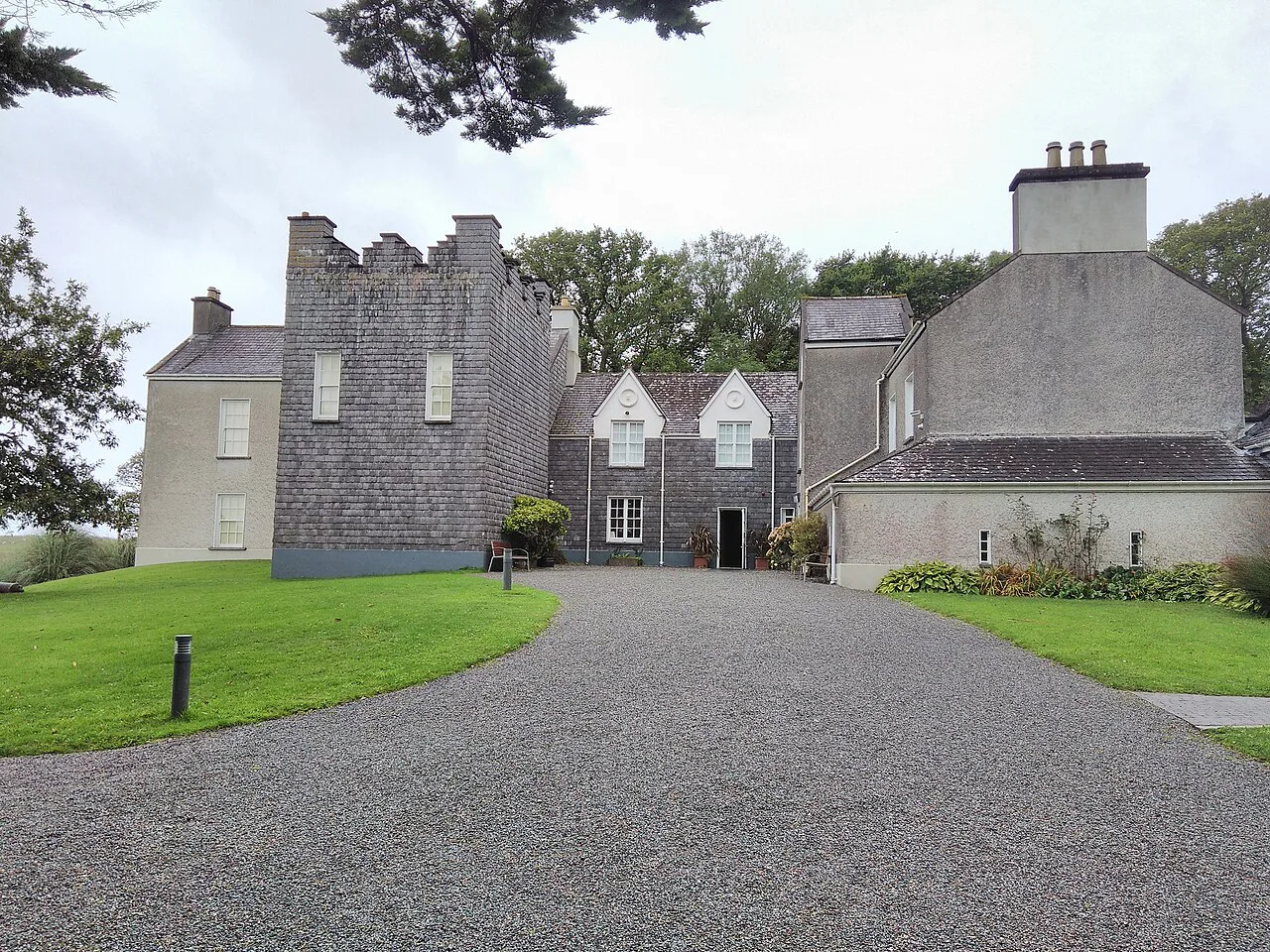
Derrynane is an eighteenth-century house with later additions, so expect a layered fabric rather than a uniform set of period rooms. Some spaces belong to the earlier core and others to subsequent building phases, which is part of what makes the house legible as a family home that changed over time.
If you are working through a wider interest in Irish country houses, Derrynane is a useful contrast to the formal Georgian houses that Ireland is known for, because here the architecture serves a biography first. Visitors comparing house styles will find the join between phases more interesting than any single grand facade. For broader context on Georgian Houses in Ireland, that guide covers the formal tradition Derrynane departs from.
The Historic Park
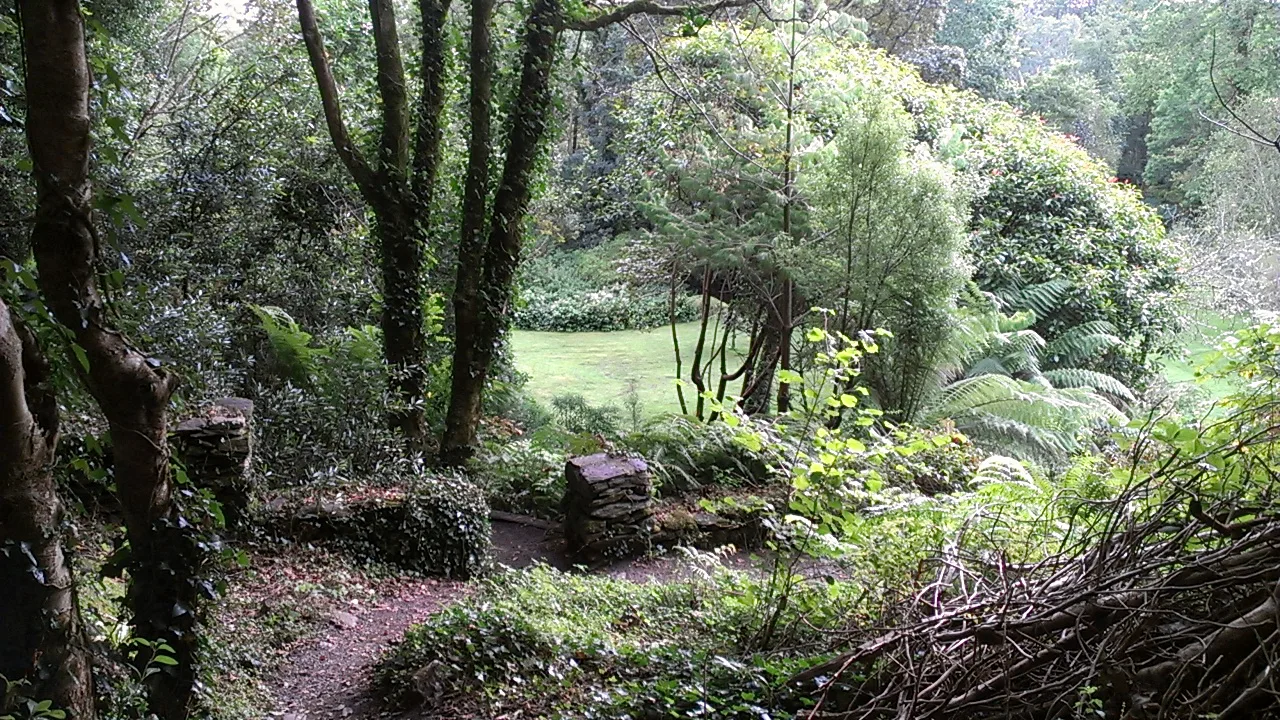
The demesne landscape is now part of Derrynane National Historic Park, spanning over 120 hectares of lands with archaeological, horticultural, botanical and ecological treasures. In practice that means the grounds reward a slow walk rather than a quick loop before or after the house.
Decide in advance how much of the park you want to cover. House interiors demand concentrated attention, while the parkland is best taken at an unhurried pace, so splitting the day with a pause between the two usually works better than rushing both.
Preparing Before You Go
Check the OPW Heritage Ireland page for current admission, opening times and getting-here details before travelling, since those are the practical facts the operator maintains. The page also offers a social guide in PDF form aimed at first-time visitors, families and people with developmental and learning disabilities, which is worth downloading if anyone in your group benefits from knowing what to expect.
Build in flexibility for the coastal setting. Peninsular weather can shape how long you spend on a park walk, so check current opening and admission arrangements on the operator's page before relying on either, and confirm that the grounds are open on the day you plan to walk them.
Separate OPW Sites in Kerry and West Cork
Skellig Michael is a UNESCO World Heritage property off the Kerry coast, reached by an 11.5 km boat trip from departure points including Portmagee, Glen Pier, Valentia, Ballinskelligs and Derrynane Harbour. It is closed for the 2026 season, with visitors expected again in 2027, so do not plan it as a same-day add-on from Derrynane now.
When it operates, access is demanding: a climb of 618 steep, uneven steps, weather-dependent boat arrangements, and children under 12 not permitted. Those limits matter for anyone with health concerns or limited mobility, so weigh them honestly rather than assuming the boat trip is the only challenge.
The Blasket Centre at Dunquin on the Dingle Peninsula is a different property in a different county, telling the story of the Blasket Islands and the Irish-speaking community who lived there until the mid-20th century. Its published 2026 season runs 6 March to 8 November, daily 10:00 to 18:00 with last admission at 17:15, and a clifftop viewing platform offers views of the archipelago; treat it as its own excursion.
Garinish Island, or Ilnacullin, lies in Glengarriff harbour in Bantry Bay, West Cork, and is reached by small ferries and waterbuses whose operators charge separately for the crossing. Its published 2026 season runs 20 March to 1 November, with very limited guided tours of Bryce House in the shoulder season and limited access for visitors with disabilities.
If West Cork garden estates appeal, Bantry House above Bantry Bay in County Cork is a separate property with its own arrangements. Neither it nor Garinish Island belongs inside a Derrynane day; plan each as its own outing when you are in that part of the coast. If your interests lean toward indoor collections instead, the Museums in Cork: City and County Collections guide is the counterpart to these outdoor estates.
Common Misjudgements
Three mistakes recur. The first is describing the whole house as Georgian, when the accurate picture is an eighteenth-century core with later additions. The second is treating Skellig Michael, the Blasket Centre or Garinish Island as add-ons to a single Derrynane outing; each has its own seasonal rules, crossing arrangements and distinct location. The third is assuming Skellig Michael is currently open.
As of late October 2026 Skellig Michael is closed for the 2026 season, so anyone hoping to climb should follow the operator's notices rather than older accounts. For broader context on early monastic and archaeological landscapes, ancient sites ireland covers the category Skellig Michael belongs to.
Plan Your Visit
Derrynane House works best when you treat it as two experiences: the biography-led museum with its 1844 chariot and O'Connell's deathbed, and the more than 120 hectares of parkland around it. Check the OPW page for admission, opening times and directions, download the social guide if your group needs preparation, and leave the separate Kerry and West Cork properties for their own days.
Explore more Ireland guides
Frequently Asked Questions
Where is Derrynane House?
It stands at the southern tip of the Iveragh Peninsula in County Kerry, within Derrynane National Historic Park. It is the ancestral O'Connell family home, now presented as a museum by the Office of Public Works, with the parkland around it forming part of the setting.
Who was Daniel O'Connell and why is he called The Liberator?
The official heritage page introduces him as a lawyer, politician and statesman known as The Liberator. He was raised at Derrynane and returned almost every summer for the rest of his life, and the house collection follows that biography rather than offering a full political history.
What can you see inside Derrynane House?
The house displays relics of O'Connell's life, including a triumphal chariot presented to him by the citizens of Dublin in 1844 and the bed in which he died three years later. The on-site interpretation explains these pieces as part of his biography.
Is the parkland around the house part of the visit?
The demesne landscape is included in Derrynane National Historic Park, more than 120 hectares with archaeological, horticultural, botanical and ecological interest. Plan time for the grounds separately from the house displays, and confirm current access arrangements with the operator.
How should you prepare before visiting Derrynane House?
Check the OPW Heritage Ireland page for current admission, opening times and getting-here details, since those are maintained by the operator. A downloadable social guide is aimed at first-time visitors, families and people with developmental and learning disabilities.
Can you visit Skellig Michael from Derrynane Harbour right now?
Not currently. Skellig Michael is closed for the 2026 season, with visitors expected again in 2027. When it operates, boats leave from several points including Derrynane Harbour on an 11.5 km crossing, and the climb involves 618 steep, uneven steps, with children under 12 not permitted.
Are the Blasket Centre and Garinish Island part of the same visit?
No. The Blasket Centre is at Dunquin on the Dingle Peninsula, and Garinish Island lies in Glengarriff harbour in West Cork; both are separate OPW properties in different counties. Each has its own seasonal dates and access rules published by the operator, and Garinish also involves a separately charged boat crossing.
Sources
You might also like



Continue reading
More guides you'll find useful



