
Lissadell House, County Sligo: A Guide to the Estate
Lissadell House in County Sligo is closed to the public until 29 May 2027. Plan a future visit around its Greek Revival interiors and coastal grounds.
On this page
Lissadell House and Gardens is closed to the public until 29 May 2027, according to the operator, so treat this as future-season planning rather than a recommendation to set out now. The stated date is a reopening notice, not a promise of particular hours, tours or admission arrangements on that day.
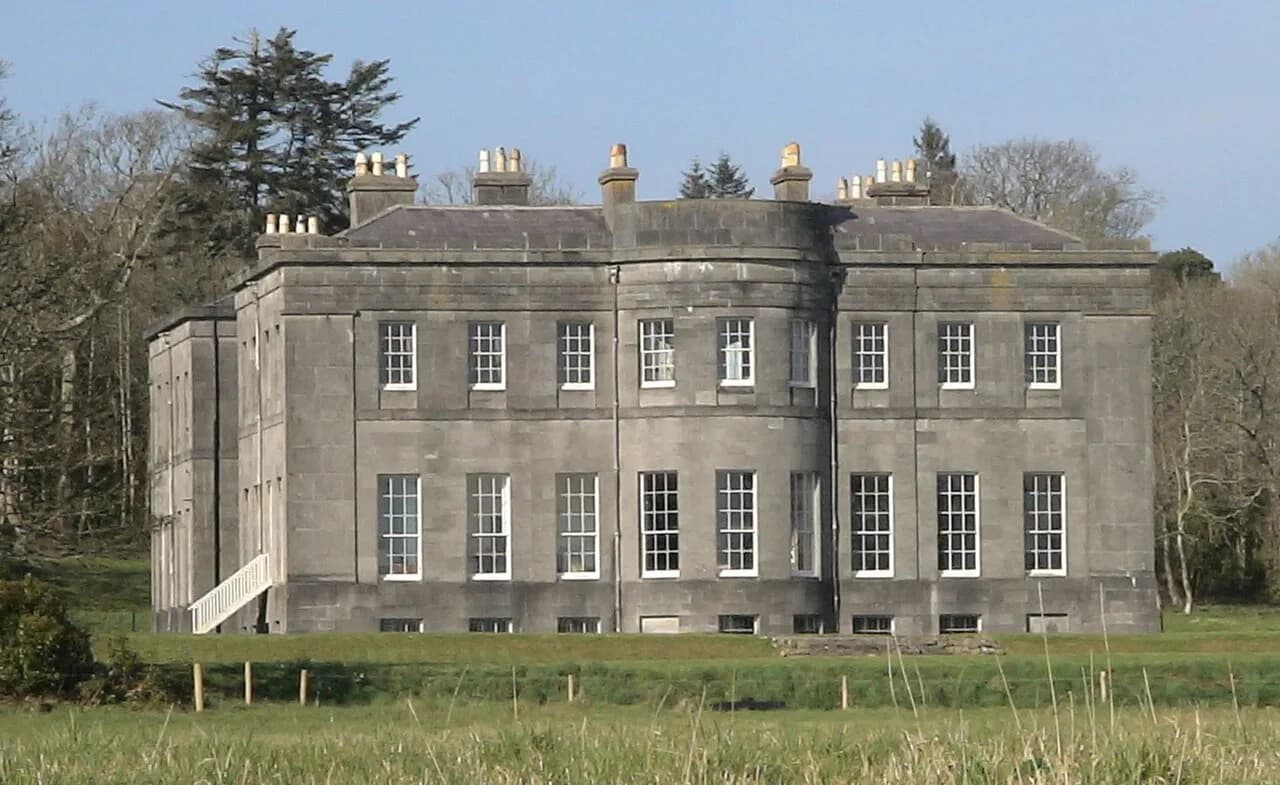
When it does reopen, Lissadell offers a rare combination in the west of Ireland: a substantial 1830s country house with much of its interior sequence intact, set on a coastal estate beneath Ben Bulben. Its draw is as much literary and political as architectural, since the Gore-Booth family, Constance Markievicz and W. B. Yeats are all part of how the house is presented.
Where Lissadell Sits
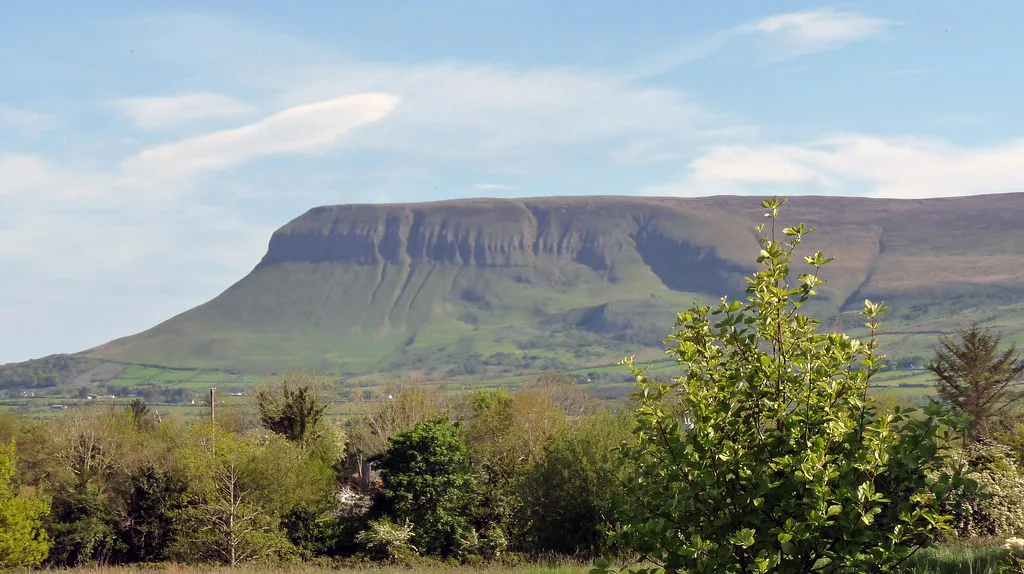
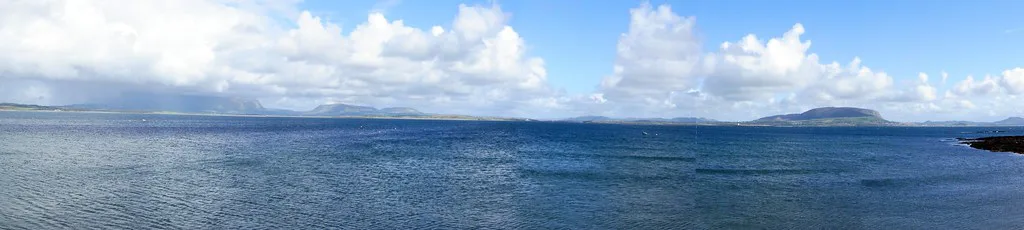
The estate lies at Ballinfull, County Sligo, on Drumcliff Bay below Ben Bulben and the Dartry Mountains, roughly 16 km north of Sligo Town. The operator gives the postal address as Ballinfull, Co. Sligo, F91 W2K1, and notes that on-site parking is available.
Driving directions are specific enough to follow without a navigator: from Sligo take the N15 north, pass Rathcormack, and turn left after Drumcliff towards Carney. Continue about 6 km west through Carney; the estate entrance is the third on the left, directly opposite the Anglican church built by Sir Robert Gore-Booth in the 1850s.
That church is a useful landmark rather than a detour in itself, because the turn comes up quickly on a narrow approach road. If you are comparing country-house visits across Ireland, this coastal setting is quite different from the inland estates gathered in our guide to georgian houses ireland, where demesne parks and formal avenues dominate.
The Gore-Booths, Markievicz and Yeats
Lissadell is presented by the operator as the childhood home of the revolutionary Countess Markievicz and her suffragist sister Eva Gore-Booth, and as a retreat associated with the poet W. B. Yeats. Those associations are the reason many visitors come, so expect the tour narrative to lean on family history and literature as much as on architecture.
The independent heritage write-up adds that the estate was sold out of the Gore-Booth family in 2004, which is worth knowing when you read the rooms as a family home turned visitor attraction. It also describes Markievicz as the first woman senator in Ireland, a detail worth keeping in mind when the house's political framing comes up.
Treat these as associations rather than a full biography, and do not expect the rooms to amount to a comprehensive account of Markievicz's political career. For a contrast in how a big Irish country house frames its family history across the rooms you walk through, Derrynane house in County Kerry makes an instructive comparison.
The Building and Its Greek Revival Character
The house you see today is an 1830s Greek Revival building. The operator dates the house to 1833 on its visiting notes, while the Irish Historic Houses account places construction between 1830 and 1835 for Robert Gore-Booth to a design by the Manchester architect Francis Goodwin. The two dates are close but sourced differently, so quote them with the source rather than merging them into one firm year.
Externally, the heritage write-up describes a pedimented entrance front and a porte-cochère, built of Ballisodare limestone, with a sea-facing elevation of framed windows and a stepped stone band. That relative plainness outside is deliberate: the reviewers note that the drama is held back for the entrance hall, which makes the transition into the house the real architectural moment.
Inside, the same account describes a two-storey stair hall with square Doric columns below and Ionic above, a Kilkenny marble staircase, and a long top-lit gallery running the depth of the house. These are the features to look for on a guided route, because they distinguish Lissadell from the more austere Georgian boxes covered in our guide to georgian houses in Ireland.
What a Guided Tour Covers
The operator's own list of tour highlights is the most reliable guide to the sequence. It names the gallery with its chamber organ, grand piano and gasoliers; the Bow, Drawing, Ante and Dining Rooms; the cantilevered limestone staircase hall; and a Billiard Room devoted to Sir Henry Gore-Booth, the yachtsman and father of Constance, Eva and Josslyn.
The tour also takes in the working side of the house: the old kitchen, servants' hall, staff bedrooms, wine cellar and china room. These service spaces are often the most memorable part of a country-house visit, because they show the household as an operation rather than a stage set, and they pair well with the servant-life material in a smaller Munster house such as Drishane house in County Cork.
One gallery detail from the independent account is worth knowing before you go: the chamber organ there is described as an original Gothic instrument of 1812, and the same write-up notes that the room's two gasoliers were made by William Collins. Whether those pieces are fully accessible on any given tour is a question to put to the operator when the 2027 season is confirmed.
Restoration and the 1890s Presentation
The operator states that the house has been restored to how it would have looked in the 1890s, when the Gore-Booth children and Yeats were young. That is a presentation choice rather than a claim that every surface is original, so read the rooms as a curated atmosphere built on surviving fabric and reinstated detail.
The independent write-up supports that reading. It records that the original wallpapers were replaced with hand-blocked period copies, that the gallery's gasoliers were restored by a specialist team, and that the stable block was brought back into use. It also notes that the estate had fallen into serious decline after Josslyn Gore-Booth died in 1944, which puts the polish you see today in context.
If your interest is in restoration practice rather than family history, a comparison with another historic Irish interior is useful. Collon house ireland offers one model of a historic interior to explore, while Lissadell is presented for guided viewing; the two give different answers to the same conservation questions. For a city-side alternative, our guide to Museums in Cork: City and County Collections covers smaller collections with their own access arrangements.
Gardens and the Coastal Setting
The estate sits on Drumcliff Bay beneath Ben Bulben, and the operator describes restored gardens alongside the house, while the self-catering properties it lets are named after estate features such as the Alpine Walled Garden and the Victorian Kitchen and Flower Garden. Those named gardens are the setting for the holiday houses rather than a public park, so what a day visitor can reach depends on the arrangements in place when the estate reopens.
The operator also lets several self-catering properties on the estate, including Lissadell on the Beach, formerly the Estate Manager's house fronting the Alpine Walled Garden, Lissadell on the Sea, formerly the Steward's House on the shore, and the Garden House beside the Victorian Kitchen and Flower Garden. These are rental accommodation, not part of the house visit, so do not plan a trip assuming you can wander into them as a day visitor.
Practical Constraints for When It Reopens
The visiting notes are unusually direct: expect a lot of walking, wear sensible shoes, and note that visitors need to be mobile. The operator states that the 1833 house is not wheelchair accessible. That wording applies to the house specifically, so do not assume it describes the gardens or the wider estate either way.
Dogs are not permitted anywhere on the Lissadell Estate, according to the operator, so a visit needs to be planned without a pet in the car. Given the coastal location, weather can change quickly, and sensible footwear matters more than on a paved town-centre estate.
For anyone comparing house visits with formal gardens and long walks, Cappoquin house in County Waterford offers another model of an Irish estate opened to visitors, with its own rules and routes. Lissadell's constraints are its own; check them against the operator's reopening notice rather than assuming they match other houses.
Photography Rules
Commercial photography and DSLR cameras are not allowed at Lissadell without a licence arranged in advance and in writing. The operator asks unauthorised visitors to leave camera kit in the car or at reception. Phone photography for personal use is acceptable.
That distinction matters if you are travelling with a serious camera for landscape work elsewhere in Sligo. If your main purpose is photographing the house, contact the operator before booking anything, because arriving with a DSLR and no licence risks leaving it unused in the car.
What to Confirm Before Travelling
The confirmed fact is the closure: the estate is shut to the public until 29 May 2027. What is not established is the practical detail of the 2027 season, including opening hours, admission arrangements, tour times and whether booking is required. Check the operator's own pages close to your travel date rather than relying on older calendars or third-party listings.
A dated independent listing still circulates with a 2026 season calendar and entry charges, but it conflicts with the operator's current closure notice, so do not plan around it. When the estate reopens, the operator's website is the place to confirm what a visit actually includes.
If you want to build a wider itinerary of historic houses while in Ireland, our guide to georgian houses ireland sets out other properties with their own access rules. Bantry house in County Cork is another estate where checking the current opening arrangements before travelling is the sensible first step.
Planning a Future Visit to Lissadell
Lissadell is worth keeping on a longer Irish itinerary precisely because it is not currently open: a Greek Revival house of Ballisodare limestone with a strong family and literary story, on a coastal estate north of Sligo Town. Plan it for after 29 May 2027, and treat that date as the operator's starting point rather than a full schedule.
When the time comes, check the operator's site for the season's arrangements, allow for substantial walking, leave the DSLR unless licensed, and leave the dog at home. With those boxes ticked, the house's interiors and its Drumcliff Bay setting should reward the planning.
Explore more Ireland guides
Frequently Asked Questions
Is Lissadell House open to visitors now?
No. The operator states that the Lissadell Estate is closed to the public until 29 May 2027, so there is no current public access to the house or gardens.
When is Lissadell House expected to reopen?
The operator gives 29 May 2027 as the reopening date. That notice does not confirm opening hours, tour availability or admission arrangements for the season, so check the operator's site before booking travel.
Where is Lissadell House and how do you get there?
It is at Ballinfull, County Sligo, on Drumcliff Bay about 16 km north of Sligo Town. From Sligo take the N15 north, turn left after Drumcliff towards Carney, continue about 6 km west, and the entrance is the third on the left opposite the 1850s Anglican church. On-site parking is available.
What can you see inside Lissadell House on a guided tour?
The operator's tour highlights include the entrance staircase hall, the long gallery with its organ and gasoliers, the Bow, Drawing, Ante and Dining Rooms, a Billiard Room devoted to Sir Henry Gore-Booth, and the service areas such as the kitchen, servants' hall and cellar.
Who were the Gore-Booths and why is Lissadell associated with them?
The Gore-Booths were the estate's long-standing family, and Lissadell is presented as the childhood home of Constance Markievicz and Eva Gore-Booth, with W. B. Yeats also associated with the house. An independent heritage write-up records that the estate was sold out of the family in 2004.
Is Lissadell House wheelchair accessible?
The operator states that the house is not wheelchair accessible and that visitors need to be mobile, with a lot of walking involved. That statement covers the house; ask the operator about the gardens and grounds when the estate reopens.
Can you take photographs at Lissadell?
Personal phone photography is acceptable, but commercial or DSLR photography requires a licence arranged in advance in writing. Without that permission, leave camera kit in the car or at reception.
Are dogs allowed on the Lissadell Estate?
No. The operator states that visitors are not permitted to bring dogs onto the Lissadell Estate.
Sources
You might also like



Continue reading
More guides you'll find useful



