
Derrynaflan Chalice: The Silver Vessel and Where to See It
The Derrynaflan Chalice is an early ninth-century silver vessel displayed in Dublin. See what it is, where it sits, and how to visit the Tipperary findspot.
On this page
The Derrynaflan Chalice is an early ninth-century silver altar vessel found in 1980 at Derrynaflan, Co. Tipperary. It now forms part of The Treasury at the National Museum of Ireland's Kildare Street building in Dublin, while the monastic site where it lay is a separate, unguided National Monument in the Tipperary countryside.
That split is the single most useful thing to understand before planning anything. The object rewards close looking under museum conditions, and the landscape explains the setting but holds none of the hoard. Treat them as two visits, not one attraction, and budget accordingly.
The Object Itself: Silver, Filigree and Amber
The chalice's bowl is beaten silver, finished on a lathe to a polished surface. Bowl, stem and foot are held together by a large pin that locks onto a decorated catch-plate beneath the foot, a mechanical detail worth seeking out because it shows how the vessel was assembled rather than cast in one piece.
Two handles project from the bowl, each with recesses holding panels of gold filigree fixed in place with stitching, and amber studs set at intervals along the band of filigree around the bowl. Look for the contrast between the cool silver body and the warmer gold and amber accents; it is the most immediate way to read the object's hierarchy of materials.
The find was not the end of the story. A later excavation by National Museum staff at the monastic site recovered missing components of the decorated objects, including gold filigree panels, die-stamped mounts and rivets, which means parts of what you see were reunited with the vessel after 1980.
The Derrynaflan Hoard and Its Companions
The chalice was buried as part of a hoard of altar vessels, and the group is what gives the find its weight. Heritage Ireland lists five liturgical vessels: the silver chalice, a paten, a bronze liturgical strainer, a silver hoop and a bronze basin, all now in the National Museum. The page notes that the burial most likely happened in the face of raiding, by Vikings or an Irish clan, but that remains an interpretation rather than a settled account.
The paten is dated to the eighth century, so the hoard should not be treated as a single moment of manufacture. It was assembled from more than 300 pieces, with a beaten silver dish soldered and stitched with wire to a bronze rim, and twelve curved gilt-bronze frames each holding two gold filigree panels and a central stud. Glass and enamel studs conceal the rivet heads, and some panels carry human and animal motifs, including pairs of kneeling men placed back to back.
The museum's paten record suggests the Derrynaflan paten and the Ardagh Chalice may have come from the same workshop, given shared use of filigree, knitted wire, mesh and enamels. That is a possibility, not an attribution, so read it as a lead rather than a fact when comparing the pieces in the gallery.
Reading the Chalice Beside the Ardagh Chalice
The National Museum's own record compares the Derrynaflan Chalice directly with the Ardagh Chalice: the decoration is simpler, the filigree is judged less finely executed, and the vessel is probably slightly later in date. These are curatorial evaluations, and they are the reason the two objects are so often mentioned together.
What the comparison is not is a league table. The two vessels differ in execution and date, but the Derrynaflan piece carries its own technical interest, from the pin-and-catch-plate assembly to the stitched filigree panels, and seeing them in sequence in one gallery lets you judge the differences yourself rather than accepting a ranking.
If early medieval metalwork is your reason for visiting, it is worth extending the same close scrutiny to other pieces in the same collection. The Tara Brooch offers another point of comparison within the museum's early medieval holdings, and our guide to it sets out what to look for.
Where to See It: The Treasury in Dublin
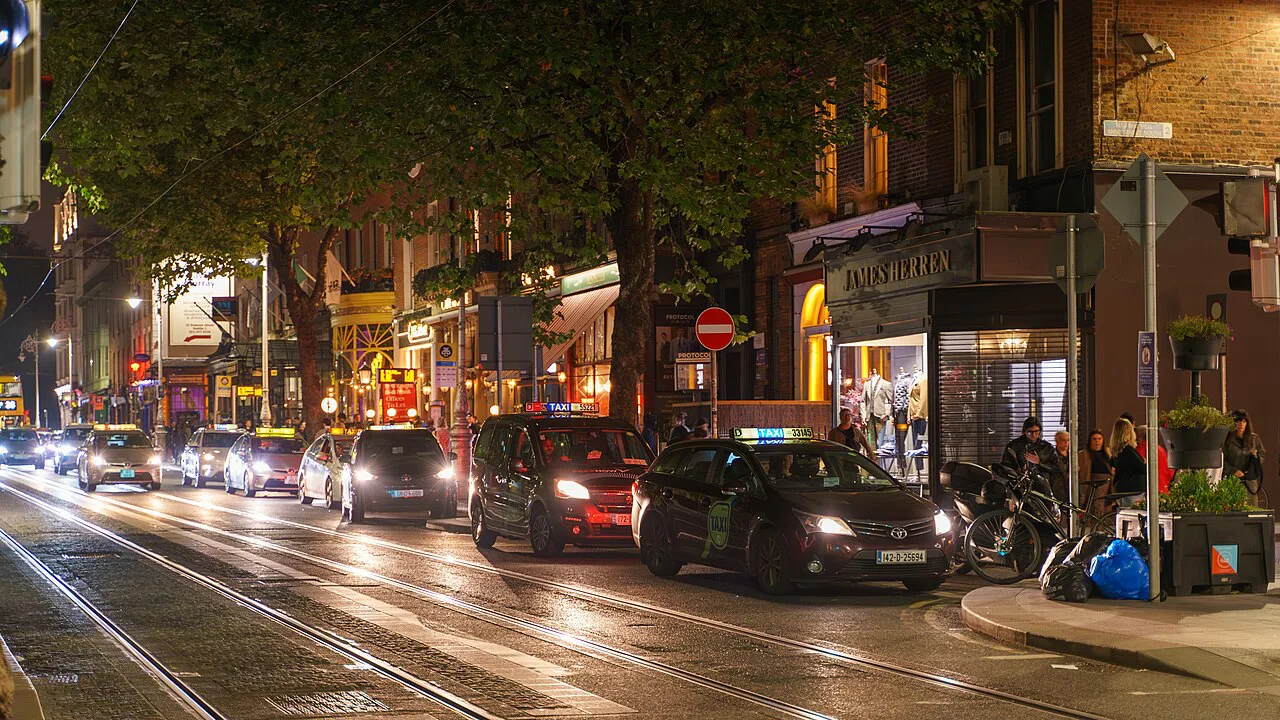
The chalice is displayed in The Treasury, a permanent exhibition at the National Museum of Ireland, Archaeology, on Kildare Street in Dublin 2. Admission to the exhibition is free, and Gallery One is arranged chronologically, tracing Irish art from the Iron Age to the twelfth century, including the transition from paganism to Christianity and the impact of the Vikings. When you are ready to look beyond metalwork, the wider guide to Irish Illuminated Manuscripts sets the Treasury's manuscript material in context.
Two further galleries are worth your time for context. Gallery Two holds the Faddan More Psalter, an early medieval book of psalms found in a Co. Tipperary bog in 2006, and Gallery Three deals with the world of early medieval craftsmen through objects associated with producing and decorating metalwork, with interactive glossary kiosks and extreme close-up images. That third gallery is where the chalice's construction techniques become legible.
The building itself adds to the visit. The museum's architecture evokes the medieval cathedral treasuries that inspired the exhibition, and the layout incorporates restored nineteenth-century mosaic floors depicting classical mythology, majolica fireplaces and carved wooden doors. Allow time to look up as well as into the cases.
Because the exhibition is chronological and traces a long arc from the Iron Age onward, a sensible approach is to work forward through Gallery One and then return to the chalice once you have the Viking and later material in mind.
Museum Access: Hours, Closures and Confirming the Object
Ordinary opening hours are Tuesday to Saturday 10am to 5pm, and Sunday and Monday 1pm to 5pm, with late opening on the last Thursday of each month. The museum recommends a 4.30pm last entry time if you want the full experience, and it is closed on Christmas Day, St Stephen's Day and Good Friday, as well as on the two October 2026 dates noted below. Admission is free at all four National Museum sites, and no booking is needed for individuals, families or small groups, though groups of eight or more must arrange a visit in advance.
One dated exception matters if you are planning around late October 2026: the Kildare Street museum is closed on Sunday 25 and Monday 26 October 2026 because of industrial action. Anyone building an itinerary around those dates should plan the museum for another day rather than assume normal Sunday hours apply.
Some galleries can close at short notice, and the museum itself advises calling ahead on +353 1 677 7444 to confirm that a particular artefact is available on the day you intend to come. The artefact records list the chalice as on display, but a phone call before a dedicated trip is the sensible safeguard.
Two practical points catch visitors out. Cloakroom services are currently unavailable, so do not bring suitcases, large bags or motorcycle helmets into the galleries. Hand-held cameras are permitted, but flash, video and tripods are not, and photographs are for personal use only.
The address is Archaeology, Kildare Street, Dublin 2, D02 FH48. Paid car parks are available off Dawson Street and at Setanta Place, with pay-by-meter on-street parking around Merrion Square roughly a ten-minute walk away, and accessible toilets are located on the ground floor beyond the central rotunda. If you are walking from that side of the city, our Merrion Square, Dublin: Georgian Square and Park Guide covers the square itself.
The Findspot: Derrynaflan Monastic Site in Tipperary
Derrynaflan is a small dry island surrounded by bogland, a National Monument in state guardianship, and it was founded, by tradition, in the sixth century by St Ruahan. The name is associated with two ninth-century clerics, Fland mac Duib Thuinne, who died in 821, and Fland mac Fairchellaig, who died in 825, and the site is linked with the Céli Dé movement during its apparent flourishing between the eighth and tenth centuries.
Keep the standing remains firmly separate from the hoard's period. The church has a multi-period limestone nave and chancel, with the chancel dated to the thirteenth century, and a round-headed Romanesque sandstone piscina, trefoil-headed windows and a bullaun stone are found within it. Very little of the nave survives beyond portions of wall and a possible antae.
Later history overlays the earlier monastery. A Franciscan friary appears to have occupied the island in the late seventeenth and early eighteenth centuries and was abandoned after 1724. The site also seems to have declined by the late ninth century, and Viking raids are suggested as a possible factor rather than a proven cause.
Visiting the Monument: What to Expect
Approach this as a ruins stop, not a museum substitute. Heritage Ireland describes Derrynaflan as unguided and asks visitors to maintain care and caution throughout, and it warns that livestock are sometimes in the field surrounding the monument. There is no mention of a visitor centre, tickets, guided tours or marked trails, so plan on self-directed access with appropriate footwear and no expectation of facilities.
Nothing from the hoard is displayed at the findspot; the vessels are all in the National Museum. The Tipperary visit is about reading a bog-island landscape and the fragmentary church fabric in place, which is a different kind of encounter from standing in front of the silver. If you are assembling a wider itinerary of similar sites, ancient sites ireland covers comparable ground.
Object in Dublin, Landscape in Tipperary
The Derrynaflan Chalice works best as a two-part encounter: the vessel in The Treasury, where its silver bowl, filigree panels, amber studs and pin-and-catch-plate assembly can be examined closely, and the bogland island where it was found in 1980. Neither visit explains the other on its own, and the museum's chronological display gives the object a context the empty field cannot.
Some questions remain open. The shared-workshop link between the Derrynaflan paten and the Ardagh Chalice is offered as a possibility, the reason for the hoard's burial is presented as most likely rather than certain, and the decline of the monastery is a matter of interpretation. What is settled is the chalice's early ninth-century date, its place among five altar vessels, and its display in a free, permanent Dublin exhibition.
For more heritage reading, see our guides to Broighter Gold and Cross of Cong.
Explore more Ireland guides
Frequently Asked Questions
What is the Derrynaflan Chalice?
It is an early ninth-century silver altar vessel found in 1980 at the monastic site of Derrynaflan in Co. Tipperary. Its beaten silver bowl is lathe-polished, its bowl, stem and foot are joined by a pin and catch-plate, and its two handles carry gold filigree panels and amber studs. It was buried as part of a hoard of five liturgical vessels.
Where can I see the Derrynaflan Chalice?
It is displayed in The Treasury, the permanent early medieval exhibition at the National Museum of Ireland, Archaeology, on Kildare Street in Dublin 2. Admission is free. The museum advises calling ahead if you are travelling specifically to see one object, because individual galleries can close at short notice.
Can I visit the site where the chalice was found?
Yes, but on very different terms. Derrynaflan is an unguided National Monument in state guardianship, with a caution notice about maintaining care and a warning that livestock are sometimes in the surrounding field. Nothing from the hoard is displayed there, and no visitor facilities are listed, so treat it as a ruins visit rather than a museum one.
Is the Derrynaflan Chalice the same as the Ardagh Chalice?
No. They are separate vessels, though the National Museum compares them directly, judging the Derrynaflan chalice simpler in decoration and probably slightly later in date. The museum also suggests the Derrynaflan paten and the Ardagh Chalice may share a workshop, but that remains a possibility rather than a confirmed attribution.
Is the National Museum of Ireland free to enter?
Admission is free at all four National Museum of Ireland sites, including the Kildare Street building in Dublin. Individuals, families and small groups do not need to book, while groups of eight or more must arrange their visit in advance through the museum's bookings office.
How old is the Derrynaflan Chalice?
The museum dates the chalice to the early ninth century AD. Its companion paten is dated separately to the eighth century, so the hoard as a whole should not be assigned a single date of manufacture.
Sources
You might also like



Continue reading
More guides you'll find useful




