
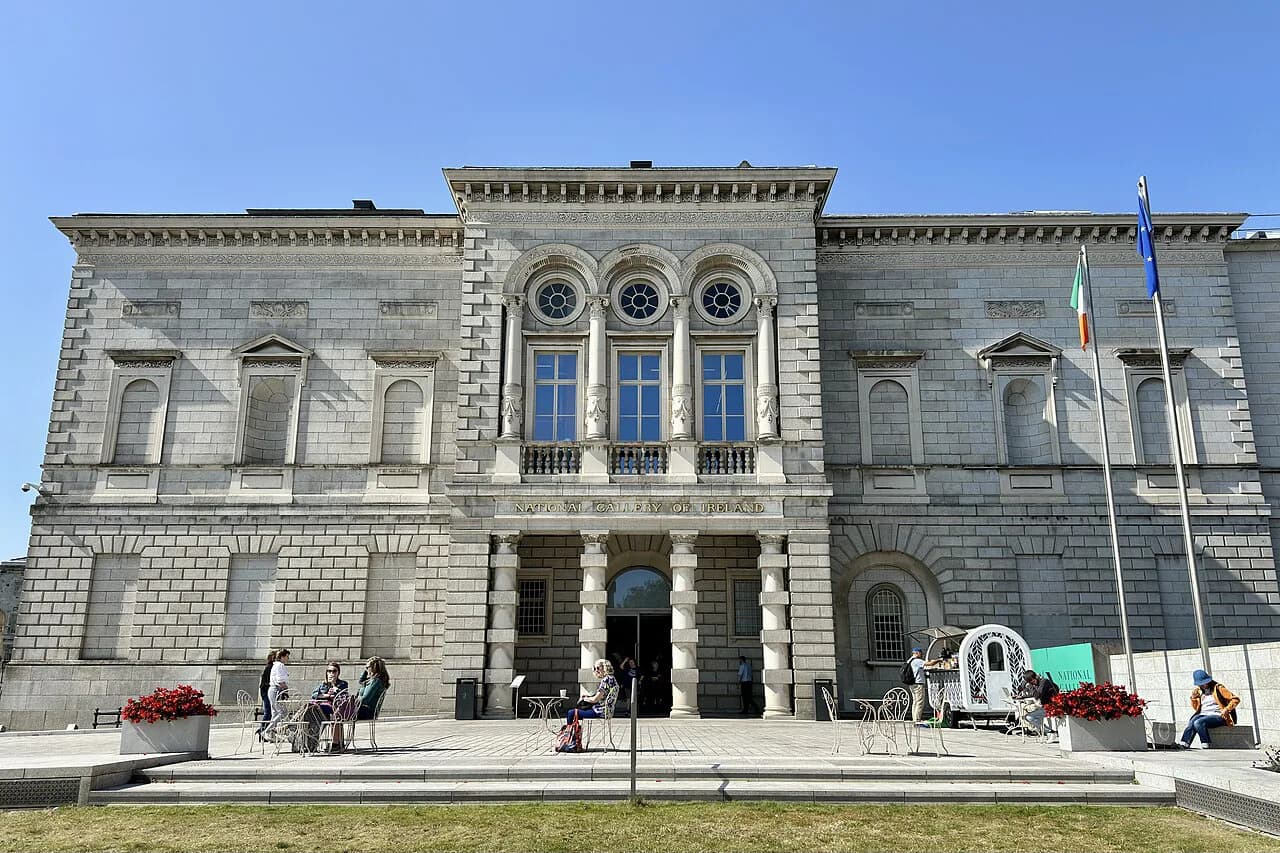
Paul Henry: The Irish Painter Who Shaped How We See the West
Paul Henry's landscapes became a defining image of the Irish west. See where to encounter his work and what to look for in his paintings.
On this page
Paul Henry was a Belfast-born painter whose Achill Island and western landscapes became one of the most widely circulated images of Ireland. His work is worth seeking out not simply as scenery but as a lesson in how a place gets pictured: he trained in Belfast and Paris, settled on the Mayo coast, and later saw his views reproduced as tourism posters. This guide follows that arc and points to the public collections where his story is interpreted alongside his work.
Who Was Paul Henry?
Henry was born in Belfast on 11 April 1877, one of four sons of a Baptist minister, and died in 1958. He studied at the Belfast School of Art, where he trained under Thomas Bond Walker from the age of fifteen, before moving to Paris in 1898. There he attended the Académie Julian and worked in Whistler's studio, absorbing Impressionist and post-Impressionist example that would later be bent to Irish subjects.
The National Gallery of Ireland's own account adds that Henry studied in Paris at the Académie Julian and at James McNeill Whistler's Académie Carmen, and that he married the Scottish-born painter Grace Mitchell in 1903. Grace was a painter in her own right; the Gallery's self-guided tour points to her work in the same room, though you should confirm the current hang before a special trip, which makes a Henry visit a two-artist visit.
Henry returned from the continent to London in 1900, sharing rooms with the writer Robert Lynd, and it was on Lynd's advice that the couple first went to Achill in 1910. This matters for reading the paintings: Henry arrived with a European training and a professional network, then chose an Atlantic island as his subject. He settled in Dublin in 1919 and was elected to the Royal Hibernian Academy in 1929.
Why Achill Island Changed His Work
The dates of the Achill connection are often blurred, so keep them separate. Henry and Grace first visited the island in the summer of 1910, and the couple later lived there from 1912 to 1919. Henry was, in the Gallery's words, enthralled by the local people and their way of life, and the island became the base for the couple's life and work until they moved to Dublin.
Achill gave Henry a subject and a problem. The Keough-Naughton Institute's biography notes that the couple settled there and that Henry spent years devising a way of handling the overwhelming environment of the western seaboard. His early figurative paintings showed islanders digging potatoes, cutting rye and setting lobster pots, but over time he moved toward unpopulated landscapes of mountain and cloud. That shift is the key to reading his career: the same place yielded both crowded scenes of work and empty, spare views.
The Crawford Art Gallery's essay on landscape and Irish identity places Henry within this longer tradition. It notes that his later views of cottages, bogs and mountains became synonymous with the west of Ireland, and that his early paintings were influenced by Daumier and Van Gogh. Read the essay as scholarship on the Irish landscape tradition rather than as a venue listing, since the gallery's building status should be confirmed separately before any visit.
The National Gallery catalogue entry for Launching the Currach explains that Henry's early figurative paintings often obscure or hide the faces of his figures, making them representatives of a western type rather than portraits. He also integrated figures into their settings by using the same broad, economical technique for people as for landscape. That choice is a useful lens for looking at any crowd in his work.
Reading Launching the Currach
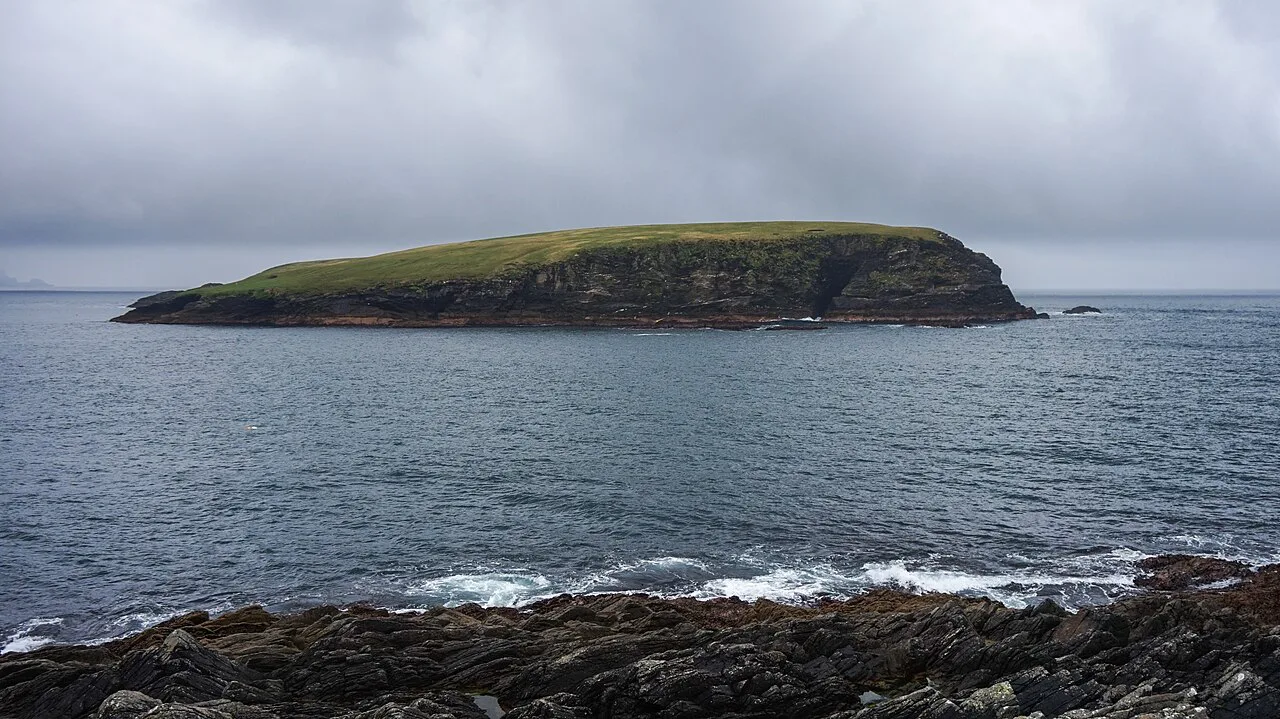
Launching the Currach is set on Achill, Co. Mayo, and the Gallery's entry suggests it was likely produced from memory rather than on the spot. The reason given is that some local residents were disinclined, on superstitious grounds, to be painted or sketched. If you view the painting, treat that as the catalogue's explanation for its composition rather than a fact about every islander.
The same entry defines the currach as a rowing boat traditionally used along Ireland's western seaboard, made of cowhide and wickerwork, light and strong enough for both shallow water and rough seas. Knowing what the boat was and what it was built for changes how you read the scene: these are working boats being handled by people whose faces are deliberately under-described. The painting is an exercise in atmosphere rather than a documentary record.
The Gallery's self-guided tour suggests visitors imagine themselves on the beach watching the men launch the boat, and notes that Henry's work conveys a strong sense of atmosphere. That is a practical viewing instruction rather than a claim about what any particular visitor will feel. Look at the surface, the broad handling, and how much of the picture is given over to sky and weather.
Reflections across the Bog: How Henry Builds Weather
Reflections across the Bog, dated around 1919–1920 and painted in oil on canvas, is in the O'Brien Collection. Brian Kennedy's analysis, published by the Keough-Naughton Institute, describes the composition as a heavy massing of clouds that sets the mood, a narrow band of landscape at the bottom of the picture, a blue strip of distant hills that halts the eye, and dark turf stacks that thrust upward. Those stacks link land and sky and lend the scene a theatrical quality.
Kennedy places the painting at the moment Henry left Achill in 1919, before the more repetitive landscapes of the 1920s. That is useful for ordering your attention: if you see several Henry works, the earlier ones tend to carry more textured paint and a tighter relationship between land, figures and weather. The later ones lean on wide skies and reduced terrain, which is one reason his output can look uniform at a glance.
The National Gallery's own account notes that Henry's landscapes were reproduced as posters to promote tourism in Ireland during the 1920s, which is part of why his vision of the west became so familiar. If the composition above looks predictable to modern eyes, that familiarity may be the most interesting thing about it: you are looking at an image that helped train how people see the region.
Where to Encounter Henry in Ireland
The National Gallery of Ireland in Dublin is the most useful starting point for Henry's Irish public context. Its self-guided Through a Lens route on Irish art covers Henry's Belfast upbringing, his Paris study and his Achill years, and the same route points to Grace Henry's work in the same room. You should still check the current display before making a special trip rather than assume a particular work is hanging. For the broader collection and practical visiting details, see this National Gallery of Ireland: A Visitor's Guide to the Dublin Collection.
For a wider picture of Irish art in public institutions, use the Irish Artists hub to plan across venues, and treat the Henry page as one entry within that landscape rather than a single site. The National Gallery's catalogue entries are also useful before a visit: they record provenance and exhibition history, which tells you where a painting has travelled even when it is not currently on show.
Henry's contemporaries and successors can sharpen a visit. Jack B. Yeats, whose career overlapped and outlasted Henry's, offers a very different approach to Irish landscape and street life, and a walking route around his Dublin connections makes a natural companion day. Seeing how each painter handled figures in place will make you read both more carefully.
Achill Island itself is the landscape behind the paintings, but it is not a Henry museum, studio or marked trail. Visit it for the coast, the bog and the weather that Henry worked with, and treat the pictures as commentary rather than as a map to specific sites. No sourced facility on the island interprets Henry's work, so do not build an itinerary around a Henry-specific attraction there.
Practical Visiting Notes for the National Gallery
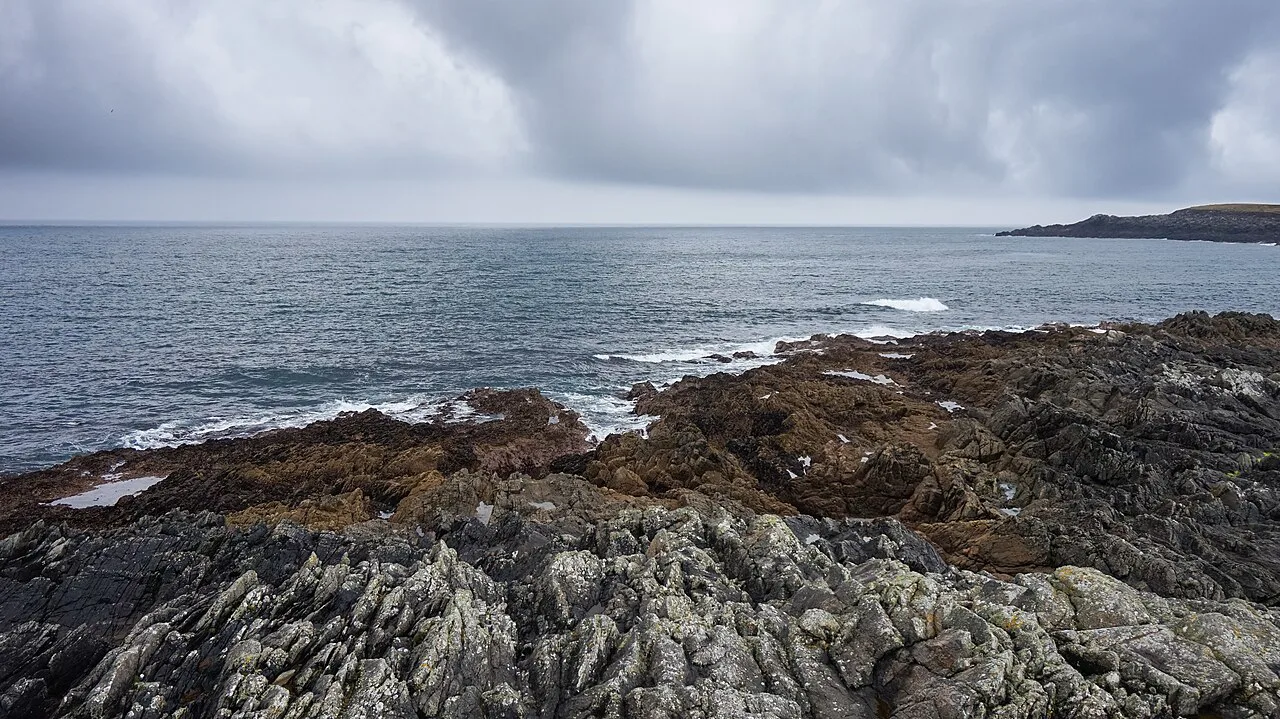
The Gallery's published hours are Monday 11am–5.30pm, Tuesday and Wednesday 9.15am–5.30pm, Thursday 9.15am–8.30pm, Friday and Saturday 9.15am–5.30pm, and Sunday 11am–5.30pm. Entry to the galleries stops fifteen minutes before closing, and the building begins to close from 4.50pm daily, earlier rooms first, or 7.50pm on Thursdays.
Admission to the permanent collection is free, while some temporary exhibitions carry a charge. Hours are subject to change, and the Gallery has warned that further closures may be necessary at short notice, so check its own channels on the day rather than relying on a printed schedule. This is one of the few places where a small bit of preparation genuinely protects your day.
Build the visit around looking rather than ticking off works. Give Launching the Currach or a bogland picture fifteen uninterrupted minutes, then read the label: the contrast between the painted atmosphere and the catalogue's account of how the picture was made is the real reward. If a specific Henry work matters to you, check with the Gallery before travelling rather than assuming it is on view.
Plan Your Henry Visit
Paul Henry matters to an Irish heritage trip because his paintings sit at the meeting point of European training, western landscape and a tourism industry that was learning to sell a view. Start with the National Gallery's self-guided Irish art route and its free permanent collection, read the catalogue and scholarly context before or after, and separate the 1910 first visit from the 1912–1919 Achill home. Verify current display and opening hours before you go, and see Achill as landscape rather than as a Henry venue. For another heritage guide, read about John Lavery. For another heritage guide, read about William Orpen.
Explore more Ireland guides
Frequently Asked Questions
Who was Paul Henry and why is he associated with the west of Ireland?
Henry was a Belfast-born painter, born 11 April 1877, who trained in Belfast and Paris and first visited Achill Island in 1910, later living there with his wife, the painter Grace Mitchell, from 1912 to 1919. His landscapes of cottages, bogs and mountains became widely reproduced images of the west.
Where can I see Paul Henry's paintings in Ireland?
The National Gallery of Ireland in Dublin is the most useful public starting point, and its self-guided Irish art route covers Henry's career. Collections and displays change, so check the Gallery's own information before travelling rather than assuming a named painting is hanging.
When did Paul Henry live on Achill Island?
Henry and Grace first visited Achill in the summer of 1910 and later lived there from 1912 to 1919, before settling in Dublin. Keep those dates separate; the family connection to the island began with the visit, not the residence.
What is a currach in Paul Henry's painting?
A currach is a rowing boat traditionally used along Ireland's western seaboard, built of cowhide over wickerwork so that it is light and strong enough for shallow water and rough seas. In Launching the Currach it anchors a scene that the Gallery suggests was painted from memory.
Why did Paul Henry stop including figures in his landscapes?
His early figurative paintings, often with hidden or obscured faces, gave way over time to unpopulated mountain-and-cloud views. The shift is best read as a change of pictorial focus rather than a single documented decision, and the sources describe the move without offering one cause.
Did Paul Henry's work shape tourism images of Ireland?
Yes, at least in part. His 1920s landscapes were reproduced as posters promoting tourism in Ireland, and critics argue his vision still shapes how the western landscape is seen. Treat that as influence, not as the sole origin of the image.
Is the National Gallery of Ireland free to visit?
Admission to the permanent collection is free, while some temporary exhibitions carry a charge. The Gallery publishes current opening hours and warns that hours can change, so check before setting out.
Do I need to check whether a specific painting is on display?
Yes. The sources support collection and provenance, not room-level guarantees, so check the Gallery's current display information before a special trip. That is especially important if a particular Henry work is the reason for your visit.
Sources
You might also like



Continue reading
More guides you'll find useful





